 How-to
7 Steps to Dispute an Insurance Rental Car Denial
Last Updated: October 30, 2026
Quick Summary
To dispute a rental car denial, first identify who made the decision, then check your policy and rental agreement for the clause relied on. Gather evidence, send a clear written dispute letter, and use the insurer's complaint process before escalating to an external body.
- Identify whether your insurer, the third-party insurer or the rental company made the denial.
- Read the policy wording and rental agreement side by side to find the clause the insurer relied on.
- Keep a written record of every phone call, including date, time and the name of the person spoken to.
- Ask the insurer to explain the decision in writing with reference to the exact policy clause.
- If internal review fails, escalate to the Australian Financial Complaints Authority, which is free for consumers.
Table of Contents
- Why Insurers Deny Rental Car Claims
- Step 1: Identify Who Made the Denial
- Step 2: Review Your Policy and Rental Agreement
- Step 3: Gather Evidence for Your Dispute
- Step 4: Write a Dispute Letter
- Step 5: Follow the Insurer Complaint Process
- Step 6: Escalate to an External Dispute Body
- Getting Help With Your Next Step After a Victorian Accident
- Frequently Asked Questions
Why Insurers Deny Rental Car Claims
A rental car denial happens when an insurer or rental provider refuses to pay for a hire car, or refuses to pay all of it. If you are unsure whether your policy covers a hire car at all, learn whether insurance covers a hire car after a crash. The reason is usually written in a short letter, and it is often vague. Knowing the common reasons helps you find the weak point in the decision.
Denials tend to come from a few places:
- The policy does not cover hire cars for this type of claim
- The claim was made outside the policy's time limits
- The insurer decided the other driver was at fault
- Paperwork, such as a rental agreement or police report, is missing or does not match
- The rental period is longer than the insurer thinks is reasonable
A denial is a decision, not a final answer. Insurers can and do reverse decisions when the facts or the policy wording support it. Accident Assist Line can arrange your tow and coordinate your repair, but the dispute steps below are yours to follow.
Step 1: Identify Who Made the Denial
Start by working out who actually said no. A rental car denial can come from your own insurer, the third-party insurer, or the rental company. Each one has a different process for challenging it.
Check the letter or email and look for the company name. If your own insurer covers the hire car, a denial from them is a question about your policy. Before you decide whether it is worth fighting, you may want to check whether filing an insurance claim for minor damage is worth it, since pursuing a claim can affect your premiums and no-claim bonus.
Write down:
- The company that made the decision
- The date of the decision
- The reason they gave
- Who you need to contact next
Getting this right saves time, because a complaint sent to the wrong party is often ignored.
Step 2: Review Your Policy and Rental Agreement
Read the policy wording and the rental agreement side by side. If you are checking whether a replacement vehicle is included, see whether a replacement car is covered by third party insurance. Look for the clauses the insurer relied on. Denials often rely on a specific exclusion, a limit on hire car payments, or a daily rate cap.
Focus on:
- The section covering replacement or hire vehicles
- Any daily limit or maximum number of days
- Exclusions that might apply to your situation
- Conditions about reporting the claim within a set time
Watch out: Do not assume the first reason in the letter is the only one. Insurers sometimes rely on more than one clause, so check each one against the policy wording.
If the policy is unclear, ask the insurer to point to the exact clause in writing. A vague reference makes it easier to challenge the decision.
Step 3: Gather Evidence for Your Dispute
Good evidence wins disputes. Collect everything that shows what happened and why the hire car was needed.
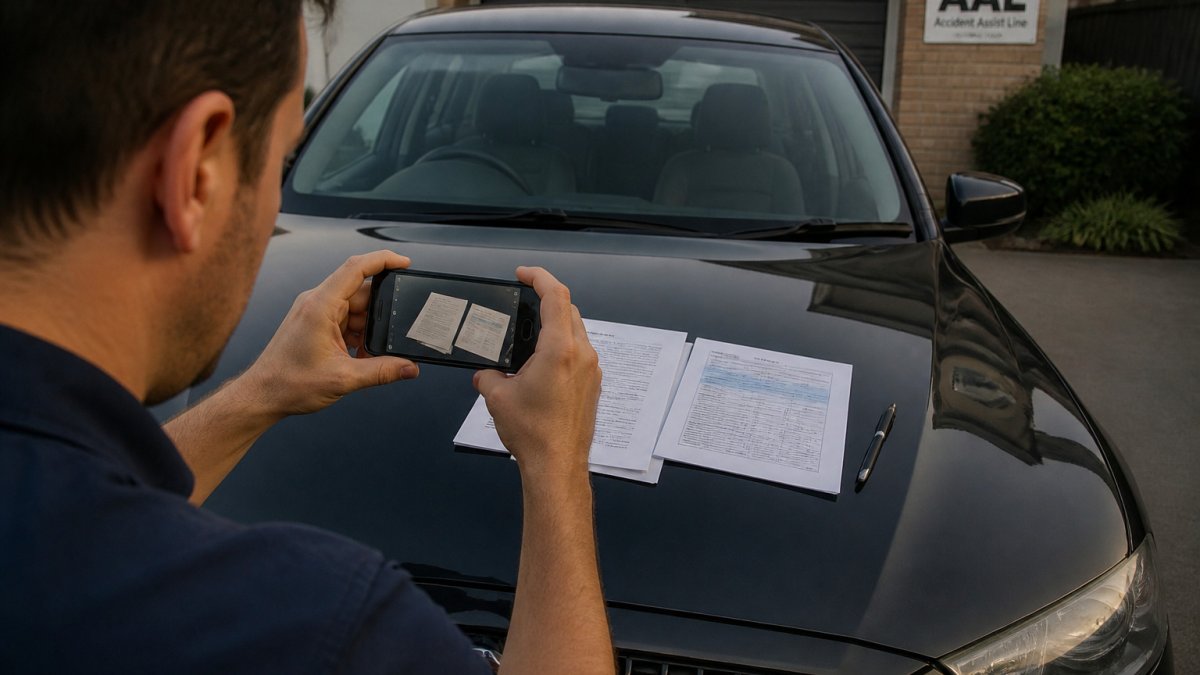
Useful evidence includes:
- The denial letter or email
- Your policy schedule and the relevant policy wording
- The rental agreement, including dates and daily rates
- Photos of the vehicles and the accident scene
- The police report or incident number, if one exists
- Repair estimates or the repairer's assessment
- Notes of every phone call, with the date, time and the name of the person you spoke to
Keep original documents safe and send copies, not originals. Store everything in one folder, whether that is a paper file or a digital one.
Step 4: Write a Dispute Letter
A clear dispute letter often gets the decision reviewed faster than a phone call. Keep it short, factual and polite.
Here is a simple template you can adapt:
Dear [Insurer name],
I am writing to dispute your decision of [date] to decline payment for my hire car following my claim reference [number].
Your letter says [quote the reason]. I believe this is incorrect because [explain briefly, with reference to the policy clause or evidence].
I have attached [list your evidence]. Please review your decision and respond within [timeframe you request].
Yours sincerely, [Your name, policy number, phone number]
Send the letter by email where possible, and keep a copy. Ask for a written response.
Step 5: Follow the Insurer Complaint Process
Most insurers have an internal complaints process, and you should use it before going to an outside body. The difference between a complaint that gets reviewed and one that gets ignored is usually how precisely you frame it and how well you track the clock.
What to put in the complaint
A strong internal complaint is short and does three things:
- States the decision you are disputing, with the date and claim reference
- Identifies the specific policy clause or factual error you are challenging
- Asks for a written response and a named reviewer
Ask the insurer to:
- Confirm in writing that they have received your complaint
- Explain the decision by reference to the exact policy clause relied on
- Name the person or team reviewing it
- Tell you the expected review timeframe
Timeframes to hold them to
Insurers operating under the General Insurance Code of Practice are expected to respond to complaints within set timeframes. Insurers should acknowledge a complaint promptly and tell you in writing how long it will take to resolve. Check the current General Insurance Code of Practice for the timeframes that apply. If that window passes without a substantive response, send a short follow-up referencing your original complaint date and asking for an update. Keep every email.
If the answer does not address your reasons
A response that repeats the original denial without engaging with your evidence is not a resolution. Reply once, in writing, pointing to the specific evidence or clause the response did not address, and ask for the complaint to be escalated to a senior reviewer. If the insurer issues a final response that still does not resolve the matter, that letter is your ticket to the external body in Step 6, keep it.
Many people ask whether filing a claim or pursuing a dispute affects their future cost. For a detailed look at that question, read Will an Insurance Claim Increase My Premiums?.
The table below summarises the key steps for escalating a complaint if the insurer's response does not resolve it.
| Stage | What to do | Timing |
|---|---|---|
| Internal complaint | State the decision, cite the policy clause, ask for a written response | Ask for a named reviewer |
| Acknowledgement | Insurer confirms receipt in writing | Promptly |
| Follow-up | Email quoting your original complaint date | When the Code timeframe passes |
| Senior review | Point to evidence not addressed, request escalation | After an unresolved response |
| External body | Lodge with AFCA using the final response letter | Within AFCA's time limits |
Step 6: Escalate to an External Dispute Body
If the insurer's internal review does not resolve the matter, you can take it to an independent external body. For most general insurance disputes involving consumers and small businesses, that body is the Australian Financial Complaints Authority (AFCA). AFCA is free to consumers and its decisions are binding on the insurer once accepted by you.
Before you lodge
Check three things:
- You have a final response from the insurer, or the internal timeframe has expired. AFCA generally expects you to have given the insurer a chance to resolve it first. If the insurer has not responded within the Code timeframe, you can usually lodge anyway, note the dates in your application.
- You are within AFCA's time limits. AFCA has time limits for lodging complaints after the insurer's final response. Check the current AFCA guidance for the limit that applies to your situation.
- The dispute is one AFCA can hear. AFCA covers most general insurance products, but there are limits on the amount it can award and some exclusions. Check the AFCA website for the current monetary limits before you rely on it.
What AFCA will ask for
Have these ready before you start the online application:
- Your name, contact details and the policy number
- The insurer's final response letter, or a record of your complaint and the dates
- A short written summary of what happened and what outcome you want
- Copies of the denial letter, policy wording, rental agreement, photos, repair invoices and any correspondence
- Your evidence of loss, for example, hire car receipts or repair quotes
AFCA will usually contact the insurer, ask for its file, and may offer a conciliation process before making a decision. Keep every email and letter, because AFCA will ask for the paper trail.
Australian Financial Complaints Authority complaint process
The external body can review the decision and may recommend a different outcome. Keep all correspondence, because they will ask for it.
Getting Help With Your Next Step After a Victorian Accident
If your rental car denial follows an accident in Melbourne, Geelong or the Mornington Peninsula, you may be juggling a tow, a repair and a hire car at the same time. Accident Assist Line can help with the practical side.
Our team is available 24/7, and you can speak to a real person straight away. If you want to understand how hands-on help can take the pressure off after a crash, see why professional accident management services can save you stress and time. If you need a tow or repair coordinated after a crash, request my tow today and we will get you moving.
Frequently Asked Questions
Is rental car cover included in my car insurance policy?
Not always. Rental car cover is often an optional extra or depends on the policy level you hold. Check your Product Disclosure Statement and policy schedule for any mention of replacement or courtesy vehicles, and note the conditions that apply, such as how long a hire can run or whether the cover applies only after a claim is accepted. If the wording is unclear, ask your insurer to confirm in writing what is covered before you rely on it.
What evidence should I provide when disputing an insurance denial?
Gather your policy wording, the rental agreement, the denial letter, repair or assessment reports, photos of the accident, and any correspondence with the insurer or hire company. Keep a dated record of every phone call, including the name of the person you spoke with and what they said. Clear, organised evidence lets the insurer reassess the decision against the exact clauses it relied on.
What should I avoid saying to an insurance company?
Avoid speculating about fault, guessing at dates or amounts, or agreeing to terms you have not read. Stick to facts you can support with documents, and say you need time to review the wording if you are unsure. Do not sign a settlement or release form until you understand what it covers. If you are uncertain how a statement might be used, ask for the request in writing first.
How do I make a complaint about an insurer's decision?
Start with the insurer's internal complaints process, put your complaint in writing, and ask for a written response and a reference number. If you are not satisfied with the outcome or the insurer does not respond within its stated timeframe, you can take the matter to the Australian Financial Complaints Authority (AFCA), the external dispute resolution scheme for most general insurance disputes in Australia. Check AFCA's website for current time limits and eligibility before lodging.