 ultimate-guide
Why Use Professional Accident Management Services
Table of Contents
- Why Accident Management Services Exist: The Reality After a Crash
- Accident Management vs Insurance Company: What Your Insurer Won't Do
- The Real Cost of DIY Claims: Time, Stress, and Money
- What a Professional Service Handles for You
- How to Handle a Car Accident Insurance Claim: A Step-by-Step Guide
- Understanding Not-at-Fault Accident Claims and Your Rights
- Choosing the Right Provider: What to Look For
- Conclusion: Get Professional Help and Move Forward
- Frequently Asked Questions
Last Updated: September 6, 2026
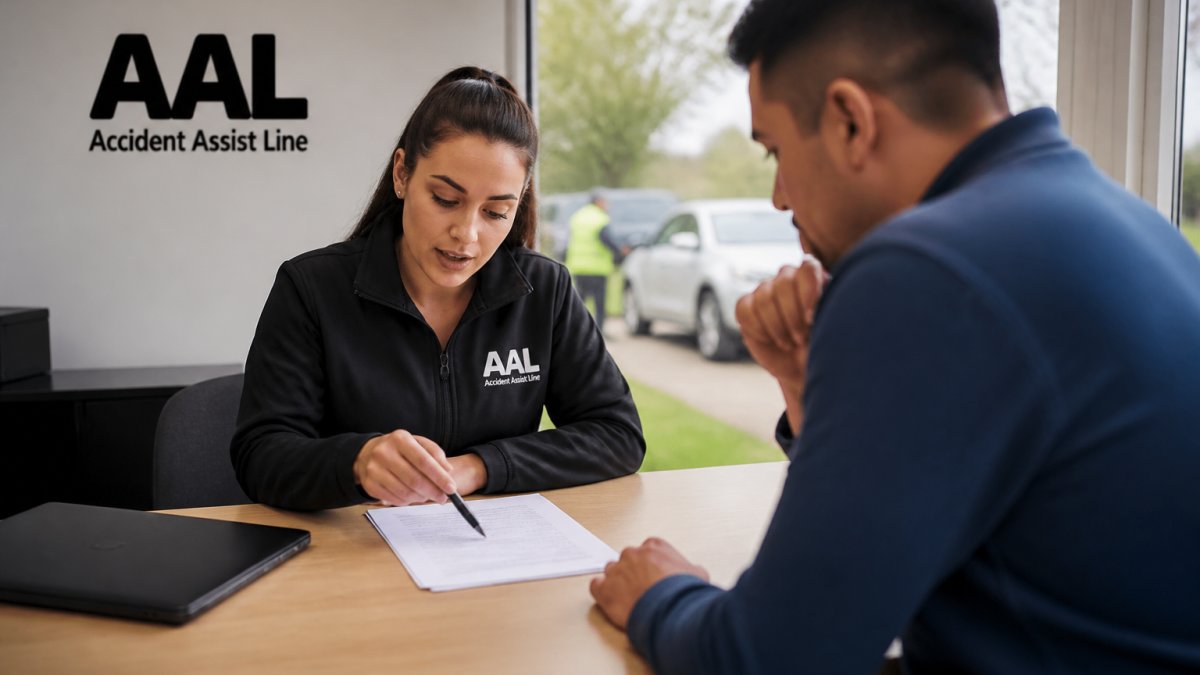
The minutes after a collision are rarely calm. Most drivers assume their insurance company will handle everything, but the reality is often different. This guide from Accident Assist Line explains what professional accident management services do, how they differ from a standard insurance claim, and why an independent advocate is often the difference between a smooth recovery and a prolonged dispute.
Why Accident Management Services Exist: The Reality After a Crash
Accident management services exist because the gap between impact and a resolved claim is where drivers lose time, money, and peace of mind. Your insurer's priority is protecting their bottom line; yours is getting your vehicle repaired and returning to your routine. Those goals do not always align.
A professional accident management service acts as an intermediary, coordinating the logistical chain that follows a crash: towing, repairs, hire vehicles, and third-party communication. It is not a replacement for your insurance policy but an independent layer of support that handles the operational burden.
The core value proposition is simple: specialists who manage these scenarios daily move the process faster and with fewer errors than a driver navigating it alone for the first time.
Accident Management vs Insurance Company: What Your Insurer Won't Do
The distinction between accident management and your insurance company comes down to whose interests are being served. Your insurer assesses liability, applies your policy terms, and determines what they are obligated to pay. An accident management service focuses purely on your recovery logistics.
Here is what your insurer typically will not do proactively:
- Arrange a like-for-like hire car immediately while liability is still being determined
- Coordinate towing at 2 AM without you making multiple calls
- Push repair shops for quality assurance and faster turnaround times
- Handle the administrative burden of third-party liability correspondence
Insurance claims follow a structured process. That structure protects the insurer from fraud and excessive payouts, but it also creates delays. A not-at-fault accident can leave you out of pocket for an excess while the insurer pursues subrogation against the other party. During that waiting period, you still need to get to work.
The Real Cost of DIY Claims: Time, Stress, and Money
Handling a claim entirely on your own carries hidden costs beyond the repair bill. The most significant is time: between incident reporting, chasing the at-fault driver's insurer, organising quotes, and managing repair delays, a straightforward claim can consume dozens of hours.
The stress component is equally real. You are dealing with a significant event while maintaining work and family commitments, and every unanswered call and piece of repeated paperwork adds to the mental load. Many drivers report the administrative aftermath is more draining than the accident itself.
Financially, DIY claims expose you to risks that professional management mitigates. If liability is disputed, you may face out-of-pocket storage fees, accept a lower repair standard because you lack use, or lose your no-claim bonus due to a procedural error.
| Claim Handling Approach | Time Investment | Stress Level | Financial Risk |
|---|---|---|---|
| DIY with insurer only | High: repeated calls, chasing updates | High: unclear timelines | Moderate: potential excess and dispute costs |
| Professional accident management | Low: single point of contact | Low: proactive updates | Reduced: advocates manage claims disputes and recovery |
What a Professional Service Handles for You
A professional accident management service removes the logistical chaos from your hands. Instead of coordinating multiple vendors yourself, you deal with one team that manages the entire chain, from the initial call to the day your repaired vehicle is returned.
Each element is designed to minimise vehicle downtime and get you back on the road quickly. The difference is most visible in speed: while you might wait on hold with your insurer, a dedicated service responds immediately and begins dispatching help.

24/7 Towing and Recovery Coordination
Accidents do not respect business hours. When you call at 2 AM, you need a real person who can dispatch a tow truck, not an automated system that takes your details and leaves you waiting. Recovery coordination means the tow truck arrives promptly, takes your vehicle to an appropriate repair facility, and you are informed of what happens next without having to ask.
Hire Car Arrangements and Repair Management
The most pressing practical concern after a crash is usually transport. If your vehicle is undriveable, you need a replacement immediately. Professional services arrange hire cars directly, so you are not waiting for an insurer to approve the expense. Simultaneously, they manage the repair process, ensuring qualified technicians complete the work to a proper standard and that the turnaround time does not stretch on indefinitely.
How to Handle a Car Accident Insurance Claim: A Step-by-Step Guide
Knowing how to handle a car accident insurance claim correctly protects your rights and finances, but the right sequence depends on whether you are managing the claim yourself or have engaged a professional service. The steps below outline immediate actions everyone should take, followed by a decision matrix to help you self-qualify which path is right.
Immediate Steps for Every Driver
- Ensure safety first. Move to a safe location and check for injuries. Call emergency services if anyone is hurt. Do not move vehicles until police arrive if there are injuries or significant debris.
- Document the scene. Take photos of all vehicles, number plates, damage, and the surrounding area. Note the time, date, and weather conditions. This evidence is critical if liability is later disputed.
- Exchange details. Collect the other driver's name, contact information, licence number, and insurance details. Do not admit fault at the scene, even if you believe you may be responsible. Fault determinations are a legal process, not a roadside conversation.
- Report the incident. Notify your insurer and lodge an incident report. If you are using an accident management service, call them now so they can begin coordinating recovery.
- Organise towing and a hire car. If your vehicle is undriveable, arrange for it to be towed to a repairer and secure a replacement vehicle. This is where the DIY path diverges significantly from the managed path.
- Lodge your claim. Submit all documentation, including photos and the other party's details. Your accident manager can handle this correspondence for you.
- Track the repair. Stay informed about repair progress and the expected completion date. A professional service will manage this on your behalf.
When to DIY vs. When to Call a Professional: A Decision Matrix
Not every accident warrants professional management. The following matrix helps you weigh the trade-offs based on your specific circumstances. Be honest about your tolerance for administrative friction and your available time.
| Scenario | DIY with Insurer Only | Professional Accident Management | Why |
|---|---|---|---|
| Minor bumper scrape, no injuries, clear liability, vehicle drivable | ✔ Recommended | Optional | The claim is straightforward. Your insurer will likely handle it without dispute. The time cost of managing it yourself is low. |
| Vehicle undriveable, you need a hire car immediately | ✘ High risk of delay | ✔ Strongly recommended | Insurers typically require liability to be established before approving hire car costs. A professional service can arrange a like-for-like vehicle immediately, regardless of fault, and recover the cost later. |
| Accident occurred outside business hours or in a remote area | ✘ Limited support | ✔ Strongly recommended | Your insurer's claims line may be automated after hours. A 24/7 accident management service dispatches towing and recovery immediately, preventing storage fees from accumulating overnight. |
| Liability is disputed or the other driver is uninsured | ✘ High risk of prolonged dispute | ✔ Strongly recommended | Disputes require ongoing correspondence with third-party insurers. A professional advocate handles this communication daily and knows the escalation pathways that individual drivers rarely discover. |
| You have a fleet or commercial vehicle | ✘ High downtime cost | ✔ Strongly recommended | Every day your vehicle is off the road is lost revenue. Professional services prioritise rapid turnaround and often have direct relationships with repairers to expedite parts and labour. |
| You have the time and patience to chase updates during business hours | ✔ Possible | Optional | If you can dedicate 10-15 hours over several weeks to phone calls, paperwork, and follow-ups, a DIY claim can work. Most drivers underestimate this time commitment. |
The Hidden Cost of the DIY Path: What You Don't See
If you choose the DIY route, understand what you are signing up for. The average not-at-fault claim involves multiple touchpoints: your insurer, the at-fault driver's insurer, a repairer, a tow yard, and potentially a hire car provider, each with its own processes. Coordinating them yourself means you become the project manager for a process you have likely never done.
A common pattern is that drivers accept the first repair quote because they lack the knowledge to assess whether the repairer uses genuine parts or meets manufacturer safety specifications, and they accept a lower-quality hire car because they do not know they are entitled to a like-for-like vehicle.
What Happens After You Lodge the Claim
Once your claim is lodged, the process enters a waiting phase. Your insurer assesses liability, the repairer orders parts, and the hire car provider manages the rental period. The difference between a managed and unmanaged claim becomes most visible here: a professional service actively chases each stage, escalating delays before they become problems, while a DIY claimant waits for updates and often discovers delays only after they stretch into weeks.
Understanding Not-at-Fault Accident Claims and Your Rights
A not-at-fault accident claim arises when the collision was caused by another driver. In this situation, you are generally entitled to have your vehicle repaired or replaced without your insurance excess applying, provided the other party's liability is established (nsw.gov.au).
However, enforcing these rights often requires navigating third-party liability determinations and potential claim disputes. If the at-fault driver's insurer is slow to respond or disputes liability, you may be left waiting.
This is where an independent service demonstrates its value. Because they are not associated with any insurance company, they advocate purely for your interests, handling the communications with the third party's insurer and working to expedite the liability determination and subsequent repair approval.
Choosing the Right Provider: What to Look For
Selecting an accident management provider requires more scrutiny than a quick online search. The quality of service varies significantly, and the wrong choice can add stress rather than remove it.
A service tied to a specific repair network or insurer may not have your best interests at heart. Look for a provider that offers unbiased guidance and is not pushing you toward particular shops for kickbacks.
Second, assess their response capability. The entire point of these services is speed. A provider that promises a callback in under 30 seconds and delivers demonstrates the operational capacity to handle emergencies; a service only reachable during business hours is of limited use after a nighttime collision.
Third, check their scope. Accident Assist Line operates across Victoria, New South Wales, Queensland, and the ACT. If you are in regional Queensland rather than a capital city, confirm the provider can actually reach you. The 30-second callback promise means they connect you with a real person quickly, not that a tow truck arrives in 30 minutes.
| Selection Criteria | What to Look For | Red Flags |
|---|---|---|
| Independence | No ties to insurers or repair networks | Pushy recommendations toward specific shops |
| Availability | 24/7 real-person response | Automated systems, limited hours |
| Response Speed | Callback in under 30 seconds | Vague promises, no stated timeframe |
| Service Area | Coverage in your state and region | City-only service boundaries |
Conclusion: Get Professional Help and Move Forward
The aftermath of an accident should not consume your life. Between managing repairs, dealing with insurers, and arranging transport, the administrative burden can easily overshadow the incident itself. Professional accident management services exist to absorb that burden, protect your financial interests, and get you back on the road without the usual delays and disputes.
With no forms, no wait times, and a callback in under 30 seconds, we organise towing, repairs, and hire cars so you can focus on moving forward. As an independent service, we are not associated with any insurance company, which means our only client is you. Get started with Accident Assist Line and let a dedicated team handle the process from the first call to the final repair.
Frequently Asked Questions
What are the benefits of using an accident management service?
Professional accident management services cut the stress of handling a claim alone. They coordinate towing, arrange repairs with qualified technicians, and organise a replacement vehicle so you can return to work quickly. They also manage the paperwork and communication with the at-fault driver's insurer, reducing the administrative burden on you. This proactive management helps minimise vehicle downtime and ensures you receive fair compensation without the hassle of chasing third-party liability.
How does an accident management service differ from standard insurance claims?
Accident management services act as an independent coordinator between you, the repair shop, and the insurance company. Unlike a standard claim where you handle the process yourself, a professional service manages the entire claims process on your behalf. They focus on getting your vehicle repaired and returning you to the road, while your insurer focuses on indemnity and cost mitigation.
Do I need professional help after a non-fault motor vehicle accident?
If you are not at fault, you are entitled to have your vehicle repaired and to receive a replacement vehicle while it is off the road. However, dealing with the at-fault driver's insurer can be time-consuming and stressful. Professional help simplifies this by handling the claim for you. They manage the logistics, paperwork, and recovery services.
What not to tell your insurance company?
After an accident, stick to the facts. Do not speculate on who is at fault or admit liability, as this can complicate your claim. Avoid saying 'I'm sorry' or 'I didn't see them' at the scene, as these can be misconstrued. When reporting the incident, provide accurate details and do not guess about the other driver's actions. If you are unsure, a professional accident management service can guide you on incident reporting and protect your interests from the start.