 How-to
7 Steps in the Car Repair Timeline After an Accident
Last Updated: October 29, 2026
Quick Summary
The car repair timeline after an accident runs through seven stages: tow, book-in, assessment, authorisation, parts, repair and quality check. Minor panel damage usually takes one to three business days, while full collision work can take about two to four weeks depending on damage and parts availability.
- Parts shortages cause more repair delays than any other single factor in the sequence.
- Nothing moves until your insurer authorises the estimate, and supplementary estimates need a second approval.
- Ask the repairer at book-in about current queue length and which parts may go on backorder.
- A useful status update names the next action and who owns it, not just a mood.
- Walk around the car and run a checklist before signing anything at collection.
Table of Contents
- How Long Do Accident Repairs Take?
- The Car Accident Repair Process Step by Step
- What Slows a Car Repair Timeline Down
- Getting an Accident Repair Status Update
- Who Coordinates the Repair and the Insurer
- What to Check When Collecting a Repaired Car
- Requesting My Tow and Repair Coordination
- Frequently Asked Questions
How Long Do Accident Repairs Take?
Most minor accident repairs take one to three business days, while heavier collision damage can run two to four weeks. For the full stage-by-stage sequence, see our not at fault accident claim timeline explained. That spread is why the car repair timeline after an accident feels unpredictable. Downtown Auto Body's repair time estimates put limited panel damage at one to three business days. Culver City Chevrolet's collision repair guide estimates full collision work at about two to four weeks, depending on damage and parts.
Three things decide your wait:
- How deep the damage goes
- Whether parts are in stock locally
- How fast your insurer authorises the work
Minor Panel Damage vs Structural Damage
A scuff on a bumper is a different job to a bent chassis rail.
Minor panel damage usually means cosmetic or bolt-on repairs: a bumper, guard, door skin, or headlight. Parts are common, labour is short, and the car is often back within days.
Structural damage involves the frame, suspension mounts, or crumple zones. It needs measuring, pulling, and sometimes replacement sections.
Expect the second type to take weeks, not days.
The Car Accident Repair Process Step by Step
The car accident repair process step by step runs through seven stages: tow, book-in, assessment, authorisation, parts, repair, and quality check. Each stage has its own delay risk. Knowing them helps you push the right buttons at the right time.
For a fuller walkthrough, see our guide on coordinating car repairs after an accident.
Steps 1 to 3: Tow, Book-In and Assessment
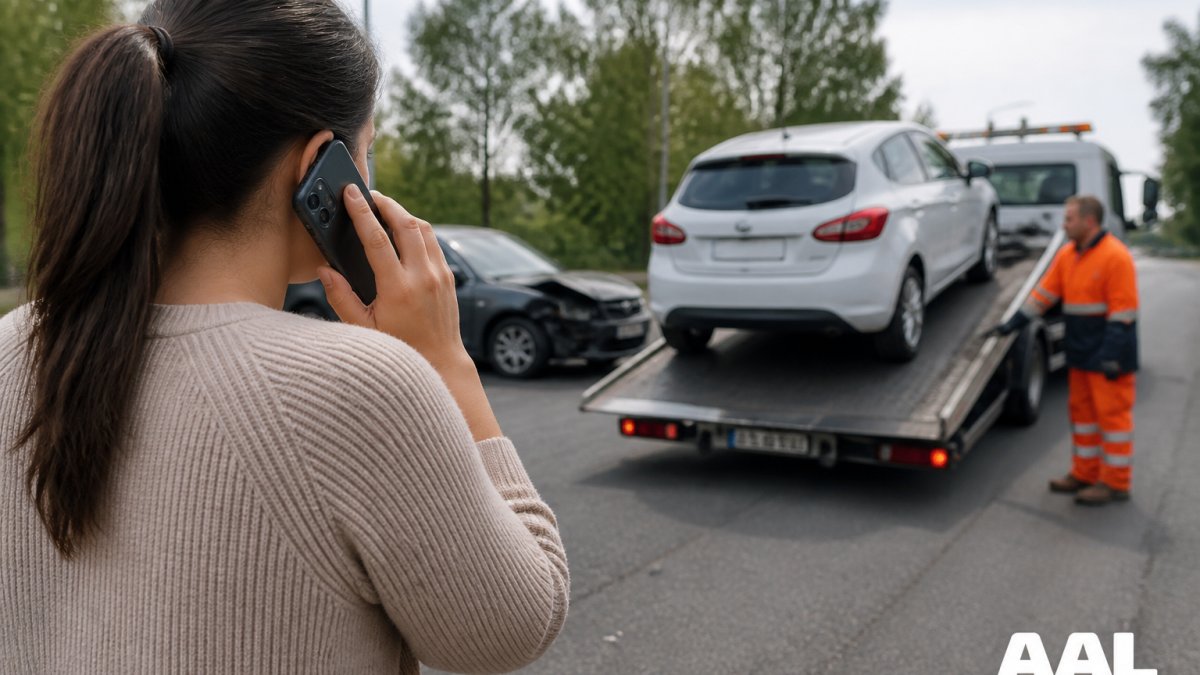
Step 1: Tow. Your car is moved to a holding yard or smash repairer.
Step 2: Book-in. The repairer logs the vehicle into its queue. Busy shops may have a wait before work starts.
Step 3: Assessment. A qualified assessor inspects the damage and writes an estimate. This is where hidden damage gets found, and where timelines often shift.
Steps 4 to 7: Authorisation, Parts, Repair and Quality Check
Step 4: Authorisation. Your insurer reviews the estimate and approves, queries, or adjusts it.
Step 5: Parts. Parts are ordered. Availability is the single biggest wildcard in the whole sequence.
Step 6: Repair. Panel work, paint, and reassembly happen here. Paint drying and blending add fixed time.
Here is the seven-stage repair sequence and what each stage involves.
| Step | What happens | Delay risk |
|---|---|---|
| 1. Tow | Car moved to holding yard or smash repairer | Accident tows allocated through official network in Victoria |
| 2. Book-in | Repairer logs vehicle into its queue | Busy shops may have a wait |
| 3. Assessment | Assessor inspects damage and writes estimate | Hidden damage found here shifts timelines |
| 4. Authorisation | Insurer approves, queries, or adjusts estimate | Nothing moves until this happens |
| 5. Parts | Parts are ordered | Availability is the biggest wildcard |
| 6. Repair | Panel work, paint, and reassembly | Paint drying and blending add fixed time |
| 7. Quality check | Shop inspects finish, refits trim, signs off | Car signed off for collection |
What Slows a Car Repair Timeline Down
Parts shortages cause more repair delays than any other single factor. Collision repair timing depends on damage extent and parts availability.
But "parts" is a label, not an explanation. Here is what is actually happening at each delay point, and what you can do about it.
Parts: the three sub-delays
Parts delays are not one problem. They split into three:
- Backorder. The part is not in the local distribution network and has to be ordered in. The repairer cannot start the job until it lands.
- Wrong part supplied. A VIN mismatch or a mid-model-year change means the part arrives and does not fit. It goes back and the clock resets.
- Paint and blend dependency. Even with every panel in stock, paint mixing, blending into adjacent panels, and drying time add fixed days that no amount of chasing removes.
A common pattern is that the repairer only discovers a backorder at the point of ordering, which is after assessment and authorisation. That is why the parts stage is where estimates slip most often.
Authorisation: the second-approval trap
Nothing moves until your insurer authorises the estimate. The trap is the supplementary estimate: hidden damage found once panels come off needs a second approval, and that approval sits in a queue just like the first one.
If you want to shorten the wait, ask the repairer early whether they expect a supplementary estimate and, if so, when it will be lodged.
Estimate disputes and scope changes
A back-and-forth over cost parks the car. Disputes usually come from one of three places: a disagreement about whether a part is repairable or replaceable, a disagreement about paint blending scope, or a mismatch between what the assessor wrote and what the repairer found. Each round trip adds days.
Complex electronics and recalibration
Modern cars pack safety sensors into panels. Recalibrating cameras, radar, and parking sensors after panel work is skilled, sequential work, and it often needs the vehicle on a level surface with specific targets. It cannot be rushed and it cannot be skipped if you want the safety systems working.
Peak demand and queue position
Storm season fills every shop queue. When demand spikes, your car is not just waiting for parts, it is waiting for a bay. Book-in wait times stretch, and a job that would take three days of labour can take two weeks of calendar time.
If you want to shorten the wait, our guide on how to speed up car repairs covers the moves that actually help.
Getting an Accident Repair Status Update
Ask for a status update regularly, and ask a specific question. "Any news?" gets a shrug. "Has the insurer authorised the supplementary estimate yet?" gets an answer.
That is the baseline. The gap most guides leave open is what happens between booking and completion, how to read an update, and what to do when the timeline stalls.
What a useful update actually contains
A good accident repair status update should tell you:
- Which stage the car is at (tow, book-in, assessment, authorisation, parts, repair, quality check)
- What is being waited on, specifically
- Who owns the next action, the repairer, the insurer, or the parts supplier
If an update does not name the next action and its owner, it is not an update. It is a mood.
A simple call script
Use the same structure every time so nothing gets missed:
- "Can you confirm the current stage?"
- "What is the car waiting on right now?"
- "Who is responsible for the next step?"
- "When was that step last actioned?"
- "What is the realistic collection date?"
Put the request in writing where you can. It creates a record, and a written question is harder to defer than a phone call.
Reading the answer: green, amber, red
- Green: the car is in the repair bay and the next action is with the repairer. Normal.
- Amber: the car is waiting on authorisation or a part, and the next action is with a third party. Ask for the date that action was lodged.
- Red: the car has not moved stage in more than a week and no one can name the next action. This is when you escalate.
How to escalate without burning the relationship
Escalation is not aggression. It is asking the next person up the chain the same five questions.
- Ask the repairer for the workshop manager or estimator who owns your job.
- If the hold is authorisation, ask your insurer for the reference number and the date the estimate was received.
- If the hold is parts, ask for the supplier name and the expected landing date.
When to involve a coordinator
If you are making repeated calls to several different parties and still cannot get a straight answer, a single point of contact can help. A coordinator can chase the repairer and liaise with your insurer so you are not the one holding the phone.
Who Coordinates the Repair and the Insurer
You can coordinate the repair yourself, or you can appoint someone to do it for you. Both are legitimate.
If you coordinate it yourself, you will deal with the tow operator, the repairer, and your insurer separately.
If you appoint a coordinator, one contact point manages the tow, the repair booking, and the liaison with your insurer.
Before you authorise anything, it helps to understand choosing a repairer versus your insurer's preferred shop.
What to Check When Collecting a Repaired Car
Walk around the car before you sign anything. Once you drive off, arguing about a defect gets much harder.
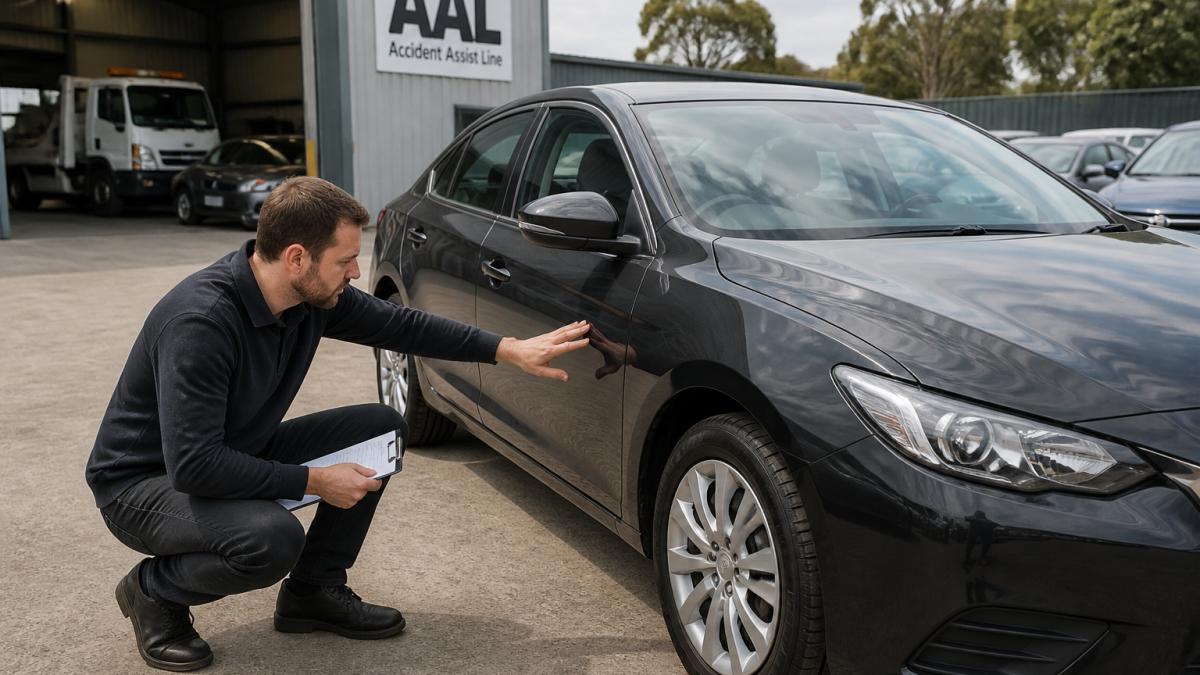
Run this checklist:
- Panel gaps are even on both sides
- Paint matches in direct sunlight, not just shade
- Doors, bonnet, and boot close cleanly
Flag anything odd on the spot and get it written on the collection sheet.
Requesting My Tow and Repair Coordination
One call is all it takes to start the process properly. We cover Melbourne, Geelong, and the Mornington Peninsula, 24/7, with a real person answering, no call queues.
When you call, have these ready:
- Your location and a nearby landmark
- Vehicle make, model, and condition
- Whether it is safe to move
- Your insurer and policy details
- Your preferred contact number
We then arrange the tow through Victoria's official accident-towing allocation network, coordinate the repair, and keep your insurer in the loop.
If you are ready, you can request towing and repair coordination through our network and let us take the phone calls from here.
Frequently Asked Questions
How long does it take to repair a car after an accident?
It depends on the damage. A minor fender-bender with limited panel damage and no structural involvement is typically quicker than a collision repair, which can take considerably longer depending on how extensive the damage is and whether parts are available. Treat both as estimates, not completion dates: dismantling often reveals hidden damage, and parts supply can shift the schedule either way.
Why can a car repair take longer than the initial estimate?
Two factors dominate: parts availability and hidden damage. Repair duration depends on damage extent and parts availability, so a backordered bumper or sensor can add days or weeks. Repairers also find more damage after dismantling, which needs fresh authorisation before work continues. Modern vehicles add another layer, since advanced safety electronics sit behind panels and need recalibration after repair. Ask your repairer for a revised estimate whenever the scope changes.
How can I check the progress of my accident repairs?
Ask for a named contact at the repair shop and agree on a check-in rhythm, such as every few days rather than daily. A good accident repair status update should tell you the current stage, what is waiting (authorisation, parts, paint), and the next expected milestone. If a coordination service is arranging the repair, it can chase that update for you. Keep a written log of dates and what you were told so any delay is easy to trace.
What should I check before collecting my car after repairs?
Walk around the vehicle in daylight and compare panel gaps, paint match and trim alignment on both sides. Check that lights, indicators, sensors and cameras work, and that no warning lights stay on after start-up. Confirm you have the repair invoice, warranty paperwork and any replaced parts documentation. Sit inside and check the interior is clean and undamaged. If something looks wrong, raise it before you drive away rather than after.
A crash already costs you time and money. Chasing a tow truck, a repairer, and an insurer across three phone trees should not be part of it. Accident Assist Line gives you one call, a real person 24/7, and a coordinated path from roadside to handover. Get started with Accident Assist Line and get your car moving again.