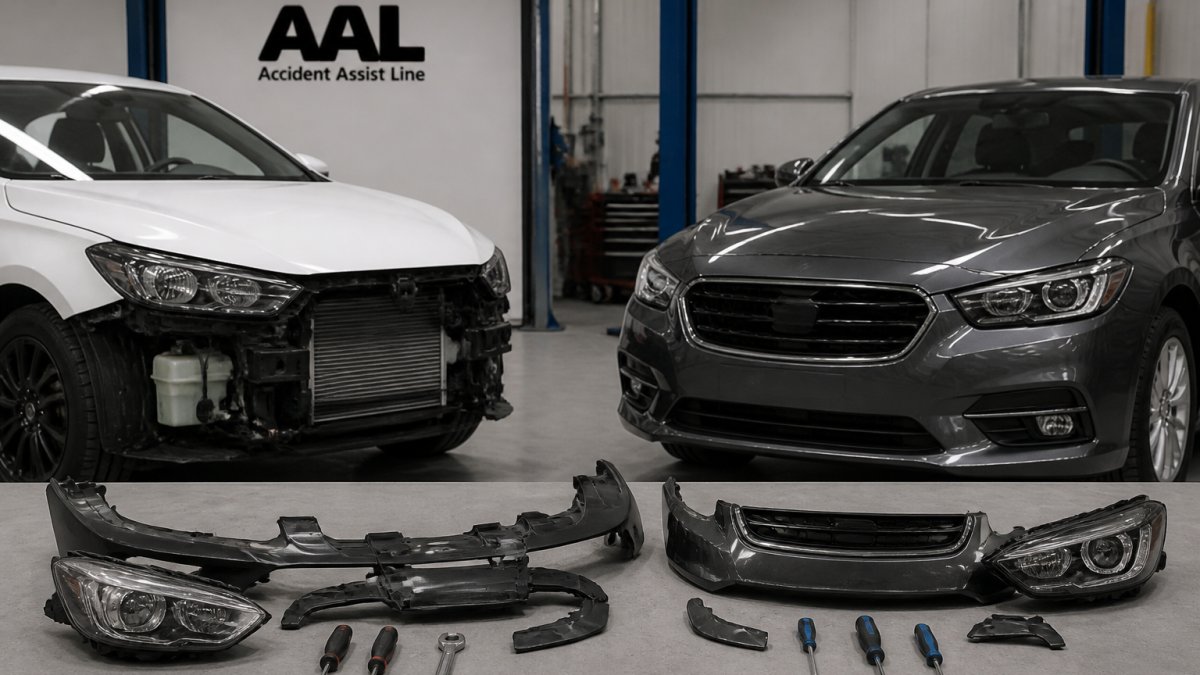
 Comparison
Choosing a Repairer vs Insurance Preferred Repairer
Table of Contents
- Choosing a Repairer vs Insurance Preferred Repairer: The Core Difference
- Side-by-Side: Insurance Preferred Repairer Pros and Cons
- How to Choose Your Own Car Repairer Insurance Permits
- When the Insurer's Estimate Differs From Your Repairer's Quote
- Questions to Ask a Smash Repairer Before Authorising Work
- Repair Quality, Workmanship and Safety Verification
- Frequently Asked Questions
Last Updated: October 20, 2026
Choosing a Repairer vs Insurance Preferred Repairer: The Core Difference
Choosing a repairer vs an insurance preferred repairer comes down to one question: who decides where your car gets fixed. At Accident Assist Line, we explain this to drivers across Melbourne, Geelong and the Mornington Peninsula almost every day.
A preferred repairer is a smash repairer that holds an arrangement with an insurer and handles a steady flow of that insurer's work.
How insurer-selected repairs actually work
When you lodge a claim and let the insurer direct the repair, the process runs on their rails. The insurer books the assessment, assigns a repairer from its repair network, and authorises the repair scope.
That arrangement has real advantages. The insurer controls cost, the repairer knows the insurer's standards, and the paperwork moves quickly. The trade-off is that you lose visibility. You may not meet the assessor, and you may not see the repair quote before work begins.
What 'choice of repairer' means on your policy
Choice of repairer is a policy feature, not a legal right. Some comprehensive insurance policies include it as standard. Others offer it as an optional extra. Many restrict it to certain claim types or add conditions around quotes and assessment.
The wording matters more than the marketing. Look for phrases like "you may choose your own repairer" and check what sits beside them: a requirement for the insurer to approve the quote, a cap on hourly rates, or a condition that the repairer must be licensed.
Side-by-Side: Insurance Preferred Repairer Pros and Cons
Here is how the two paths compare on the factors that actually affect your repair.
| Factor | Preferred repairer | Your own repairer |
|---|---|---|
| Who selects the shop | Insurer | You |
| Quote approval | Handled internally | You may need insurer sign-off |
| Cost to you | Usually excess only | Possible gap between quote and insurer estimate |
| Speed | Often faster, established workflow | Depends on parts and booking availability |
| Repair quality oversight | Insurer's standards apply | You inspect and query the work |
| Warranty | Repairer and insurer terms | Repairer's own guarantee |
| Paperwork | Insurer manages | You coordinate more |
| Payment flow | Repairer invoices insurer directly | You may need to pay and seek reimbursement, depending on policy |
| Parts choice | Often insurer-approved parts | You can specify new or genuine parts, subject to approval |
| Dispute route | Insurer's internal process | Insurer's internal process plus your own negotiations with the repairer |
Where the preferred network wins
Speed and simplicity are the network's strongest cards. For a straightforward bumper or panel repair, this can mean fewer phone calls and a faster return of your vehicle.
Cost control also favours the network. Because the insurer and repairer have agreed rates, you are unlikely to face a gap payment. For drivers who want the claim closed with minimal involvement, that is a genuine benefit.
Where it falls short
The gap appears when your car needs something the network does not prioritise. Enthusiast vehicles, older models with scarce parts, and cars needing manufacturer-specific repair procedures can sit awkwardly in a volume-driven workflow. You also lose the ability to question the repair scope before work starts.
What choosing a non-network repairer can actually change
This is the part most guides skip. Choosing your own repairer is not simply a matter of preference; it can change how the repair is assessed, paid for and warranted. The effects depend on your policy, so treat the list below as questions to put to your insurer rather than universal rules.
- Assessment. The insurer may still need to inspect the vehicle or approve the scope before your repairer starts. Ask who books the assessment and whether your repairer can submit photos and a quote directly.
- Payment arrangements. Some policies pay the repairer directly; others reimburse you after you pay. Confirm the flow before work begins so you are not funding a repair you expected the insurer to cover.
- Repair timelines. A non-network repairer may wait longer for insurer approval, and parts availability can add further delay. Ask both parties for a realistic start date.
- Warranty. Your repairer's workmanship guarantee sits alongside, not instead of, any insurer-backed warranty on the repair. Get both in writing and check what each covers.
- Out-of-pocket costs. If the insurer's approved amount is lower than your repairer's quote, you may be asked to cover the difference. Ask for that figure in writing before authorising work.
- Parts and methods. Your repairer may propose genuine or new parts where the network would use alternative parts. That can affect both the quote and the insurer's approval.
How to Choose Your Own Car Repairer Insurance Permits
Start with your policy wording, not the phone call. Find the choice of repairer clause and note any conditions attached to it. Then follow this sequence:
- Confirm the clause exists and applies to your claim type.
- Ask the insurer whether your chosen repairer needs pre-approval.
- Request the repairer's quote in writing, itemised by parts and labour.
- Send the quote to the insurer and ask for written confirmation of what they will cover.
- Get the repairer to confirm the repair scope matches the approved amount.
- Authorise work only once both documents align.
If the insurer pushes back, ask for the specific policy term they are relying on. Insurers can direct a repair where the policy allows it, but they should be able to point to the wording.
When the Insurer's Estimate Differs From Your Repairer's Quote
A gap between the insurer's estimate and your repairer's quote is common, and it is not automatically a dispute. The two figures are built differently. The insurer's assessor works to an approved repair scope and agreed rates. Your repairer quotes the work they believe the damage requires.
The gap usually falls into one of four categories, and naming the category helps you resolve it:
- Scope difference. The insurer has allowed less work than your repairer believes is needed, for example, repair rather than replace a panel.
- Rate difference. The same work is priced at different labour rates.
- Parts difference. One quote uses genuine or new parts; the other uses alternative or recycled parts.
- Hidden damage. Damage found after stripping the vehicle that was not visible at assessment.
Closing the gap in writing
Ask your repairer to break down the difference line by line, then send that breakdown to the insurer with a request to review the scope. If the insurer declines, ask for the reason in writing.
If the repairer finds additional damage once work starts, the usual mechanism is a supplement, a revised scope sent to the insurer for approval before the extra work proceeds. Ask your repairer how they handle supplements and whether they will pause work until approval arrives.
If the disagreement continues
Escalate in stages rather than all at once:
- Ask the insurer's assessor to reconsider the scope, with your repairer's written justification attached.
- Request an independent assessment if the insurer and your repairer still disagree on what the damage requires.
- Use the insurer's internal complaints process and ask for a written outcome.
- If the matter remains unresolved, ask the insurer for details of the external dispute resolution body it belongs to and how to lodge a complaint there.
The ACCC guidance on consumer guarantees and repair rights sets out where consumers stand when a service is not delivered with due care and skill, and the Australian Financial Complaints Authority explains how free, independent dispute resolution works for insurance complaints.
Questions to Ask a Smash Repairer Before Authorising Work

Before you sign anything, get straight answers to these:
- Are you licensed, and can you show the licence?
- Will you use new, used or aftermarket parts, and which parts need my approval?
- What does your workmanship warranty cover, and how long does it run?
- Will you provide a written repair quote before starting?
- Do you work directly with insurers, or will I coordinate approval?
- What is the expected repair timeframe, and what could delay it?
- Can I see the vehicle during the repair?
A repairer who answers these clearly and in writing is usually a repairer worth trusting. Vague answers are a warning sign.
Repair Quality, Workmanship and Safety Verification
Repair quality is where the choice you make shows up years later.
Verify quality before you collect the car. Walk around the vehicle in daylight, check panel gaps and paint match, and ask for the repair documentation.
The Australian Competition and Consumer Commission notes that consumer guarantees apply to repair services, which gives you a route if workmanship fails. CHOICE also publishes independent guidance on choosing an insurer and understanding repairer clauses if you are comparing policies before your next renewal.
If you would rather not coordinate any of this yourself, Accident Assist Line arranges the tow, coordinates the repair and liaises with your insurer so you are not chasing updates between three parties.
The hardest part of a repair is rarely the damage itself.
Frequently Asked Questions
Can my insurer make me use its preferred repairer?
In most cases, no. Your policy wording decides this. Many comprehensive policies include a choice of repairer clause, which means you can nominate your own smash repairer and the insurer still covers the approved repair cost. Some policies, often cheaper ones, restrict you to the insurer's repair network or apply different terms if you go outside it. Read the policy wording before you authorise anything, and if the clause is unclear, ask the insurer to confirm in writing.
Will choosing my own repairer affect my insurance cover or premium?
Your premium is not normally affected by which repairer you use. What can change is how the repair is managed. If your policy includes choice of repairer, the insurer assesses the damage and approves the repair scope, and your nominated repairer carries out the work. If your policy restricts choice, going outside the network may mean a higher excess, a lower payout, or no cover for that repair. Check your policy wording and confirm the position with your insurer before work starts.
What should I check before choosing a smash repairer?
Ask whether the shop is a licensed motor vehicle repairer, what warranty it gives on parts and workmanship and for how long, whether it uses new or recycled parts, and whether it can source manufacturer-compliant repair procedures for your vehicle. Ask how it handles the insurer's damage assessment and who liaises with the assessor. Get the repair quote and scope in writing, and confirm the expected repair timeframe. A repairer that answers these plainly is usually easier to deal with if something goes wrong.
Who is responsible for the quality of insurance repairs?
The repairer is responsible for the workmanship, and the insurer is responsible for how it coordinates and authorises the repair under your policy. If the insurer selected the repairer, it also controls the repair scope and cost. That split matters when something goes wrong: raise workmanship issues with the repairer first, then escalate to the insurer through its internal complaint process. If it stays unresolved, you can take it to the relevant external dispute resolution scheme.
What should I do if I am unhappy with an insurance repair?
Document everything: photos of the fault, the repair invoice, the scope of work and any warranty terms. Raise it with the repairer in writing and ask for it to be fixed under warranty. If that fails, lodge a complaint with your insurer, which is responsible for the repair it authorised or arranged. Insurers must respond within set timeframes. If the outcome is still unsatisfactory, escalate to the external dispute resolution scheme named in your policy.