 How-to
Steps to Coordinate Car Repairs After an Accident
Table of Contents
- The First Steps to Coordinate Car Repairs After a Crash
- Your Car Repair Checklist for the First 48 Hours
- How to Compare Repair Estimates and Approve the Work
- Questions to Ask a Car Repairer Before You Hand Over the Keys
- How Long Do Car Repairs Take and What Affects the Timeline
- Getting a Car Repair Progress Update Without Chasing
- Coordinating Hire Cars, Transport and Vehicle Handover
- Frequently Asked Questions
Last Updated: October 18, 2026
The First Steps to Coordinate Car Repairs After a Crash
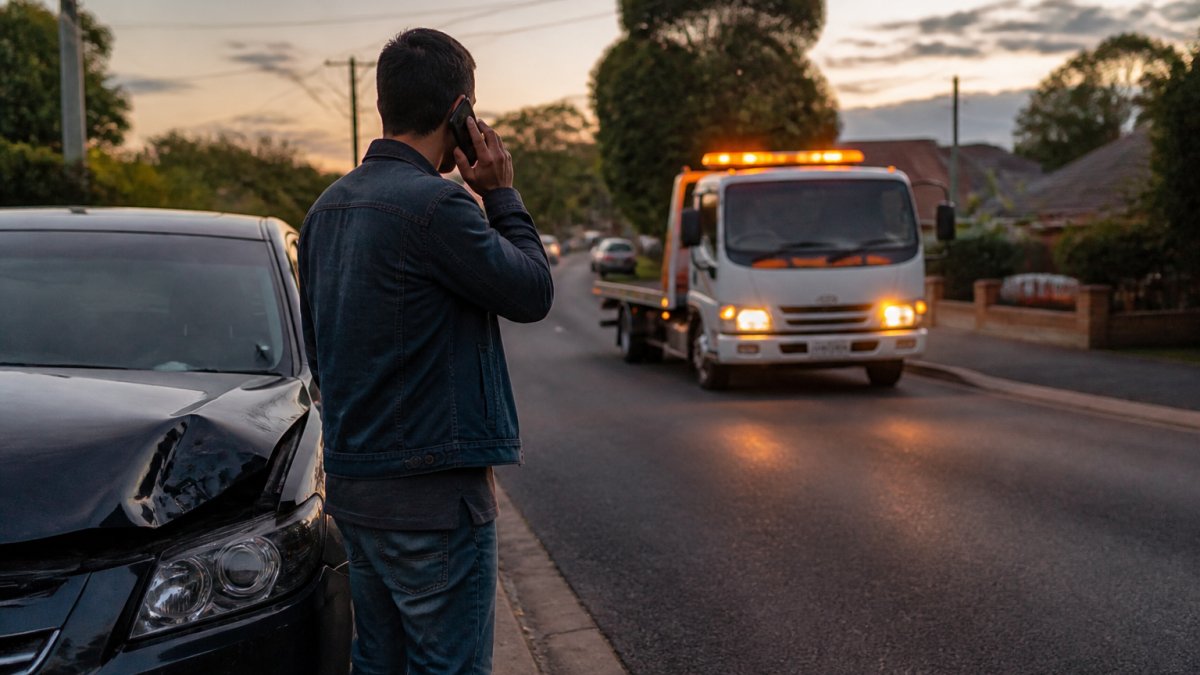
Knowing the steps to coordinate car repairs starts with two things: safety and placement. A crash on a suburban road at dusk leaves you shaken, and the decisions you make in the first hour shape everything that follows. At Accident Assist Line, we help drivers through this exact moment, and the pattern is always the same. Get people safe, then get the car to a yard you chose, not one you were pushed toward.
Secure the Scene and Confirm Everyone Is Safe
Safety comes before paperwork, every time. Switch on your hazard lights and check on everyone in both vehicles. If anyone is hurt, call emergency services on 000 (About). Move to the footpath or behind a barrier, never stand between the cars. For official guidance on what to do at a crash scene, see Victoria Police advice on reporting collisions.
Arrange the Tow and Choose Where the Car Goes
You have the right to say where your car is towed. A common mistake is letting a random tow operator take it to a yard you have never heard of. Ask for the yard name and address before the car leaves. If the vehicle is undriveable, one call to Accident Assist Line connects you to a real person, 24/7, and we arrange the tow through Victoria's official accident-towing allocation network.
Your Car Repair Checklist for the First 48 Hours
A car repair checklist keeps the first two days organised when your head is elsewhere. The difference between a smooth repair and a fortnight of chasing is whether you capture the right details in the first 48 hours. Work through this in order, and note who is responsible for each step so nothing falls between you, the tow operator, the repairer and your insurer.
Hour 1: Secure the Record
- Photograph all damage from several angles, plus the other car, the road layout and any signage or skid marks. Take wide shots first, then close-ups.
- Swap details with the other driver: name, phone, licence number, registration and insurer. Photograph their licence and registration rather than copying by hand.
- Note the time, location and weather conditions in your phone's notes app with a timestamp.
- Save any dashcam footage before it overwrites, many units loop over older files within hours.
- Report the incident to police if required, and record the report reference.
Hours 2-24: Establish the Paper Trail
- Contact your insurer and open a reference number. Ask what they need from you and whether they have a preferred repairer network, you are not obliged to use it, but you should know what they offer before you decide.
- Confirm where your car is stored and get the yard's name, address and contact details in writing. Photograph the car at the yard if you can.
- Book a repair estimate with a repairer you trust, and ask for the itemised quote rather than a lump sum.
Hours 24-48: Lock In the Coordination
- Set up a single folder, physical or cloud, for every receipt, message, quote and photo. Name files by date so the sequence is obvious.
- Confirm in writing who your single point of contact is at the repairer and at your insurer.
- Agree a update schedule: who sends progress, on which day, and by what method.
- Ask the repairer for a written repair plan and timeline before authorising any work.
Keep every receipt and message in that one folder. This record becomes the service history for the repair and is the first thing anyone asks for if a detail is questioned later. Drivers who document well spend less time resolving disputes and more time getting their car back.
How to Compare Repair Estimates and Approve the Work
Comparing estimates is where most drivers lose control of the process. Two quotes can look similar on the total line and differ wildly underneath. Read the itemised version, not the summary.
What a Repair Estimate Should Itemise
A proper repair estimate lists labour hours, replacement parts, paint materials and any structural work separately. It should name whether parts are new, used or aftermarket. Labour rates and part numbers should both appear. If a quote is one lump sum with no breakdown, ask for the detail before you approve anything.
Approving Work and Handling Supplements
Approve work in writing, and only for the items you have agreed to. A supplement is an extra cost found once the car is stripped down, such as hidden damage behind a bumper. Supplements are normal in collision repair. Ask for photos and a written explanation before any supplement is approved.
Questions to Ask a Car Repairer Before You Hand Over the Keys
The right questions to ask a car repairer separate a well-run workshop from one that will leave you chasing updates. Ask them before you sign anything.
- Who is my single point of contact for the whole job?
- Will you use new, used or aftermarket parts, and can I choose?
- Do you provide a written repair plan and timeline?
- How often will you send progress updates?
- Will you show me photos of the damage and the finished repair?
- What warranty applies to the repair work?
- Can you arrange a hire car or help with transport?
If the answers are vague, keep looking. A repairer who cannot explain the repair process clearly at the quoting stage rarely improves once your car is inside the workshop.
How Long Do Car Repairs Take and What Affects the Timeline
How long car repairs take depends on damage severity, parts availability and workshop workload. A minor panel repair might be a few days. Structural damage or a backordered part can stretch the job out considerably. Ask for an estimate in writing and treat it as a guide, not a promise. Completion time moves when parts arrive late or hidden damage appears.
| Stage | Typical Duration | What Can Delay It | Who Owns the Update |
|---|---|---|---|
| Assessment and quote | 1-2 days | Insurer review, hidden damage | Repairer |
| Parts ordering | 2-10 days | Backordered or imported parts | Repairer |
| Panel and paint work | 2-5 days | Workshop workload, paint curing | Repairer |
| Reassembly and quality control | 1-2 days | Final checks, alignment | Repairer |
| Handover | Same day | Paperwork, payment, cleaning | Repairer and you |
The Coordination Problem Nobody Warns You About
Most delays are not caused by bad workmanship. They are caused by information sitting still, a parts order not chased, a supplement not approved, a revised date not passed on. The fix is a simple status rhythm agreed before work starts:
- A named update day. Pick one day each week and one method (email or message) for progress updates.
- A milestone list. Ask the repairer to confirm each stage as it is completed, not just the final date.
- A revised-date rule. If the completion date moves, the repairer tells you the same day, with the reason and the new date in writing.
When to Escalate
Escalation is not confrontation; it is coordination. Escalate when:
- A promised update does not arrive twice in a row.
- The completion date moves without explanation.
- A supplement is requested without photos or a written reason.
- You are asked to approve work you did not agree to.
In each case, send one short written message stating the issue, what you need, and a reasonable response time. Keep it factual. A written trail is what turns a stalled repair into a resolved one.
Getting a Car Repair Progress Update Without Chasing
A car repair progress update should reach you without you having to ask. Set the expectation on day one: agree on a weekly update day and time, and ask who will send it. Then keep your own record of every message, call and promise. If updates dry up, send one short written request asking for the current status and the next milestone. Written communication records protect you if the timeline slips.
Coordinating Hire Cars, Transport and Vehicle Handover
Hire cars, transport and handover are the parts drivers forget until the day the car is ready. Sort transport before the repair starts, not after. Ask whether your policy includes a hire car and how long it covers. Check whether the repairer can arrange one on site. At handover, inspect the finished work in daylight, compare it to the photos taken at the start, and confirm the warranty terms in writing before you drive away.
A crash already cost you enough time. The repair process should not cost you more. If you are in Melbourne, Geelong or the Mornington Peninsula and want the tow, repair and insurer liaison coordinated for you, Accident Assist Line connects you to a real person 24/7 with no call queues. We arrange your tow through Victoria's official accident-towing allocation network, coordinate the repair, and liaise with your insurer throughout. Request your tow with Accident Assist Line and get back on the road sooner.
Frequently Asked Questions
What should I do first to arrange car repairs after an accident?
Make sure everyone is safe and call emergency services if anyone is injured. Exchange details with the other driver, photograph the damage and the scene, then arrange a tow. In Victoria, accident towing is allocated through the official accident-towing network, so the tow operator is assigned rather than chosen by you. Once the car is secured, contact your insurer to start the process, and keep a written record of every conversation, reference number and approval so the repair can proceed without delays.
Can I arrange a tow and repairer before speaking with my insurer?
Yes. Getting the vehicle off the road safely comes first, and you can arrange a tow before your insurer is involved. What you should not do is authorise repair work before you understand your policy obligations. Many policies require you to notify the insurer promptly and may direct you to a network repairer or require an assessment. Confirm the process with your insurer before signing any repair authority, and keep receipts and tow dockets so the costs can be sorted out later.
How can I check the progress of my car repairs?
Ask the repairer at drop-off how and when they will send updates, and who your single point of contact is. A good workshop will give you a job number and a rough schedule with milestones such as strip-down, parts arrival, panel work and paint. Request a car repair progress update at agreed intervals rather than calling daily. If parts are delayed, ask for the expected arrival date in writing. Keep a simple log of each update so you can spot slippage early and raise it while there is still time to act.
What should I check before collecting my repaired car?
Inspect the repaired panels in daylight for colour match, panel gaps and overspray. Check that lights, sensors and cameras work, and that any warning messages have cleared. Ask for the final invoice, the warranty terms on parts and labour, and confirmation that the work matches the approved repair plan. Test-drive the car before you leave the yard and note anything that feels wrong on the spot. Keep all paperwork together, including photos, so you have a clear record if a problem appears later.