 how-to
Will an Insurance Claim Increase My Premiums?
Table of Contents
- How an Insurance Claim Affects Your Premiums
- At-Fault vs Not-At-Fault Accident Insurance: Why the Difference Matters
- No Claim Bonus Protection: How It Shields Your Premium
- When to Claim vs Pay Out-of-Pocket: A Cost-Benefit Framework
- How Independent Accident Support Services Fit In
- Negotiating Your Renewal and Avoiding the Loyalty Penalty
- Conclusion: Making the Claim Decision With Clear Eyes
- Frequently Asked Questions
Last Updated: September 20, 2026
How an Insurance Claim Affects Your Premiums
Yes, insurance claim premiums can rise at renewal, but the size of that increase depends on fault, claim size and your insurer's risk assessment. Many drivers assume any claim triggers a jump. In practice, a not-at-fault claim often changes nothing. This guide from Accident Assist Line explains how insurers price the risk after a claim, and how to decide whether claiming is worth it.
A premium is the amount you pay an insurer for cover over a set period. Insurers set it using actuarial data about how likely you are to claim again. Your claims history feeds straight into that calculation, which is why a single at-fault accident can shift your premium at the next renewal.
Here is the part most guides get wrong: the fault question matters more than the claim itself.
Claim Frequency vs Claim Severity
Frequency counts how often you claim. Severity measures how much each claim costs. Insurers watch both, but frequency worries them more.
Two drivers can each lodge one claim. The driver with three small claims in three years looks riskier than the driver with one large claim. Underwriting models treat repeated claims as a pattern, not bad luck.
Keep these points in mind:
- Multiple small claims signal ongoing risk to an insurer
- One large not-at-fault claim often has little effect
- At-fault claims count against you hardest
- Claim-free years build a record that lowers your risk profile
So the number of claims you make over time can matter more than the dollar figure on any single one.
At-Fault vs Not-At-Fault Accident Insurance: Why the Difference Matters
Fault decides who pays, and it shapes your premium adjustment. In an at-fault accident, you caused the crash. Your insurer pays the other party and your own repairs under comprehensive cover, then recovers the cost through your renewal pricing.
A not-at-fault accident is different. The other driver caused it, so their insurer carries the cost. Your own insurer may still process the repair, but your risk profile barely moves.
Here is how insurers typically treat each:
| Claim type | Who pays | Effect on your premium |
|---|---|---|
| At-fault | Your insurer | Likely increase at renewal |
| Not-at-fault | Other driver's insurer | Usually little or no change |
| No-fault (e.g. storm, theft) | Your insurer | Varies by policy terms |
| Small at-fault, paid out-of-pocket | You | No claim recorded |
The catch: fault is not always clear-cut. Insurers use accident reports and their own assessment to decide. A disputed fault finding can hurt you even when you believe you did nothing wrong.
No Claim Bonus Protection: How It Shields Your Premium
A no-claim bonus is a discount you build by not claiming. Each claim-free year lifts your rating, and the discount can grow across several years of clean driving. Insurers typically express it as a rating level rather than a flat percentage, so the gap between a top rating and a base rating can be substantial by the time you have five or more clean years behind you.
No-claim bonus protection is an add-on that stops you losing that discount after one claim. Pay a little extra on your premium, and a single at-fault claim will not wipe out years of accumulated bonus. Without protection, one at-fault claim usually drops you back to a lower rating level at renewal, and you then have to climb back up year by year.
It is not free cover for unlimited claims. Most policies limit protection to one claim per policy period. Lodge a second claim and the bonus usually resets anyway.
Check your policy terms for:
- How many claims protection covers per policy period
- Whether it applies to at-fault claims only, or also to no-fault events
- What happens to your bonus after a second claim in the same period
- Whether the protection carries across when you switch vehicles or insurers
One more mechanism worth understanding: your no-claim bonus and your claims history are separate inputs. Even with protection, the claim still appears on your history, and some insurers weigh frequency of claims separately from the bonus rating. That is why protection shields the discount but does not always shield you from every pricing adjustment at renewal.
When to Claim vs Pay Out-of-Pocket: A Cost-Benefit Framework
The smart move is often to pay small repairs yourself and save your cover for big losses. Every claim you lodge becomes part of your claims history, and that history follows you for years. But the decision is not just about the repair figure versus your excess. It is about how the claim interacts with your rating level, your claims frequency and the loading your insurer applies at renewal.

A Simple Cost-Benefit Calculation
Use this framework to decide. It takes about ten minutes.
- Get your repair quote. Ask a repairer for a written figure.
- Find your excess. This is the amount you pay toward a claim.
- Estimate the premium rise. Ask your insurer how a claim would affect your rating, or check your renewal notice for loading rules.
- Add the multi-year effect. A loading usually applies for several renewals, not one.
- Compare totals. If the repair costs less than the excess plus the total loading, pay it yourself.
Frequency vs Severity: Which Claim Hurts More
This is the gap most guides miss. Insurers do not treat all claims equally. They weigh how often you claim against how much each claim costs, and frequency usually worries them more than severity.
The Multi-Year Loading Effect
A loading is not a one-off. Most insurers apply it to insurance claim premiums at each renewal until your rating recovers, which can take several claim-free years. That is why the calculation above multiplies the annual rise by the number of years the loading is likely to apply.
Ask your insurer two questions before you decide:
- How many years will the loading apply?
- Does the loading reduce each year, or stay flat until the claim drops off my history?
How Independent Accident Support Services Fit In
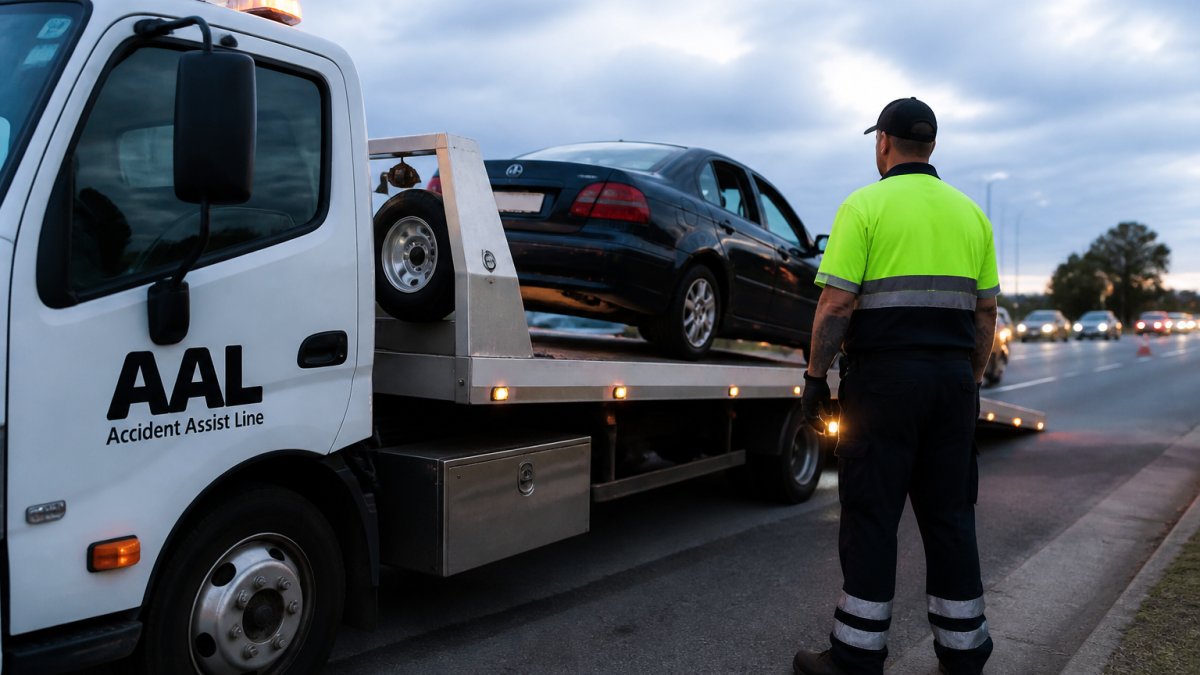
An independent accident support service arranges the tow, coordinates the repair and liaises with your insurer after a crash. It is not an insurer and does not lodge or manage claims on your behalf. It handles the logistics so you are not stuck making calls from the roadside.
Negotiating Your Renewal and Avoiding the Loyalty Penalty
Loyalty does not always pay. Insurers often reserve their sharpest prices for new customers, so a long-standing policyholder can drift onto a higher premium than a newcomer would pay for the same cover.
Fight back with these steps:
- Read your renewal notice and compare it with last year's premium
- Ask your insurer to review the price before you accept it
- Get comparable quotes from other insurers
- Mention a lower quote and ask them to match it
- Check whether a higher excess would lower your premium
Conclusion: Making the Claim Decision With Clear Eyes
The question of whether an insurance claim increases your premiums has a clear answer: sometimes, and mostly when you are at fault. Fault, frequency and severity drive the outcome, not the claim alone.
Frequently Asked Questions
Will my premium increase if I make a claim?
It can, but it is not automatic. Insurers assess your risk profile at renewal, and a claim is one factor among many. An at-fault claim is more likely to push your premium up than a not-at-fault claim where you are not held responsible. Your claims history, no-claim bonus and the insurer's own pricing also play a part. Check your renewal notice for the specific reasons behind any change.
How does a no-claim bonus work after an accident?
A no-claim bonus is a discount that builds each year you do not make a claim. After an at-fault accident, you may lose part or all of that discount, which raises your premium. Some policies offer no claim bonus protection, which lets you keep the discount for a limited number of claims. Rules vary between insurers, so read your product disclosure statement to see how protection applies to you.
Does a not-at-fault claim affect my premium?
Often it has less impact than an at-fault claim, because the insurer may recover costs from the other driver's insurer. Even so, some insurers still record the incident and factor it into your risk assessment. If you can identify the other driver, providing a police report and their details helps your insurer treat it as a no-fault claim rather than something that sits against you at renewal.
How can I minimise the impact of an accident on my future premiums?
Pay for minor damage out-of-pocket if the repair cost is close to your excess, since a small claim can cost more over time than it saves. Ask your insurer about no claim bonus protection, compare renewal quotes rather than auto-renewing, and keep a clean claims history where you can. If you are unsure, an independent accident support service can help you weigh the options before you lodge a claim.
An accident is stressful enough without juggling tow trucks, repairers and insurer calls at the same time. Accident Assist Line takes the logistics off your hands: one call connects you to a real person 24/7, we arrange your tow through Victoria's official accident-towing allocation network, and we liaise with your insurer throughout the process. Get started with Accident Assist Line and get back on the road with less hassle.