 how-to
What Happens After a Car Accident: A Step-by-Step Guide
Table of Contents
- What Happens After a Car Accident: Immediate Steps at the Scene
- Your Car Accident Checklist: What to Do in the First Hour
- What Information to Exchange After a Car Accident
- The Car Accident Insurance Process: Notification to Resolution
- Emotional Recovery After a Car Accident: What to Expect
- Coordinating Towing, Repairs and Your Insurer
- Conclusion
- Frequently Asked Questions
Last Updated: October 6, 2026
What Happens After a Car Accident: Immediate Steps at the Scene
The first ten minutes after a car accident set the tone for everything that follows. What happens next depends on how calmly you act in those early moments, and the steps below cover the essentials.
This guide from Accident Assist Line walks you through the full sequence, from the roadside to the repairer.
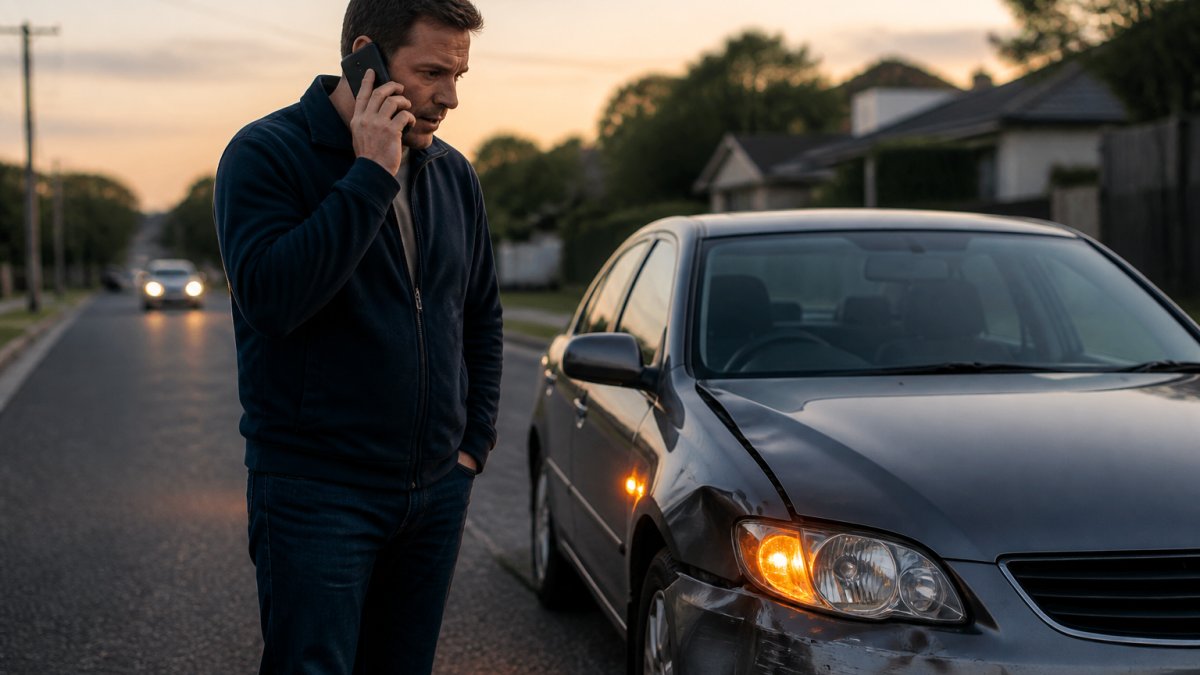
Check for Injuries and Call Emergency Services
Stop, switch off the engine and turn on your hazard lights. Check yourself and your passengers before anything else.
Call Triple Zero (000) if anyone is hurt, trapped or in danger. Ambulance officers can assess injuries on scene, and their report becomes part of the official record.
Even if you feel fine, see a general practitioner within a day or two. Some injuries, including whiplash, take time to show up.
Make the Scene Safe and Document Everything
Move your car only if it blocks traffic or creates a hazard. Otherwise, leave it where it sits.
Set up warning triangles if you have them. Keep yourself and others away from passing traffic.
Then start documenting:
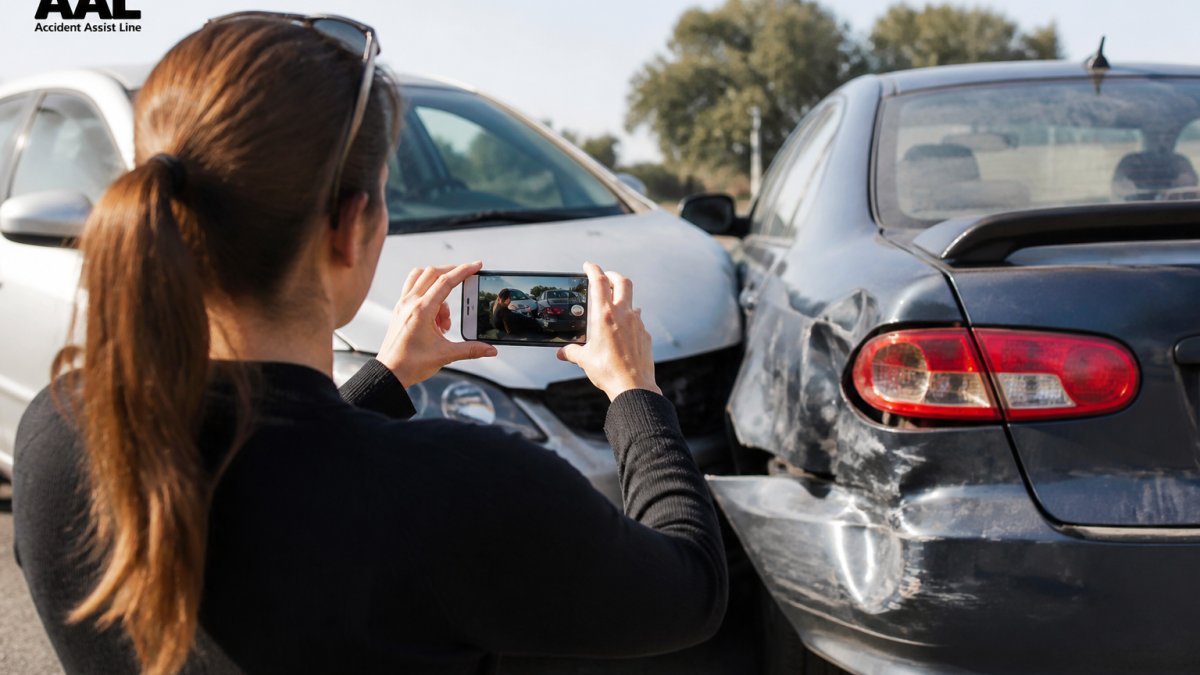
- Photograph all vehicles from several angles
- Capture the position of traffic signs and road conditions
- Look for skid marks and note where they start
- Record the time, date and weather
- Note any witness names and contact details
Your Car Accident Checklist: What to Do in the First Hour
A written car accident checklist keeps you steady when your hands are shaking. Work through it in order and you will not miss a step that matters later.
- Stop and check for injuries
- Call 000 if anyone is hurt
- Make the scene safe with hazard lights and triangles
- Photograph everything, including skid marks and traffic signs
- Exchange details with the other driver
- Report the crash to police if required
- Notify your insurer
- Arrange a tow and repairs
Keep this list in your glovebox. The first hour after a crash is not the time to rely on memory.
Reporting to Police and Your Legal Obligations
You must report a crash to police if anyone was injured, if a vehicle was towed away, or if the other driver failed to stop and exchange details.
Victoria Police handles these reports, and you can lodge one through the Victoria Police crash reporting portal. Do it as soon as practical.
You also have a legal obligation to give your name, address and vehicle registration to the other driver. Refusing to do so carries penalties.
What Information to Exchange After a Car Accident
Knowing what information to exchange after a car accident protects you if a dispute arises later. Collect the same details from every driver involved.
Gather these from the other driver:
- Full name and residential address
- Phone number and email
- Driver licence number
- Vehicle registration and make and model
- Insurance company and policy number
Give the same details in return. Stay polite and avoid admitting fault, even if you think you caused the crash. Liability is a question for insurers and, in some cases, the courts.
If the other driver is aggressive or refuses to cooperate, note their registration and call police.
The Car Accident Insurance Process: Notification to Resolution
The car accident insurance process starts with a phone call to your insurer and ends when repairs are done. Most of the work happens in between, and the order you do things in matters.
Here is how the process usually runs:
| Stage | What Happens | Who Is Involved | Typical Timing |
|---|---|---|---|
| Notification | You lodge a claim with your insurer | You and your insurer | As soon as practical, ideally within days |
| Assessment | The vehicle is inspected and damage recorded | Assessor and repairer | Usually within a week of lodgement |
| Liability | Fault is decided between insurers | Insurers on both sides | Can take weeks if disputed |
| Repairs | Work is approved and carried out | Repairer and insurer | Depends on parts and authorisation |
| Resolution | Costs, hire car and payouts are finalised | All parties | After repairs and any injury claim close |
What Happens at Each Stage
Notification. You lodge a claim with your own insurer, even if you believe the other driver was at fault. Your policy usually requires you to notify them promptly, and delay can give an insurer grounds to question the claim. Have your policy number, the other driver's details, the police report reference (if one exists) and your photos ready before you call.
Assessment. An assessor inspects the vehicle and records the damage. In Victoria, if your car was towed under the official accident-towing allocation system, it will typically be held at a designated holding yard until the assessor attends. Do not authorise repairs yourself before the assessment is complete, or you risk the insurer refusing to cover the cost.
Liability. Fault is decided between the insurers, not by you and the other driver at the roadside. This is why admitting fault at the scene can complicate things later. If liability is disputed, the process can stretch out, and you may be asked for a written statement or a diagram of how the crash happened.
Repairs. Once the insurer authorises the work, the repairer orders parts and completes the job. You may have the right to choose your own repairer under some policies, but many insurers direct you to a network repairer. Ask which applies to you before the tow is arranged.
Resolution. Costs, any hire car entitlement and payouts are finalised. If you also have an injury claim running, that side of the matter may resolve on a different timeline to the property damage.
The Injury Side: A Separate Track
Victoria runs a no-fault scheme for injuries through the Transport Accident Commission (TAC). That means medical costs and lost income can be covered regardless of who caused the crash, and you do not have to prove fault to access them. The TAC scheme is separate from the property damage process, which still goes through your own insurer.
A common mistake is to assume the two are linked. They are not. A property damage claim can close while an injury claim is still open, and vice versa.
A Gap Most Guides Miss: What Not to Say to an Adjuster
Adjusters are trained to gather information that limits their employer's exposure. That is their job, not a personal attack on you. Keep your answers factual and brief. Stick to what you saw, what you did and what damage occurred. Do not speculate about speed, fault or injuries.
- Ask for the adjuster's name and reference number
- Request all communication in writing where possible
- Keep a dated log of every call
- Never sign a release or accept a settlement before seeking advice
- Query any figure you do not understand
- Avoid phrases like "I didn't see them" or "I think I may have", these can be read as admissions
If the back-and-forth becomes overwhelming, a coordination service can liaise with your insurer on your behalf.
Emotional Recovery After a Car Accident: What to Expect
Emotional recovery after car accident injuries often takes longer than the physical kind. Shock, anxiety and trouble sleeping are common in the days and weeks that follow.
You might feel fine at the scene and fall apart two days later. That delay is normal.
Signs to watch for:
- Replaying the crash in your mind
- Fear of driving or of certain roads
- Irritability or trouble concentrating
- Avoidance of anything linked to the event
Talk to your general practitioner if these feelings persist or worsen. Professional care helps, and support is available through your GP and community health services.
Coordinating Towing, Repairs and Your Insurer
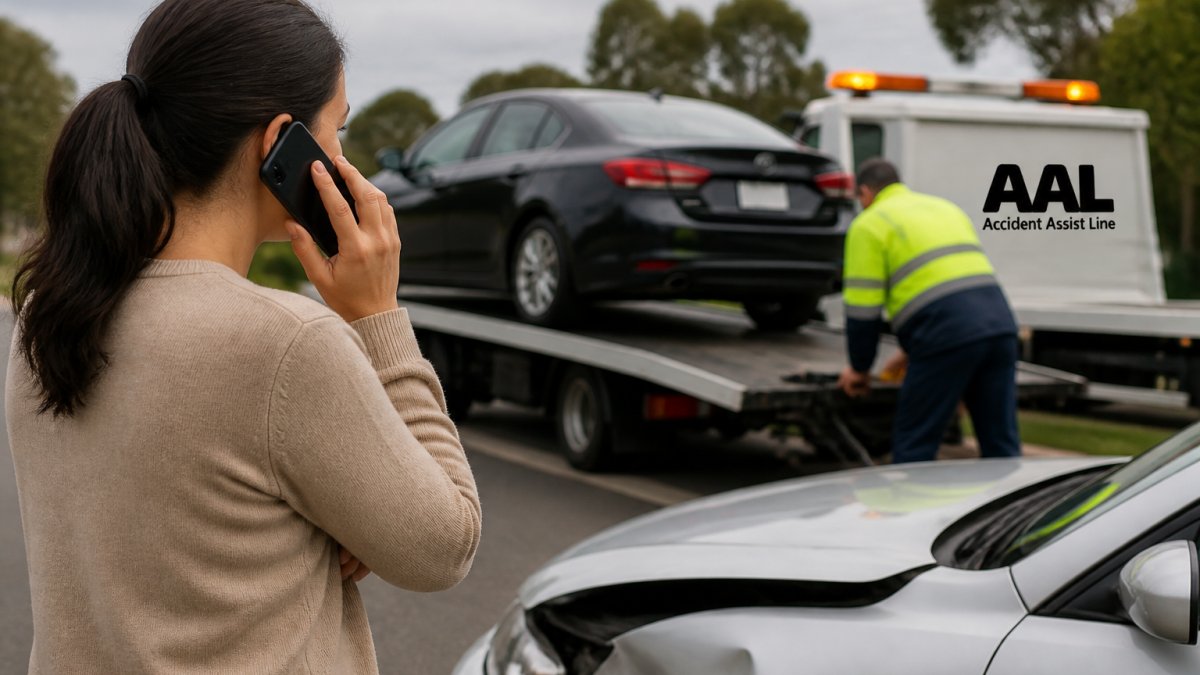
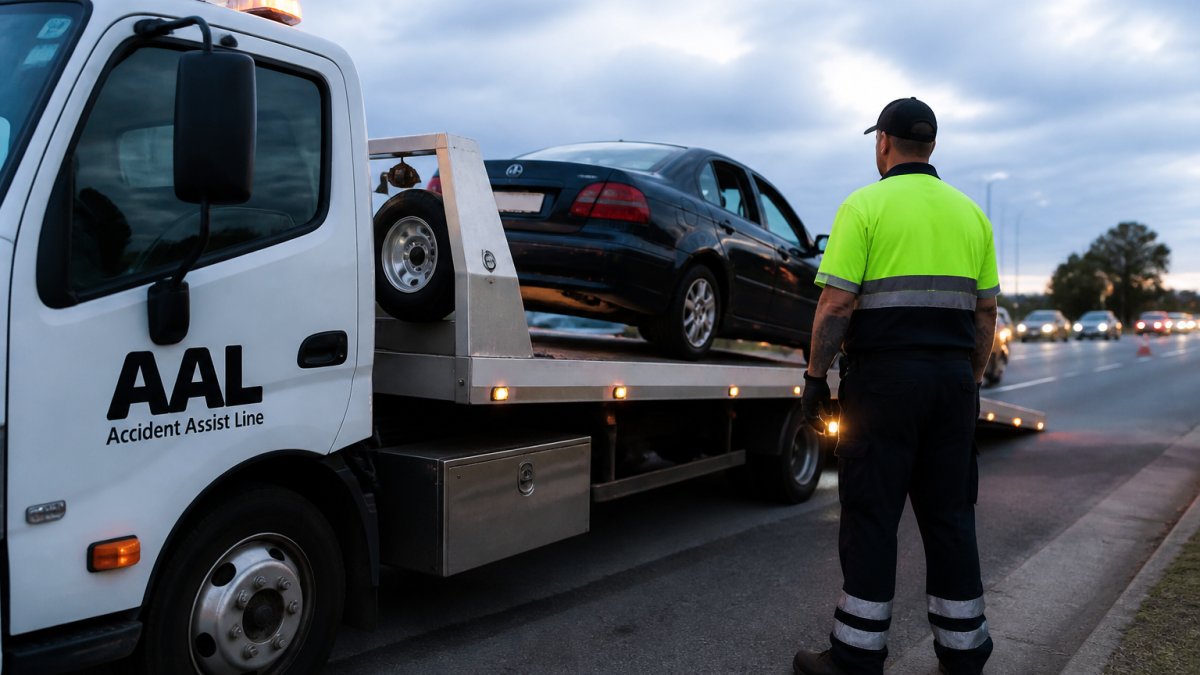
A tow is often the first practical problem after a crash, and it is where things get messy. In Victoria, accident towing in certain areas is allocated through an official roster, so you cannot always pick any tow operator you like.
That is where we come in. Accident Assist Line is an independent accident tow, repair and insurer-coordination service covering Melbourne, Geelong and the Mornington Peninsula. One call connects you to a real person, 24/7, with no call queues.
We arrange your tow through Victoria's official accident-towing allocation network, coordinate the repair, and liaise with your insurer throughout the process. You get one point of contact instead of five.
Conclusion
A crash throws a lot at you at once: injuries, police reports, insurance calls and a car that will not move. The steps above turn that chaos into a sequence you can actually follow.
If you would rather not juggle tow operators, repairers and insurer calls while you recover, Accident Assist Line arranges your tow through Victoria's official allocation network, coordinates the repair, and liaises with your insurer on your behalf. We are available 24/7 with no call queues, and one call connects you to a real person.
Request my tow and get back on the road sooner.
Frequently Asked Questions
What should I do immediately after a car accident?
Stop your vehicle, turn on hazard lights and check yourself and passengers for injuries. Call emergency services if anyone is hurt. If it is safe, move vehicles off the road. Exchange details with the other driver, take photos of the scene and damage, and note witness information. Report the accident to police if required, then contact your insurer. If your car is not drivable, arrange a tow through a service that coordinates with Victoria's accident-towing allocation network.
What information should I exchange after a car accident?
Exchange full names, addresses, phone numbers, driver licence numbers, vehicle registration numbers, make and model, and insurance company names with policy numbers. Note the time, date and location of the crash. If a driver is not the registered owner, get the owner's details too. Take photos of all documents to avoid transcription errors. This information forms the basis of your insurance claim and any police report.
When should I report a car accident to police?
You must report a crash to police if anyone was injured, if a vehicle was towed away, if the accident involved an unlicensed or unregistered driver, or if the other driver failed to stop and exchange details. In Victoria, you can report non-urgent crashes through the Victoria Police crash reporting portal or by calling the Police Assistance Line. For emergencies, call Triple Zero (000).
How long after a car accident can you claim for damage?
Time limits for insurance claims and personal injury claims vary. For property damage through your insurer, lodge your claim as soon as possible, as delays can complicate the process. For personal injury claims, strict time limits apply under Victorian law. Contact a lawyer or check the relevant authority for specific deadlines. Do not wait to seek medical assessment.