 how-to
How to Document a Car Accident for Insurance Purposes
Table of Contents
- What to Do After a Car Accident in Victoria: First Steps
- How to Photograph Car Accident Damage and the Scene
- Reporting a Car Accident to Victoria Police: When and How
- Collecting Witness Statements and Using a Witness Statement Template for Car Accident
- Documenting the Accident for Insurance Purposes: What Insurers Need
- Digital Evidence Management and Post-Accident Communication Logs
- Vehicle Repair Documentation and Psychological Notes
- Frequently Asked Questions
Last Updated: October 1, 2026
What to Do After a Car Accident in Victoria: First Steps
Knowing how to document a car accident for insurance purposes starts before you photograph a single panel. It starts with safety, then information. This guide from Accident Assist Line covers the exact steps drivers in Melbourne, Geelong and the Mornington Peninsula should take in the first hour after a crash.
Safety First: Move to a Safe Location
Stop, check for injuries, and call Triple Zero (000) if anyone is hurt. Then move your car off the road if it is safe to do so.
Exchange Information with the Other Driver
Collect these details from every driver involved:
- Full name and contact number
- Driver licence details and state of issue
- Registration number, vehicle make and model
- Insurance policy name and policy number
- Home address
Snap a photo of each licence and registration label. It is faster than writing and far more accurate.
How to Photograph Car Accident Damage and the Scene
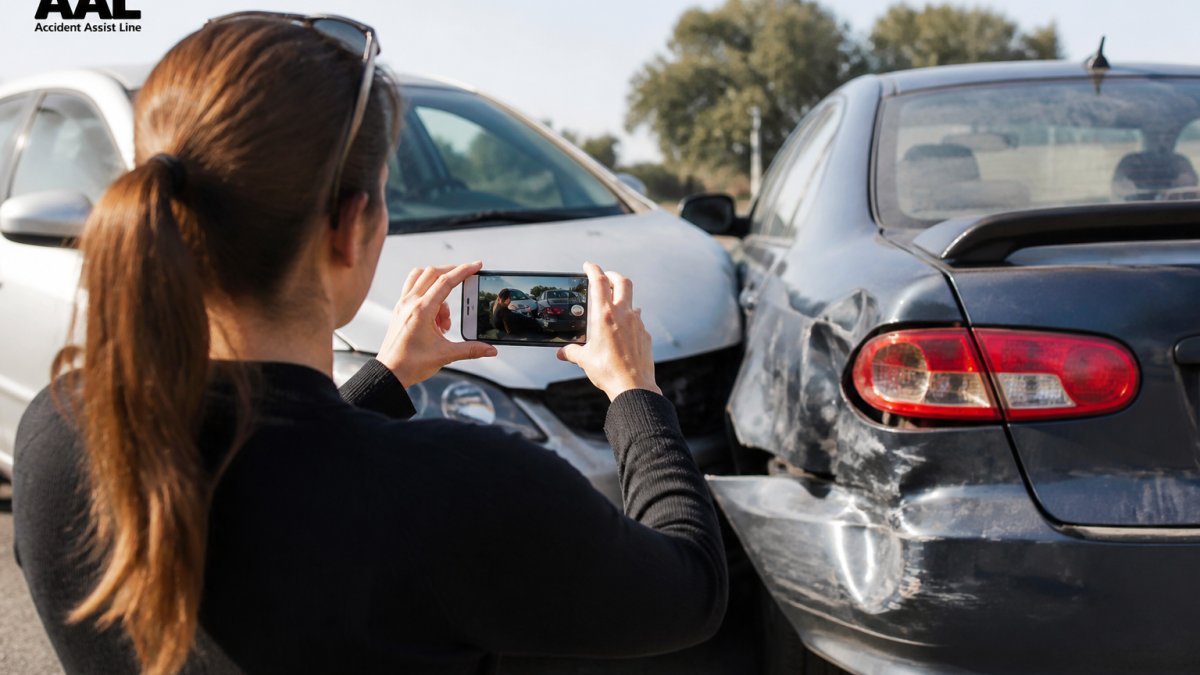
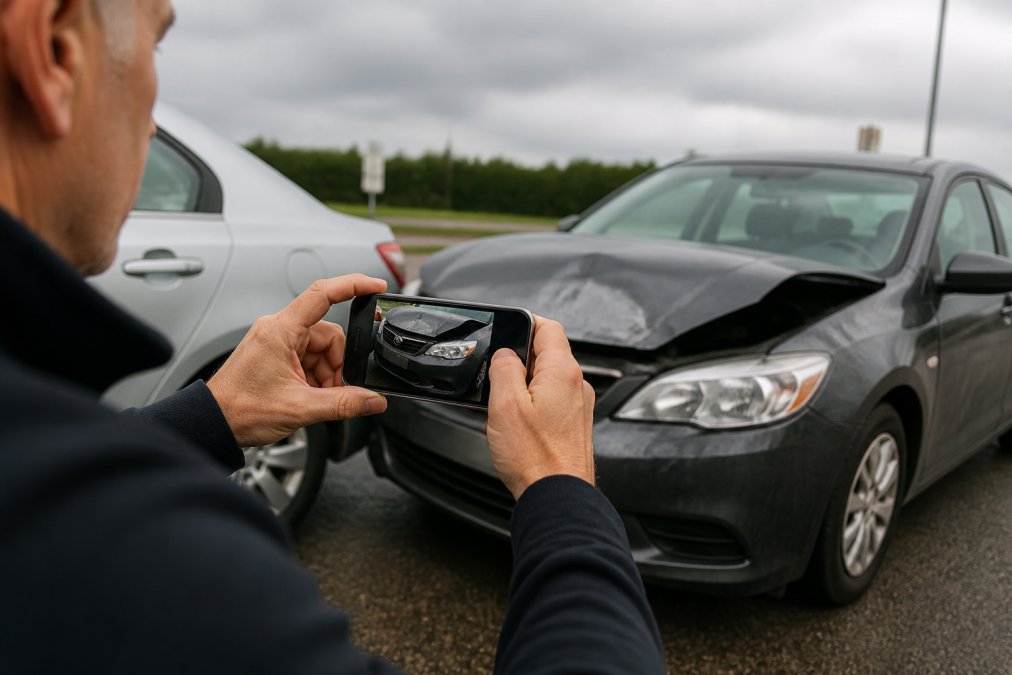
Photograph wide, then close. Start with the whole accident scene from a few metres back, then move in for panel damage, scratches and cracked lights.
What to Capture: Angles, Close-Ups, and Context
Work through this checklist at the scene:
- All four corners of every vehicle
- Close-ups of each damaged panel
- The road surface, including skid marks and debris
- Traffic signs, signals and lane markings
- The position of the cars relative to each other
Turn on location and timestamp settings before you shoot. A photo with no time or place attached is much weaker evidence.
Reporting a Car Accident to Victoria Police: When and How
You must report a crash to Victoria Police if anyone was injured, if a driver failed to stop or exchange details, or if the incident involved a driver affected by alcohol or drugs. For damage-only crashes where all parties exchanged details, a report is usually not required.
Collecting Witness Statements and Using a Witness Statement Template for Car Accident
Witness Statement Name: __________ Phone: __________ Email: __________ Date and time of accident: __________ Location: __________ What I saw (in your own words): __________ Weather and road conditions: __________ Signature and date: __________
Documenting the Accident for Insurance Purposes: What Insurers Need
Insurers want a clear, dated, consistent record. They are not looking for a legal argument, just evidence that matches the facts.
Build one folder, digital or paper, holding:
- Photographs and video footage with timestamps
- The other driver's licence and registration details
- The police incident report number
- Witness statements and witness contact details
- Your own written account of what happened
Incident Report and Contemporaneous Notes
Contemporaneous notes are notes written at the time of the event, or as close to it as possible. They carry more weight than a version written weeks later.
Digital Evidence Management and Post-Accident Communication Logs
Most guides stop at "take photos and back them up". The part that actually decides disputes is how you store, name and preserve that evidence so an insurer can use it without questioning its authenticity. This is the section most drivers wish they had read before their phone was crushed in the tow.
Preserving Metadata on Photos and Video
Every smartphone photo carries EXIF metadata: the date, time, GPS coordinates, device model and camera settings captured at the moment the shutter fired. That metadata is what turns a picture into evidence. Three things destroy it:
- Screenshots. A screenshot of a photo strips the original EXIF data. Always send the original file, not a screenshot.
- Messaging apps. Many compress and re-encode images, dropping GPS data. Send originals via email, cloud link or AirDrop-style transfer instead.
- Editing apps. Cropping, filtering or "enhancing" a photo rewrites the metadata. Keep the untouched original and, if you must edit, save the edit as a separate copy.
A File-Naming and Folder System That Scales
Adopt one convention from the first photo and stick to it. A workable pattern is:
YYYY-MM-DD_location_vehicle_panel_number.jpg
For example: 2026-09-14_corner-smith-st_rear-bumper_01.jpg.
Build a folder structure like this:
01_scene, wide shots, road layout, signage02_vehicles, all four corners of each car, close-ups of damage03_documents, licences, registration, police report number04_witnesses, statements and contact details05_repairs, quotes, invoices, before/after photos06_correspondence, every email, letter and log entry
Cloud Backup: Two Locations, Same Day
Back up the same day, to two places: a cloud account and a second device (a laptop, a USB drive, or a trusted family member's phone). Phones are lost, stolen, water-damaged and, in a crash, destroyed. If your only copy is on the device that was in the accident, you have no copy.
Post-Accident Communication Log Template
Communication Log Date: __________ Time: __________ Channel: phone / email / SMS / letter / in person Who I spoke to: __________ Their role: __________ Organisation: __________ Reference number: __________ What was discussed: __________ What was agreed or promised: __________ Follow-up required by: __________ Date: __________
Why This Matters for Mitigation of Loss
A dated log showing you responded promptly to requests, arranged repairs without unreasonable delay and kept the vehicle secure supports the principle of mitigation of loss, the expectation that you took reasonable steps to limit further damage. Insurers look favourably on claimants who can demonstrate this. A blank log, or one reconstructed weeks later, does the opposite.
Vehicle Repair Documentation and Psychological Notes
Two records get overlooked in the rush to get the car fixed and get back to normal: the paper trail behind the repair, and the paper trail behind how the crash affected you. Both matter if a dispute arises later.
Documenting the Vehicle Before, During and After Repair
Photograph the car at three points:
- Before the tow. Every damaged panel, plus the odometer reading and the fuel gauge.
- Before repairs begin. At the repairer, walk around the vehicle and photograph any pre-existing damage (scratches, kerbed wheels, worn tyres) so it cannot be attributed to this incident.
- On collection. Photograph the repaired panels and the odometer again. Note any outstanding items the repairer flagged.
Keep every document the repairer gives you: the quote, the authorisation, the invoice, the receipt and any warranty paperwork. If the repairer sends progress updates by SMS or email, keep those too.
Quotes vs. Insurer Assessments: How to Compare Them
When your insurer arranges an assessment, the assessor produces a report that sets out the scope of work and the amount they will pay. Your repairer's quote may differ. Common reasons include:
- Parts choice. The assessor may specify aftermarket or recycled parts; your repairer may have quoted genuine manufacturer parts.
- Labour rates. Different repairers charge different hourly rates, and the assessor works to an agreed rate.
- Hidden damage. Damage behind a bumper or under a panel is often only visible once the vehicle is stripped down.
Recording Out-of-Pocket Costs
Track every cost the crash creates, even small ones: tow fees, taxi or rideshare fares while your car is off the road, hire car excess, prescription medicines, and any excess you pay. Keep receipts and note the date and reason for each. These form part of your documented loss if you later need to substantiate a claim for uninsured losses.
A Pain and Symptom Journal
Soft-tissue injuries, whiplash, neck and shoulder strain, headaches, often emerge hours or days after a crash, not at the scene. A contemporaneous symptom journal is the single most useful record you can keep, because it captures the timeline in your own words while it is fresh.
Record, once a day:
- Date and time of the entry
- Where you feel pain or stiffness, and how intense it is (a simple 1-10 scale works)
- What you could not do that day because of it (sleep, drive, lift, work)
- Any medication taken, and whether it helped
- Any medical appointments attended, and the outcome
Emotional and Psychological Effects
Anxiety, disturbed sleep, difficulty concentrating and a reluctance to drive are common after a collision, even a minor one. Note these in the same journal, with the date they started and how they affect your day. If they persist, raise them with your GP. Documenting them early makes it easier to show a clear timeline if they are later linked to the incident.
Frequently Asked Questions
What information must I exchange with the other driver after a collision?
Exchange full name, address, phone number, driver licence details, vehicle registration number, make and model, and insurance policy details. If the other driver is not the owner, note the owner's information. Also record the time, date, and location of the accident. This information is essential for your incident report and any insurance claim.
Is it mandatory to report a car accident to Victoria Police?
You must report a car accident to Victoria Police if anyone is injured, if a person fails to stop and exchange details, or if the accident involves a driver who appears to be under the influence of alcohol or drugs. For property damage only, you are not legally required to report it, but it can help with insurance coordination. Always check the current requirements on the Victoria Police website.
What should I include in a written account of a car accident?
Your written account should cover the date, time, and exact location; weather and road conditions; what happened leading up to the collision; the direction each vehicle was travelling; any injuries; and a description of damage. Include a sketch of the scene if possible. Stick to facts, avoid opinions, and write it as soon as you can while details are fresh. This becomes your contemporaneous notes for insurance purposes.
How do I document vehicle damage for insurance coordination?
Take clear, well-lit photos of all damage from multiple angles, including close-ups and wide shots showing the vehicle's position. Note the date and time of each photo. Keep a log of any repairs, quotes, and communication with repairers or your insurer. If you use a service like Accident Assist Line, they can coordinate the repair and liaise with your insurer, but you should still keep your own records.