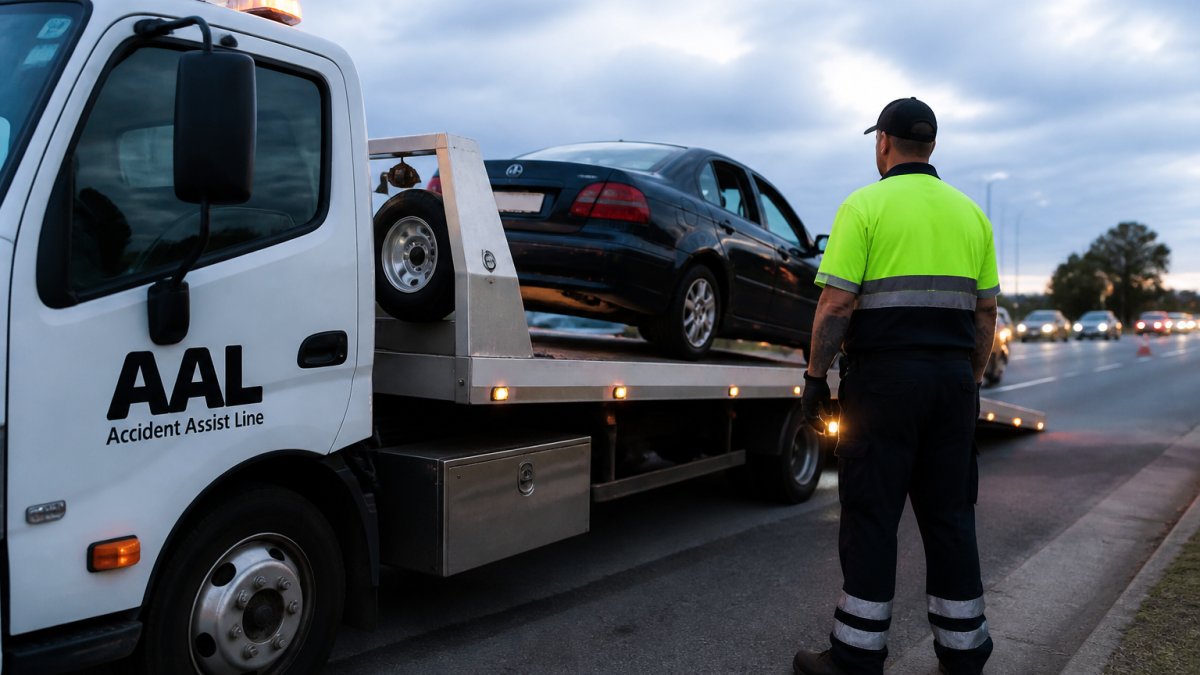
 how-to
Emergency Car Towing Geelong 24/7: What to Do
Table of Contents
- Emergency Car Towing Geelong 24/7: Your First 15 Minutes
- What to Do After a Car Accident in Geelong
- How to Arrange Emergency Car Towing Geelong 24/7
- Where to Tow a Damaged Car After an Accident
- What Happens While You Wait for the Tow Truck
- Insurer and Repairer Coordination After a Car Accident
- Towing Costs, Arrival Times and Service Area Limits
- Frequently Asked Questions
Last Updated: October 4, 2026
Emergency Car Towing Geelong 24/7: Your First 15 Minutes
A car accident can turn a normal drive into a stressful situation in seconds.
What you do in those first few minutes shapes how smoothly the rest goes. Below: what to do, who to call, and what to tell the dispatcher so your tow, repair and insurer coordination run without hold-ups.
Emergency car towing is the rapid dispatch of a tow truck to move a vehicle that cannot be safely driven after a breakdown or collision.
Make the Scene Safe Before You Call Anyone
Safety comes before the phone call. Switch on your hazard lights, check for injuries, and move yourself and passengers away from traffic.
Do not stand between your car and oncoming traffic, and do not attempt repairs on a live road.
If anyone is injured, or if the road is blocked, call emergency services first on Triple Zero (000). Only after that should you arrange towing.
What to Do After a Car Accident in Geelong
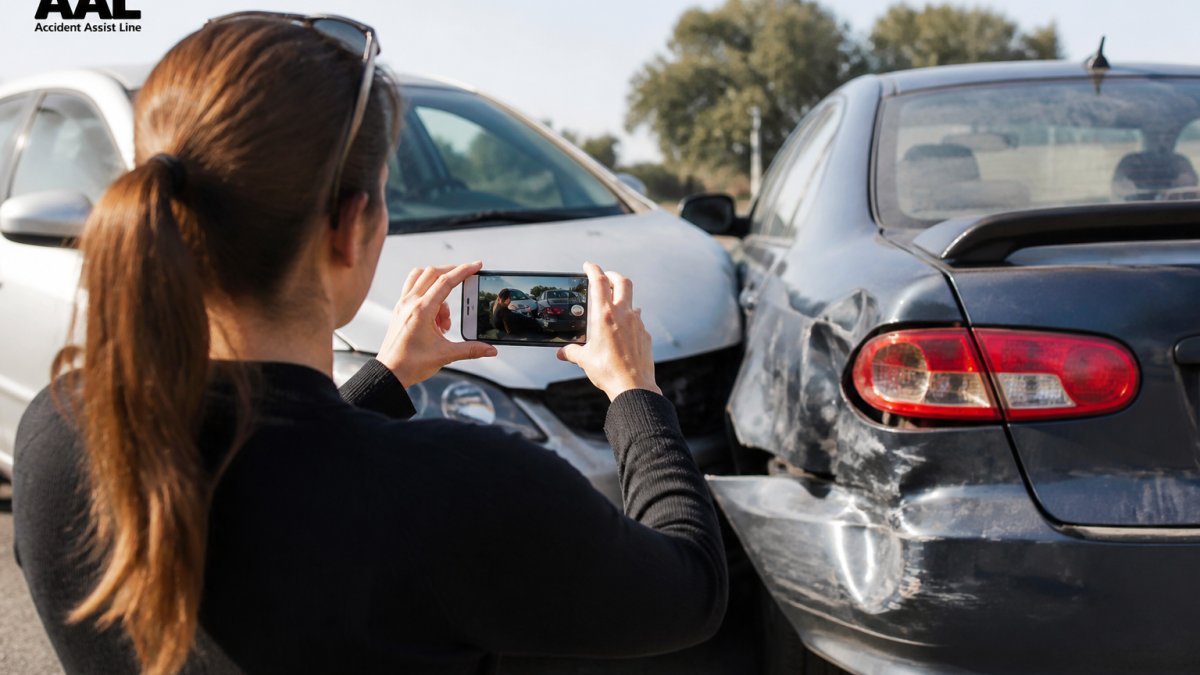
After a crash, your priorities run in order: safety first, then the report, then the tow. Exchange details with other drivers, photograph the scene and damage from several angles, and note the time and location.
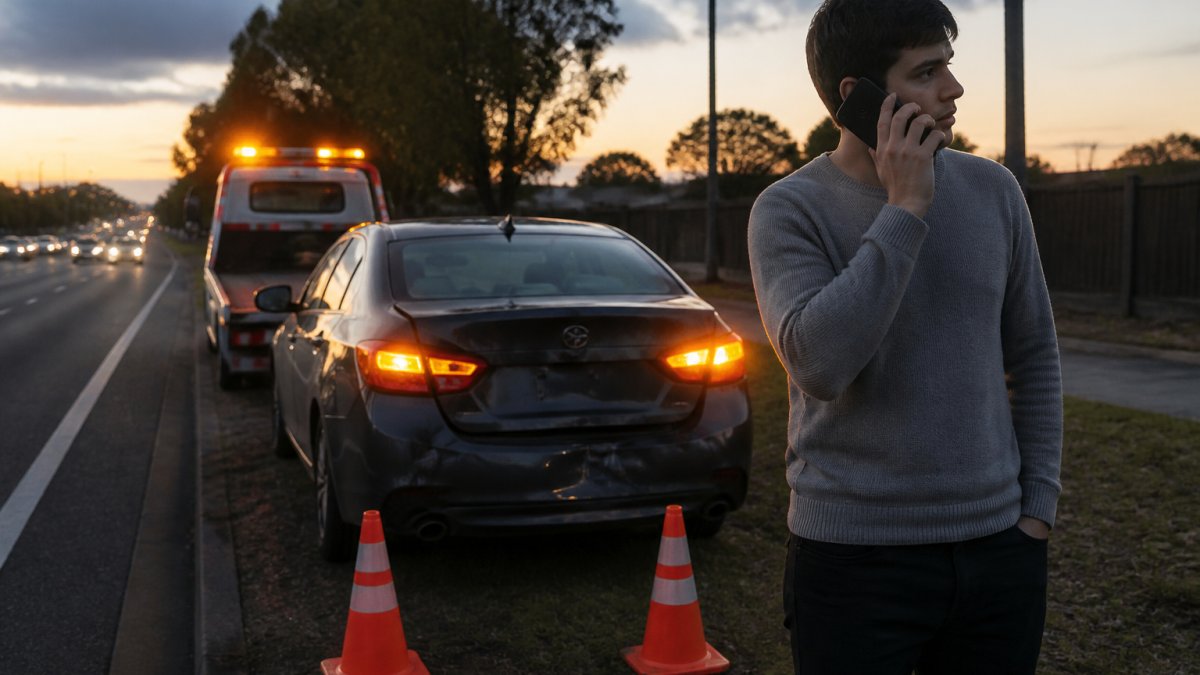
You do not need to decide on a repairer at the roadside, just a tow you can trust and a clear record of what happened.
A common mistake is leaving before details are exchanged, which creates avoidable problems later.
How to Arrange Emergency Car Towing Geelong 24/7
Arranging a tow is simpler than most drivers expect. Call a 24/7 towing service, give the dispatcher your location and situation, and confirm where the vehicle needs to go. A good operator answers with a real person, not a queue.
In Victoria, accident towing in certain areas is managed through an official allocation network, so your call is directed to an available operator.
What to Tell the Dispatcher
Give the dispatcher five things: your exact location, the vehicle type, whether it can be driven, whether anyone is injured, and your preferred tow destination. Add your name and a callback number.
Clear information means the right truck arrives first time. A flatbed may be needed for a low-clearance car, an electric vehicle or an all-wheel-drive; a standard tow can suit many older vehicles.
| What to Give | Why It Matters |
|---|---|
| Exact location | Gets the truck to you without delay |
| Vehicle type | Matches the right tow method and truck |
| Drivable or not | Decides whether a tow is needed at all |
| Injuries on scene | Sets priority and emergency response |
| Tow destination | Confirms where the vehicle is taken |
Where to Tow a Damaged Car After an Accident
Where your car goes after a crash depends on its condition and your cover. Check whether your policy directs repairs to a nominated or partner repairer.
This is where coordination saves time.
If unsure, ask the dispatcher to note your insurer's preferred repairer before the truck leaves, it is far easier to redirect a tow before it starts than after.
What Happens While You Wait for the Tow Truck
Once the call is placed, the waiting period is where most of the risk and confusion sits. Here is the practical sequence.
The first five minutes after you hang up
- Move everyone, including pets, to the safest position: behind a barrier, up an embankment, or well back on the verge. Never on the traffic side.
- Leave hazard lights on. If it is dark, wet or foggy, keep a torch or phone light on you so the operator can see you.
- Do not open the bonnet, jack the car, change a tyre or jump start on a live road.
- Place a warning triangle only where you can do so without stepping into a lane. On a freeway or high-speed road, skip it and stay behind the barrier.
Use the wait to gather what the tow operator and your insurer will ask for
- Photographs from four angles, plus close-ups of damage and road position.
- The other driver's name, licence number, registration, insurer and contact details, if another vehicle was involved.
- Witness names and phone numbers, if anyone stopped.
- Your registration, make, model and odometer reading.
What to expect when the truck arrives
Before loading, confirm three things with the driver: the destination (repairer, holding yard or home), the tow method, and whether the vehicle can be loaded as-is or needs dragging onto the tray.
Ask where your belongings will be during transit, and take anything valuable with you. If you are not travelling in the tow truck, confirm who holds the keys and where they are handed over.
If the wait is extended, heavy traffic, weather or a distant location, call the operator back rather than assuming the job has stalled. A short check-in helps dispatch reprioritise.
Insurer and Repairer Coordination After a Car Accident
Insurer and repairer coordination is the part most drivers find hardest.
Accident Assist Line does not handle, negotiate or settle claims, and we are not a claims advocate. What we do is coordinate: we arrange the tow, book the repair, and liaise with your insurer so you are not chasing updates.
For drivers who work long hours, that single point of contact is the difference between a quick return to the road and weeks of back-and-forth.
Towing Costs, Arrival Times and Service Area Limits
Most towing pages answer this with a single starting figure and no context. A tow is priced on a combination of factors, and understanding how they stack lets you ask the right questions before you authorise anything.
What actually drives the cost
- Call-out or base fee. Covers the truck leaving its depot and arriving at your location, whether the tow is short or long.
- Distance towed. Charged per kilometre from pickup to destination.
- Vehicle type and weight. A hatchback, dual-cab ute, van and commercial vehicle all load differently; heavier vehicles may need a larger truck or different method.
- Time of day. After-hours, weekend and public holiday call-outs commonly attract a higher rate.
Questions to ask before you authorise the tow
- What is the call-out fee, and is it included in the quoted price or added on top?
- What is the per-kilometre rate, and from which point is it measured?
- Is there an after-hours, weekend or public holiday surcharge, and how much?
- Does the quote include unloading at the destination, or is that separate?
- If the destination changes mid-tow, how is that billed?
- What payment methods are accepted, and is payment due on pickup or delivery?
Getting these answered before the truck is dispatched avoids the most common dispute: a final invoice that is higher than the figure quoted on the phone.
Arrival times and what affects them
There is no single response time everywhere, because arrival depends on where the nearest truck is, traffic, weather, and whether your job competes with higher-priority incidents. As a general pattern:
- Built-up areas, trucks are usually closer, so arrival is quicker.
- Outer suburbs and surrounding districts, longer travel distances push arrival times out.
- Peak hour, severe weather or a major incident nearby, dispatch may be stretched and your wait can extend.
- Freeways and high-speed roads, operators often prioritise these because the risk to the stranded driver is higher.
If you are in a genuinely unsafe position, say so on the call. Dispatch can factor that into priority.
Service area limits
A tow truck can only reach you if you are inside its coverage zone. If you are outside it, the operator will refer you on or quote a longer-distance rate. Coverage is a defined local footprint, not a national network.
Accident Assist Line covers Melbourne, Geelong and the Mornington Peninsula, 24 hours a day, 365 days a year, with no call queues.
Insurance, membership and payment considerations
Before you authorise a tow, know how it will be paid for:
- Check your policy. Some comprehensive policies include a towing benefit, often capped by amount or distance. Others leave towing to you and reimburse later, if at all.
- Roadside membership. Check whether towing is included and what distance limit applies. Members are often expected to call the provider first, not a third party.
- Excess and reimbursement. If you pay yourself and intend to seek reimbursement, keep the invoice and job reference. Reimbursement is not automatic and depends on your cover.
- Payment on the day. Many operators require payment at the time of service. Confirm the method before the truck arrives.
Accident Assist Line does not handle, negotiate or settle claims, and is not a claims advocate. What we do is coordinate: arrange the tow, book the repair, and liaise with your insurer so you are not chasing updates.
| Factor | What It Affects |
|---|---|
| Call-out fee | The base charge for the truck attending |
| Distance towed | The per-kilometre component of the invoice |
| Vehicle type and weight | Truck size and tow method required |
| Time of day | Whether an after-hours rate applies |
| Recovery complexity | Extra labour or specialist equipment |
| Destination | Repairer, holding yard or your home |
| Coverage zone | Whether a truck can reach you at all |
For official guidance on what to do at a crash scene, see the Transport Victoria road safety and incident advice. For consumer information on towing and your rights, the Consumer Affairs Victoria towing guidance is a useful reference. If you are unsure how your policy handles a tow, check the Australian Securities and Investments Commission's Moneysmart insurance guidance.
Frequently Asked Questions
What should I do after a car accident if my vehicle cannot be driven?
Move yourself and any passengers to a safe spot away from traffic, switch on your hazard lights and call 000 if anyone is injured. Once everyone is safe, arrange emergency car towing. Tell the dispatcher your exact location, the vehicle type and whether it is blocking a lane. Stay behind the barrier or on the verge until the tow truck arrives, and do not attempt to push or restart a car that will not move safely.
How do I arrange emergency car towing in Geelong?
One phone call to a 24/7 towing service is usually enough. Give the dispatcher your location, the vehicle make and model, whether it is drivable, and your preferred drop-off point. In Victoria, accident tows are allocated through the official accident-towing network, so a service that works within that system can arrange the tow, the repair booking and insurer liaison in a single call rather than you ringing around at 2am.
Can I get a tow truck after a car accident at any time?
Reputable accident towing services operate around the clock, every day of the year, including public holidays. Availability still depends on how many trucks are already dispatched in your area, so response times vary. When you call, ask for an estimated arrival window and confirm the driver has your mobile number so they can reach you if your location is hard to find, such as a freeway shoulder or a dark side street.
Should I contact my insurer before arranging an accident tow?
You can lodge your claim with your insurer at any point, but you do not need to wait for approval before getting your car off the road, particularly if it is unsafe or blocking traffic. A coordination service can arrange the tow through Victoria's accident-towing allocation network and then liaise with your insurer about the repair and assessment. Keep your claim reference handy and check your policy for any conditions on where the vehicle must be taken.
A breakdown or crash rarely happens at a convenient time, and the minutes after it can feel overwhelming. Accident Assist Line gives you one call to a real person, 24/7, with no queues. We arrange your tow through Victoria's official accident-towing allocation network, coordinate the repair, and liaise with your insurer on your behalf, so you can focus on getting home safely. Get started with Accident Assist Line and get back on the road with less stress.