 comparison
Comprehensive vs Third Party Property Damage Explained
Table of Contents
- Comprehensive vs Third Party Property Damage: The Core Difference
- Side-by-Side Comparison Table
- CTP Insurance vs Third Party Property Damage: What's the Difference?
- What Happens After a Car Accident in Victoria: Your Immediate Steps
- Accident Towing and Repair Coordination: How It Works
- Decision Framework: Which Policy Fits Your Situation?
- What Happens If You're the At-Fault Driver?
- Frequently Asked Questions
Last Updated: October 2, 2026
Comprehensive vs Third Party Property Damage: The Core Difference
Comprehensive insurance vs third party property damage comes down to one question: whose car gets repaired when you are at fault? Comprehensive cover protects your vehicle and the property you damage.
The distinction matters most in the minutes after a crash, when you are standing on a roadside deciding who to call. Choosing the wrong policy level years earlier shapes how quickly you get back on the road.
What Comprehensive Cover Actually Pays For
Comprehensive car insurance covers damage to your own vehicle alongside your legal liability for damage you cause to other people's property. It typically responds to collision damage, fire, theft, and storm or flood events, depending on the policy terms.
The practical inclusions most comprehensive policies share:
- Your vehicle repairs after an at-fault accident, up to the insured amount
- Legal liability for damage to other vehicles, fences, or buildings
- Fire and theft cover, which third party policies often exclude
- New vehicle replacement if your car is written off and is under a certain age
- Emergency towing and repairs to get you moving again
A common mistake is assuming comprehensive cover means unlimited protection. Coverage limits, excess amounts, and exclusions apply, and the insurer assesses every claim against the policy's terms.
What Third Party Property Damage Cover Actually Pays For
Third party property damage insurance covers the cost of damage your vehicle causes to other people's property. It does not pay to repair your own car, even when the accident is not your fault.
What it typically covers:
- Damage to another person's vehicle after you are the at-fault driver
- Damage to property such as fences, garages, or shopfronts
- Legal liability for those property costs, up to the policy's coverage limits
Some policies add limited cover if an uninsured driver damages your car, but this is not standard. The core purpose is protection against a large liability bill you would otherwise pay yourself.
Side-by-Side Comparison Table
The table below summarises what each policy type covers.
| Feature | Comprehensive | Third Party Property Damage |
|---|---|---|
| Your vehicle repairs (at-fault) | Covered | Not covered |
| Other party's property damage | Covered | Covered |
| Fire and theft | Usually covered | Usually excluded |
| New vehicle replacement | Often included | Not included |
| Legal liability protection | Included | Included |
| Typical premium level | Higher | Lower |
| Best for | Newer or financed vehicles | Older, lower-value vehicles |
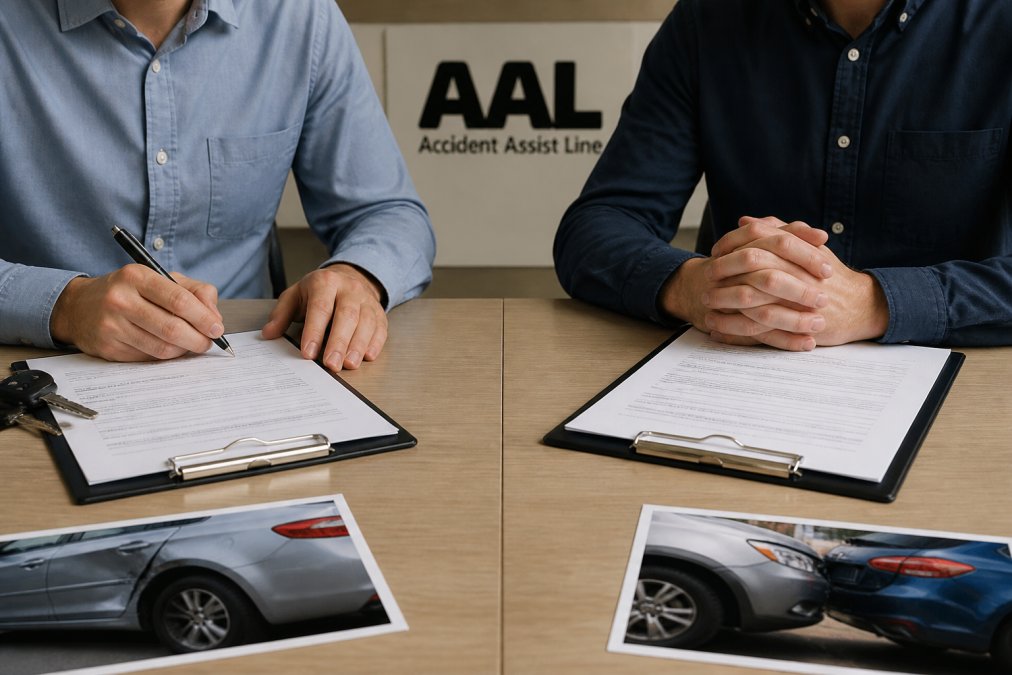
The biggest difference sits in row one: comprehensive cover repairs your car, third party property damage cover does not.
CTP Insurance vs Third Party Property Damage: What's the Difference?
Compulsory third party insurance and third party property damage cover two entirely different risks, and confusing them is a common mistake.
Compulsory third party insurance is the cover built into your vehicle registration.
Third party property damage insurance is a separate, optional policy you buy. It covers damage to other people's vehicles and property.
Here is the practical split:
- CTP handles personal injury claims from a crash
- Third party property damage handles property damage claims
- Neither one repairs your own car
Many drivers assume their registration covers them fully. It covers injuries, not the other driver's bonnet.
What Happens After a Car Accident in Victoria: Your Immediate Steps
Victoria's accident towing rules work differently from most other places, and knowing the process before you need it saves stress.
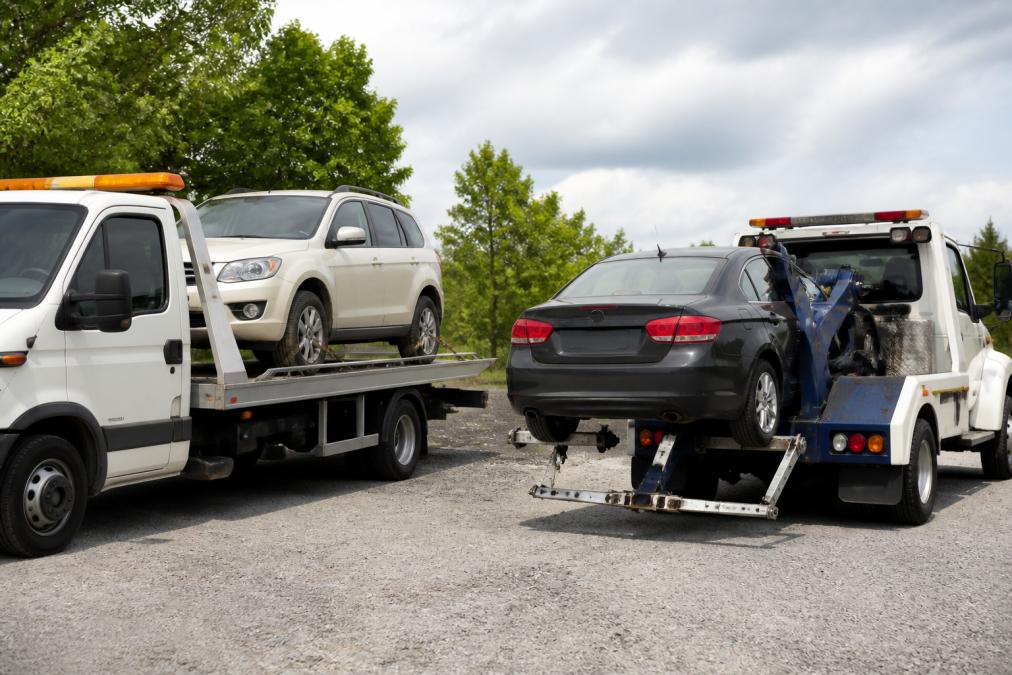
Under the Victorian accident towing allocation system, tow trucks are dispatched through an official roster in certain areas rather than you simply calling any operator. This exists to prevent tow operators from pressuring drivers at the scene.
Your immediate steps after a collision:
- Stop and check everyone for injuries. Call emergency services if anyone is hurt.
- Move to a safe spot and switch on your hazard lights.
- Exchange details with the other driver: name, address, licence, and registration.
- Photograph the damage, the road position, and any relevant signage.
- Report the accident to police if someone is injured or a vehicle is towed.
- Contact your insurer, or a coordination service, to arrange the tow and repair.
A common mistake is accepting a tow from whoever arrives first without confirming they are on the official roster. That can complicate your insurance and leave you with a repairer you did not choose.
Accident Towing and Repair Coordination: How It Works
Accident towing and repair coordination means arranging your vehicle's tow, managing the repair booking, and liaising with your insurer so you are not bouncing between phone numbers while stressed.
This is where Accident Assist Line operates. One call connects you to a real person, 24/7, with no call queues. We arrange your tow through Victoria's official accident-towing allocation network, coordinate the repair, and liaise with your insurer throughout the process.
For drivers in Melbourne, Geelong, and the Mornington Peninsula, that means a single point of contact instead of chasing updates while your car sits on a roadside. (Source: the Insurance Council of Australia)
Decision Framework: Which Policy Fits Your Situation?
The right policy depends on your vehicle's value, your finances, and how much risk you can absorb. There is no single correct answer, but there is a logical way to reach yours.
The Break-Even Calculation
The core question is simple: over a year, does the comprehensive premium cost more than the financial risk you are carrying by dropping to third party property damage?
Work through this:
- Find your car's market value. Check a used-car valuation guide for your make, model, year, and kilometres.
- Get a comprehensive quote for your situation.
- Compare the annual premium to the market value. If the premium is a large fraction of the car's value, the case for comprehensive weakens.
- Ask what a write-off would cost you. If losing the car outright would cause real financial strain, comprehensive cover is the safer choice regardless of the ratio.
A common pattern: once a vehicle's market value falls below a level where a write-off would not cause genuine hardship, many drivers move to third party property damage and bank the premium difference.
Market Value vs Agreed Value
Two concepts decide what you would actually receive at claim time:
- Market value is what your car would sell for today, based on age, condition, and kilometres driven. It is cheaper but can leave a gap if used-car prices shift between the time you take out the policy and the time you claim.
- Agreed value is a fixed amount you and your insurer settle on at the start of the policy. It usually costs more but removes the guesswork at claim time.
If your car is financed, the lender will typically require comprehensive cover and may specify a minimum insured amount. Check your finance contract before changing policy levels.
The No Claim Bonus Trade-Off
Your no claim bonus is a discount that builds each year you do not make a claim, and it can meaningfully change the long-term cost of your policy.
A small repair you pay for yourself might preserve a no claim bonus worth more over several years than the repair cost.
This matters more for third party property damage policyholders than many realise.
A Quick Decision Guide
- Could you afford to replace your car outright if it were written off tomorrow? If not, comprehensive cover is the safer choice.
- Is your car worth less than a year of comprehensive premiums? Third party property damage may make more financial sense.
- Is the vehicle financed or leased? Lenders almost always require comprehensive cover.
- Do you drive in heavy traffic or long distances? Higher exposure raises the value of full cover.
- Do you have savings to absorb a write-off? If yes, self-insuring your own vehicle becomes viable.
Before switching from comprehensive to third party property damage, get a fresh quote for both and compare the annual difference against your car's market value. If the premium saving would rebuild your car fund within a few years, the switch may be worth it. If not, comprehensive cover is doing real work for you.
What Happens If You're the At-Fault Driver?
Being the at-fault driver means your insurer, or you personally, becomes responsible for the other party's property damage. What happens next depends on which policy you hold.
The Comprehensive Path
With comprehensive cover, you lodge a claim with your insurer. The insurer assesses the damage to both vehicles, applies your excess, and arranges repairs to your car and the other party's property.
A common pattern is that the other driver's insurer contacts you directly to recover their costs. With comprehensive cover, you forward that correspondence to your insurer, who coordinates the liability response on your behalf.
The Third Party Property Damage Path
With third party property damage cover, your insurer pays for the other driver's property damage up to your policy limit, subject to your excess. Your own repair bill is entirely yours. If your car is worth a few thousand dollars and the repair quote exceeds that, the financial logic of the policy becomes clear very quickly.
The Uninsured Path
If you are uninsured, you carry the full liability yourself. The other party, or their insurer, can pursue you for their repair costs, escalating to a letter of demand and, in some cases, formal recovery action through the courts.
What the Claims Process Actually Looks Like
Competitors rarely walk through the friction. Here is the practical sequence for each policy type:
Comprehensive claim:
- Lodge the claim with your insurer (online or by phone).
- Insurer arranges assessment of your vehicle.
- Insurer arranges repairs or writes the vehicle off and pays you the agreed or market value, minus excess.
- Insurer coordinates the other party's property damage claim.
- You pay your excess, and your no claim bonus may be affected.
Third party property damage claim:
- Lodge the claim with your insurer.
- Insurer assesses the other party's damage.
- Insurer pays the other party up to your policy limit, minus your excess.
- You arrange and pay for your own repairs separately.
- Your no claim bonus may still be affected, even though your car was not repaired.
That last point catches many drivers out. Choosing third party property damage does not protect your no claim bonus if you are at fault, the bonus is tied to your claims history, not to whether your own car was repaired.
If you are at fault and uninsured, the other party's insurer can pursue you personally for the full cost of their repairs. That liability does not disappear because your own car was also damaged, and it does not reduce because you cannot afford it.
The at-fault scenario separates these two policies most sharply. Comprehensive cover absorbs both sides of the accident and gives you an insurer to coordinate the liability response. Third party property damage cover absorbs only the other driver's side, leaves your own repair bill with you, and can still affect your no claim bonus.
Frequently Asked Questions
Is it better to have comprehensive or third party property damage insurance?
It depends on your car's value and your budget. Comprehensive cover protects your own vehicle as well as third party property, making it the better choice if your car is worth repairing or replacing. Third party property damage is cheaper but only covers damage you cause to others. If your car is older and low in value, the lower premium may outweigh the benefit of insuring your own vehicle.
What does third party property damage actually cover?
Third party property damage covers the cost of repairs to another person's vehicle or property when you are the at-fault driver. It does not cover damage to your own car in most scenarios, though some policies include limited cover if an uninsured driver hits you. It also does not cover personal injury, which falls under compulsory third party schemes.
What is the difference between CTP and third party property damage?
Compulsory third party insurance covers personal injury to other people in an accident and is required with vehicle registration. Third party property damage covers damage to other people's vehicles or property and is optional. They serve different purposes: CTP handles injuries, while third party property damage handles property costs. You need both types of protection for full liability cover.
Does third party property damage cover my own car if I am at fault?
No. If you are at fault in an accident, third party property damage does not cover repairs to your own vehicle. You would pay for those repairs out of pocket. Some policies include limited cover for your car if the at-fault driver is uninsured, but this varies by insurer and is usually capped. Always check the product disclosure statement for specific inclusions.
Is comprehensive insurance mandatory in Victoria?
No. Comprehensive insurance is not mandatory in Victoria. Only compulsory third party insurance, which covers personal injury, is required as part of your vehicle registration. You can legally drive with third party property damage cover alone. However, without comprehensive cover, you bear the full cost of repairing or replacing your own vehicle after an accident.