 comparison
Not at Fault vs At Fault Claim: Key Differences (2026)
Table of Contents
- Not at Fault Claim vs At Fault Claim: The Core Differences
- Insurance Excess Explained: What You Pay on Each Claim
- No Claim Bonus Protection: Why Fault Changes Everything
- What to Do After a Car Accident in Victoria: A Step-by-Step Checklist
- The Grey Area of Shared Fault and Contributory Negligence
- Insurance Premium Myths and the At-Fault Driver's Insurer
- Disputes and the Role of the Insurance Ombudsman (AFCA)
- Conclusion: Making the Right Call After a Crash
- Frequently Asked Questions
Last Updated: September 25, 2026
Not at Fault Claim vs At Fault Claim: The Core Differences
The difference between a not at fault claim vs at fault claim comes down to who caused the collision, and that question decides your excess, your no claim bonus, and who pays for repairs.
Insurance Excess Explained: What You Pay on Each Claim
Your insurance excess is the amount you contribute toward a claim before your insurer covers the rest, and it applies differently depending on fault. On an at fault claim, you pay your excess. On a not at fault claim where the other driver is identified and their insurer accepts liability, you generally pay nothing.
The practical split looks like this:
| Claim type | Who pays your excess | Who covers repairs |
|---|---|---|
| At fault | You | Your insurer |
| Not at fault, other driver identified and liability accepted | Usually nobody | Other driver's insurer |
| Not at fault, other driver identified but liability disputed | You upfront, refunded if you are cleared | Your insurer, then recovered from the other insurer |
| Not at fault, other driver unknown or uninsured | You (unless you hold cover for this) | Your insurer, if covered |
| Shared fault | Often split in proportion to liability, or partially refunded | Both insurers negotiate |
Excess waiver versus excess refund
These are two different mechanisms, and confusing them costs drivers money.
What changes the excess outcome
Three factors decide whether you pay anything:
- Whether the other driver is identified. An unidentified driver, a hit-and-run, or a car park scrape with no witness, usually means you carry the excess unless your policy specifically covers unidentified drivers.
- Whether the other driver is insured. If they are uninsured, your insurer may still cover your repairs under your own policy, but the excess treatment depends on your product disclosure statement and whether you can identify the at-fault party.
- Whether liability is accepted. Acceptance can take days or weeks. Until it is confirmed in writing, treat the excess as payable and plan for it.
A worked example
A common pattern is a rear-end collision at a give-way intersection. You are stationary, the other driver fails to stop, and their insurer accepts liability within a week. Most comprehensive policies then waive the excess entirely, and your no claim bonus is untouched.
No Claim Bonus Protection: Why Fault Changes Everything
No claim bonus protection shields the discount you have built on your premium, and it only holds if the claim is not your fault. A no claim bonus is a discount insurers apply for each claim-free year, and losing it can push your next renewal higher.
What to Do After a Car Accident in Victoria: A Step-by-Step Checklist
What you do after a car accident in Victoria shapes whether your claim is treated as not at fault or at fault, so work through these steps in order.
- Stop and check for injuries. Call emergency services if anyone is hurt.
- Move vehicles out of traffic if safe, and turn on hazard lights.
- Call police if anyone is injured, a driver fails to exchange details, or the incident involves drugs or alcohol.
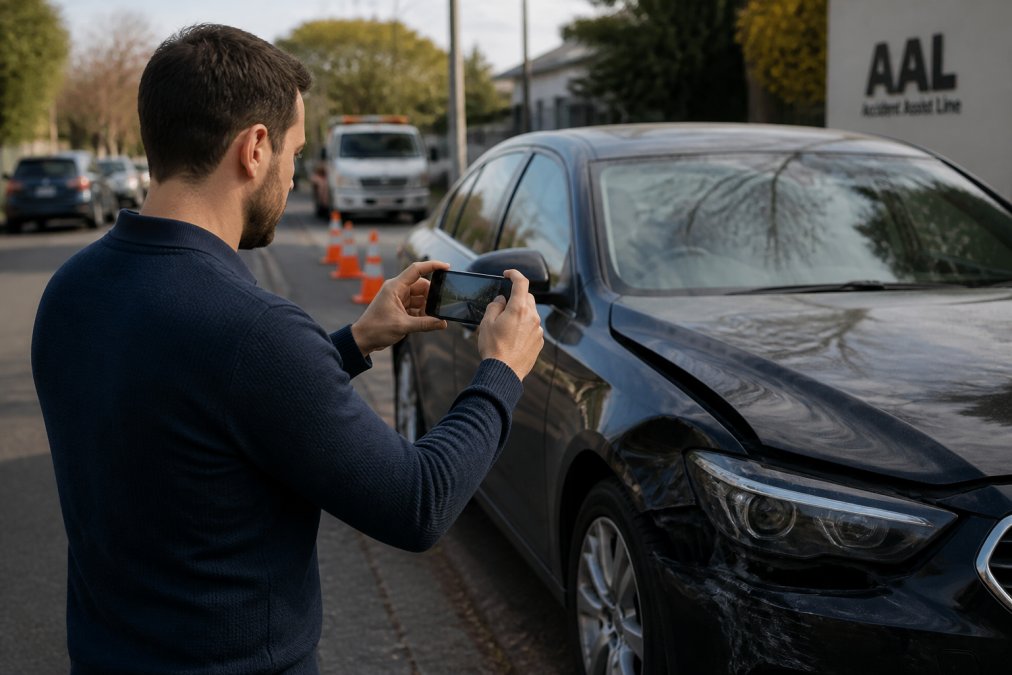
- Photograph everything before vehicles move: positions, damage, road markings, traffic signals.
- Exchange details with the other driver.
- Note the time, location, weather, and road conditions.
- Report the incident to your insurer as soon as practical.
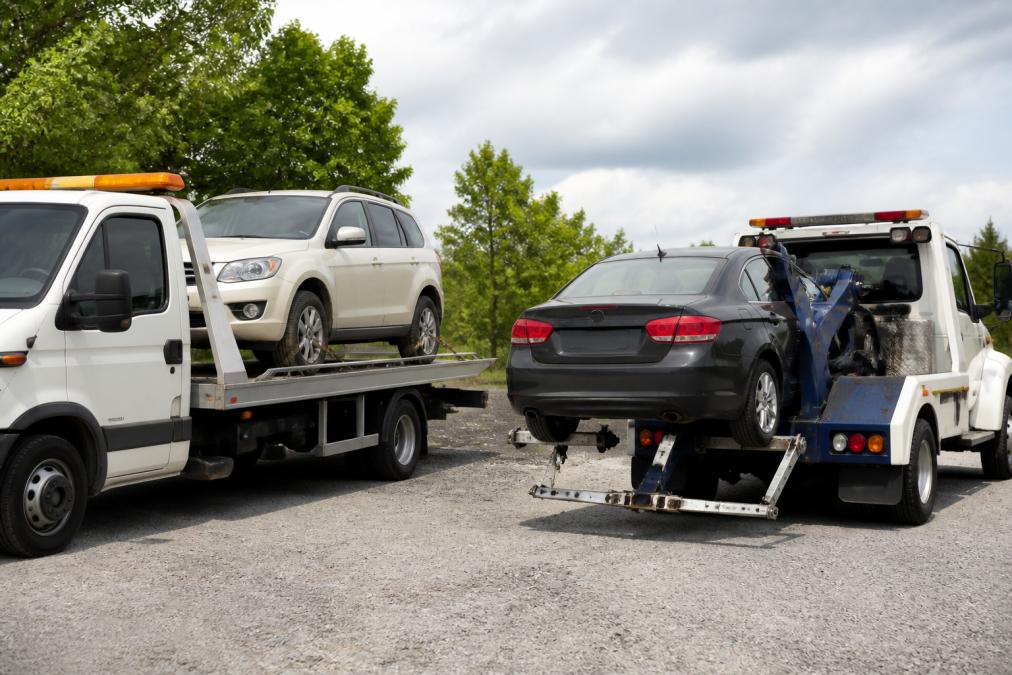
- Arrange a tow through the official accident-towing allocation network if your vehicle cannot be driven.
Collecting Evidence at the Scene
Evidence is what turns your version of events into an accepted liability determination. Photograph the position of both vehicles before they are moved, then capture close-ups of damage from multiple angles.
Information to Exchange with the Other Driver
Collect the other driver's full name, address, phone number, licence number, registration details, and insurer name and policy number. Note the make, model, and colour of their vehicle.
The Grey Area of Shared Fault and Contributory Negligence
Shared fault, known as contributory negligence, is where both drivers contributed to the crash, and it is far more common than most drivers expect. Insurers may apportion liability, for example 70/30, and each party's payout adjusts accordingly.
How apportionment actually works
Contributory negligence is not a yes-or-no question. It is a percentage. Insurers assess the facts against road rules and case precedent, then assign each driver a share of responsibility. Common splits include 70/30, 80/20, and 50/50, though any proportion is possible.
The percentage flows through to three things:
- Your repair payout. If you are 30 per cent at fault, you may recover 70 per cent of your losses from the other insurer, and your own insurer covers the rest subject to your policy.
- Your excess. Where liability is split, your excess may be partially refunded rather than waived, in proportion to the other driver's share of fault.
- Your no claim bonus. A shared-fault claim is often treated as a claim against your policy, which can affect your bonus even though you were not wholly responsible.
Scenarios where shared fault commonly arises
- Rear-end with sudden braking. The following driver is usually presumed at fault, but if the lead driver braked without cause or had faulty brake lights, liability can shift.
- Lane change into a speeding vehicle. The changing driver failed to give way, but the other driver's speed may reduce their share.
- Roundabout collisions. Failure to give way to a vehicle already in the roundabout is the usual starting point, but indicators and entry speed can change the split.
- Car park collisions. Without witnesses or footage, insurers often default to a 50/50 split because fault cannot be established either way.
- Failure to wear a seatbelt or helmet. This can reduce your payout even where the other driver caused the crash, because your own conduct contributed to the severity of your injuries.
Challenging an apportionment you disagree with
If you believe the split is wrong, you can challenge it, but you need evidence, not argument. The practical steps are:
- Request the liability decision in writing. Ask your insurer to set out the apportionment and the reasons for it.
- Submit your evidence. Dashcam footage, scene photographs, witness statements, and any police report are the levers that move a decision.
- Escalate internally. Every insurer has an internal dispute resolution process. Use it before going further.
- Escalate externally. If internal review does not resolve it, the Australian Financial Complaints Authority (AFCA) can review the decision. AFCA is free for consumers and can make a binding decision on the insurer.
Why this matters more than the binary question
Most content frames the issue as at fault versus not at fault. In practice, a large share of real-world collisions sit somewhere in between. Understanding contributory negligence before you lodge a claim puts you in a stronger position to question an apportionment, gather the right evidence, and avoid accepting a split that does not reflect what happened.
Insurance Premium Myths and the At-Fault Driver's Insurer
A common myth is that any not at fault claim automatically raises your premium. In practice, insurers price risk based on fault, claim history, and your overall profile, so a clear not at fault claim with the other driver's liability accepted often has little effect.
Disputes and the Role of the Insurance Ombudsman (AFCA)
If you disagree with a claim outcome, you have a formal pathway. The Australian Financial Complaints Authority (AFCA) is the independent external dispute resolution scheme for insurance complaints, and it is free for consumers.
Conclusion: Making the Right Call After a Crash
The gap between a not at fault claim and an at fault claim is decided in the first hour, long before any insurer picks up the file. Evidence, not opinion, settles liability, and the driver who documents the scene properly holds the stronger position.
Frequently Asked Questions
What is the difference between a fault claim and a non-fault claim?
A fault claim means you caused the accident, so your insurer covers the damage and you normally pay your excess, with your no claim bonus at risk. A not at fault claim means another driver caused it, so you generally do not pay an excess, your no claim bonus stays protected, and the at-fault driver's insurer is pursued for costs. The key difference lies in liability, excess and premium impact.
Does a not at fault claim affect your insurance?
In most cases, a not at fault claim does not affect your insurance premium or no claim bonus, because you were not responsible for the incident. However, your insurer still records the claim on your history, and some policies ask you to disclose it at renewal. If fault is disputed or shared, the outcome can change, so keep all evidence and check your Product Disclosure Statement.
What evidence is required to prove you are not at fault in Victoria?
You should gather photos of vehicle damage and the accident scene, dashcam footage, witness statements with contact details, a police report if attended, and the other driver's registration and licence details. In Victoria, a collision report may be required for certain incidents. This evidence supports liability determination and helps your insurer with subrogation.
Does a not at fault accident count as a claim on your insurance history?
Yes, a not at fault accident is still recorded as a claim on your insurance history, even though it should not affect your no claim bonus or premium. Insurers use this history to assess risk at renewal. If you later switch insurers, you may need to disclose it. Keeping documentation of the not at fault determination helps if questions arise.
What happens to your excess in a not at fault claim?
In a not at fault claim, you usually do not pay your excess, provided you can identify the at-fault driver and your insurer accepts liability. If the at-fault driver is unidentified or uninsured, you may need to pay your excess to proceed with repairs, though some policies allow a refund once the other party is found. Check your policy for specific excess waiver conditions.