 how-to
How to Arrange Towing After an Accident: A Step-by-Step Guide
Table of Contents
- How to Arrange Towing After an Accident: The First 30 Minutes
- What to Do Before Your Car Is Towed
- Who Chooses the Tow Truck? Allocation Rules and Your Rights
- Where to Tow a Car After an Accident
- What to Do When Your Car Is Towed After an Accident
- The Insurance and Repair Handoff: What Happens Next
- Common Mistakes to Avoid When Arranging a Tow
- Conclusion
- Frequently Asked Questions
Last Updated: October 9, 2026
How to Arrange Towing After an Accident: The First 30 Minutes
Knowing how to arrange towing after an accident starts with one rule: safety first, paperwork second. This guide from Accident Assist Line walks you through the first half hour, step by step, so you can get off the road and back to your day.
The first 30 minutes after a crash set the tone for everything that follows. Get them right and the tow, the repair and the insurance handoff all run smoother. Get them wrong and you can end up with surprise fees or a car sitting in storage longer than it should.
Here is the order we recommend:
- Check for injuries and call triple zero (000) if anyone is hurt
- Move to a safe spot and turn on your hazard lights
- Call police if anyone is injured or a driver has left the scene
- Swap details with the other driver
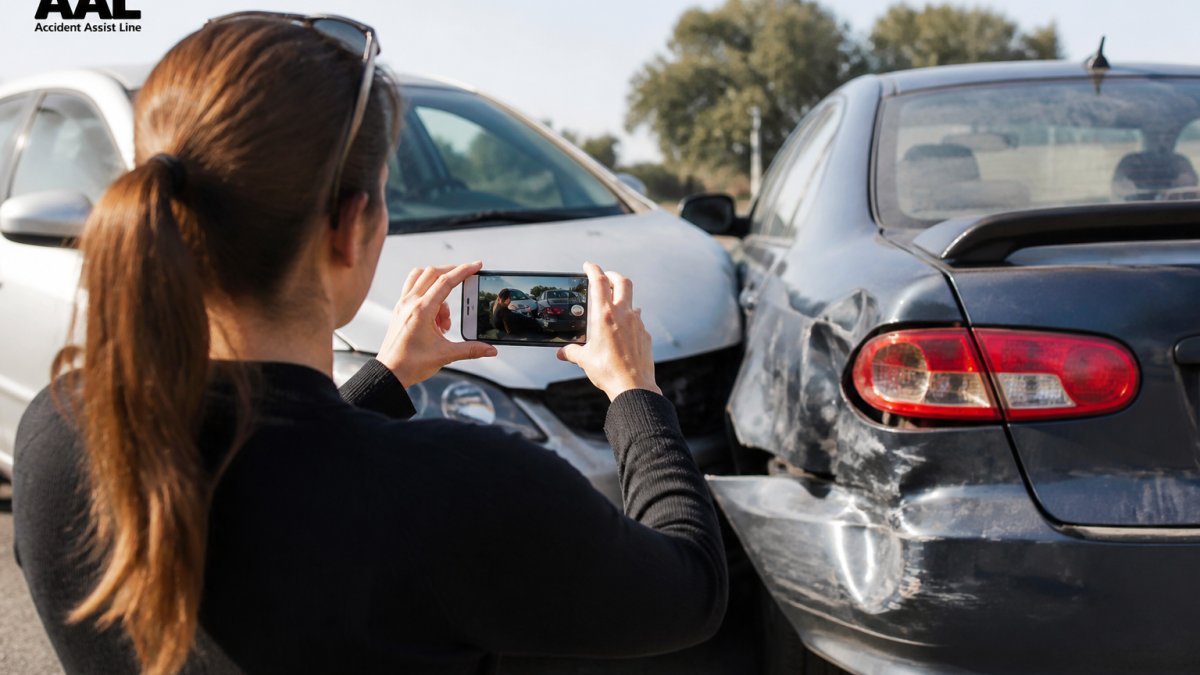
- Photograph the scene before anything moves
- Call for a tow only once the scene is safe
Check for Injuries and Call Emergency Services
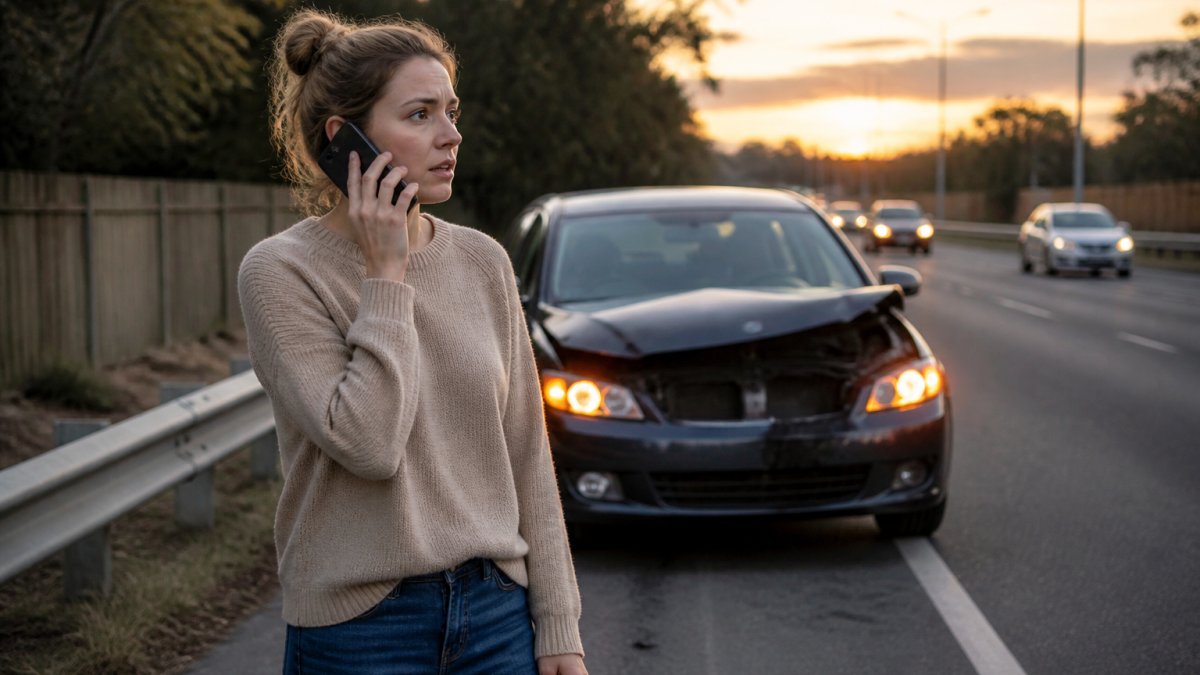
Check everyone involved for injuries before you do anything else. Call triple zero (000) if anyone is hurt, trapped, or unconscious. Do not move a seriously injured person unless they are in immediate danger.
Even if everyone feels fine, shock can mask pain. Watch for dizziness, confusion, or numbness. If any of these show up, call for help.
Make the Scene Safe and Report to Police
Turn on your hazard lights and move your car off the road if it still drives. If it cannot move, stay clear of traffic and warn other drivers if it is safe to do so.
You must report the crash to police if anyone is injured, a driver fails to stop, or a vehicle needs towing. For non-urgent reports, use the Police Assistance Line on 131 444. For emergencies, call 000.
What to Do Before Your Car Is Towed
Before you agree to a tow, gather the basics. This protects you if there is a dispute later about damage or fault.
Here is what to collect at the scene:
- Names, phone numbers and licence details of all drivers
- Registration numbers and insurers of all vehicles
- Photos of every car from multiple angles
- Photos of the road, skid marks, and any traffic signs
- Names and contacts of any witnesses
Do not admit fault, even casually. Fault is decided later by insurers, not at the roadside.
The Tow Authority Checklist: What to Verify Before You Sign
A tow authority is the form that lets a tow operator move your car and take it to a yard or repairer. Sign it only after you check these points:
- The operator's name and company are printed clearly
- The destination address is written down, not left blank
- The stated reason for the tow matches what happened
- Any storage or after-hours fees are written on the form
- You have a copy before the truck leaves
- The tow is authorised, not just "arranged" verbally
Who Chooses the Tow Truck? Allocation Rules and Your Rights
This is the part of the process that surprises drivers most: in many cases, you do not get to choose the tow truck. The system chooses it for you.
How the rostered allocation system works
In the Melbourne metropolitan area, accident towing operates under a rostered allocation scheme administered by the state roads authority. When you call for a tow after a crash, your call is routed to an allocation centre rather than to a tow company directly. The centre dispatches the next tow truck on the roster for that zone.
The practical consequences:
- You cannot request a specific company if you are inside a rostered zone
- The allocated operator is the one legally permitted to tow from that scene
- The roster rotates, so the company that arrives is determined by position in the queue, not by who you called
- The operator must display identification and produce a tow authority before moving your vehicle
If a tow operator arrives unrequested and pressures you to sign, that is a red flag. In a rostered zone, only the allocated truck should be attending.
What you are entitled to ask before the truck moves
Allocation does not remove your rights. Before you sign anything or let the truck hook up, you can ask:
- Which company has been allocated, and the driver's name and licence number
- The exact destination address, written on the authority, not stated verbally
- Whether the destination is a holding yard or a repairer
- The storage rate that will apply once the car is in the yard
- Whether the tow is being charged to you or to an insurer
If the driver cannot or will not answer these, do not sign. Ask them to call their dispatch and confirm in writing.
Outside the rostered zones
Rostered allocation does not apply everywhere. In regional and outer areas, and in some non-metropolitan zones, the rules differ, you may be free to call a tow operator of your choice, or a different allocation arrangement may apply.
If you are unsure which system covers your location, ask the operator directly: "Is this a rostered zone, and are you the allocated truck?" A legitimate operator will answer without hesitation.
When you can choose your own provider
There are situations where you retain choice:
- The vehicle is on private property and not blocking a public road
- You are outside a rostered zone
- Your insurer has a preferred provider and the vehicle is being towed to an assessment centre rather than cleared from the scene
- The allocated operator cannot attend within a reasonable time and releases the job
If your insurer has a preferred tow provider, tell the allocation centre or the attending operator as early as possible. It is far easier to redirect a tow before the truck leaves the scene than to move the car again from a holding yard.
Where to Tow a Car After an Accident
Where your car goes depends on its condition and your insurer's rules.
Common destinations include:
- A repairer approved by your insurer
- A holding yard for assessment
- Your home, if the car is drivable and safe
- A dealership for newer or specialised vehicles
If your car is not drivable, it usually goes to a holding yard first. From there, it is assessed and then moved to a repairer. Ask the operator to confirm the destination in writing before the truck leaves.
What to Do When Your Car Is Towed After an Accident
Once your car is towed, your job shifts from the roadside to the phone. Call your insurer as soon as you can and tell them where the car has been taken.
Then:
- Get the tow receipt and the yard's contact details
- Ask the yard for their daily storage rate in writing
- Confirm who is responsible for the storage fees
- Ask how long the car can stay before fees start adding up
Avoiding Unexpected Storage and Secondary Towing Charges
Storage fees are the most common surprise after a crash. A car can sit in a yard for days while an insurer assesses it, and those days add up.
To avoid surprise charges:
- Ask for the daily storage rate before you agree to the tow
- Confirm who pays if the car sits for a week
- Push your insurer to assess the car quickly
- Ask whether a second tow to a repairer will cost extra
If the car is moved a second time, from yard to repairer, that is a secondary tow. Ask upfront whether it is covered.
The Insurance and Repair Handoff: What Happens Next
After the tow, the process moves to your insurer and a repairer. You will usually need to:
- Lodge your claim with your insurer
- Provide photos, driver details and the police report number
- Wait for the car to be assessed
- Approve the repair quote
- Arrange a hire car if your policy covers it
- Collect the car once repairs are done
This is the part where most people feel stuck. Calls go back and forth between the insurer, the yard and the repairer. Accident Assist Line coordinates this handoff for drivers in Melbourne, Geelong and the Mornington Peninsula, so you have one point of contact instead of three.
Common Mistakes to Avoid When Arranging a Tow
The same errors come up again and again. Avoid these and the whole process runs smoother.
- Signing a tow authority without reading it
- Leaving the destination blank
- Not asking about storage fees
- Forgetting to photograph the scene
- Admitting fault at the roadside
- Failing to report the crash to police when required
- Letting the car sit in a yard for days without pushing the insurer
Conclusion
A crash is stressful enough without chasing tow trucks, yards and insurers on your own. The steps above give you a clear path from the roadside to the repairer.
Accident Assist Line arranges your tow through Victoria's official accident-towing allocation network, coordinates the repair, and liaises with your insurer on your behalf. One call connects you to a real person, 24/7, with no call queues.
Request my tow and let us take the coordination off your hands.
Frequently Asked Questions
How do I arrange a tow after a car accident?
First, check for injuries and call emergency services if needed. Once safe, contact a licensed towing provider or your insurer. In Victoria, accident towing is managed through an official allocation network. A service like Accident Assist Line can arrange the tow through this network, coordinate the repair, and liaise with your insurer, so you have one point of contact. Have your location, vehicle details, and insurance information ready before you call.
Can I choose where my car is towed after a crash?
It depends on the situation. If your car is drivable and safe, you can often arrange your own tow to a repairer of your choice. If it is unroadworthy or blocking traffic, police may direct it to a holding yard. In Victoria, the allocation system may assign the first available tow truck. You always have the right to ask where your vehicle is being taken and to request a preferred repairer if circumstances allow.
What should I remove from my car before it is towed?
Take all personal belongings, including phones, wallets, bags, and any valuables. Remove your toll tag, dash cam, and any removable accessories. If you have a child seat, take it with you. Also, check for any items in the boot you may need. Once the car is in a holding yard or repairer, retrieving items can be difficult and may incur a fee. It is best to clear everything at the scene.
Should I contact my insurer before arranging a tow?
Contact your insurer as soon as possible to report the accident, but you do not always need to wait for their approval to arrange a tow, especially if your car is unsafe. Many insurers have preferred towing providers. If you use a service like Accident Assist Line, they can liaise with your insurer on your behalf, ensuring the tow and repair are coordinated. Always confirm your policy's towing coverage to avoid unexpected costs.