 how-to
Exchange Details After a Car Crash: Step-by-Step
Table of Contents
- Why Exchanging Details After a Car Crash Matters
- What Details to Exchange After a Car Crash
- Collecting Evidence at a Car Crash Scene
- Reporting a Car Accident to Victoria Police
- What to Do After a Minor Car Accident
- If the Other Driver Refuses or Leaves the Scene
- Your Next Steps: Insurance and Repair
- Frequently Asked Questions
Last Updated: September 21, 2026
Why Exchanging Details After a Car Crash Matters
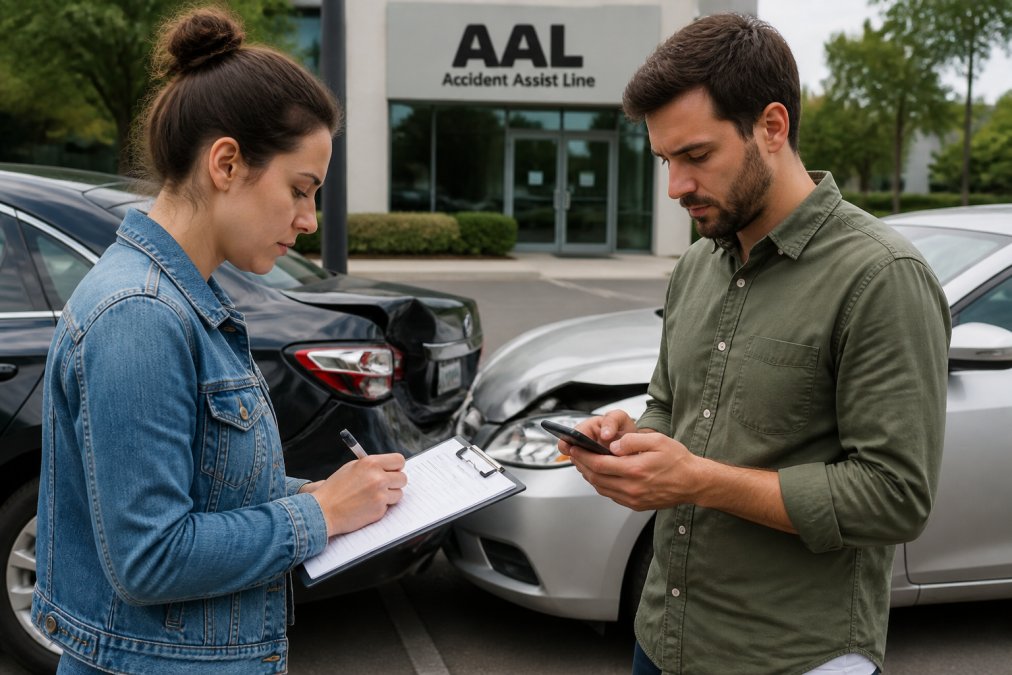
The first few minutes after a car crash are chaotic. Your heart is racing. You're checking for injuries. But one thing matters more than you might think: to exchange details car crash with the other driver.
Without proper information exchange, you're stuck. You can't file an insurance claim. You can't prove who caused the accident. You can't recover costs for repairs or medical treatment. The longer you wait, the harder it gets to track down the other driver later.
This is where most people make mistakes. They're shaken up and skip crucial steps. They forget to ask for insurance details. They don't write down the vehicle registration number. They leave without witness contact information.
The good news: exchanging details after a car crash is straightforward once you know what to do. We'll walk you through exactly what information to collect, how to document the scene, and what happens next.
What Details to Exchange After a Car Crash
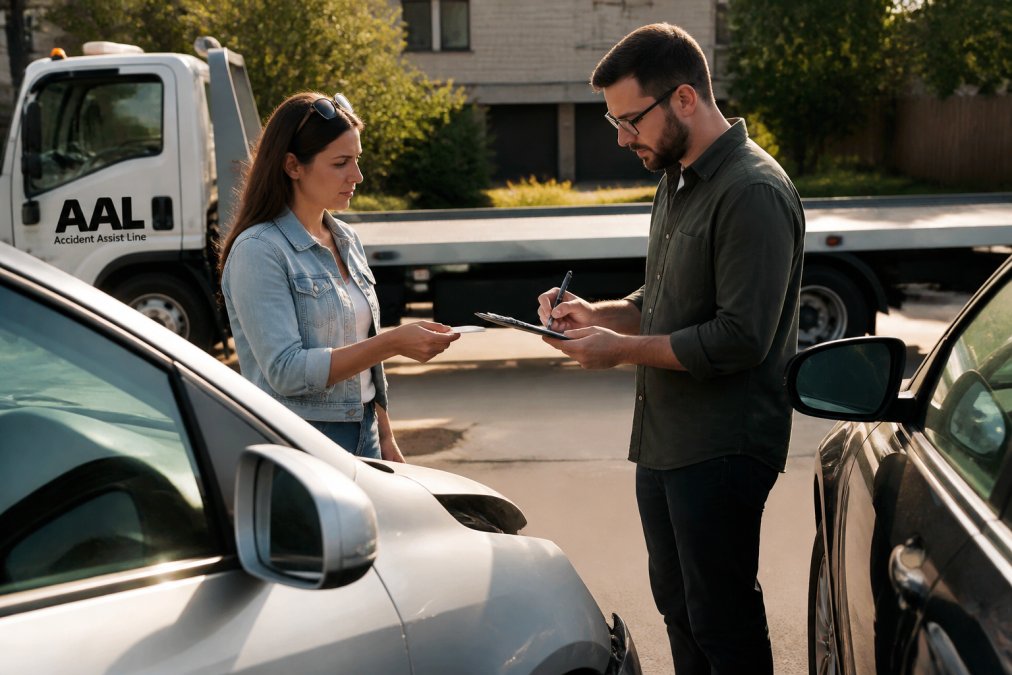
When you exchange details car crash, you need specific information from the other driver. This isn't optional, it's essential for your insurance claim and any legal proceedings.
Driver identification
Get the other driver's full name, phone number, and email address. Ask for their driver's licence and check the details match what they tell you. Write down their licence number. Check the expiry date, an expired licence can affect liability.
Also note their date of birth and address from the licence. This confirms their identity and gives you a way to contact them later if needed.
Vehicle information
Write down the other vehicle's make, model, colour, and year. Get the vehicle registration number, this is critical. Take a photo of their registration plate if you can.
Ask for their vehicle's VIN (vehicle identification number). You'll find this on the vehicle's paperwork or sometimes on the dashboard. This uniquely identifies their car and helps with insurance claims.
Insurance details
This is the most important detail for your claim. Get the other driver's insurance company name, policy number, and contact details. Ask to see their insurance certificate or policy documents. Take a photo of both sides if possible.
Write down the name of the insured person, it might not be the driver. If the car is a company vehicle, get the company name too.
Witness contact details
If anyone saw the crash, get their name, phone number, and address. Ask if they're willing to provide a statement later. Witnesses are invaluable, they can back up your version of events.
Don't rely on the other driver to provide witness details. Get them yourself directly from anyone who stopped at the scene.
Collecting Evidence at a Car Crash Scene
Evidence is your protection. It supports your account of what happened and is difficult for the other driver to dispute later. But collecting evidence under stress is harder than it sounds. Your adrenaline is high, your hands may shake, and you might forget steps. The key is to work through a mental checklist so nothing is missed.
Photographs and video
Take photos from multiple angles and distances. Start with wide shots showing the overall scene, both vehicles' positions relative to each other, road markings, traffic lights, and surrounding environment. Then move to close-ups of damage on both vehicles. Photograph each damaged area from at least two angles.
Capture the road conditions: is it wet, icy, dry, or potholed? Photograph any debris, skid marks, or fluid spills. Take photos of traffic signs, road layout, and any obstructions (parked cars, trees, poles) that may have affected visibility.
If you have a dashcam, do not delete the footage. Save it to cloud storage or a separate device immediately if possible. Dashcam video is powerful evidence because it is timestamped and difficult to challenge.
If you have a smartphone, use it to record a short video walk-around of both vehicles and the scene. Narrate what you see as you film, this adds context and your voice timestamp.
Document the other driver's details visually
Photograph both sides of the other driver's insurance certificate or policy documents. Photograph their driver's licence (front and back if possible). Take a clear photo of their vehicle's registration plate from the front and rear. Photograph the vehicle identification number (VIN) plate, usually visible on the dashboard near the windscreen or on the driver's door jamb.
Written notes at the scene
Write down the date, time, and exact location (street names, landmarks, or GPS coordinates if you can access them). Note the weather: rain, fog, sun glare, or clear conditions all matter. Record the road type: highway, residential street, car park, roundabout approach.
Witness information
If anyone stopped at the scene, get their full name, phone number, and residential address. Ask them to briefly describe what they saw. If they are willing, ask them to write a short statement on your phone or on paper, even a few sentences help. Do not pressure them, but make it clear their account could be valuable.
Managing shock and confusion
You may feel disoriented, shaky, or unable to focus. This is normal. If you feel unsafe or too distressed to collect evidence, prioritise your safety and that of your passengers. Move to a safe location, call emergency services if needed, and ask a trusted bystander to help you gather information.
Reporting a Car Accident to Victoria Police
Not every accident needs a police report. But reporting a car accident to Victoria Police is mandatory if:
- Anyone is injured
- The damage is significant
- The other driver leaves the scene
- You suspect drink or drug driving
What to Do After a Minor Car Accident
Minor accidents still need proper handling. Even small damage can hide serious problems.
If the Other Driver Refuses or Leaves the Scene
Some drivers become hostile, refuse to exchange details, or drive away. This is both a legal and safety issue. Your priority is to protect yourself and gather what information you can.
If the other driver is aggressive or hostile
Do not escalate the situation. Raised voices, confrontation, or physical contact will only make things worse and may put you at legal risk.
If the other driver leaves the scene (hit and run)
A hit-and-run is a serious offence. Report it to Victoria Police immediately.
When you report, provide:
- The other vehicle's registration number (if you have it)
- Make, model, colour, and year
- Direction of travel and last known location
- Description of the driver (age, gender, clothing)
- Time and exact location of the crash
- Your photos, dashcam footage, or witness details
- A description of what happened
Insurance claim after a refused exchange or hit-and-run
Contact your insurance company as soon as possible and report the incident. Explain that the other driver refused to exchange details or left the scene.
Provide your insurer with:
- The police incident report number
- Photos of the damage and scene
- Witness contact details and statements
- Dashcam footage or any video evidence
- The other vehicle's registration number (if known)
- A detailed account of what happened
Do not put yourself in danger
Your safety and the safety of your passengers come first. If you feel threatened, if the other driver is behaving erratically, or if the location is unsafe, do not pursue the matter on the spot. Move to safety, call police, and let them handle it. You have legal protections, and police have the tools to track down the other driver.
Your Next Steps: Insurance and Repair
After you've collected all the details and reported the accident, it's time to handle the claim.
Frequently Asked Questions
What specific details must you exchange after a car accident in Victoria?
You must exchange driver's licence details, vehicle registration number, insurance policy information, and contact details with the other driver. If there are witnesses, collect their names and phone numbers. Record the time, location, and a brief description of how the incident occurred. Take photos of both vehicles, the damage, and the accident scene if it's safe to do so. This information is essential for your insurance claim process and any legal liability matters that may arise.
Is it a legal requirement to exchange insurance information after a crash?
Yes. Under Victoria's Road Safety Act, drivers involved in a collision must provide their name, address, driver licence number, vehicle registration number, and insurance details to any other driver or person affected. Failure to provide this information at the scene, or to report the accident to police within 24 hours if required, is a legal breach. If you're unable to exchange details at the scene (for example, due to injury), you must report the incident to Victoria Police as soon as possible.
What should I do if the other driver refuses to provide their details?
Record their vehicle registration number, make, model, and colour if possible. Take photos of the vehicle and note any visible damage. If there are witnesses, collect their contact information. Call Victoria Police to report the hit and run or refusal to provide details, this is a legal obligation for the other driver. Report the incident to your insurer promptly and provide them with all information you gathered. Do not attempt to force the other driver to comply; prioritise your safety and let the authorities handle it.
Do I need to report a minor car accident to the police?
In Victoria, you must report an accident to police within 24 hours if anyone is injured, if there is significant property damage, or if the other driver cannot be identified. For minor accidents where both drivers exchange details and no one is injured, a police report is not always mandatory, but it's advisable to contact your insurer first for guidance. If the other driver leaves the scene without providing details, you must report it to police. When in doubt, contact your insurer, they can advise whether a police report is necessary for your claim.
Exchanging details after a car crash is your foundation for recovery. Get it right in those first minutes, and everything that follows becomes manageable. When you need professional support coordinating your tow and repair, Accident Assist Line liaisons with your insurer throughout the process, one call to a real person, 24/7, no automated systems. Request your tow and let us handle the coordination.