 blog
How to Find the Best Car Repair Shops After an Accident
Last Updated: October 27, 2026
Quick Summary
The best car repair shops after an accident show you a written estimate, explain what they found, and stand behind the work in writing. Match the workshop's specialty to your damage, check credentials before you commit, and confirm which warranty covers what.
- Ask five questions before booking, including whether you get a written estimate and approval rights on extra work.
- An insurance-approved repairer meets an insurer's quality and process requirements, backed by the insurer's guarantee.
- A quote that undercuts others substantially often excludes paint blending or a post-repair mechanical inspection.
- Ask each workshop to confirm in writing whether the estimate includes paint blending, a mechanical inspection and a road test.
- We coordinate towing and repairs in Melbourne, Geelong and the Mornington Peninsula through Victoria's official accident-towing allocation network.
Table of Contents
- What Separates the Best Car Repair Shops From the Rest
- How to Choose a Car Repair Shop That Fits Your Situation
- Questions to Ask a Repair Shop Before You Hand Over the Keys
- Why an Insurance-Approved Repairer Matters After a Collision
- How Accident Towing and Repair Coordination Saves You Time
- How to Compare Repair Shops on Price, Warranty and Availability
- Request Your Tow and Repair Coordination
- Frequently Asked Questions
What Separates the Best Car Repair Shops From the Rest
Finding the best car repair shops after a collision comes down to evidence. The workshops worth your keys show you a written estimate, explain what they found, and stand behind the work in writing.
So what actually separates them? Three things, in order of importance:
- A documented process. Photos of the damage, a written estimate, and a clear explanation of what is structural versus cosmetic.
- Specialisation that matches your damage. A shop that does logbook servicing all day is not automatically the right place for a bent chassis rail.
- Warranty terms you can read and understand. Verbal promises about workmanship are worth very little once you drive away.
How to Choose a Car Repair Shop That Fits Your Situation
Choosing a car repair shop starts with matching the workshop's specialty to your damage, then checking credentials before you commit.
Match the Workshop to the Damage
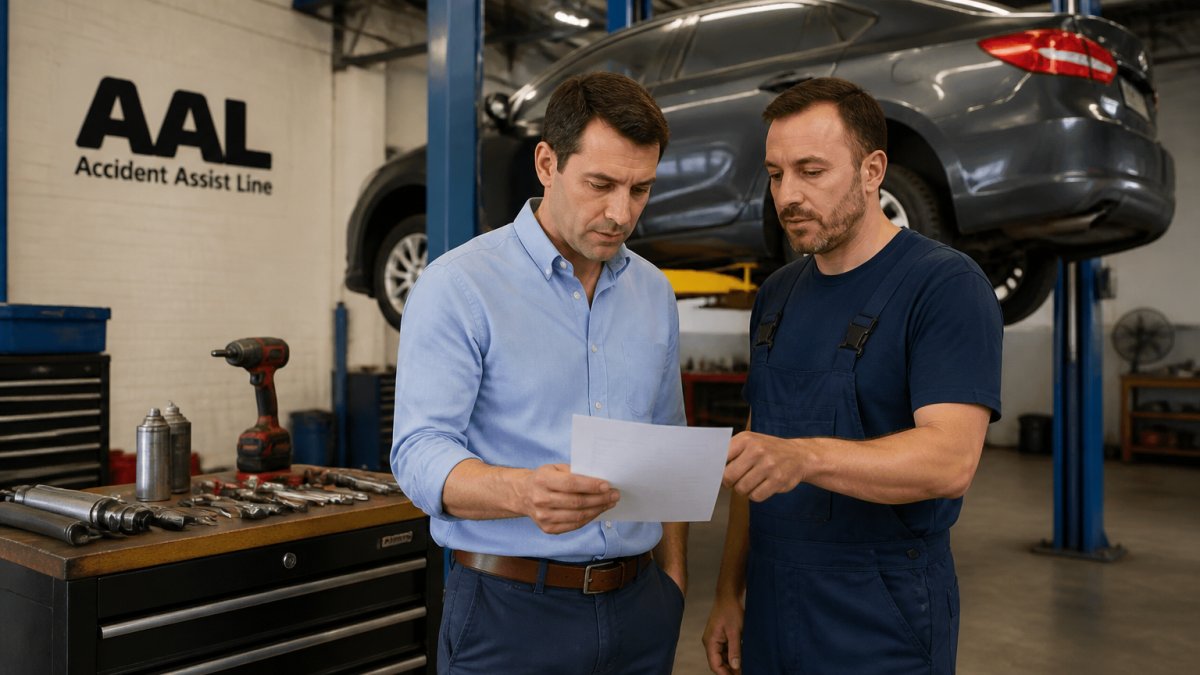
Not every workshop handles every job.
Ask one direct question when you call: "Do you handle this type of damage regularly?" The answer tells you more than any sign out the front.
Check Trust Signals Before You Book
For a fuller checklist covering credential checks and the questions worth asking before you authorise repairs, see our guide on how to find reliable repair shops.
Questions to Ask a Repair Shop Before You Hand Over the Keys
Ask these five questions before you book:
- "Can I have the estimate in writing before work starts?" A shop that hesitates here is telling you something.
- "Will you call me before doing anything beyond the estimate?" You want approval rights on additional work, not a surprise invoice.
- "What warranty do you offer on parts and labour, and how long does it run?" Get the terms and the period.
- "Do you use new, refurbished or aftermarket parts, and can I choose?" This affects both cost and how the repair ages.
- "How long will my car be off the road, and will you update me if that changes?" Turnaround estimates that come with no update process usually slip.
Why an Insurance-Approved Repairer Matters After a Collision
An insurance-approved repairer is a workshop that has met an insurer's requirements for quality and process, usually meaning the repair is backed by the insurer's guarantee on top of the workshop's. That extra accountability is the main reason to consider one, but not always the right call.
What 'Approved' Actually Means
- Fixed pricing or agreed rates for common repair categories, which is why insurers prefer them.
- Process requirements such as photographic evidence, parts sourcing rules, and assessment sign-off before work begins.
- Warranty obligations that sit alongside the insurer's own guarantee on the finished repair.
Choice of Repairer: What You Are Actually Entitled To
Weighing the two comes down to your priorities:
| Consideration | Insurer-preferred repairer | Repairer of your choice |
|---|---|---|
| Guarantee | Backed by the insurer's guarantee | Backed by the workshop's warranty |
| Paperwork | Usually simpler, insurer coordinates directly | You may need to supply quotes |
| Availability | Can be booked out during peak periods | Wider field to choose from |
| Familiarity | Knows the insurer's process well | May need to chase approvals |
| Parts | Often bound by insurer sourcing rules | You can usually specify new or aftermarket |
For a side-by-side breakdown of the pros, cons and costs of each path, read our guide on choosing a repairer versus an insurance preferred repairer.
Warranty and Guarantees: The Layer Most People Miss
- The workshop's workmanship warranty covers how the repair was carried out, panel alignment, paint finish, and the labour itself.
- The insurer's guarantee typically applies when an approved repairer is used and covers the repair as part of the claim outcome.
- The parts warranty comes from the parts supplier or manufacturer and covers defects in the component, not the labour to replace it.
Ask the workshop to state, in writing, which warranty covers which part of the job. If a paint defect appears months later, you want to know whether you are calling the workshop, the insurer, or the parts supplier.
If Something Goes Wrong
- Raise it with the workshop first, in writing, referencing the estimate and warranty terms.
- Escalate to the insurer if an approved repairer was used and the insurer's guarantee applies.
- Use the relevant consumer dispute process if the matter is not resolved, consumer affairs bodies in each state and territory handle motor vehicle repair complaints, and the process is free.
How Accident Towing and Repair Coordination Saves You Time
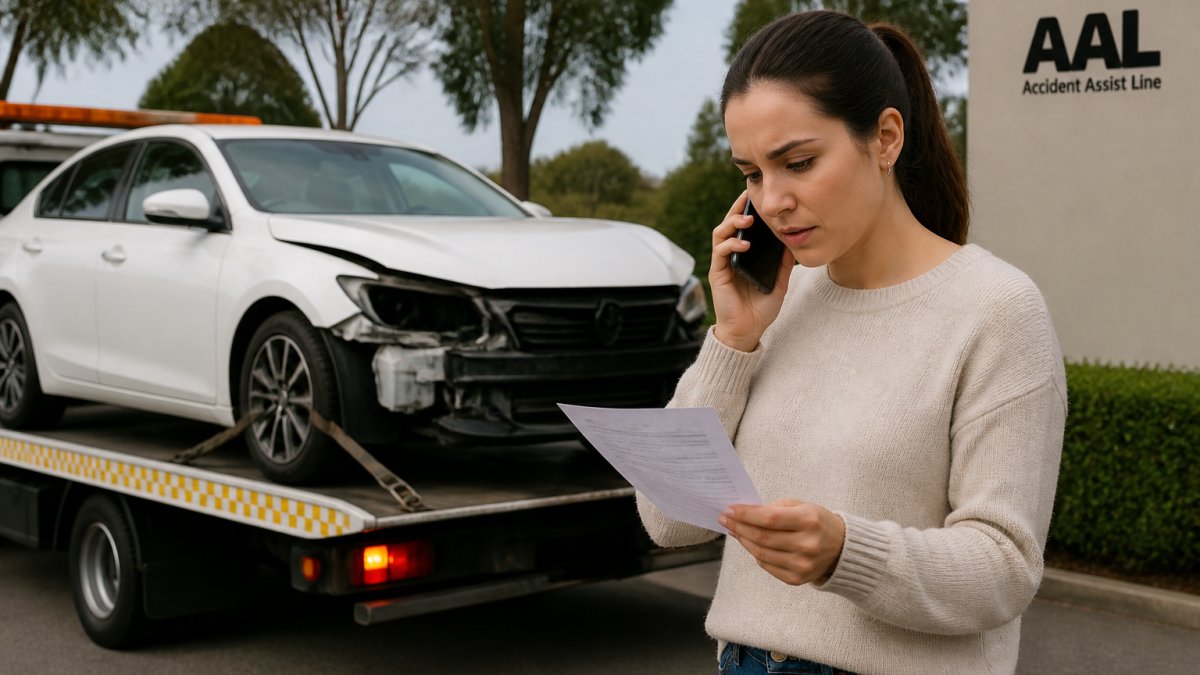
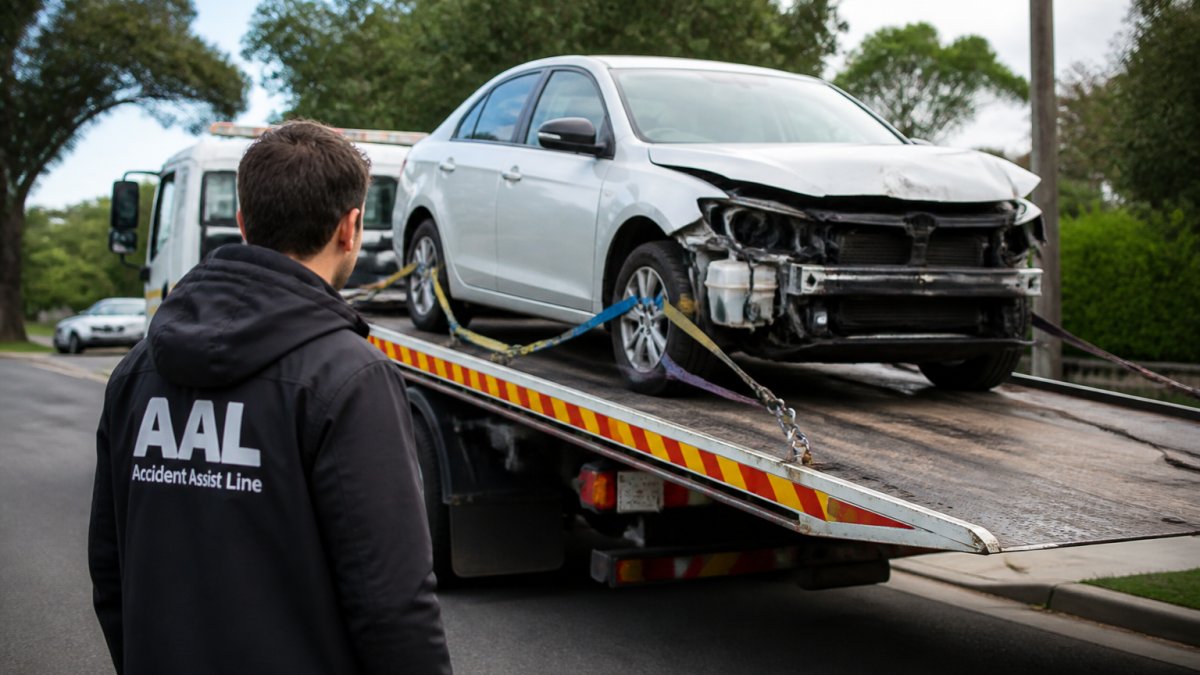
Accident towing and repair coordination means arranging the tow, coordinating the repair and liaising with the insurer through a single point of contact. For a step-by-step walkthrough, see our emergency towing and repair coordination guide.
- The tow is arranged through Victoria's official accident-towing allocation network, so you are not ringing around for a truck.
- The repair is booked with a workshop that matches your damage type, not just the closest one with a free slot.
- The insurer liaison is managed so the paperwork moves without you chasing it between calls.
How to Compare Repair Shops on Price, Warranty and Availability
Comparing car repair shops properly means comparing like with like. Three quotes for "front-end repairs" tell you nothing if one includes paint blending and the others do not. The sections below break down what moves the number, so you can read a quote rather than rank it.
Ask for a Written Repair Estimate
Watch out: a quote that undercuts the others substantially often excludes paint blending or a post-repair mechanical inspection, and those costs reappear later. For a guide to spotting overcharging and reading invoices properly, see how to avoid repair shop kickbacks.
What Actually Drives the Cost of a Repair
- Parts. New genuine parts cost the most; aftermarket and refurbished parts sit lower. Ask which category each line falls into, because it affects both price and how the repair ages.
- Labour time. Workshops charge labour by the hour, and the rate varies by specialty, crash repair and auto electrical typically sit above general mechanical work. The estimate should state the hours, not just a lump sum.
- Paint and materials. Paint is charged separately from panel labour, and blending across adjacent panels adds time and material. A quote that omits blending is not a cheaper repair; it is an incomplete one.
- Sublet work. Wheel alignment, air-conditioning regas, and diagnostic scans are often farmed out to another business. These should appear as their own lines so you can see what is being done in-house.
Weigh Warranty Terms and Turnaround Times
- What is covered, labour only, or labour and parts together.
- How long it runs, workmanship periods are commonly expressed in months or kilometres, whichever comes first.
- Who honours it, the workshop itself, or a third party such as a parts supplier or insurer-backed scheme.
- What voids it, many warranties exclude consequential damage or require servicing at specified intervals.
Availability and Response Times
- Can the vehicle be assessed today? An assessment is the first step, and a workshop that cannot look at the car for a week will not start work for longer.
- Is there a courtesy car or loan vehicle? Ask whether it is included or charged separately, and whether it is available for the full repair period.
- What is the update cadence? A workshop that commits to a call at agreed milestones is easier to hold to a date than one that promises to "keep you posted."
Request Your Tow and Repair Coordination
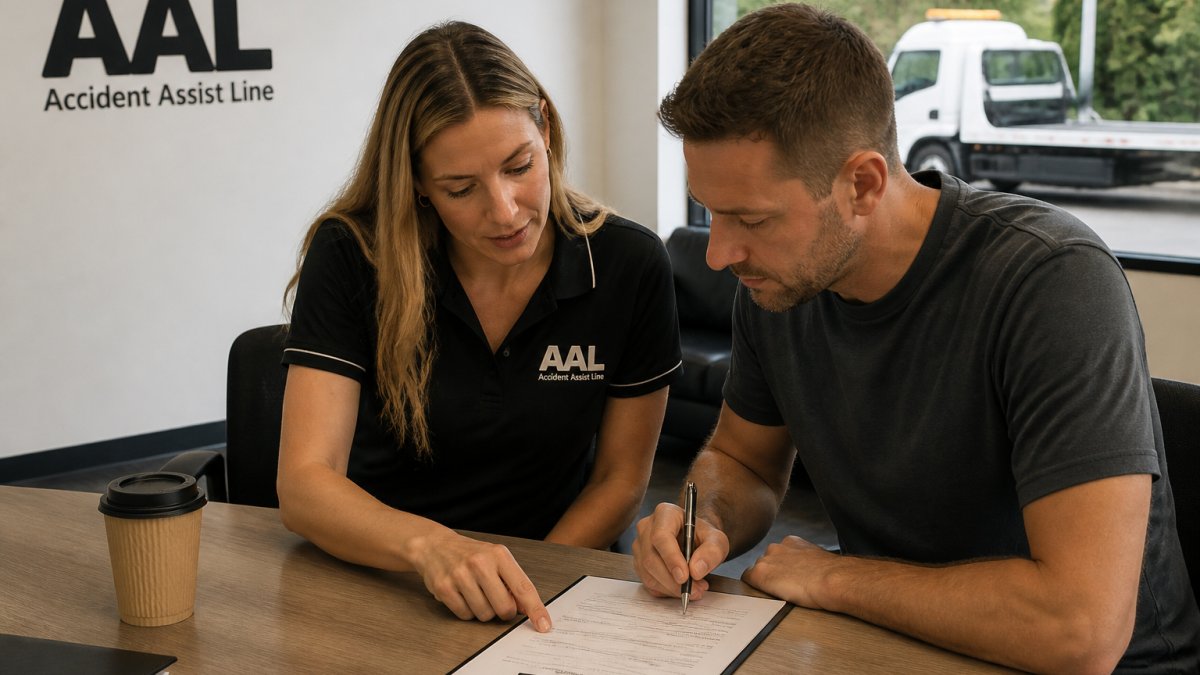
If you are in Melbourne, Geelong or the Mornington Peninsula, we can coordinate the repair. One call connects you to a real person at any hour, with no call queues; we arrange the tow through Victoria's official accident-towing allocation network, coordinate the repair, and liaise with your insurer throughout.
Frequently Asked Questions
How do I choose a reliable car repair shop after an accident?
Start by matching the workshop to the damage: a collision repair shop for structural or panel damage, a mechanical workshop for drivetrain issues. Check customer reviews, ask whether the shop works with insurers, and request a written repair estimate before authorising work. Confirm warranty terms on parts and labour, and ask how long the repair will take. If you need a tow first, an accident towing and repair coordination service can arrange the tow.
Can I choose my own repair shop after an accident?
In many cases you can nominate a repairer, but your insurer may have its own network or approval process, and choosing outside it can affect how the repair is arranged or paid. Ask your insurer directly what your policy allows before you commit. If you use an insurance-approved repairer, the coordination between assessor and workshop is usually simpler.
What questions should I ask a car repair shop before booking?
Ask whether they specialise in collision or mechanical repairs and whether they are an insurance-approved repairer. Request a written repair estimate and ask what happens if hidden damage is found mid-repair. Confirm turnaround time and who liaises with your insurer. Getting these answers in writing before you hand over the keys reduces surprises and helps you compare shops fairly.
Does a repair shop coordinate with my insurer?
Ask upfront who contacts the assessor and who authorises extra work. If you would rather not manage those calls yourself, a coordination service can liaise with your insurer and the repairer on your behalf.
The hardest part of a collision is rarely the damage itself. It is the sequence of calls, quotes and approvals that follows while you are still shaken. We built our service around removing that sequence from your day. Request your tow with Accident Assist Line and get a real person on the line, a tow arranged and a repair coordinated from the first call.