 blog
How to Find Reliable Towing: A 2026 Guide
Table of Contents
- What to Do After a Car Accident
- How to Find Reliable Towing When You Need It Most
- Questions to Ask a Towing Company Before They Arrive
- Verify Licensing, Insurance and Operator Credentials
- Your Vehicle Towing Checklist: What to Know Before Booking
- Understanding Accident Towing Services and What They Cover
- Transparent Pricing and What to Expect
- Coordinating Your Repair and Insurance After Towing
- Frequently Asked Questions
Last Updated: October 21, 2026
What to Do After a Car Accident
The first few minutes after a collision are critical. Your safety comes first. Move to a safe location if possible and turn on hazard lights. Check for injuries.
Once you're safe, document the scene: photograph vehicle damage, road conditions and the other vehicle's details, and record the other driver's name, phone number, address and insurance information, plus the time, location and what happened.
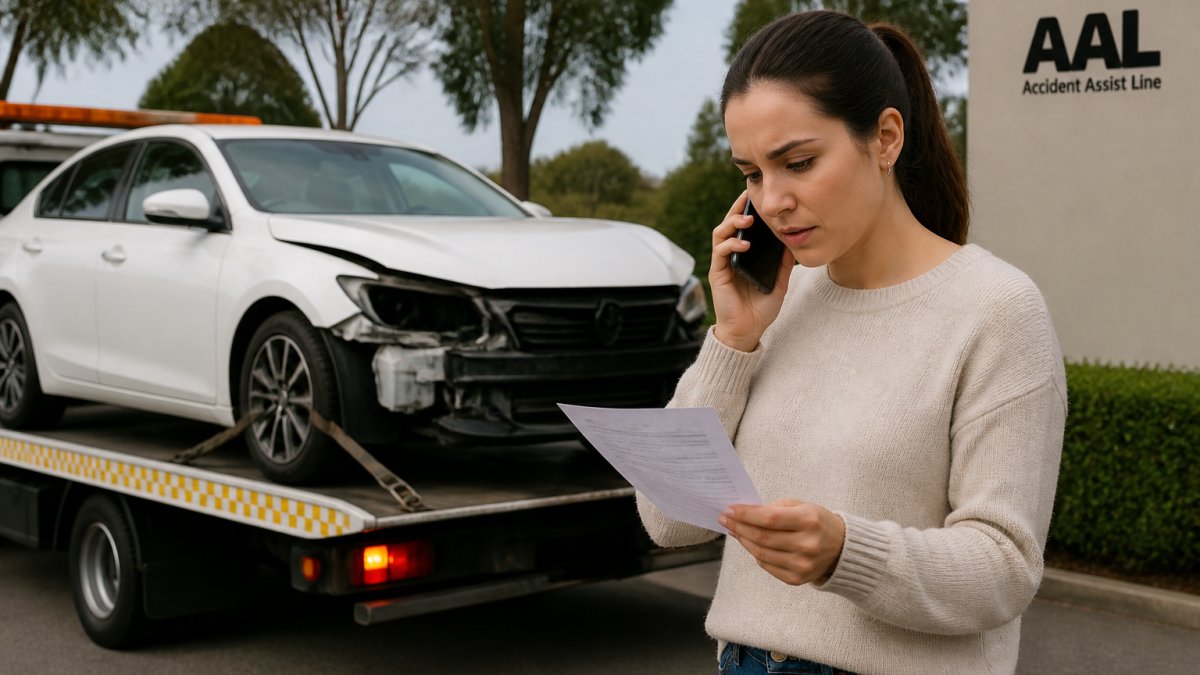
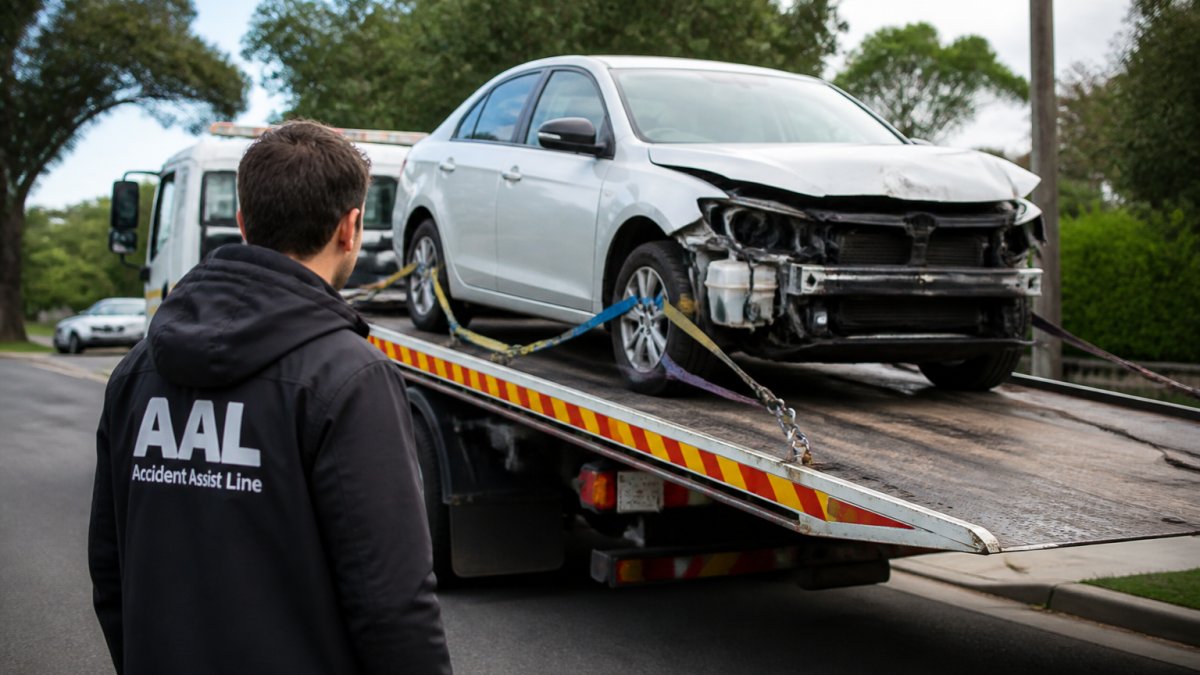
Then comes the towing decision. You need reliable towing fast, a good service gets you off the road quickly and keeps your vehicle safe.
How to Find Reliable Towing When You Need It Most
Finding reliable towing starts with knowing what to look for: a company that answers the phone, arrives quickly and treats your vehicle with care.
24/7 availability and fast response
A real person should answer when you call, no queues, no automated systems. Look for towing services that operate around the clock, since accidents happen at any hour, and ask how long it typically takes from call to arrival. The faster they arrive, the safer you are on the roadside.
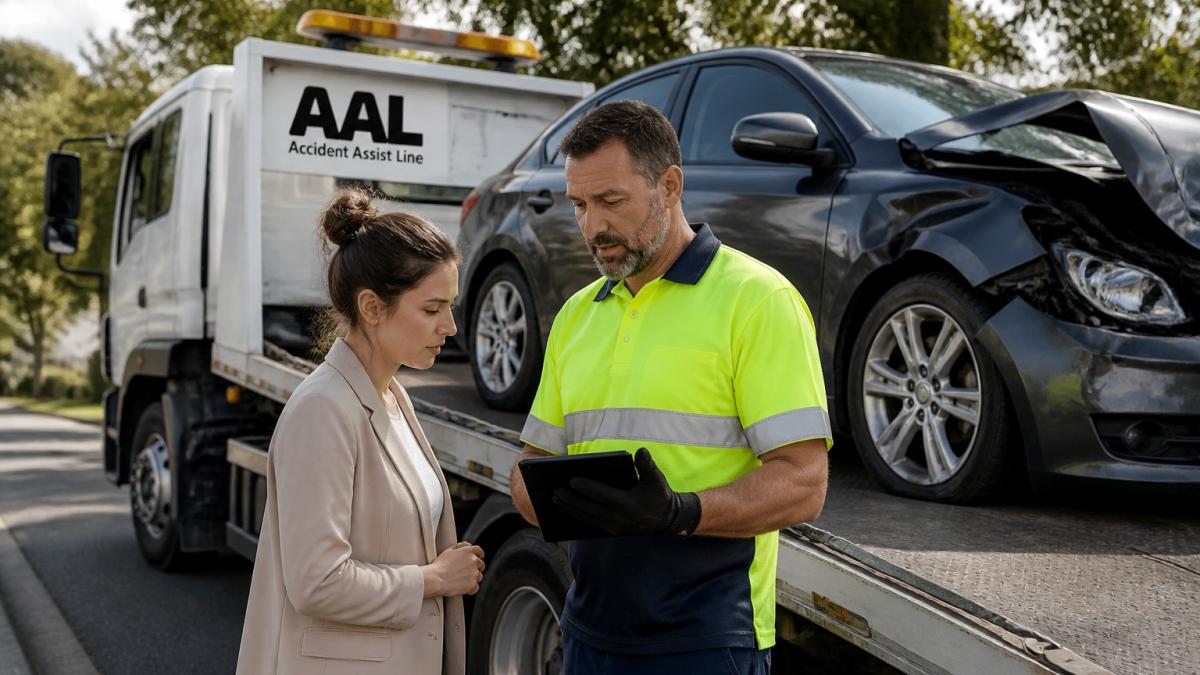
Accident Assist Line takes calls directly 24/7 with no queues. One call connects you to a real person who can arrange your tow immediately through Victoria's official accident-towing allocation network.
Local service area and coverage
Not all towing companies service your area, so check their coverage map and ask directly: "Do you service my suburb?" Some claim wide coverage but respond slowly in outer areas. Local knowledge matters too, a company familiar with your area knows the best routes, where to position the truck safely and which repair shops are reliable.
Questions to Ask a Towing Company Before They Arrive
1. Are you available right now, and what is the estimated arrival time? Some operators are fully booked; others can dispatch immediately.
2. Do you service my exact location? Give the street address and nearest cross street, not just the suburb.
3. What equipment will you send, and is it right for my vehicle? This is the question most drivers skip. Match the truck to the vehicle:
- Flatbed, the default for low-clearance cars, EVs, all-wheel-drive and 4WD vehicles, and anything with damaged wheels or steering. The whole vehicle rides on the tray, so no wheels turn on the road.
- Wheel-lift, lifts two wheels and tows the rest; suitable for many conventional cars but not for AWD, 4WD, or EVs unless the operator confirms the drivetrain can be safely towed that way.
- Motorcycle and small-vehicle carriers, purpose-built cradles and straps; a general car truck is not a substitute.
- Heavy or damaged-vehicle recovery, winching, dolly wheels, or a heavier truck for vehicles off-road or with collapsed suspension.
Tell the dispatcher your make, model, drivetrain, ride height and whether the wheels or steering are damaged.
4. Do you carry current insurance covering my vehicle during transport? Ask for the insurer's name and confirm the policy is current.
**5.
**6.
**7.
What to do safely while you wait
The wait is the riskiest part of the incident. Before the truck arrives:
- Move yourself and passengers behind a barrier or well off the carriageway, never stand between the vehicles or in a traffic lane
- Leave hazard lights on and, if safe, set a warning triangle well back from the vehicle
- Exit from the safe side only, and do not attempt repairs, change a wheel or retrieve belongings from the traffic side
- Keep your phone charged and share your live location with someone you trust
- Note the tow truck's registration and company name, and photograph the vehicle on the truck before it leaves
Verify Licensing, Insurance and Operator Credentials
Before you hand your vehicle to a tow truck, verify the company is legitimate.
Check their ABN. Every Australian business has an ABN (Australian Business Number). Ask for it.
Ask for their towing licence. In Victoria, towing operators must meet specific requirements.
Confirm they carry insurance. Your vehicle is valuable.
Check their registration. Ask if they're registered with the relevant Victorian authority. Legitimate operators are transparent about their credentials.
Accident Assist Line is registered with ABN 88 634 541 638.
Your Vehicle Towing Checklist: What to Know Before Booking
Use this checklist before you call for towing.
| Item | Action | Why It Matters |
|---|---|---|
| Vehicle location | Note the exact street address | Dispatcher needs precise location for fast arrival |
| Vehicle type | Know your car's make and model | Ensures they have the right tow truck |
| Damage description | Describe what happened | Helps them prepare the right equipment |
| Your contact number | Have it ready | They need to reach you if there's a delay |
| Insurance details | Have your policy number | Speeds up coordination with your insurer |
| Safe waiting spot | Move away from traffic | Protects you while waiting for the truck |
Before the tow truck arrives:
- Turn off the engine and hazard lights once the truck is on scene
- Move yourself and passengers to a safe distance
- Have your vehicle keys and contact details ready
- Ask the operator for a receipt and reference number
- Photograph the tow truck's licence plate and company details
Understanding Accident Towing Services and What They Cover
Accident towing is different from roadside breakdown assistance, it handles vehicles damaged in collisions. A reliable accident towing service includes safe recovery from the scene, transport to a repair facility or holding yard, liaison with your insurance company, liaison with repair shops and arrangement of hire car options if needed.
Not all towing companies offer full accident coordination; some only tow and drop your vehicle. Others, like Accident Assist Line, coordinate the entire process, we arrange the tow, liaise with your insurer and coordinate repairs so you don't have to.
Transparent Pricing and What to Expect
Pricing for reliable towing varies with distance, vehicle type, damage severity, time of day and destination. Most drivers only learn the final figure after the truck has hooked up, but a transparent operator will pin the number down before dispatch, in writing.
Ask for a written estimate before dispatch
A verbal quote is a starting point, not a commitment. Ask the dispatcher to send a written estimate by text or email before the truck leaves, stating:
- The base call-out fee
- The per-kilometre rate and distance being charged
- Any after-hours, weekend or public-holiday surcharge
- Equipment surcharges (flatbed, wheel-lift, winching, dolly wheels)
- Storage or holding-yard fees if the vehicle cannot go straight to a repairer
- Cancellation terms
If the operator will not put an estimate in writing, treat that as a warning sign.
Know which fees are commonly added later
A common pattern is for the headline quote to cover only the hook-up and first stretch of travel. Ask whether these are included or extra:
- Call-out fee, charged even if the tow does not proceed
- Mileage beyond a set radius, often quoted per kilometre past a base distance
- Winching or recovery, for vehicles off-road, down an embankment or in a height-restricted car park
- Storage, daily holding-yard charges if the repairer is closed or the insurer has not yet authorised the drop-off
- After-hours surcharge, nights, weekends and public holidays
- Cancellation fee, if you cancel after dispatch
Ask the dispatcher to confirm each one in the same message as the estimate, so you have a single record.
Confirm payment and billing arrangements upfront
Ask how payment is taken, card on arrival, card over the phone or invoice, and whether a receipt with an ABN is issued.
If the operator offers to bill an insurer directly, clarify that this is an arrangement between you and the insurer, the tow operator is not deciding your coverage. Confirm with your insurer what they will and will not reimburse before you authorise the tow.
How to compare quotes fairly
Comparing headline prices alone is misleading. Line up two or three quotes and check each covers the same scope: same pickup, destination, time of day and equipment. A cheaper quote often excludes winching, storage or after-hours charges the other includes.
If a dispute arises
If the final invoice differs from the written estimate, ask for an itemised breakdown of the difference before paying, and keep the estimate, invoice and any text messages in one place.
Don't choose on price alone. A cheap tow that damages a low-clearance vehicle or an EV battery tray costs far more to fix than the difference between quotes. Weigh price against reviews, credentials and equipment suitability.
Coordinating Your Repair and Insurance After Towing
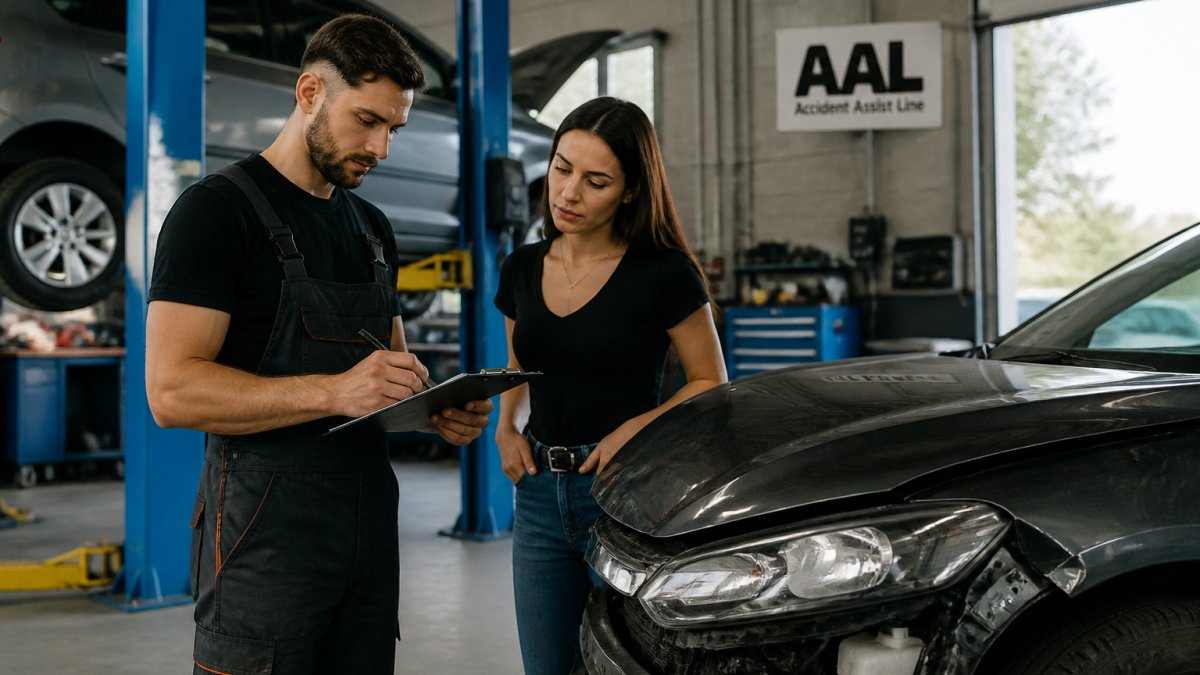
After your vehicle arrives at the repair facility, coordination begins. Your reliable towing service should:
- Confirm receipt of your vehicle with the repair shop
- Provide your insurer with the vehicle's location and damage report
- Arrange for an insurance assessor to inspect the damage
- Help coordinate hire car arrangements if needed
Many drivers feel lost after the tow. A good towing service guides you through this process.
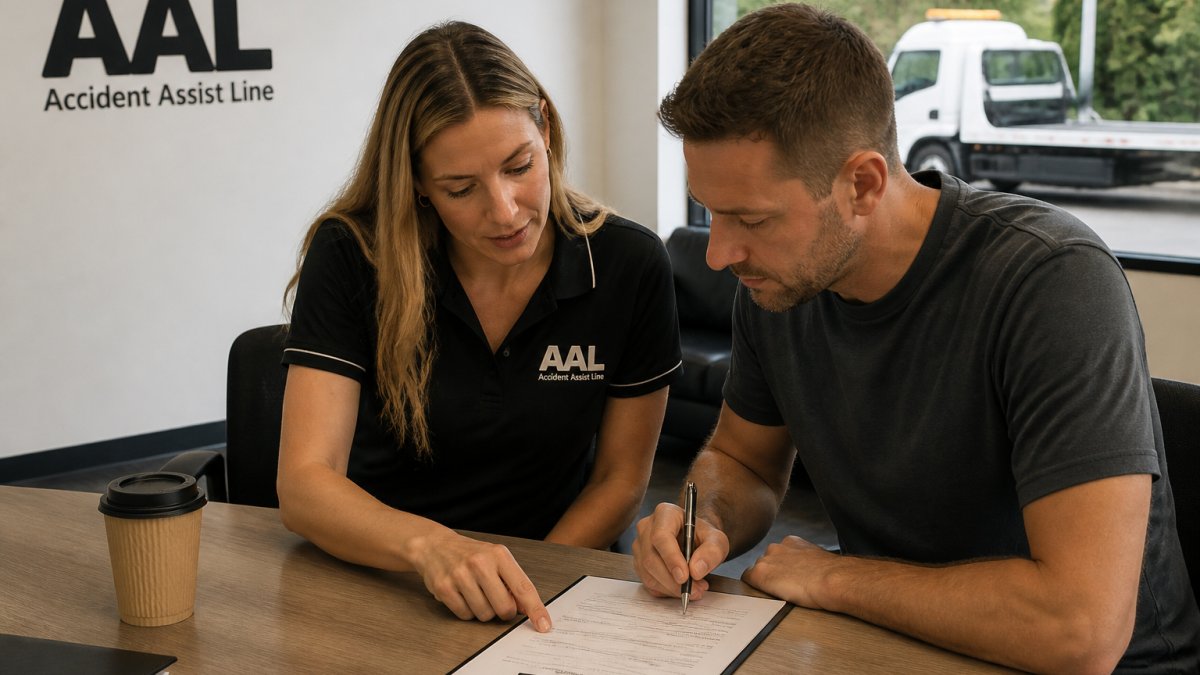
Accident Assist Line doesn't just tow your vehicle. We coordinate the repair and liaise with your insurer throughout. One point of contact handles everything. You get updates, not silence.
Ask your towing company upfront: "Will you coordinate with my insurer?" If they say no, you'll do all the follow-up yourself.
The best reliable towing services treat you like a person, not a transaction. They answer your calls. They update you. They solve problems.
Frequently Asked Questions
How can I tell if a towing company is reliable?
A reliable towing company answers calls immediately (no long queues), provides a realistic arrival timeframe, can verify its licensing and insurance on the spot, has positive customer reviews, and gives you a clear explanation of what will happen to your vehicle. Ask whether they're part of an official accident-towing network and whether they'll coordinate with your insurer. Avoid operators who rush you into decisions or won't answer your questions.
What should I ask a tow truck operator before they arrive?
Ask about their estimated arrival time, whether they have the right equipment for your vehicle type, what their process is for securing your car, whether they'll coordinate with your insurer, and how they'll transport your vehicle safely. Confirm they're licensed and insured, and ask if there are any extra fees beyond the initial quote. Get their name and a reference number for your records.
What information should I give a towing company?
Provide your location (be as specific as possible), your vehicle make and model, whether the engine starts, any visible damage, whether your car is safe to leave where it is, and your insurance details. Let them know if your vehicle has any special features (low clearance, modified suspension, or valuable contents). Give them a contact number where you can be reached, and confirm how they'll keep you updated.
How do I choose a towing service after a car accident?
Look for a service that offers 24/7 availability, responds quickly, operates in your area, and has strong customer reviews. Verify their credentials and ask about their experience with accident recovery. Check whether they can arrange coordination between your insurer and the repair shop, so you don't have to manage multiple conversations. A reliable service will explain the process clearly and answer all your questions without pressure.
After an accident, you need reliable towing that works around the clock. Accident Assist Line answers your call 24/7 with no queues. We arrange your tow through Victoria's official network, coordinate your repair, and liaise with your insurer so you don't have to. One call. One real person. One point of contact from accident to repair. Contact Accident Assist Line today and let us handle the coordination while you focus on recovery.