 blog
blog
Is Professional Repair Coordination Worth It? A 2026 Guide
Table of Contents
- What Professional Repair Coordination Actually Covers
- Repair Coordination Versus Managing Repairs Yourself
- What an Accident Repair Coordination Service Does Day to Day
- The Car Accident Repair Process, Step by Step
- Questions to Ask a Repair Coordination Service Before You Commit
- When Professional Repair Coordination Is Not Worth It
- Frequently Asked Questions
Last Updated: October 6, 2026
What Professional Repair Coordination Actually Covers
Professional repair coordination is a service that arranges your tow, books and oversees the repair, and liaises with your insurer after a car accident. It gives you one point of contact instead of three. For drivers who have just been in a crash, that single contact can remove most of the stress. (Source: consumer rights regarding vehicle repairs)
This guide from Accident Assist Line looks at whether is professional repair coordination worth it for you. We cover what it costs in time and effort, what it saves, and when you are better off doing it yourself.
Here is the short answer. If your car is off the road and you are juggling work, family and an insurer, coordination usually pays for itself in time saved. If you have plenty of spare time and a simple claim, you may not need it.
Repair Coordination Versus Managing Repairs Yourself
The two paths look similar on paper. In practice, they feel very different, and the difference is mostly measured in hours and phone calls, not in the repair itself.
The Case for Going It Alone
Managing repairs yourself keeps you in control. You choose the repairer, you make every call, and you decide what happens next.
It suits people who:
- Have flexible hours and can take calls during the day
- Have a simple, low-cost repair
- Already know a repairer they trust
- Want to stay across every detail of the process
The catch is the admin. You will chase the tow, the repairer and the insurer yourself, often across several days. A common pattern is four to eight separate calls or messages before the car is even booked in, plus follow-ups while parts are ordered.
The Case for Handing It Over
Handing it over means one call instead of ten. A coordinator arranges the tow, books the repair and keeps your insurer informed.
It suits people who:
- Work long hours and cannot take calls
- Need a hire car sorted quickly
- Have never lodged a claim before
- Feel overwhelmed by the process
The trade-off is that you hand over some control. You also need to trust the coordinator to act in your interest.
A Side-by-Side Comparison
| Factor | Manage It Yourself | Use a Coordinator |
|---|---|---|
| Your time | High, you make every call and follow-up | Low, one point of contact |
| Control | Full | Shared |
| Number of contacts | Many (tow, repairer, insurer) | One |
| Decision load | You approve every step | You approve the key steps |
| Best for | Simple claims, flexible owners | Busy owners, complex claims |
| Risk if you are time-poor | Delays, storage fees, missed calls | Handled for you |
The Break-Even Question
The honest way to decide is to ask what your time is worth this week. If you would lose a day of work chasing calls, or if a delay means paying for a hire car out of your own pocket, coordination usually pays for itself. If your repair is minor and you have a trusted repairer on speed dial, self-managing is often the cheaper and simpler path.
There is no universal answer, only the one that matches your week, your repair and your tolerance for admin.
What an Accident Repair Coordination Service Does Day to Day
An accident repair coordination service arranges the tow, books the repair, and liaises with your insurer from start to finish. It does not replace your insurer. It works alongside them.
Day to day, the work looks like this:
- Taking your details and accident location
- Arranging a tow through the official allocation network
- Booking a repairer and tracking the job
- Updating you and your insurer as things move
- Chasing parts, approvals and timelines
- Handing the car back once the work is done
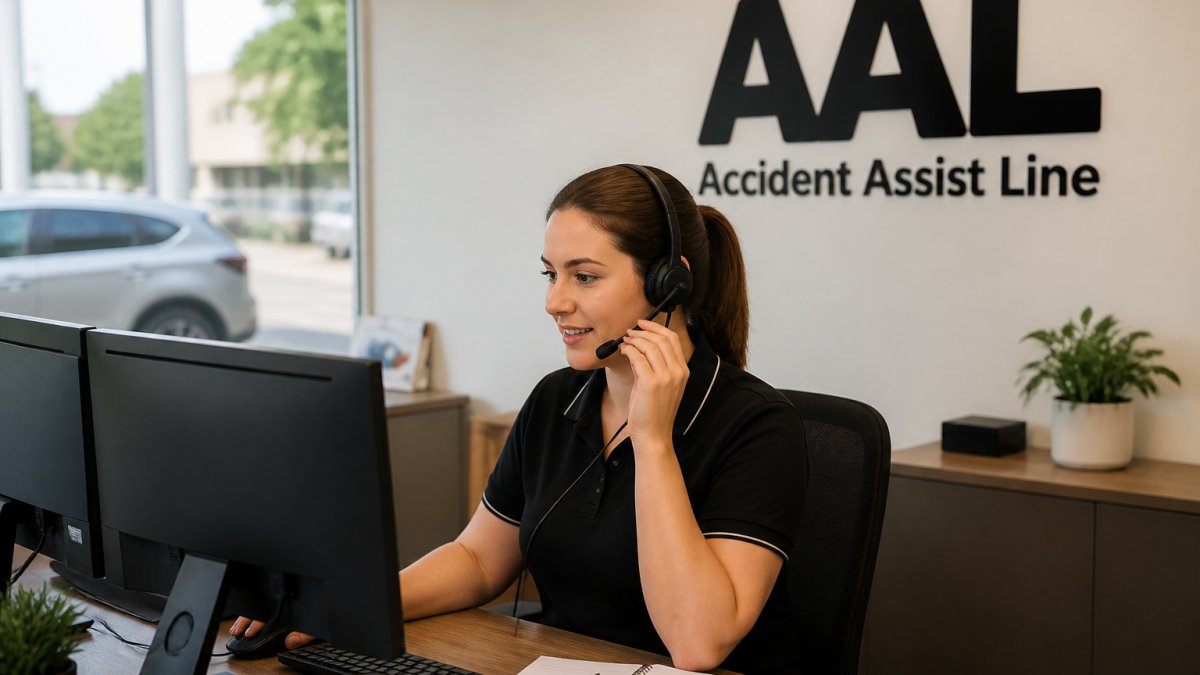
Accident Assist Line runs this service across Melbourne, Geelong and the Mornington Peninsula. One call connects you to a real person, 24/7, with no call queues. We coordinate the repair and liaise with your insurer on your behalf throughout the process.
The Car Accident Repair Process, Step by Step
The process has a clear order. Knowing the steps helps you spot where a coordinator adds the most value. (Source: Australian Consumer Law guarantees)
- Make the scene safe. Move off the road if you can, and check for injuries.
- Call for help. Ring your insurer or a coordination service and give your location.
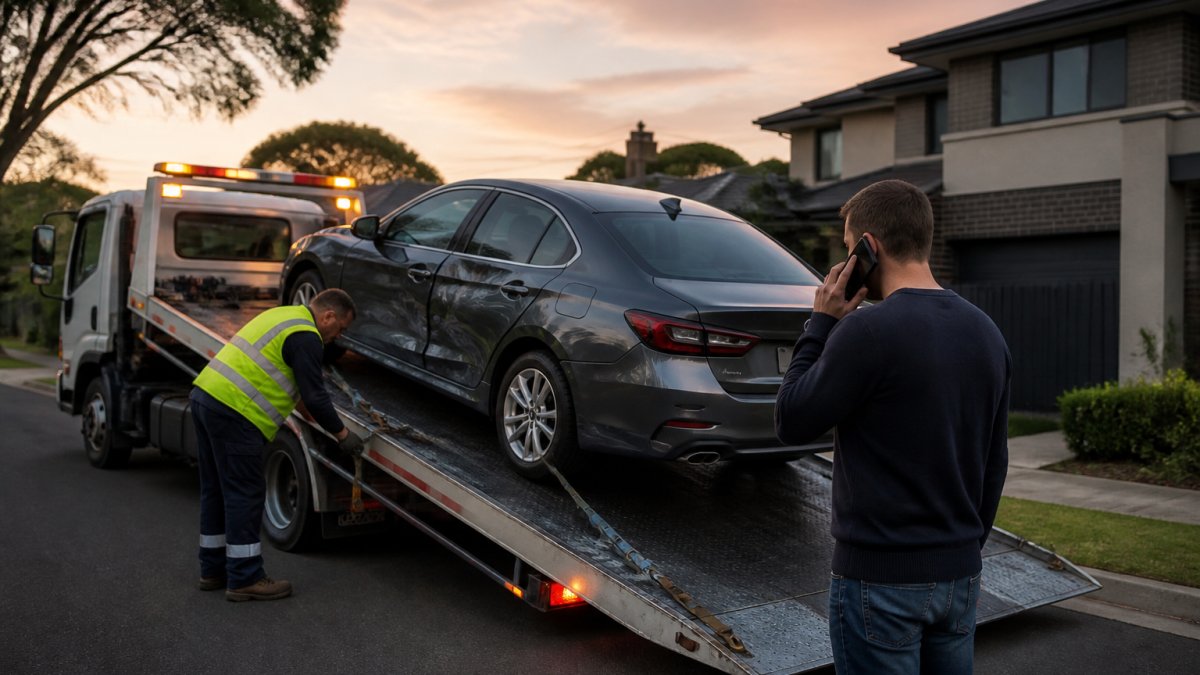
- Arrange the tow. In Victoria, accident towing runs through an official allocation system.
- Lodge the details. Report the accident to your insurer and note the claim reference.
- Get the repair assessed. The repairer inspects the damage and quotes the work.
- Approve the repair. Your insurer reviews the quote and gives the go-ahead.
- Book the repair. The car goes in, and parts are ordered if needed.
- Track and collect. You are updated along the way, then you pick up the car.
Steps 3 to 8 are where coordination saves the most time. Each one involves calls, follow-ups and waiting.
Questions to Ask a Repair Coordination Service Before You Commit
Ask these before you hand anything over. The answers tell you whether the service is right for you.
- Who arranges the tow, and how fast can you get to me?
- Are you independent, or do you take payments from repairers?
- What exactly do you do, and what stays with me?
- How do you keep me updated, and how often?
- What happens if the repair takes longer than expected?
- Can I still choose my own repairer?
- What are your hours, and is there a real person on the line?
Get clear answers in writing where you can. A good coordinator will welcome the questions.
When Professional Repair Coordination Is Not Worth It
Coordination is not for everyone. The clearest way to decide is to work through a short decision framework based on your circumstances, not on a general rule.
A Decision Framework by Situation
Ask yourself these questions in order. The first "yes" usually tells you which way to go.
- How many vehicles are involved? A single car with minor damage is usually simpler to self-manage. Multiple vehicles, or a car that is undriveable, tilt the balance towards coordination.
- How far are you from the repairer and the tow? If you are nearby and can drop the car off yourself, self-managing is easier. If you are remote from the repairer or cannot easily get to it, coordination removes a real logistical burden.
- How often do you deal with repairs? A one-off accident is different from a fleet or a household with several cars. Frequent repair needs make a coordinator more valuable.
- How much spare time do you have this week? If your calendar is full, the admin cost of self-managing is high. If you have flexibility, it is low.
- Do you already have a trusted repairer? An existing relationship removes much of the value a coordinator adds.
- How complex is the repair? Structural damage, multiple parties or a disputed assessment are all situations where a single point of contact helps.
When Self-Managing Makes Sense
Skip coordination if any of these apply to you:
- You have plenty of time and a simple repair.
- You already have a trusted repairer and a straightforward claim.
- Your insurer is already handling the process smoothly.
- The damage is minor and you can drive the car yourself.
- You want to stay across every single decision.
When Coordination Earns Its Place
Coordination tends to pay off when:
- Your car is off the road and you cannot afford the downtime.
- You are juggling work, family or care responsibilities.
- The repair involves multiple steps you have never navigated before.
- You want one number to call instead of chasing three parties.
There is no shame in managing it yourself. The point is to match the service to your situation, not to add a layer you do not need.
If you are still unsure, ask one question: how much is my time worth this week? If the answer is "a lot", coordination is likely worth it.
Frequently Asked Questions
What does a professional repair coordinator do after a car accident?
A coordinator arranges your tow through Victoria's official accident-towing allocation network, books the repair with a suitable workshop, and liaises with your insurer on your behalf. They track the work order, keep you updated on progress, and flag delays or extra repairs before they become surprises. In practice, that means one point of contact instead of juggling calls between a tow operator, a panel shop and an insurer.
Is it worth using a repair coordination service after an accident?
It depends on your circumstances. If you have a busy schedule, limited knowledge of the car accident repair process, or a repair that drags on for weeks, coordination can save considerable time and stress. If your car needs only minor cosmetic work and you already have a trusted repairer, self-managing may suit you better. Weigh the time cost of chasing updates against the value of your own hours.
Can I choose my own repairer after a car accident?
In most cases you can nominate a preferred repairer, but your insurer may have network arrangements that affect how the repair is authorised and paid. Ask the coordinator whether your chosen workshop is acceptable to your insurer before work starts. If it is not, they can explain the alternatives and what each one means for turnaround time and out-of-pocket costs.
What should I ask a repair coordination service before using it?
Ask what the service actually covers, whether it arranges the tow through Victoria's official allocation network, how it communicates with your insurer, and who is accountable if the repair is delayed. Also ask how often you will receive updates and whether there are any fees you pay directly. Get clear answers in writing before you agree to anything.
A car accident never comes at a good time. The calls, the tow and the repair can quickly pile up when you are already stretched. Accident Assist Line arranges your tow through Victoria's official allocation network, coordinates the repair, and liaises with your insurer on your behalf. One call connects you to a real person, 24/7, with no call queues. Get started with Accident Assist Line and get back on the road sooner.