 blog
blog
Best Melbourne Accident Repair Alternatives
Table of Contents
- Accident Repair Alternatives: What Your Options Are
- How to Choose a Smash Repairer That Suits Your Vehicle
- Insurer Preferred Repairer Networks: Pros and Limitations
- Independent Repairers vs. Franchise and Dealership Options
- Questions to Ask an Accident Repairer Before You Commit
- Why an Accident Repair Coordination Service Matters
- Making Your Decision: Repair vs. Replace and Cost Considerations
- Frequently Asked Questions
Last Updated: October 8, 2026
Accident Repair Alternatives: What Your Options Are
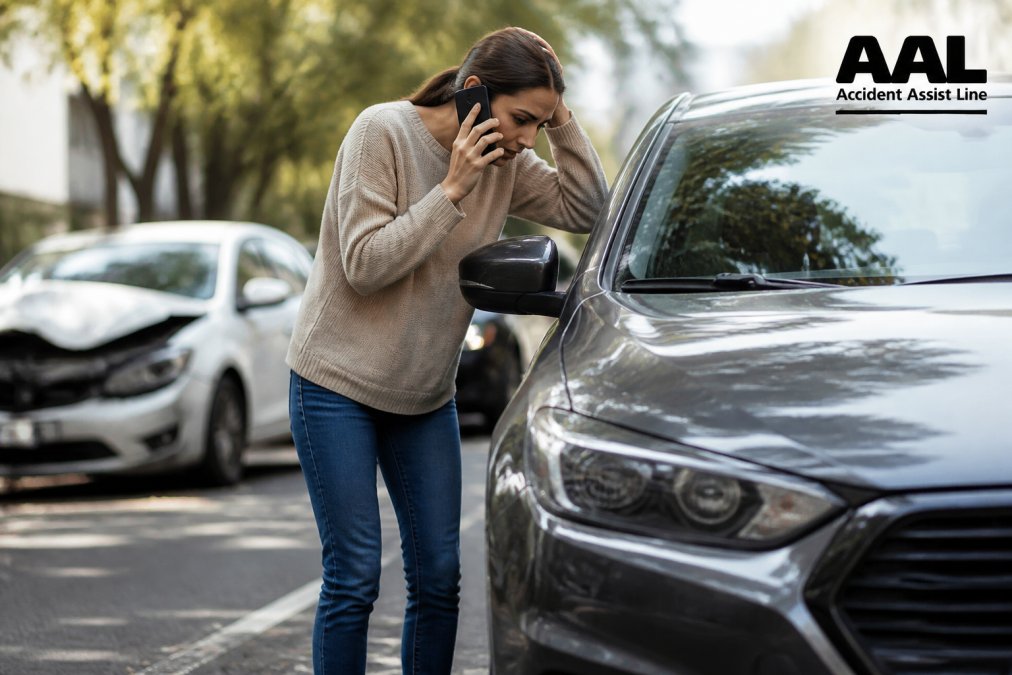
After a car accident, the decisions come fast: should you use an insurance-approved repairer, an independent mechanic, or explore accident repair alternatives like a specialised accident repair service? These choices affect how quickly you're back on the road, what you pay, and whether the repair is done right.
You have genuine alternatives. Understanding each one helps you choose based on your situation rather than defaulting to whatever your insurer suggests first. The best accident repair alternative depends on your priorities, speed, cost, convenience, or specialist expertise.
Below, we break down the main options, how to evaluate a smash repairer, and the questions that separate a good outcome from a frustrating one.
How to Choose a Smash Repairer That Suits Your Vehicle
Choosing a smash repairer isn't one-size-fits-all, your vehicle type, damage extent, and timeline all matter. Start by identifying what kind of repair you need: panel beating and paintwork, structural damage, or mechanical repairs alongside body work.
Does your vehicle have specialist requirements? European cars, hybrids, and newer models with advanced driver-assistance systems (ADAS) need technicians trained on those platforms.
Check credentials: look for manufacturer certifications, insurance-approved status, and reviews mentioning similar vehicles or damage types. Ask directly: "Have you repaired this make and model before? What was the outcome?"
Turnaround time matters if you need your vehicle quickly. Ask for a realistic timeframe, not an optimistic one, and confirm whether they offer a courtesy or hire car while yours is being fixed.
Insurer Preferred Repairer Networks: Pros and Limitations
Most insurers maintain a network of approved or "preferred" repairers.
The limitation is structural: a preferred repairer's commercial relationship is with your insurer, not you.
Your choice of repairer
In Victoria, most comprehensive policies let you nominate your own repairer rather than using the insurer's network. The trade-off is usually one of the following:
- The insurer may only pay up to the amount their own assessor would have approved, leaving you to cover any shortfall.
- The insurer may require additional quotes or an independent assessment before authorising the repair.
- Some policies include a "choice of repairer" benefit that removes these conditions, check your Product Disclosure Statement (PDS) rather than assuming.
If you're not at fault and claiming against the at-fault driver's insurer, you generally have more say over where the vehicle is repaired because you're not bound by your own policy's network terms.
Excess and how it interacts with your choice
Your excess is separate from which repairer you use. Choosing a network repairer doesn't automatically reduce your excess unless your policy says so.
Life-of-repair guarantees
Many network repairers and insurer-approved shops offer a lifetime or extended workmanship guarantee; independent repairers typically offer 12 months or more.
When a network repairer makes sense
- Straightforward panel and paint damage where the insurer's assessment is likely to cover the full scope.
- Situations where you want minimal involvement in the process and are happy for the insurer to drive it.
- Policies that explicitly reduce your excess or offer additional benefits for using the network.
When to look elsewhere
- Specialist or European vehicles where the network repairer may not have the tooling, training, or parts access.
- Damage involving ADAS sensors, structural components, or complex electrical systems.
- Situations where you want to negotiate scope, parts, or timeline and need a repairer whose primary relationship is with you.
If you disagree with the insurer's assessment
You can request an independent assessment, seek a second quote, or escalate through the insurer's internal dispute resolution process.
Independent Repairers vs. Franchise and Dealership Options
Independent repairers, franchises, and dealerships represent three models, each with trade-offs.
Independent repairers are typically small operations run by experienced technicians. Strengths: deep expertise in specific repair types, reputation-driven quality, and willingness to negotiate on price.
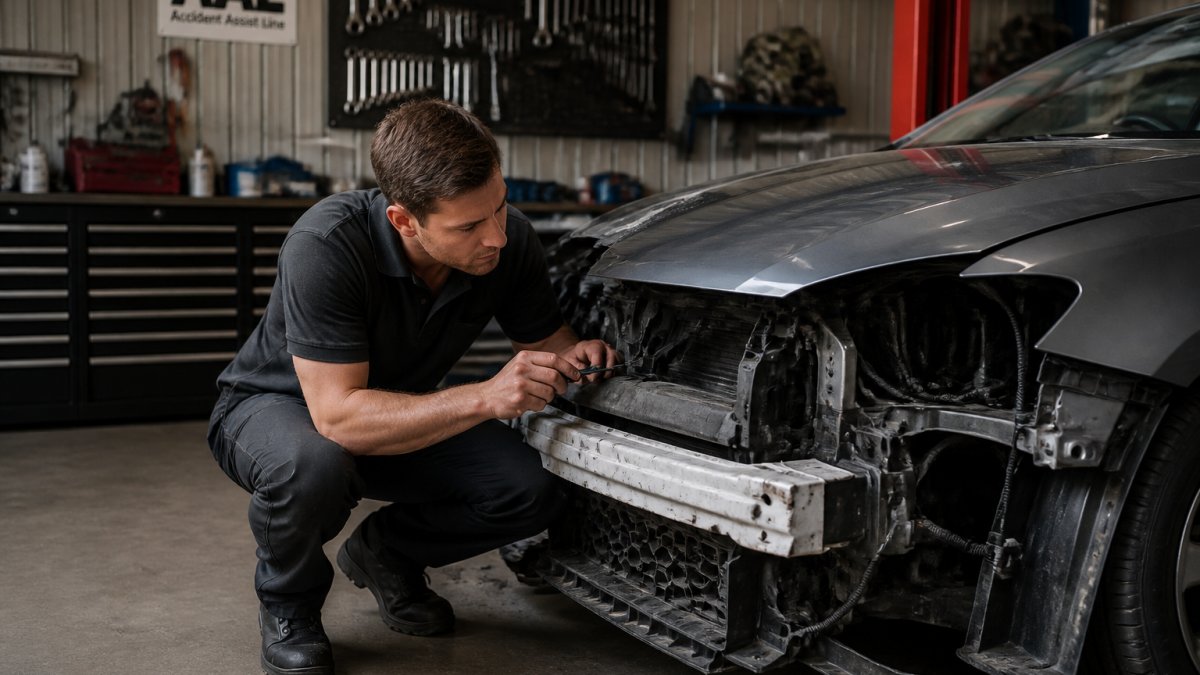
Franchise repairers operate under a brand (like a national smash repair chain). Strengths: consistent processes, formal warranties, and equipment for multiple vehicle types.
Dealership service centres repair vehicles under warranty or perform manufacturer-approved work. Strengths: genuine parts, technicians trained on your specific vehicle, and warranty support.
For accident repair, dealerships are strongest if your vehicle is under warranty and the damage is complex.
Questions to Ask an Accident Repairer Before You Commit
Before you hand over your keys, ask these questions. They reveal how a repairer thinks about quality and whether they'll be straightforward.
On scope and timeline: "What's your assessment of the damage? What repairs are essential versus optional?" A good repairer distinguishes safety-critical work from cosmetic.
On parts and materials: "Will you use genuine parts, aftermarket parts, or a mix? What's your warranty on each?" This matters for resale value and longevity.
On safety and compliance: "Will you perform a post-repair safety inspection? Do you recalibrate ADAS systems if this vehicle has them?" Not all repairers do this.
On communication: "How will you keep me updated?
Why an Accident Repair Coordination Service Matters
After an accident, you're managing your wellbeing, insurance paperwork, repair logistics, and hire-car arrangements at once. This is where an accident repair coordination service becomes valuable.
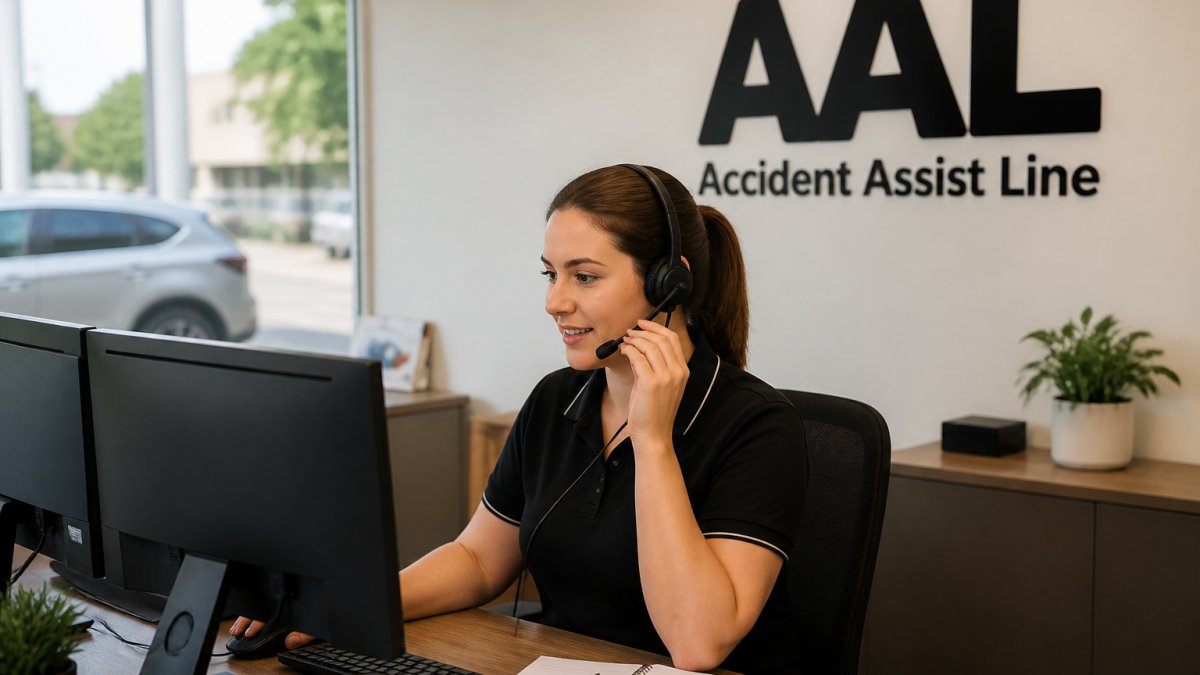
A coordination service like Accident Assist Line arranges the tow, arranges the repair, and liaises with your insurer throughout. You make one call, speak to a real person immediately, and someone manages the complexity on your behalf.
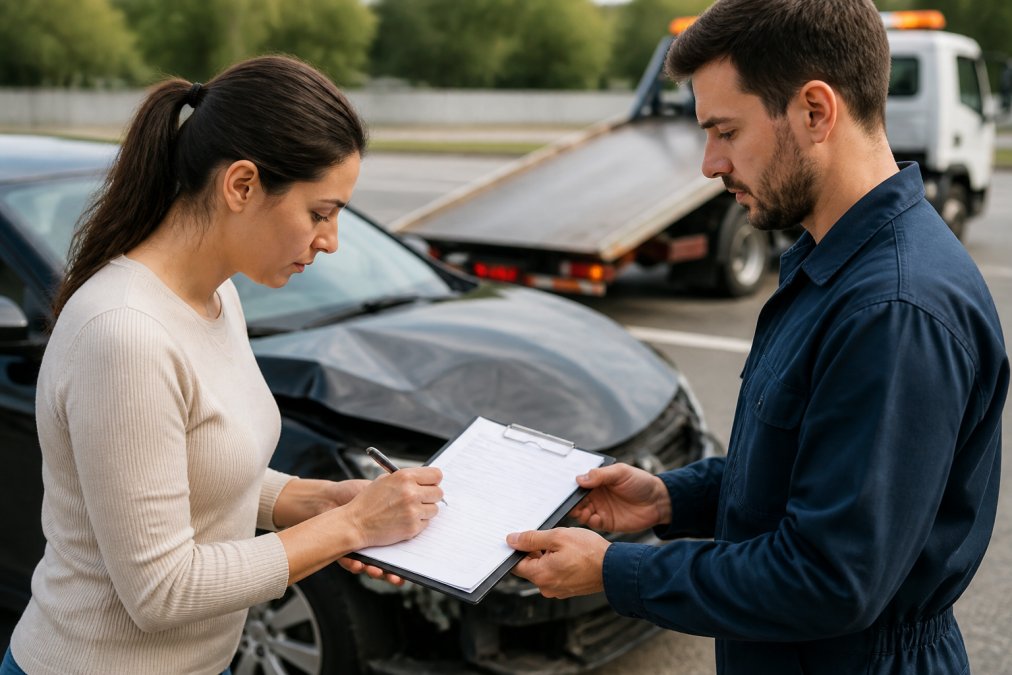
It removes the coordination burden: you're not chasing the repairer for updates or negotiating repair scope with your insurer. Arranging your tow through Victoria's official accident-towing allocation network helps ensure you're not overcharged or sent to a repairer that doesn't suit you.
The key distinction: a coordination service arranges and liaises. It coordinates between you, the repairer, and your insurer so everyone stays aligned.
Making Your Decision: Repair vs. Replace and Cost Considerations
Sometimes the real question isn't which repairer to choose, but whether to repair at all, and what kind of repair the damage calls for. Here's a framework to apply before you book.
Step 1: Match the damage to the repair type
Not all damage needs a smash repairer. Matching severity to method saves time and money:
- Paintless dent repair (PDR), for shallow dents and creases where the paint is intact and the metal hasn't been stretched. Common on doors, guards, and bonnets from car park impacts. Fast and preserves the original factory paint.
- Panel beating and refinishing, for dents with broken paint, scrapes through to primer or metal, and deformation PDR can't lift. Involves filler, sanding, priming, and colour-matched respray.
- Panel replacement, when a panel is creased, torn, or distorted beyond economical repair. New or used panels are fitted, aligned, and painted. Common on doors, guards, and bumper bars.
- Structural repair, when the collision has affected the frame, chassis rails, or crumple zones. Requires a jig or measuring system, and the repair must restore the manufacturer's specified dimensions. Repairer capability matters most here.
- Mechanical and electrical repair, when the accident has damaged suspension, steering, cooling, wiring, or sensors. Often runs alongside panel work.
- Write-off assessment, when repair cost approaches or exceeds the vehicle's market value, the insurer may declare it a statutory or economic write-off. In Victoria, a written-off vehicle must be assessed and recorded before re-registration.
Step 2: Understand what drives the quote
Two repairers can quote very differently for the same damage. The variables that move the number most:
- Parts source, genuine manufacturer parts, quality aftermarket, or recycled/used parts. Genuine is usually dearest but preserves warranty and resale; aftermarket varies in fit and finish; recycled parts are common for older vehicles.
- Paint, a simple colour match on one panel versus blending across adjacent panels to hide the transition. Blending adds cost but avoids a visible mismatch, especially on metallic and pearlescent finishes.
- Labour hours, structural repairs, panel alignment, and electrical diagnosis are labour-heavy. A repairer's hourly rate and estimated hours both affect the total.
- ADAS recalibration, if the vehicle has lane-keep assist, adaptive cruise, autonomous emergency braking, or a windscreen camera, the sensors usually need recalibration after a repair that moves their mounting points. Not all repairers can do this in-house.
- Consumables and disposal, paint materials, seam sealers, and waste disposal are sometimes itemised, sometimes bundled.
Step 3: Apply the repair-vs-replace test
A common industry rule of thumb: if the repair cost approaches a significant proportion of the vehicle's market value, replacement deserves serious consideration. The older and lower-value the vehicle, the lower the repair cost at which replacement becomes rational.
Ask your repairer directly: "If you find additional damage during disassembly, what's the likely cost range, and at what point would you recommend I reconsider?" A clear answer is a genuine decision framework.
Step 4: Factor in the costs that aren't on the quote
- Downtime, days or weeks without your vehicle. Ask whether a courtesy or hire car is included, and whether your policy covers hire car costs.
- Hire car excess, if you're using a hire car arranged through an insurer or repairer, check what you're liable for if it's damaged.
- Towing and storage, if the vehicle is undriveable, towing and storage fees can accrue quickly. In Victoria, accident towing is allocated through the official accident-towing allocation network, which sets maximum fees for the initial tow.
- Post-repair issues, recurring electrical faults, alignment problems, or paint adhesion failures can appear months later. A written workmanship guarantee is your protection.
Step 5: Use a practical comparison checklist
When comparing repairers, score each against the same criteria so the decision isn't driven by whoever answers the phone fastest:
- Written, itemised quote, not a verbal estimate.
- Parts specified, genuine, aftermarket, or recycled, and the warranty on each.
- Paint method, colour match only, or blend across adjacent panels.
- ADAS recalibration, in-house, subcontracted, or not offered.
- Post-repair safety inspection, included or not.
- Workmanship warranty, length and who backs it.
- Turnaround estimate, realistic, with factors that could delay it.
- Courtesy or hire car, available, and at what cost to you.
- Towing arrangement, who organises it and who pays.
- Communication, how updates are provided and how additional damage is approved.
If you're in Melbourne, Geelong, or the Mornington Peninsula and you'd rather not manage the tow, the repair booking, and the insurer liaison yourself, a coordination service can arrange those steps on your behalf while you focus on the decision that matters: repair or replace.
Frequently Asked Questions
Can I choose my own accident repairer, or do I have to use my insurer's preferred repairer?
You have the right to choose your own accident repairer in most cases. While insurers often recommend preferred repairers for streamlined processing, you can select an independent repairer or specialist shop. Check your policy documents and contact your insurer to confirm any restrictions. Using a non-preferred repairer may affect claim processing speed but should not invalidate your claim if the repairer meets safety and quality standards.
What should I compare when choosing a smash repairer?
Key factors include: licensing and insurance credentials, experience with your vehicle make and model, warranty on repairs, turnaround time estimates, customer reviews and star ratings, whether they're equipped for paintless dent repair or panel beating, and their coordination with insurers. Ask for a detailed repair quote and check whether they use genuine or aftermarket parts. Verify their workmanship guarantee and whether they hold any specialist certifications.
What is the difference between an accident repairer and an accident repair coordination service?
An accident repairer is a workshop that performs the physical repairs to your vehicle after a crash. An accident repair coordination service arranges your tow, liaises with your insurer, and coordinates the entire repair process on your behalf. A coordination service doesn't perform repairs itself but acts as your single point of contact, managing communication between you, the repairer, and your insurance company to streamline the post-accident experience.
What should I do if my insurer and I disagree on the repair recommendation?
Request a second opinion from an independent repairer or specialist in your vehicle type. Document the damage with photographs and get a detailed quote from both assessments. Provide your insurer with the alternative assessment in writing. If you believe the repair is necessary for safety or proper restoration, explain your reasoning. You can also escalate the dispute through your insurer's complaints process or seek guidance from the Australian Financial Complaints Authority (AFCA) if you believe the decision is unreasonable.