 how-to
Emergency Towing and Repair Coordination: A 2026 Guide
Table of Contents
- What to Do Immediately After a Vehicle Accident
- How Emergency Towing and Repair Coordination Works
- Managing Post-Accident Vehicle Logistics
- Vehicle Accident Repair Rights and Your Protection
- How to Avoid Repair Shop Kickbacks
- Insurance Claim Coordination and Documentation
- 24/7 Emergency Response and Getting Back on the Road
- Conclusion
Last Updated: August 20, 2026
What to Do Immediately After a Vehicle Accident
Check for injuries first. Move to safety if possible and call emergency services if anyone is hurt or the accident is serious. Turn on hazard lights and move vehicles out of traffic to prevent further collisions.
Document the scene thoroughly. Take photos of vehicle damage from multiple angles, the accident scene, road conditions, and any visible injuries. Capture licence plate numbers of all vehicles involved and note the exact location.

Exchange details with other drivers involved. Get their names, phone numbers, addresses, licence plate numbers, vehicle details, and insurance information. Collect witness contact details if available. A police report can strengthen your position later.
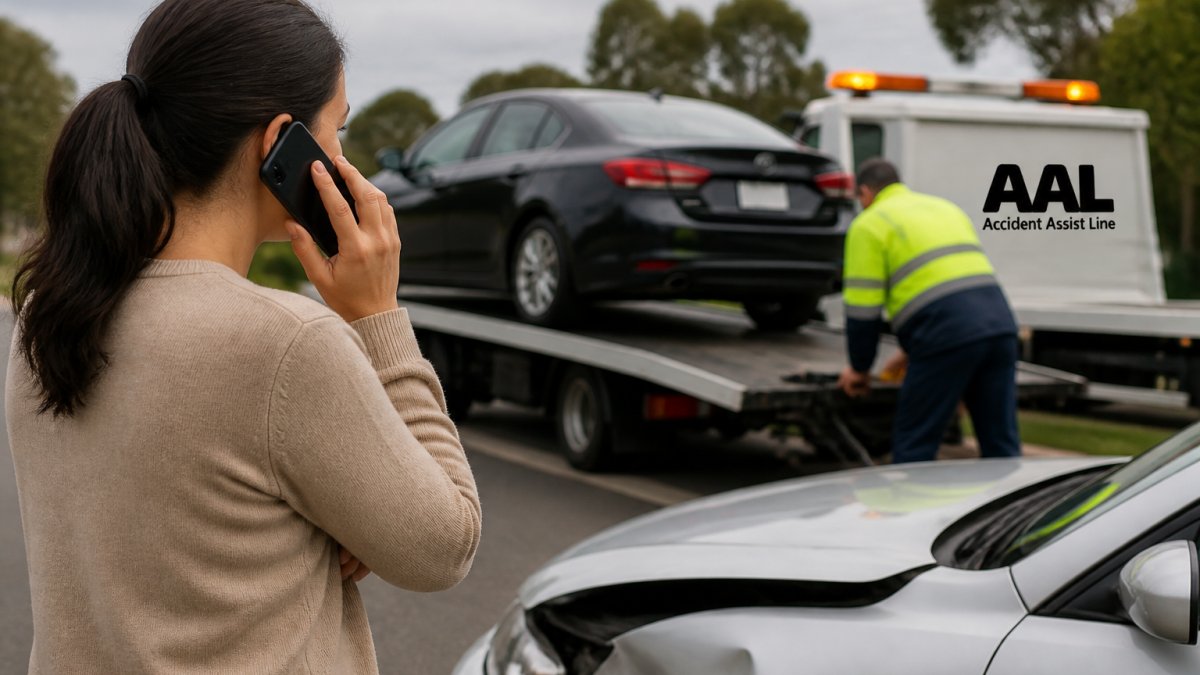
Contact your insurance company as soon as possible. Provide basic facts without speculating or admitting fault. Services like Accident Assist Line offer 24/7 emergency towing and repair coordination, providing callbacks in under 30 seconds to handle logistics while you focus on recovery.
Don't leave the scene without a clear plan for vehicle recovery. Understand whether you need flatbed towing or standard hook towing, as this choice affects both safety and repair outcomes.
How Emergency Towing and Repair Coordination Works
Emergency towing and repair coordination connects immediate vehicle recovery, professional assessment, and repair shop management. When these elements work together, you get back on the road faster.

A dispatch centre receives your location, vehicle details, and accident circumstances. A qualified towing operator is dispatched with appropriate equipment, flatbed for severe damage, standard tow for driveable vehicles. Response time typically ranges from 45-90 minutes in urban zones.
The operator assesses the vehicle and damage to determine whether flatbed or hook towing is necessary. Flatbed towing is mandatory for vehicles with severe structural damage, all-wheel-drive vehicles, or lowered suspensions. Standard hook towing suits vehicles with minor damage and intact drivetrains.
The vehicle is transported to a repair facility. Independent coordination services like Accident Assist Line guide you toward transparent repair options and ensure your interests come first, not kickback incentives.
During transport, arrange a hire car immediately. Coordinated services arrange this within the same phone call that dispatches the tow truck, often collecting you and transporting you to a hire car facility while your vehicle is being recovered.
The repair shop begins damage assessment and prepares a formal repair quote for your insurer's approval. Proper coordination keeps this moving by maintaining clear communication between all parties and flagging delays immediately.
Managing Post-Accident Vehicle Logistics
Post-accident logistics involves arranging transport for yourself, coordinating your vehicle's repair, and managing the hire car arrangement simultaneously.
Arranging Your Hire Car
A hire car bridges the gap between your accident and your vehicle's return. Most insurance policies include hire car cover, but it's often limited to a standard vehicle for a set number of days with daily cost caps.
When arranging a hire car, prioritise availability over preference. Request a vehicle with similar fuel efficiency and size to your own to prevent unexpected costs if your insurer's daily limits are exceeded.
Return the hire car promptly once your vehicle is repaired. Hire car costs accumulate quickly, and every extra day reduces money available for other accident-related expenses.
Coordinating Flatbed vs. Hook Towing Capabilities
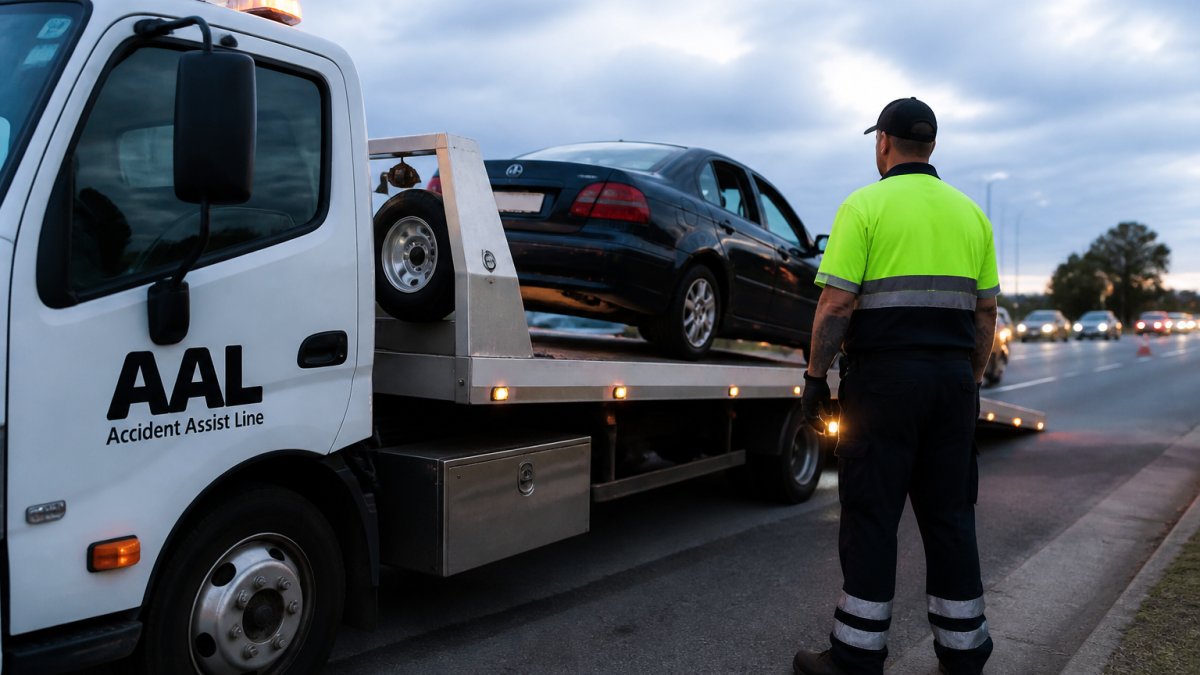
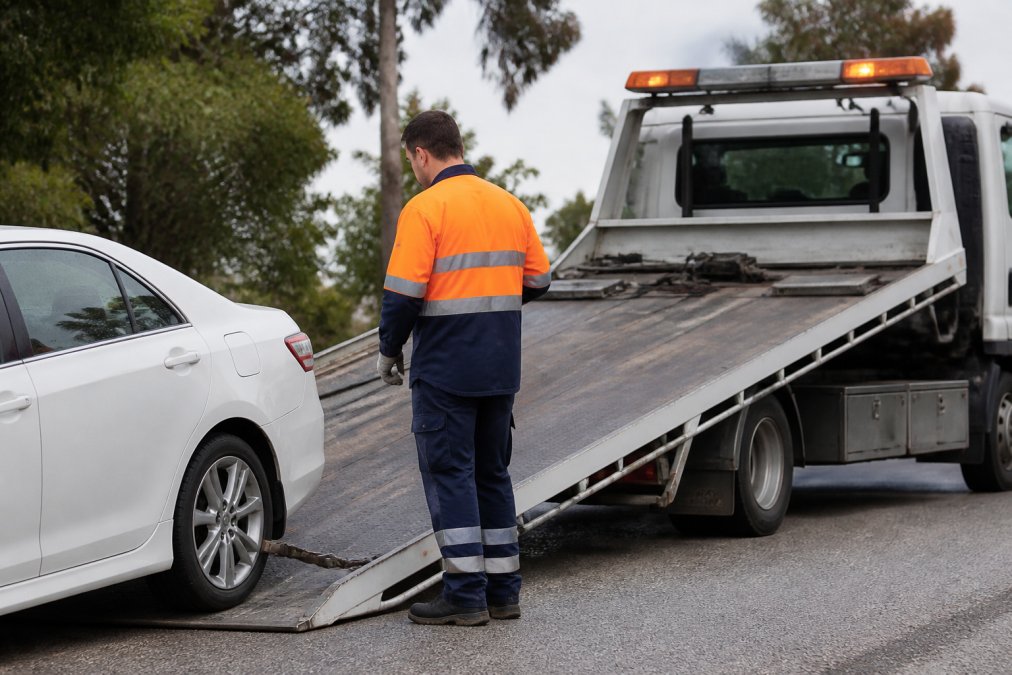
Flatbed towing is appropriate when the vehicle has severe structural damage, compromised suspension, or is all-wheel-drive. The entire vehicle is secured on a flat platform and never touches the road during transport.
Hook towing uses tow points on the vehicle's frame, with one end lifted while the other two wheels remain on the road. This method is faster and less expensive but unsuitable for vehicles with structural damage or drivetrain issues.
The towing operator determines which method is appropriate based on damage assessment. You have the right to request flatbed towing if concerned about secondary damage. Document this request and communicate it to your insurer. If secondary damage occurs after your insurer approved hook towing despite your request for flatbed, you have documented evidence of their decision.
Vehicle Accident Repair Rights and Your Protection
Under Australian Consumer Law, repair services must be provided with due care and skill using parts and materials of acceptable quality. If a repair shop installs cheap aftermarket parts without your explicit consent or performs unnecessary work, you have grounds to dispute the charges.
You have the right to see and approve repair quotes before work begins. Request an itemised quote breaking down labour costs, parts costs, and diagnostic fees. Challenge any line item you don't understand.
You have the right to use a repair shop of your choice, not the one your insurer prefers. Using an independent shop means your interests come first, though some insurers reimburse independent repairs at a lower rate.
Original equipment manufacturer (OEM) parts match your vehicle exactly, while aftermarket parts are cheaper but may not fit perfectly or last as long. You have the right to specify OEM parts in your repair authorisation. Request written documentation if your insurer refuses to cover OEM parts.
How to Avoid Repair Shop Kickbacks
Kickbacks are undisclosed financial arrangements between repair shops, insurers, and towing services that create perverse incentives prioritising shops that pay referral fees rather than shops that repair your vehicle best.
Protect yourself by choosing your own repair shop. Don't accept the tow operator's recommendation. If they insist on a particular shop, ask why. If they can't articulate a specific reason beyond convenience, they're likely receiving a kickback.
Insurers operate similar arrangements through preferred repairer networks. You're not obligated to use a preferred repairer. Using an independent shop costs your insurer more but prioritises your interests.
When selecting a repair shop, verify they're independent and not part of a chain owned by an insurer or major towing company. Request written confirmation that your vehicle will be repaired using OEM parts or quality aftermarket parts of your choice, and that no work beyond the authorised quote will be performed without contacting you first.
Insurance Claim Coordination and Documentation
Start by notifying your insurer within the timeframe specified in your policy. Most policies require notification within 30 days, but notifying immediately is better.
Gather and organise all documentation including photos of the accident scene and vehicle damage, police report, witness contact details, repair quotes, hire car receipts, and medical reports. Create a digital folder with clear naming conventions.
Prepare an itemised list of all expenses with attached receipts and invoices. Your insurer will reimburse only documented expenses.
Communicate with your insurer in writing whenever possible. Email or written correspondence creates a paper trail. If your insurer makes a promise, request written confirmation.
Submit repair quotes to your insurer promptly. Most insurers require quotes within 14 days. If your insurer rejects a quote as too expensive, request itemised breakdown of their concerns.
Track claim progress by setting calendar reminders to follow up if you haven't heard back within their stated timeframe. A service like Accident Assist Line tracks this for you, ensuring nothing falls through the cracks.
Document all communication. Having detailed records becomes crucial if you need to dispute a claim or settlement offer.
24/7 Emergency Response and Getting Back on the Road
True 24/7 emergency response means real people answering your call at any hour, not automated systems. Accident Assist Line operates round-the-clock, providing callbacks in under 30 seconds.
Emergency response services coordinate multiple logistics simultaneously. While you're on the phone explaining the accident, the service dispatches a tow truck, arranges a hire car, and prepares documentation for your insurer. This parallelisation cuts hours off your recovery timeline.
Response time varies by location. Urban areas typically see tow truck arrival within 45-60 minutes. Regional and remote areas may require 2-3 hours. Coordinated services prioritise dispatch immediately rather than waiting for insurer approval.
Getting back on the road involves multiple milestones: vehicle recovery and transport (typically within 24 hours), damage assessment and quote (1-3 days), insurer approval (5-10 days), and repairs (2-5 days for minor repairs; 2-4 weeks for major repairs).
A coordinated service keeps pressure on each stage by following up with the repair shop daily, chasing insurer approvals, and flagging delays immediately. This prevents vehicles from sitting in repair shops for weeks due to inaction.
Hire car arrangements should be ready when you need them, not days later. Coordinated services arrange this immediately, often within the same phone call that dispatches the tow truck.
The stress of a vehicle accident intensifies through the recovery process, repair coordination, insurance claims, and hire car arrangements. Accident Assist Line eliminates this stress by coordinating every element of your recovery in one place. With 24/7 availability, callbacks in under 30 seconds, and direct access to towing, repair, and hire car services, you're never managing the recovery alone. Call for help immediately after an accident and let experienced professionals handle the logistics while you focus on recovery.
Frequently Asked Questions
What should I do immediately after a vehicle accident?
First, check for injuries and move to safety if possible. Turn on hazard lights and call emergency services if anyone is hurt. Exchange details with other drivers involved, take photos of the damage and scene, and note witness contact information. Call your emergency towing and repair coordination service as soon as you're safe, a 24/7 response team can guide your next steps and arrange towing, repairs, and a hire car while you focus on recovery.
How can I avoid repair shop kickbacks after an accident?
Work with an independent service that has no financial ties to repair shops. Ask your coordinator to explain their selection criteria for repair facilities, reputable services choose based on quality, safety standards, and your vehicle type, not commissions. Request itemised quotes before work begins, verify the repairer holds proper licensing, and ensure you retain the right to choose your own repairer under consumer protection laws. Document all agreements in writing and ask your coordinator to explain any unfamiliar charges.
Will using an independent coordination service affect my insurance claim?
No. An independent emergency towing and repair coordination service works alongside your insurance, not against it. Your claim remains valid because the service helps you document damage, arrange recovery, and coordinate repairs, all standard claim activities. In fact, having professional coordination often speeds up claim processing and ensures proper documentation. Always inform your insurer of the service you're using, but your policy coverage and premiums are unaffected by choosing independent support.
What are my rights regarding vehicle repair choice and towing?
Australian Consumer Law protects your right to choose where your vehicle is repaired, even if your insurer has preferred repairers. You can request your vehicle be towed to a repairer of your choice, though your insurer may only cover costs up to a certain amount if you choose a non-preferred facility. You also have the right to transparent pricing, a written quote before work starts, and access to genuine parts or equivalent alternatives. An independent coordination service can help you understand these rights and enforce them.
This article was written using GrandRanker