 how-to
How to Avoid Repair Shop Kickbacks: 2026 Guide
Table of Contents
- What Repair Shop Kickbacks Actually Look Like
- Mechanic Overcharging Signs You Should Not Ignore
- How to Read a Mechanic Invoice Without Getting Burned
- Your Rights Under Australian Consumer Law for Vehicle Repairs
- How to Ask for a Second Opinion on Car Repairs
- Checklist for Verifying Repair Shop Legitimacy
- How to Avoid Repair Shop Kickbacks After an Accident
- Conclusion
Last Updated: August 12, 2026
What Repair Shop Kickbacks Actually Look Like
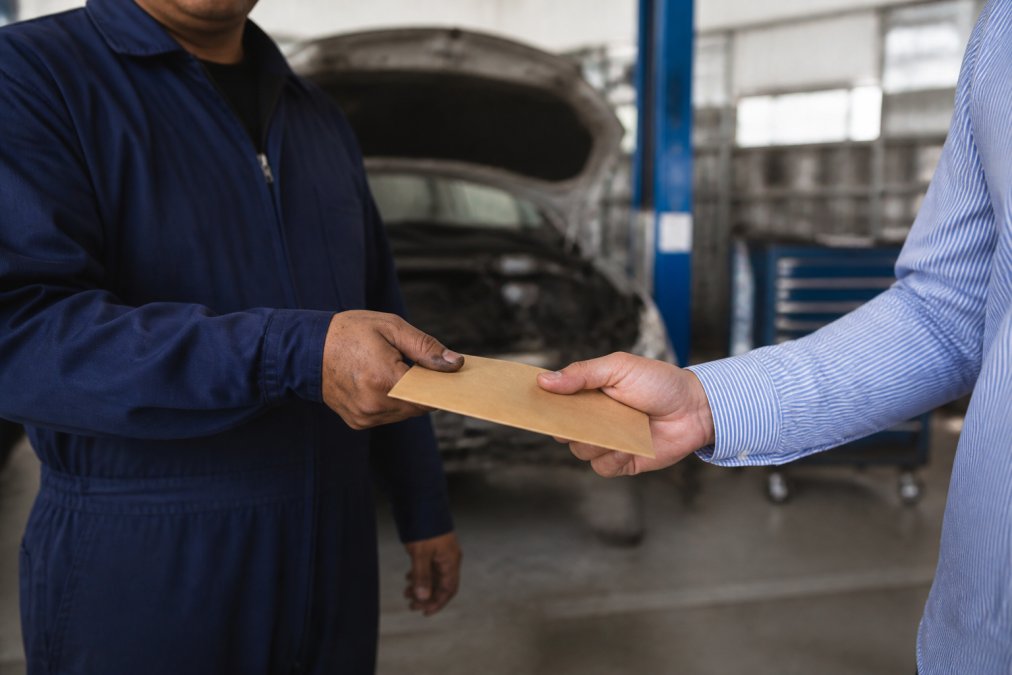
Repair shop kickbacks are payments, gifts, or referral arrangements that direct your vehicle to a specific repairer in exchange for a financial benefit to a third party, not to you. The person recommending the shop may have a financial incentive unrelated to repair quality.
This matters because the repairer chosen for you may not be the best option. They may charge inflated labour rates, use substandard parts, or perform unnecessary work to justify the referral fee. The cost lands on your repair invoice.
At Accident Assist Line, we field calls from drivers who discovered they were directed to a repairer by someone with a hidden financial stake. The patterns are consistent and worth understanding before you need a repair.
Kickbacks vs. Legitimate Referral Fees: The Legal Difference
Not every referral arrangement is illegal. A legitimate referral fee is disclosed to the consumer, agreed upon transparently, and does not inflate service costs. Under the Australian Consumer Law framework administered by the ACCC, businesses must not engage in misleading or deceptive conduct. An undisclosed financial incentive that influences a recommendation without the consumer's knowledge crosses that line.
A kickback is a concealed payment. A tow truck operator who receives a fee for delivering your vehicle to a specific smash repairer without disclosing that arrangement operates in territory that consumer protection regulators treat seriously.
The practical test: if the person recommending a repairer would benefit financially from your choice and has not told you, treat it as a red flag.
Common Schemes: Bandit Tow Trucks, Airbag Fraud, and Glass Fraud
Three schemes account for the majority of complaints in the post-accident repair space.
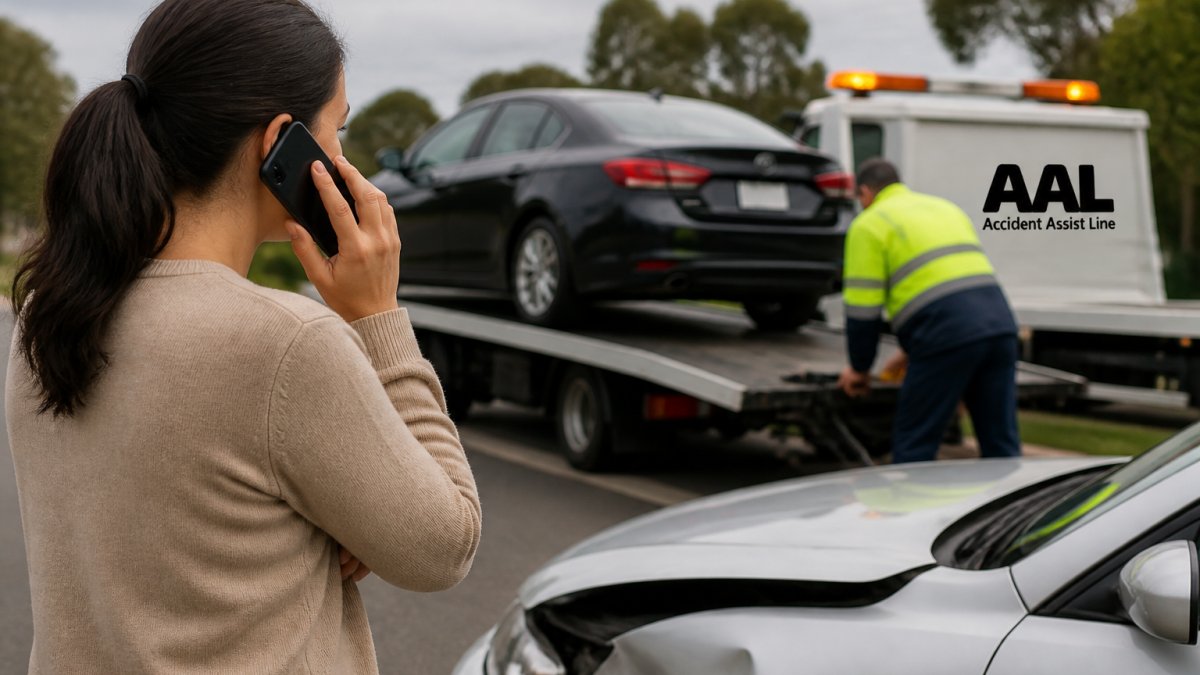
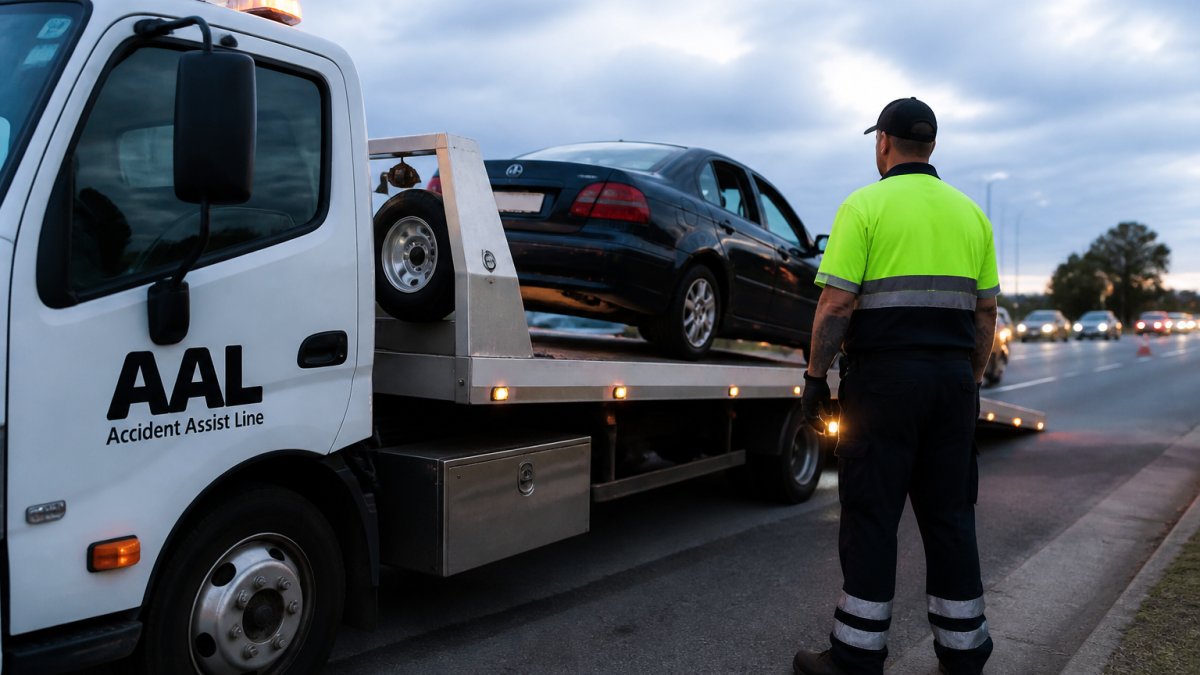
Bandit tow trucks attend accident scenes without being called, often arriving before a requested tow truck. Drivers in distress agree to be towed to a repairer they did not choose. The tow operator collects a referral payment from the repairer upon delivery.
Airbag fraud involves replacing deployed airbags with non-compliant or counterfeit components billed at OEM prices. The repairer charges for genuine airbag modules but installs cheaper alternatives, pocketing the difference. This is both financial fraud and a safety issue.
Glass fraud follows a similar pattern: windscreen replacements billed at OEM glass prices but fulfilled with aftermarket glass of lower specification.
Mechanic Overcharging Signs You Should Not Ignore
The clearest mechanic overcharging signs show up as small inconsistencies on your repair invoice that most drivers never scrutinise.
Watch for these patterns:
- Labour hours that do not match published times. Most repairs have industry-standard labour times published by manufacturers. A job quoted at six hours when the standard is three warrants explanation.
- Vague line items. "Miscellaneous parts" or "general repairs" with no itemisation are not acceptable.
- Parts listed without part numbers. Legitimate repairers specify the exact part, including the manufacturer part number.
- Diagnostic charges with no written findings. If charged for a diagnostic assessment, you are entitled to a written report.
- Pressure to authorise work immediately. Repairers who discourage second opinions often benefit most from you not getting one.
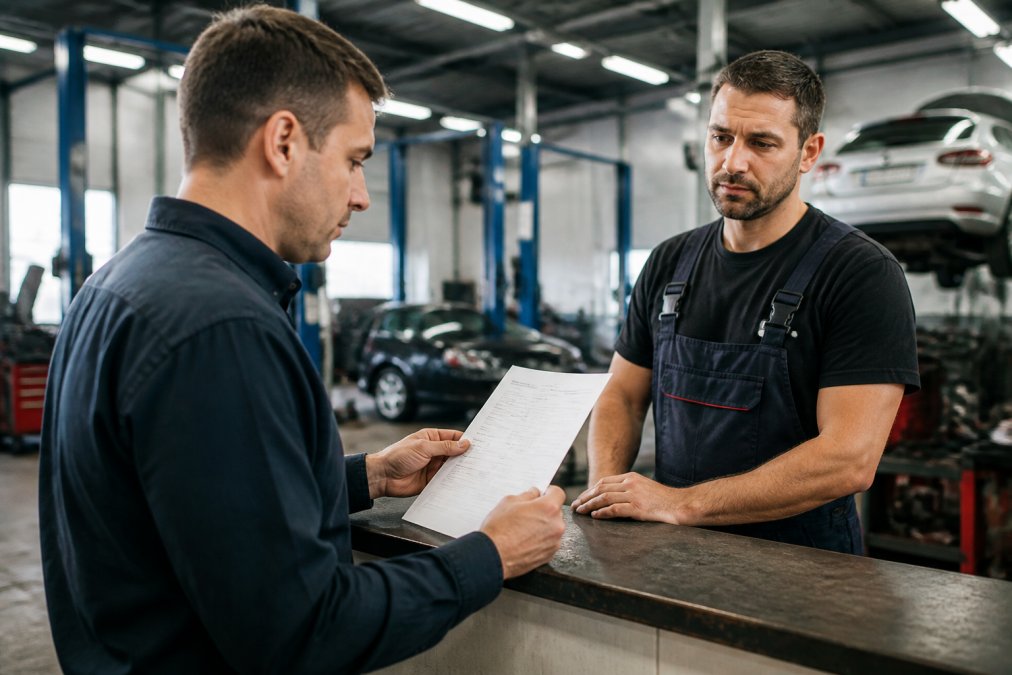
An invoice can be well-presented and still contain inflated labour charges or parts substitutions you were never told about.
How to Read a Mechanic Invoice Without Getting Burned
Reading a mechanic invoice correctly means checking three things: what was done, what parts were used, and what each element cost separately.
Start by separating labour from parts. Every professional invoice should list these as distinct line items. Check the total hours against the work described. A brake pad replacement on a standard passenger vehicle does not take four hours.
Verify that any replaced parts are listed with a part number, unit price, and quantity. This makes it possible to cross-check whether you received OEM or aftermarket components and whether the price charged reflects what was actually supplied.
OEM Parts vs. Aftermarket Parts: What Your Invoice Should Specify
OEM parts are components manufactured to the original vehicle manufacturer's specification. Aftermarket parts are produced by third-party manufacturers and may vary in quality, fit, and longevity.
The problem arises when a repairer charges OEM prices for aftermarket parts without disclosing the substitution. According to the ACCC's guidance on consumer guarantees and repairs, consumers have the right to be informed about the parts being used in their vehicle repair.
Your invoice should specify for every replaced component:
- Whether the part is OEM, aftermarket, or reconditioned
- The manufacturer of the part
- The part number
- The unit price
If your invoice does not include this, request a revised version before settlement.
Your Rights Under Australian Consumer Law for Vehicle Repairs
Australian Consumer Law vehicle repairs are governed by the Competition and Consumer Act 2010 and the Australian Consumer Law schedule, which gives you enforceable rights regardless of whether you are paying out of pocket or through an insurer.
The key rights relevant to vehicle repairs are:
- Consumer guarantees on services: Repairs must be carried out with due care and skill, within a reasonable time, and using materials that are fit for purpose.
- Right to a written quote: You can request a written quote before authorising any work. The repairer cannot charge more than the quoted amount without your consent.
- Right to authorise work: No repair can legally proceed without your explicit authorisation.
- Right to a remedy for defective work: If a repair fails or was not carried out properly, you are entitled to a remedy, which may include a re-do, a refund, or compensation.
Written Quotes, Repair Authorisation, and Comeback Repairs
A comeback repair is when a vehicle returns to the repairer because the original repair has failed or was incomplete. Repeat comebacks indicate poor quality control.
Before authorising any repair:
- Get the quote in writing, itemised by labour and parts
- Confirm the expected completion date in writing
- Ask what warranty applies to the repair and get that in writing
If you experience a comeback repair, document everything. Photograph the fault, keep all invoices and communications, and request a written explanation from the repairer. If the repairer refuses to rectify the work, escalate to your state's consumer protection agency: Consumer Affairs Victoria, NSW Fair Trading, or the Office of Fair Trading in Queensland.
How to Ask for a Second Opinion on Car Repairs
Asking for a second opinion on car repairs is your right, and any repairer who discourages it is worth leaving.
The process is straightforward:
- Do not authorise the original repair yet. Once you sign, the repairer can proceed.
- Request your vehicle back if it has not been disassembled. You are entitled to take your vehicle elsewhere before work begins.
- Ask for a written copy of the first assessment. This gives the second repairer a baseline to work from.
- Choose an independent repairer. Avoid shops in the same network or with a visible referral relationship to the first.
- Compare the quotes line by line. Differences in labour hours or parts specifications are the most revealing.
The Role of Third-Party Inspections in Dispute Resolution
A third-party inspection is an assessment of your vehicle carried out by an independent assessor with no financial relationship to either the repairer or the insurer. This is the most effective tool for resolving a repairer dispute.
Third-party inspections are particularly useful when a repairer claims damage is unrelated to the accident, you suspect inflated damage estimates, a comeback repair has been refused, or assessments do not align. The assessor's written report becomes a formal document that can be used in negotiations, complaints to consumer protection agencies, or tribunal proceedings.
Checklist for Verifying Repair Shop Legitimacy
Use this checklist before authorising any vehicle repair. A legitimate repairer will have no difficulty meeting every item.
- The repairer has a physical address and a verifiable ABN
- They can provide a written, itemised quote before work begins
- The quote separates labour and parts with specific part numbers
- They disclose whether parts are OEM, aftermarket, or reconditioned
- They can provide a written repair warranty (ask for the duration and scope)
- They have no objection to you seeking a second opinion
- They can provide a written repair authorisation form for your signature
- There is no pressure to decide immediately or sign before reading
- They have verifiable online reviews across multiple platforms
- They can explain the repair process in plain language
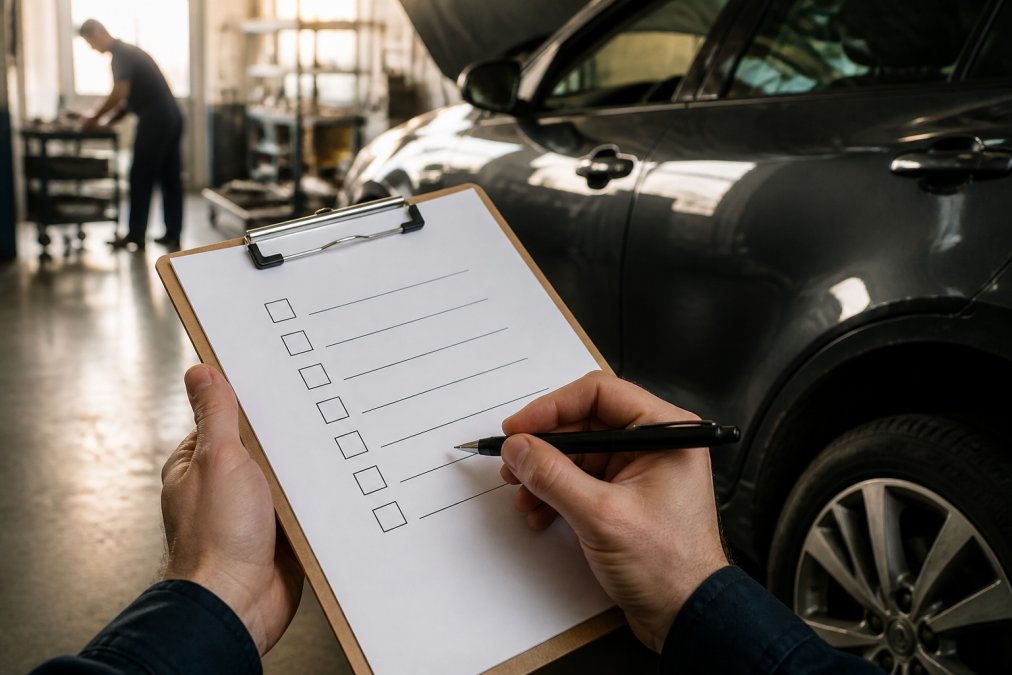
The checklist works best when you run through it before your vehicle is towed anywhere. Once a vehicle is at a shop, your negotiating position weakens.
How to Avoid Repair Shop Kickbacks After an Accident
The post-accident window is when repair shop kickbacks are most likely to occur. You are stressed, possibly injured, and under pressure to make decisions quickly.
Here is how to protect yourself in the immediate aftermath:
- Do not agree to be towed by an unsolicited operator. If a tow truck arrives that you did not call, you are not obligated to use them.
- Do not sign anything at the scene beyond what police require. Tow authorities and repairers sometimes present authorisation forms at the roadside.
- Call an independent assistance service before committing to a repairer. Independent services have no financial stake in which repairer you choose.
- Ask the tow operator directly: "Do you receive a referral payment from the repairer you are taking me to?" Their answer is informative.
- Photograph your vehicle thoroughly before it is moved. This is your baseline for any subsequent dispute about damage extent.
- Keep a record of every conversation. Names, times, what was said. This documentation matters if a dispute arises.
Avoiding repair shop kickbacks after an accident is largely about slowing down a process designed to feel urgent. The pressure to decide immediately is manufactured. Your rights do not expire at the roadside.
| Step | What to Do | Why It Matters |
|---|---|---|
| Before authorising repairs | Get a written, itemised quote | Prevents inflated charges being added later |
| Check parts specification | Confirm OEM vs. aftermarket in writing | Stops substitution fraud at invoice stage |
| Before signing anything | Verify repairer ABN and reviews | Confirms legitimacy before commitment |
| If unsatisfied with quote | Request a second opinion | Creates a comparison baseline for disputes |
| Post-repair fault | Document and request written explanation | Supports comeback repair claim under ACL |
| After an accident | Call an independent service first | Avoids unsolicited tow operators with kickback arrangements |
Repair shop kickbacks are preventable. The drivers who avoid them simply slow down, ask the right questions, and do not let urgency override their consumer rights.
Navigating a vehicle repair after an accident is stressful enough without discovering that the repairer you were sent to had a financial arrangement you knew nothing about. Accident Assist Line operates as a fully independent service with no referral arrangements with repairers, no kickback structures, and no financial incentive to direct you anywhere specific. When you call, you get a callback in under 30 seconds, and we organise towing, repairs, and a hire car based on your needs, not ours. Call Accident Assist Line and get back on the road with confidence.
Frequently Asked Questions
Are mechanics legally required to provide a written quote in Australia?
Yes. Under Australian Consumer Law and state-level fair trading legislation, repairers must provide a written quote before starting work if the cost will exceed a set threshold, typically $50 in most states. You must authorise the work before it begins. If the final bill exceeds the quoted amount by more than 10% without your prior approval, you have grounds to dispute the charge with your state's fair trading office.
What are the red flags of a dishonest mechanic or repair shop?
Watch for vague or verbal-only quotes, pressure to approve work immediately, inflated damage estimates that don't match visible damage, invoices listing parts without specifying OEM or aftermarket, and refusal to return your old parts. Repeat repairs for the same fault, known as comebacks, without explanation are also a warning sign. Any shop that discourages you from seeking a second opinion or third-party inspection should be treated with caution.
What should I do if I suspect a repair shop is overcharging me?
Start by requesting an itemised invoice showing labour charges, parts specifications, and service order details. Compare quoted labour hours against published times for that repair. Ask for your old parts back, repairers are generally obliged to return them. If the dispute continues, contact your state's fair trading office: Consumer Affairs Victoria, NSW Fair Trading, or the Queensland Office of Fair Trading. You can also seek a technical assessment from an independent repairer before escalating.
How do repair shop kickbacks affect my insurance claim?
When a tow truck driver or assessor receives a kickback for steering your vehicle to a particular repairer, the shop often recovers that cost through inflated labour charges, deductible burying, or billing for parts not actually fitted. This can inflate your insurer's payout, potentially affecting future premiums. Choosing your own repairer, or using an independent accident coordination service, removes that financial incentive and gives you greater transparency over your repair invoice and service history.
This article was written using GrandRanker