 how-to
How to Report a Minor Car Accident in Australia
Table of Contents
- What to Do After a Car Accident: Immediate Steps at the Scene
- Exchange of Particulars: Using a Car Accident Information Exchange Form
- How to Report a Minor Car Accident to Police: State-by-State Requirements
- Online Crash Reporting: Using Your State's Online Reporting Facility
- Digital Evidence Management: Dashcam Footage and Witness Statements
- Not at Fault Accident Replacement Vehicle: Your Entitlements and Next Steps
- Filing an Insurance Claim After a Minor Car Accident
- Frequently Asked Questions
Last Updated: September 15, 2026
What to Do After a Car Accident: Immediate Steps at the Scene
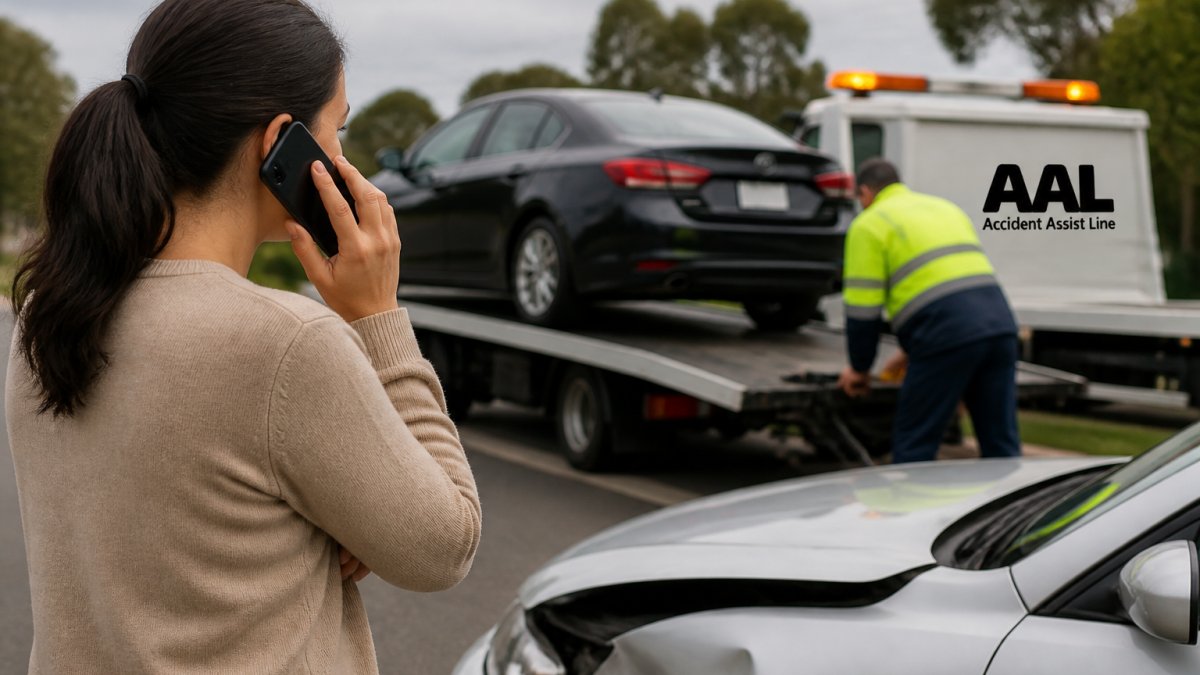
Knowing how to report a minor car accident in Australia starts with the first five minutes at the scene. This guide from Not At Fault? Get More Than Just A Free Rental Car. covers what to do after car accident, from checking for injuries to lodging a police report and managing digital evidence.
A minor collision can still leave you shaken, and the first few minutes shape your insurance claim, your police report, and how quickly you get back on the road. Most drivers have never done this before, so the process feels unfamiliar.
Check for Injuries and Call Triple Zero (000) if Needed
Call Triple Zero (000) immediately if anyone is injured, trapped, or in danger. For a minor collision with no injuries, you do not need emergency services, but confirm everyone is unhurt before doing anything else.
Common mistake: assuming a minor collision means no one is hurt. Adrenaline masks pain, so check with every driver and passenger.
Move to Safety and Warn Other Drivers
Move your vehicle out of traffic if safe, then switch on your hazard lights. If the cars cannot be moved, stay clear of traffic and warn approaching drivers.
- Switch on hazard lights immediately
- Move to the shoulder or a side street if the vehicles are drivable
- Set up a warning triangle if you have one
- Keep yourself and passengers behind a barrier where possible
Exchange of Particulars: Using a Car Accident Information Exchange Form
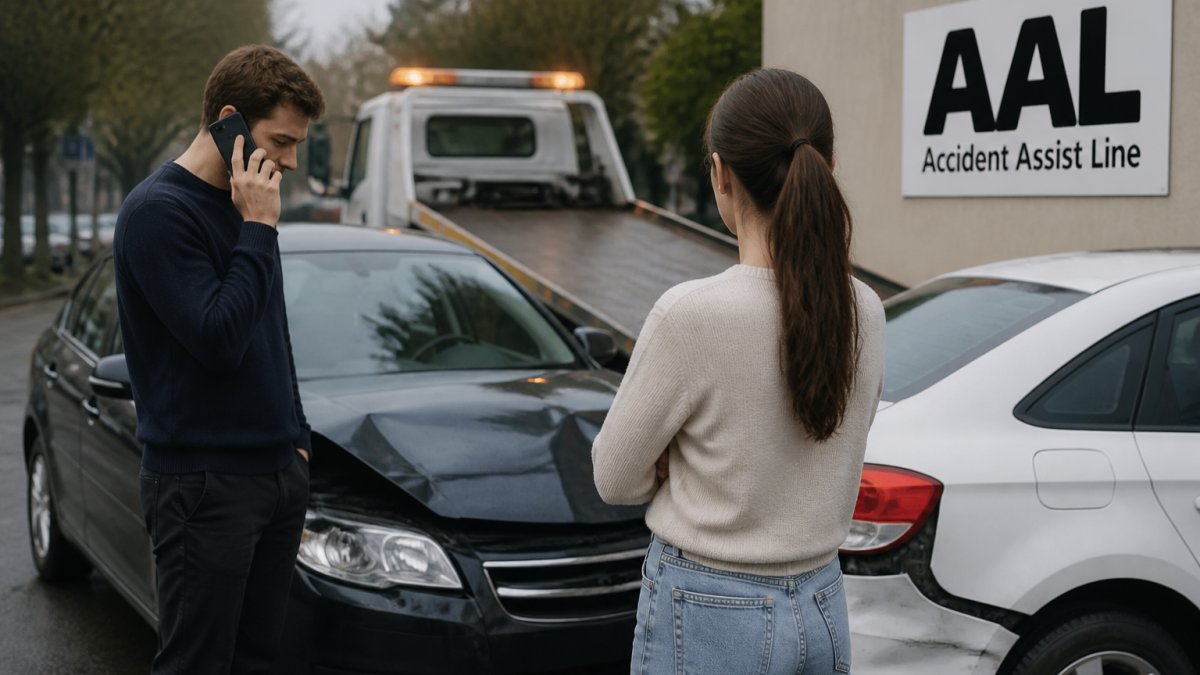
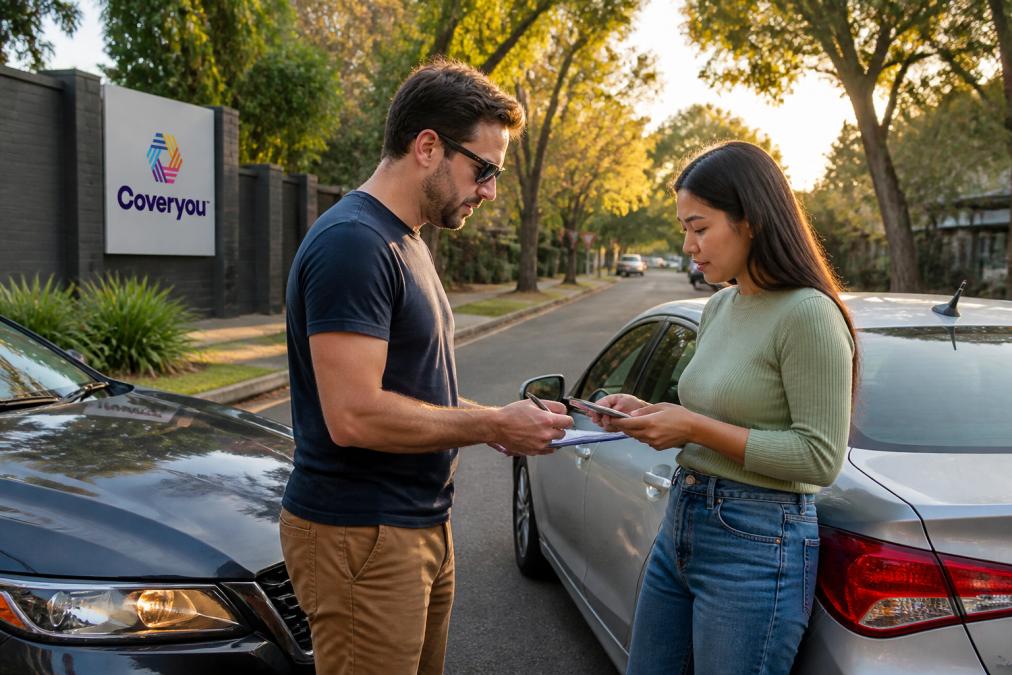
A car accident information exchange form records both drivers' details and protects you if the other party later disputes what happened. Download a template from your state road authority, or write the details on your phone.
What Details to Collect from the Other Driver
Collect the following from every driver involved:
- Full name and residential address
- Driver licence number and state of issue
- Vehicle registration number, make, and model
- Insurance company and policy number
- Contact phone number and email
If the Other Driver Refuses to Provide Details
If the other driver refuses to exchange particulars, note their registration and vehicle description, then report the incident to police. Refusing to provide details is a legal obligation issue, not a negotiation.
How to Report a Minor Car Accident to Police: State-by-State Requirements
You must report a minor car accident to police when someone is injured, a driver fails to exchange details, a driver appears affected by drugs or alcohol, or the incident meets your state's reporting threshold (nsw.gov.au). That threshold is not uniform across the country.
The Two Reporting Triggers You Need to Know
Almost every state uses one of two triggers:
- Injury or specified damage threshold, you must report if anyone was injured, or if the damage to any vehicle or property exceeds a set dollar figure. That figure differs by jurisdiction.
- Failure to exchange particulars, if the other driver leaves, refuses to give details, or cannot be identified, you must report regardless of damage amount.
If neither trigger applies, you generally do not need a police report, but you may lodge one for insurance purposes.
State-by-State Reporting Snapshot
Use this as a starting point, then confirm the current rule with your state or territory police service, as thresholds and windows change.
| State or territory | Typical reporting trigger for a minor crash | Where to report |
|---|---|---|
| New South Wales | Injury, or damage above the prescribed threshold; failure to exchange details | NSW Police Force online reporting or local station |
| Victoria | Injury, or damage above the prescribed threshold; failure to exchange details | Victoria Police online reporting or local station |
| Queensland | Injury, or damage above the prescribed threshold; failure to exchange details | Queensland Police Service online reporting or local station |
| Western Australia | Injury, or damage above the prescribed threshold; failure to exchange details | WA Police Force online reporting or local station |
| South Australia | Injury, or damage above the prescribed threshold; failure to exchange details | South Australia Police online reporting or local station |
| Tasmania | Injury, or damage above the prescribed threshold; failure to exchange details | Tasmania Police online reporting or local station |
| Australian Capital Territory | Injury, or damage above the prescribed threshold; failure to exchange details | ACT Policing online reporting or local station |
| Northern Territory | Injury, or damage above the prescribed threshold; failure to exchange details | NT Police Force online reporting or local station |
Interactive Decision Tree: Which Reporting Path Applies to You?
Work through these in order. The first 'yes' tells you what to do.
- Is anyone injured, trapped, or in danger? Call Triple Zero (000) immediately. Do not use an online form.
- Has a driver fled, refused details, or appeared affected by drugs or alcohol? Call the non-emergency police line for your state as soon as it is safe. This is a reportable incident regardless of damage.
- Does the damage exceed your state's prescribed threshold? Lodge a report through your state's online reporting facility or at a local station.
- Is the other driver insured and cooperative, with details exchanged and no injuries? You may not need a police report at all. Notify your insurer and keep the exchange form.
- Unsure whether you meet the threshold? Report anyway.
Timeframes and Reporting Windows
When to Call Triple Zero (000) vs Non-Emergency Assistance
| Situation | Who to Call | When |
|---|---|---|
| Injury, trapped person, danger | Triple Zero (000) | Immediately |
| Minor collision, no injuries, details exchanged | Non-emergency police line | Within your state's reporting window |
| Other driver fled or refused details | Non-emergency police line | As soon as safe to call |
| Hazard blocking traffic | Triple Zero (000) | Immediately |
Online Crash Reporting: Using Your State's Online Reporting Facility
What the Online Form Is Designed For
Information You'll Need for an Online Report
Have these ready before you start:
What Happens After You Submit: Reference Number and Next Steps
How to Store Your Evidence Safely
If You Do Not Receive a Reference Number
Digital Evidence Management: Dashcam Footage and Witness Statements
Not at Fault Accident Replacement Vehicle: Your Entitlements and Next Steps
How to Claim a Replacement Vehicle Without Affecting Your Insurance
Filing an Insurance Claim After a Minor Car Accident
Frequently Asked Questions
Do I need to report a minor car accident to the police?
It depends on your state or territory. In New South Wales, you must report to police within 24 hours if anyone was injured, the other driver failed to stop or exchange details, or a vehicle was towed. In Victoria, you must report if someone was injured or property was damaged. Queensland requires reporting if anyone was injured. For minor accidents with no injuries and all details exchanged, you usually don't need to call police, but you must still exchange particulars and notify your insurer.
What information should I exchange after a minor car accident?
Collect the other driver's full name, address, phone number, email, driver licence number, vehicle registration, make, model, and insurer details. Use a car accident information exchange form or capture photos of their licence and registration. Also note the location, time, weather, and road conditions. This information is essential for your insurance claim and any online crash report you may need to file.
How do I report a car accident online?
Each state has an online reporting facility. In New South Wales, use the NSW Police Force Community Portal. In Victoria, use the Victoria Police online reporting form for non-emergency incidents. Queensland has a similar online system. You'll need your driver licence, vehicle registration, the other driver's details, and a description of what happened. After submitting, you'll receive a reference number. Keep this number for your insurance claim.
What happens if the other driver refuses to provide details?
If the other driver refuses to exchange particulars, call your local police non-emergency line (like 131 444) or report online as soon as possible. Provide their vehicle registration if you have it. Police can follow up. This also strengthens your insurance claim. In some states, failing to exchange details is an offence. Never leave the scene without attempting to get their information, and note any witnesses or dashcam footage.
A minor collision still throws your week into chaos, and the paperwork rarely waits for a convenient moment. If the accident was not your fault, Not At Fault? Get More Than Just A Free Rental Car. arranges a like-for-like replacement vehicle and covers your fuel while your car is repaired, so you are not stuck paying for petrol on top of everything else. Get started with Not At Fault? Get More Than Just A Free Rental Car. and get back on the road without the runaround.