 listicle
7 Steps to Take After a Car Accident: 2026 Guide
Table of Contents
- Step 1: Secure the Scene and Check for Injuries
- Step 2: What Information to Collect After a Car Accident
- Step 3: Reporting a Car Accident to Police
- Step 4: Document the Scene and Preserve Digital Evidence
- Step 5: Navigating the Car Accident Insurance Claim Process
- Step 6: Arrange Towing and Vehicle Recovery
- Step 7: Manage Stress and Seek Medical Assessment
- Conclusion
- Frequently Asked Questions
Last Updated: September 11, 2026
Step 1: Secure the Scene and Check for Injuries
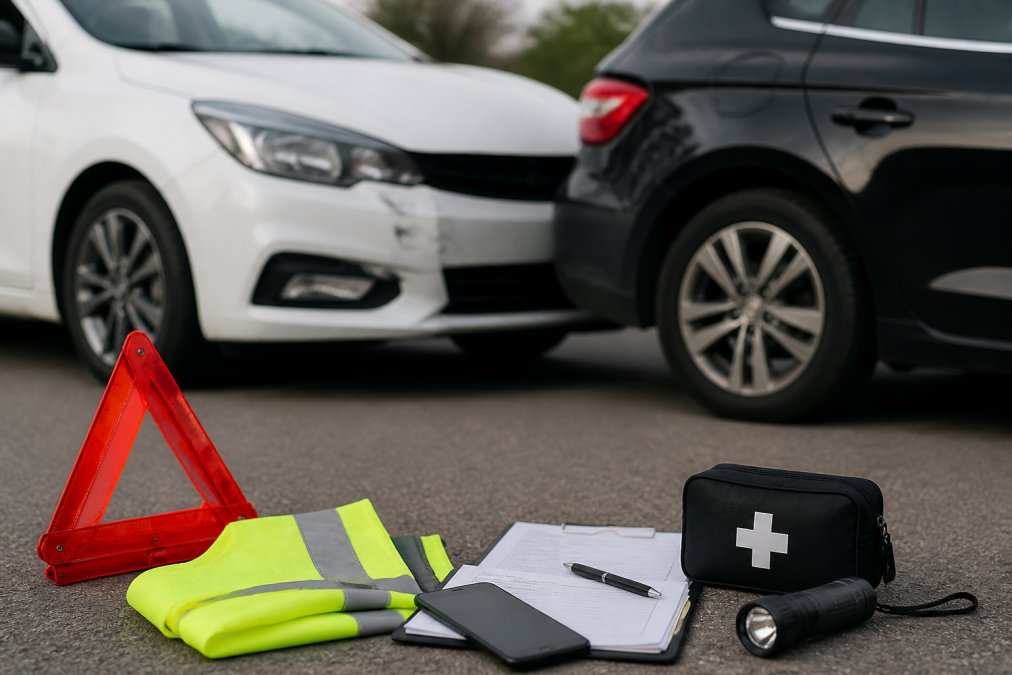
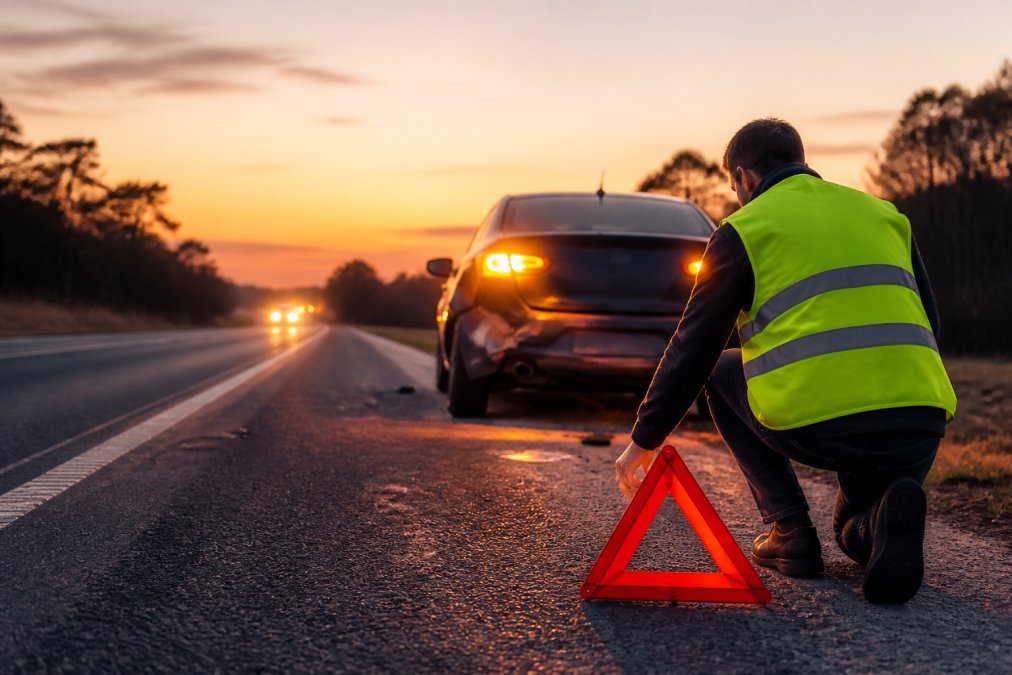
The first of the 7 steps to take after a car accident is safety, not paperwork. Switch on your hazard lights, check yourself and your passengers for injuries, and call emergency services on 000 if anyone is hurt or the scene is unsafe. Move to a safe spot only if the vehicle can be driven and doing so will not put anyone at greater risk.
What most guides get wrong is treating this as a formality. It isn't. Standing between moving traffic to inspect a dent is how minor bingles turn into serious injuries.
Once everyone is clear of danger, take a breath. The 7 steps to take after a car accident start here, and everything that follows depends on getting this first one right.
Step 2: What Information to Collect After a Car Accident
Knowing what information to collect after a car accident comes down to four categories: people, vehicles, insurance, and witnesses. Exchange details with the other driver, including full name, phone number, driver licence number, registration number, and their insurer. Note the vehicle identification number (VIN) if you can see it through the windscreen.
Gather the same details from any other drivers involved, and take down witness names and contact numbers before people leave the scene. Witness statements become far harder to obtain a day later.
A common mistake is handing over your phone and letting the other party scroll through it. Read your own details aloud instead, or write them down. You control what you share.
| Detail to Collect | From Whom | Why It Matters |
|---|---|---|
| Full name and phone number | All drivers | Enables follow-up and claim contact |
| Driver licence number | All drivers | Confirms identity and licence status |
| Registration number | All vehicles | Identifies the vehicle in any collision report |
| Insurer and policy number | All drivers | Speeds up the insurance claim process |
| Witness names and numbers | Bystanders | Supports liability assessment if fault is disputed |
Step 3: Reporting a Car Accident to Police
Reporting a car accident to police is a legal requirement in specific circumstances and a smart move in almost all of them. The threshold most people get wrong is the injury trigger: if anyone was injured, even a passenger who says they're fine, you are generally required to report the matter to police. The same applies if a driver failed to stop and exchange details, if you suspect the other driver was affected by alcohol or drugs, or if there is significant property damage.
For minor collisions where all parties exchange details and no one is hurt, a police report is often optional. Even then, a collision report creates an official record that can help later if the other driver changes their story, and insurers routinely ask for the reference number when a claim is lodged.
How to report, by urgency:
- Life-threatening emergency or the scene is unsafe: call 000 immediately.
- Injury, suspected impairment, or a driver who failed to stop: call 000 or your state's police assistance line as soon as it is safe.
- Minor collision, no injuries, details exchanged: attend a police station in person or lodge a report through your state or territory's online reporting portal within a reasonable timeframe. Reporting windows vary by jurisdiction, so don't assume you have unlimited time.
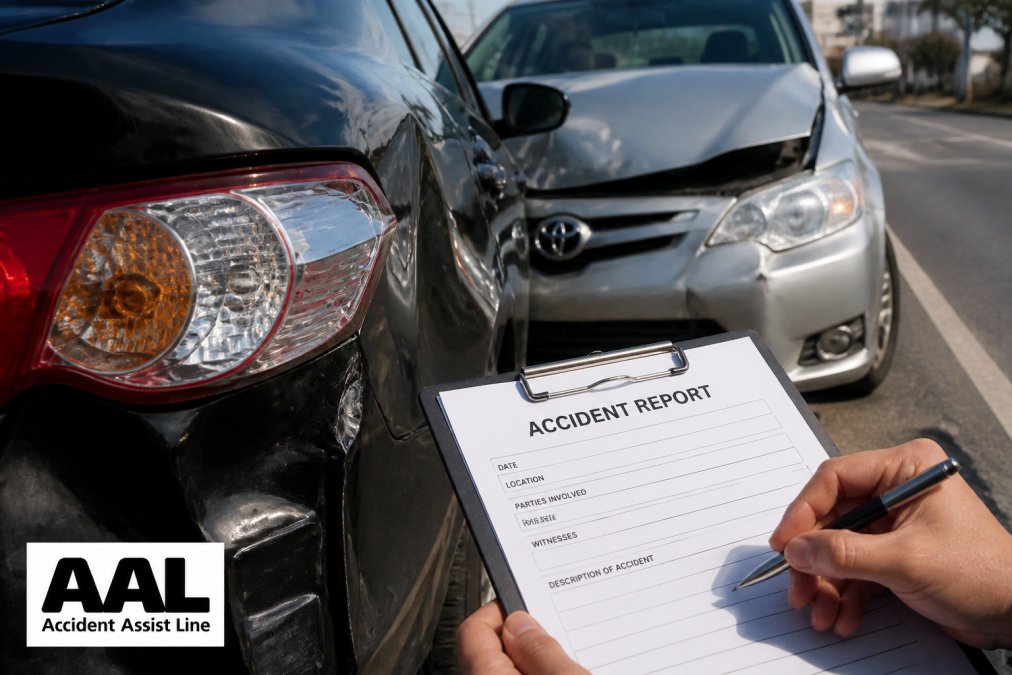
What a collision report actually captures. When you lodge a report, you'll typically be asked for the date, time, and location; the registration numbers and drivers of all vehicles; a description of the damage; weather and road conditions; and a written account of what happened. That written account is the part that matters most later; keep it factual, avoid speculation about fault, and don't pad it with emotion. Investigators and insurers read it as a contemporaneous record.
A note on fault and police reports. A police report does not determine civil liability; that is a matter for insurers and, if it comes to it, the courts. But the report is persuasive evidence. If you told the attending officer something at the scene that you later realise was inaccurate, correct it in writing as soon as possible rather than hoping it goes unnoticed.
Find your state or territory police assistance line and online reporting portal
Step 4: Document the Scene and Preserve Digital Evidence
Photographic evidence is a critical asset in a post-accident claim, and digital evidence preservation is where many people fall short. Take wide shots of the accident scene from multiple angles, close-ups of all damage, and photos of the road conditions, signage, and any skid marks. Capture number plates clearly.
Then back everything up. Upload photos to cloud storage the same day, before your phone is lost, damaged, or wiped. If you have dashcam footage, download it immediately; many systems overwrite footage on a rolling loop within hours. (consumer.ftc.gov) is a resource for digital safety, though not specific to dashcam footage in accidents.
Step 5: Navigating the Car Accident Insurance Claim Process
The car accident insurance claim process moves faster when you lodge early and keep your records organised. Contact your insurer as soon as practical, provide the collision report reference, and submit your photos and witness details in one batch rather than dribbling them in over several calls.
Here's the part that surprises people: you are not obliged to accept the first repairer or the first settlement figure your insurer offers. You can seek your own repair estimate, and in many cases you can choose your own repairer.
If you'd rather not manage the back-and-forth yourself, an independent service such as Accident Assist Line can coordinate towing, repairs, and a hire car while you deal with everything else. It's not a replacement for your insurer, but it removes the logistical load.
Step 6: Arrange Towing and Vehicle Recovery
Towing services should be arranged only after you've confirmed where the vehicle is going. A damaged car towed to the wrong location creates a storage fee problem that compounds daily, and unlike most accident costs, storage fees are often not fully covered by insurance. Ask the tow operator for the destination address and get it in writing before the vehicle leaves.
The repairer decision is the real fork in the road. Most insurers have a preferred repair network. Using a network repairer usually means the insurer manages the quote, the parts, and the warranty, and the process is faster. Choosing your own repairer is your right in most circumstances, but it can mean you carry the risk of a disputed quote, a longer approval cycle, and in some cases a gap between what the repairer charges and what the insurer will pay. Neither option is wrong, but you should make the choice deliberately, not by default.
A practical sequence for vehicle recovery:
- Confirm whether your policy includes towing and, if so, the dollar limit and whether it covers a tow to your chosen repairer or only to a network location.
- Decide on the destination before the tow truck arrives: your home, a repairer, or an insurer-held yard.
- Ask the tow operator for the destination address, the tow fee, and any after-hours or distance surcharges in writing.
- Photograph the vehicle from all angles before it is loaded, including the odometer and any pre-existing damage.
- Keep the tow docket. It is your proof of where the vehicle went and when.
If you're stranded and need a hire car immediately, that's the moment to call a coordination service rather than wait on hold with your insurer. A coordination service can arrange the tow, the repairer, and a replacement vehicle in one call, which matters most when you have no other way to get to work or to medical appointments.
Step 7: Manage Stress and Seek Medical Assessment
Medical assessment matters even when you feel fine. Whiplash, concussion, and soft tissue injuries often present hours or days after a traffic collision, and a delayed diagnosis weakens any personal injury or compensation claim you may later need to make. See a doctor promptly and describe the accident in full.
Psychological trauma is just as real. Anxiety about driving, disturbed sleep, and intrusive thoughts after a crash are common and treatable. Road safety organisations and your GP can point you toward support.
Looking after your own recovery is not optional admin. It's the step that determines how quickly the rest of your life returns to normal.
Conclusion
A car accident compresses a lot of decisions into a very short window, and the pressure is where people make expensive mistakes. Getting the safety, reporting, and documentation steps right protects your claim and your health.
Accident Assist Line exists for exactly that gap. We provide 24/7 support across Victoria, New South Wales, Queensland, and the ACT, with a callback in under 30 seconds and no forms or delays. We're an independent service, not tied to any insurer, so the guidance you get is unbiased. We organise towing and repairs, arrange a hire car, and guide your next steps so you're back on the road quickly.
Call for help and let us handle the logistics while you focus on recovering.
Frequently Asked Questions
Do I have to report a minor car accident to the police?
In most Australian states and territories, you must report a crash to police if anyone is injured, if the other driver fails to stop or exchange details, if property damage exceeds a certain threshold, or if a vehicle needs towing. For minor collisions with no injuries and exchanged details, reporting is not always mandatory, but it is still wise to file a report for insurance purposes. Check your local police website for specific requirements.
What information should I exchange after a car accident?
Exchange full names, phone numbers, addresses, driver licence numbers, vehicle registration numbers, and insurance details including policy numbers. Also note the make, model, and colour of the other vehicle. If the other driver is not the registered owner, get the owner's details. Collect contact information from any witnesses and take photos of all documents. This information is essential for lodging your insurance claim and any future legal processes.
How do I report a car accident to my insurance provider?
Contact your insurer as soon as possible after the accident. Most providers have 24/7 phone lines or mobile apps for lodging claims. Have your policy number, driver licence, vehicle registration, and details of the other party ready. Provide a clear account of what happened and submit any photos or witness statements. Your insurer will then guide you through the next steps, including assessment and repairs. Prompt reporting helps avoid delays.
When should I seek medical attention after a vehicle collision?
Seek medical attention immediately if you experience pain, dizziness, confusion, or any other symptoms. Some injuries, like whiplash or concussion, may not appear until hours or days later. Even if you feel fine, a medical assessment can document any latent injuries for insurance or compensation claims. In Australia, call 000 for emergencies. For non-urgent concerns, visit your GP or a hospital emergency department.
How does a professional accident assistance service help after a crash?
A professional accident assistance service like Accident Assist Line provides 24/7 support to organise towing, repairs, and hire cars, often with a callback in under 30 seconds. They guide you through the steps, handle logistics, and liaise with repairers, reducing stress. As an independent service, they offer unbiased advice and can help you avoid lengthy insurance paperwork. This is especially useful if you need immediate vehicle recovery and a replacement car.