 listicle
Top 10 Tips for Uninsured Driver Accidents (2026 Guide)
Table of Contents
- 1. Secure the Accident Scene and Check for Injuries
- 2. Collecting Evidence After a Car Accident Involving an Uninsured Driver
- 3. Exchange Driver Information and Confirm Insurance Status
- 4. Reporting a Car Accident to Victoria Police
- 5. Understand the Victorian Accident Towing Allocation Network
- 6. Documenting Property Damage and Out-of-Pocket Expenses
- 7. Managing the Psychological Impact and Stress After a Crash
- 8. Seeking Legal Advice and Understanding Compensation
- Frequently Asked Questions
Last Updated: September 18, 2026
1. Secure the Accident Scene and Check for Injuries
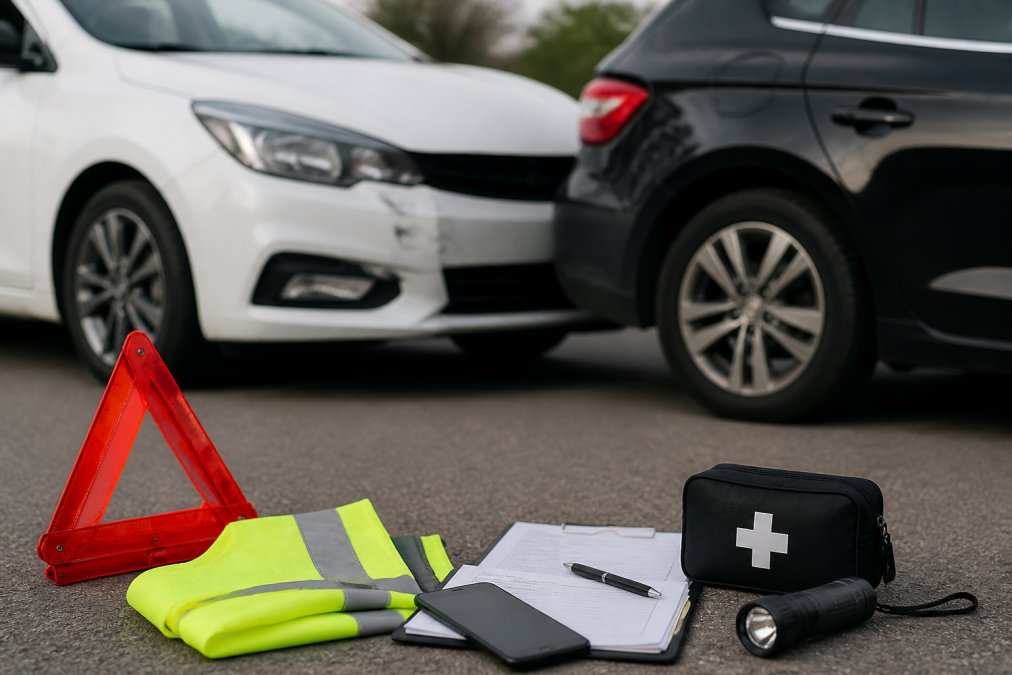
Safety comes before paperwork. Move your vehicle out of traffic if it can be driven, switch on hazard lights, and check that everyone involved is unharmed. Call emergency services if anyone is injured, and never admit fault at the scene, even in casual conversation.
Uninsured driver accidents are stressful because the usual script, swapping details and letting insurers sort it out, no longer applies. One party has no policy backing them, so everything you do in the first ten minutes carries more weight.
At Accident Assist Line, we speak with drivers across Melbourne, Geelong and the Mornington Peninsula every week who wish they had slowed down at this exact moment.
2. Collecting Evidence After a Car Accident Involving an Uninsured Driver
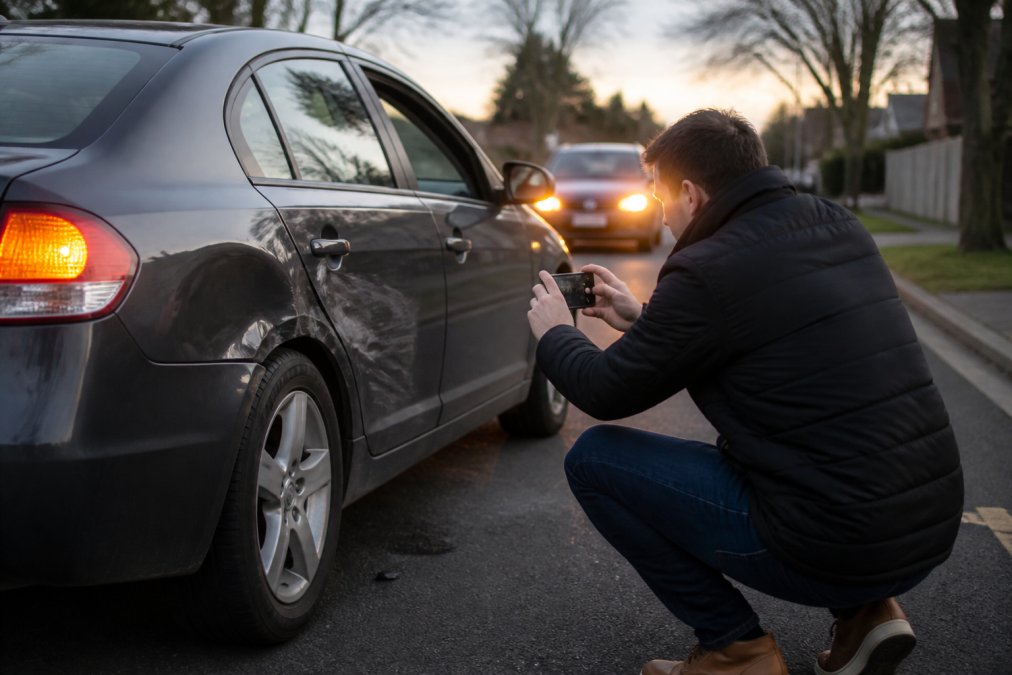
Evidence is your use. When the other driver has no insurance, your own records become the backbone of any later negotiation, legal claim or dispute resolution process.
Capture the following before anything is moved:
- Photos of all vehicles from multiple angles, including number plates
- The position of cars, skid marks and debris on the road
- Street signs, traffic lights and intersection layout
- Names and contact details of any witnesses
- Dash cam footage, if you have a camera fitted
A common mistake is photographing only the damage. Wide shots that show the accident scene and road conditions matter just as much.
3. Exchange Driver Information and Confirm Insurance Status
Collect full driver information from every party, even if the other driver insists they have nothing to give. You need their name, address, phone number, licence number and vehicle registration. Ask directly whether they hold a current insurance policy, and note their answer.
If they claim to be uninsured, do not argue. Record what they said, when they said it, and whether anyone else heard it. This detail can matter later in a legal claim or court proceedings.
4. Reporting a Car Accident to Victoria Police
Reporting a car accident to Victoria Police is a legal requirement when anyone is injured, when a driver fails to stop, or when the other party refuses to exchange details. For property damage only, you can often report online through the official police portal.
Key details to have ready:
- Time, date and exact location of the collision
- Registration numbers of all vehicles involved
- Names and contact details of drivers and witnesses
- A summary of what happened and any injuries
You will receive a reference number. Keep it safe, because insurers and legal advisers ask for it constantly.
5. Understand the Victorian Accident Towing Allocation Network
Victoria runs an official allocation system that assigns accident tow trucks to clear collisions from major roads. When police attend a crash, the tow is dispatched through this network rather than chosen by the driver. (Source: the Australian Institute of Health and Welfare's data on road traffic injuries)
This matters after a collision with an uninsured driver because you may not get to pick your preferred operator at the scene. What you can control is who coordinates the repair and insurer liaison afterwards.
Accident Assist Line arranges towing through this official network while coordinating the repair and liaising with your insurer, so you are not left chasing multiple providers while shaken up. One call connects you to a real person, 24/7.
6. Documenting Property Damage and Out-of-Pocket Expenses
Track every cost linked to the crash. Property damage claims and out-of-pocket expenses add up quickly, and without receipts, they are hard to recover.
| What to Record | Why It Matters | How to Store It |
|---|---|---|
| Repair quotes and invoices | Proves the value of your property damage | Photograph and cloud-backup |
| Towing and storage fees | Recoverable out-of-pocket expenses | Keep original receipts |
| Hire car costs | Shows financial impact while your car is off the road | Log dates and daily rates |
| Medical expenses | Supports injury-related compensation | Retain all provider invoices |
| Lost income | Relevant in serious injury claims | Keep employer statements |
A written agreement with the other driver, even a simple one, can help if you later pursue compensation through a legal claim.
7. Managing the Psychological Impact and Stress After a Crash
Stress after a collision is normal, and it can cloud your judgement for days. Most guides skip this entirely, yet it affects every decision you make about your car, your insurer and the other driver.
Signs worth watching in yourself:
- Difficulty concentrating or sleeping
- Replaying the crash repeatedly
- Avoidance of driving, even short trips
- Irritability with family or colleagues
Talk to your GP if these persist. Support is available, and getting help early makes the logistics of a claim far easier to handle.
8. Seeking Legal Advice and Understanding Compensation
Legal advice becomes important when the other driver is uninsured, when liability is disputed, or when injuries are serious. Free information is available through Victoria Legal Aid, and community legal centres can assist with eligibility questions.
Understanding subrogation helps here. Subrogation is the process where your insurer pays your claim and then seeks recovery from the at-fault party on your behalf. If the at-fault driver has no policy, your insurer may still pursue them directly, which is why accurate documentation matters so much.
Be aware that time limits apply to legal claims, so do not sit on a dispute for months. Speak to a qualified legal practitioner about your specific circumstances rather than relying on general information.
A crash with an uninsured driver leaves you managing towing, repairs, paperwork and insurer conversations all at once, often while stressed and unsure who to call. Accident Assist Line exists for exactly that moment: one call connects you to a real person, 24/7, with no queues. We arrange your tow through Victoria's official accident-towing allocation network, coordinate the repair, and liaise with your insurer throughout the process. If you are in Melbourne, Geelong or the Mornington Peninsula, request your tow with Accident Assist Line and get back on the road sooner.
Frequently Asked Questions
What should I do immediately after being hit by an uninsured driver in Victoria?
First, check for injuries and call emergency services if needed. Move to a safe spot, exchange details, and collect evidence like photos and witness contacts. Report the accident to Victoria Police if required. Then arrange a tow through the Victorian accident towing allocation network. Contact your insurer to understand your options, and consider seeking legal advice if the other driver cannot pay for damages.
Do I need to report a car accident to Victoria Police if the other driver is uninsured?
Yes, you must report any accident involving injury, a person failing to exchange details, or property damage over a certain threshold to Victoria Police. Even if the other driver is uninsured, a police report creates an official record that supports your insurance coordination and any future legal claim. You can report non-injury collisions online or at a police station.
Can I claim damages if the other driver has no insurance?
You may still claim damages from the at-fault driver personally, but recovering money can be difficult if they lack assets. Your own insurance policy might include uninsured motorist cover, which lets you claim for repairs and out-of-pocket expenses. If not, you can pursue a legal claim, but it is wise to seek legal advice to assess whether it is worth the cost and time.
What information must I collect from an uninsured driver at the scene?
Collect their full name, address, phone number, driver licence number, and vehicle registration. Note the make, model, and colour of their car. Ask if they have insurance, but do not rely on their word. Take photos of their licence and registration if possible. Also gather witness statements and dashcam footage. This documentation is vital for any later claim or legal action.
How does the Victorian accident towing allocation network assist after a collision?
The Victorian accident towing allocation network assigns a licensed tow truck to your accident scene, ensuring a quick and regulated response. It prevents unsafe or unauthorised towing and connects you with a professional operator. Services like Accident Assist Line use this network to arrange your tow 24/7, then coordinate repairs and liaise with your insurer, simplifying the whole process.