 listicle
7 Things to Check Before Signing for a Loan Car
Table of Contents
- 1. Understand the Loan Contract Terms and Total Cost
- 2. Check the Loan Car Insurance Excess and Liability
- 3. Review the Vehicle Condition Report Checklist Before You Drive
- 4. Know the Loan Car Usage Restrictions
- 5. Watch for Hidden Dealer Add-Ons and Fees
- 6. Understand the Cooling-Off Period and Exit Fees
- 7. Assess the Impact of Negative Equity and Balloon Payments
- Conclusion: Sign with Confidence
- Frequently Asked Questions
Last Updated: September 16, 2026
1. Understand the Loan Contract Terms and Total Cost
Before you sign anything for a loan car, read the contract in full and compare the comparison rate, not just the headline interest rate. The comparison rate folds in most upfront and ongoing fees, so it shows the real cost of borrowing.
What to look for in the contract:
- Comparison rate vs advertised rate. A low fixed interest rate can hide an origination fee and monthly account charges. The comparison rate is the number that matters.
- Loan term and repayment schedule. A longer term lowers your monthly repayments but increases the total cost of credit through extra interest charges.
- Total amount payable. This is the principal amount plus all interest and fees over the life of the loan. Ask the lender to state it in writing.
The Australian Securities and Investments Commission (ASIC) publishes free repayment and loan-cost tools through Moneysmart's loan calculators, and its guidance on loan contract terms is worth reading before you commit. Run the numbers yourself rather than trusting a verbal summary from a salesperson.
2. Check the Loan Car Insurance Excess and Liability
Loan car insurance excess is the amount you pay out of pocket if the vehicle is damaged or stolen while it is in your care. On a financed vehicle, that excess can be higher than you expect, and it may sit alongside your own comprehensive policy rather than replacing it.
Ask three questions before you drive away:
- What is the excess on this specific vehicle, and who pays it if the car is written off?
- Does the lender's required insurance cover the finance shortfall, or only the market value?
- Am I liable for the gap between the payout and the remaining loan balance?
If the finance balance is higher than the vehicle's insured value, that shortfall is yours unless gap insurance is in place. Get the excess figure and the liability terms in writing, not over the phone.
3. Review the Vehicle Condition Report Checklist Before You Drive
A vehicle condition report checklist is a written record of the car's existing damage, mileage and fuel level, signed before you take possession. It protects you from being charged for pre-existing scratches, dents or wear when the car is returned.
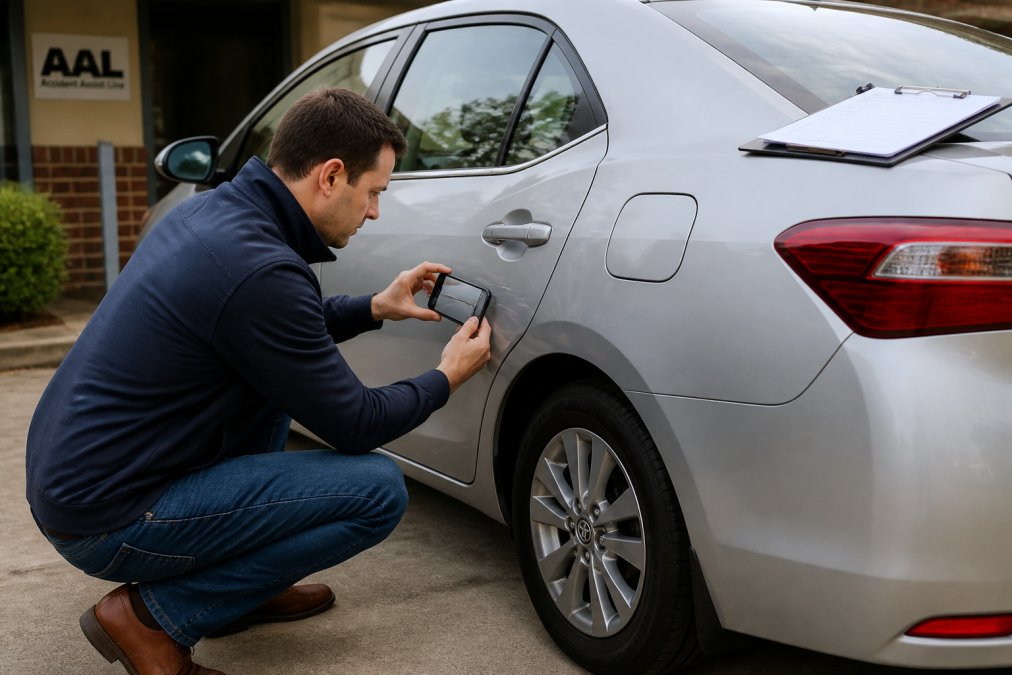
Walk the vehicle with the report in hand and confirm every item:
- Photograph all four corners, the roof and the wheels
- Note existing scratches, dents and kerb damage with locations
- Record the odometer reading and fuel level
- Confirm the registration and vehicle registration papers match the car
- Get the signed report and your photos emailed to you before you leave
4. Know the Loan Car Usage Restrictions
Loan car usage restrictions define where, how far and by whom the vehicle can be driven. Breaching them can void your cover or trigger penalty fees, so read them before your first trip.
Common restrictions include:
- A kilometre cap over the loan period, with a per-kilometre charge beyond it
- A geographic limit on where the car can be driven
- A ban on towing, off-road use or carrying passengers for payment
- Named-driver-only clauses that exclude other household members
If your work involves long-distance travel or you share a car with a partner, confirm the restrictions allow it. Ask the lender to confirm any variation in writing.
5. Watch for Hidden Dealer Add-Ons and Fees
Hidden dealer add-ons are optional products bundled into the finance without a clear, separate price. They inflate the principal amount and the interest you pay on it.
Watch for these appearing on the contract:
- Paint protection, fabric protection or window tinting added without your request
- Extended warranty or mechanical breakdown cover you did not ask for
- Dealer origination fees, documentation fees or "admin" charges
- Aftermarket accessories financed at the loan interest rate
Every add-on must be itemised with its own price. If a line item is unclear, ask for it to be removed or explained before signing. Financing a small add-on over a long loan term means you pay interest on it for years.
6. Understand the Cooling-Off Period and Exit Fees
The cooling-off period is a short window after signing in which you can cancel the loan contract, usually by written notice. It exists so buyers are not locked into a decision made under pressure at the dealership.
Two things to confirm:
- The cooling-off length and how to exercise it. Ask for the exact timeframe and the written notice process.
- Early repayment penalty and exit fees. Many contracts charge an early repayment penalty or exit fee if you pay the loan out ahead of schedule. Some fixed-rate loans cap extra repayments.
If you expect a bonus, a tax refund or an inheritance that could clear the loan early, a contract with steep exit fees will cost you. Compare exit terms across lenders before you sign, not after.
7. Assess the Impact of Negative Equity and Balloon Payments
Negative equity is when you owe more on the loan than the car is worth. It happens most often with a small deposit, a long loan term and fast depreciation, and it becomes a real problem if the car is written off or you need to sell early.
A balloon payment (also called a residual value) is a lump sum left owing at the end of the loan term, which lowers your monthly repayments but leaves a large final amount to pay or refinance. A balloon suits buyers who will have the cash or a clear plan at the end of the term. It hurts buyers who will not.
| Risk | How it builds | How to reduce it |
|---|---|---|
| Negative equity | Long term, small deposit, fast depreciation | Larger deposit, shorter term |
| Balloon shortfall | Low repayments, large residual owing | Plan the payout or refinance early |
| Exit fee hit | Early payout with penalty clauses | Compare exit fees before signing |
| Gap exposure | Owing more than the insured value | Ask about gap insurance |
Conclusion: Sign with Confidence
The seven checks above all come down to one habit: get every number and every clause in writing before you sign. Read the contract, confirm the condition report, and understand the exit terms so nothing surprises you later.
If an accident happens after you take delivery, the coordination of your tow, repair and insurer liaison is where Accident Assist Line helps. We cover Melbourne, Geelong and the Mornington Peninsula, connect you to a real person 24/7 with no call queues, arrange your tow through Victoria's official accident-towing allocation network, coordinate the repair, and liaise with your insurer throughout the process.
Frequently Asked Questions
Am I liable for damage to a loan car provided after an accident?
Yes, in most cases you are liable for damage to a loan car, even if it was provided through your insurer or repairer. The loan car insurance excess typically applies, and you may need to pay an additional excess if the damage is not covered by the policy. Always check the loan car insurance excess amount and what it covers before signing. If you are unsure, ask the provider to explain your liability in writing.
What should I check on a loan car's condition report?
Use a vehicle condition report checklist to note existing scratches, dents, tyre wear, windscreen chips, and interior damage. Take photos and videos as evidence. Check that the fuel level, odometer reading, and registration are recorded correctly. Also confirm what is not covered, such as roof or underbody damage. This protects you from being charged for pre-existing issues when you return the car.
What are common loan car usage restrictions I should know about?
Loan car usage restrictions often include limits on driving outside a certain radius, carrying pets, smoking, towing, or using the car for rideshare or delivery work. Some policies restrict who can drive the vehicle. Breaking these restrictions can void your cover or trigger extra fees. Read the terms carefully and ask if you need flexibility for work or family commitments before you sign.
What happens if the loan car is involved in a collision?
If the loan car is in a collision, contact the loan car provider and your insurer immediately. You will likely need to pay the loan car insurance excess, and the provider may charge for loss of use while the car is off the road. Follow the same accident reporting steps as you would for your own car. Keep a copy of the incident report and any photos to support your case.
Does my insurance cover a loan car provided by a repairer?
It depends on your policy. Some comprehensive insurance policies include a hire car benefit after an accident, but this is not automatic. If your insurer does not cover it, the repairer may offer a loan car with its own terms and excess. Check your product disclosure statement or call your insurer to confirm what is covered before you rely on a loan car.