 how-to
Car Accident Management: What to Do Now
Table of Contents
- Immediate Steps After a Car Accident
- What to Do After a Car Accident: Safety and Emergency Response
- Car Accident Checklist: Information and Evidence
- Car Accident Towing: Getting Your Vehicle to Safety
- Reporting Your Accident to Police and Your Insurer
- Car Accident Repairs: Coordinating the Recovery Process
- Managing Car Accident Recovery in the Days After
- Frequently Asked Questions
Last Updated: October 10, 2026
Immediate Steps After a Car Accident
After a car accident, prioritise safety first, the foundation of effective car accident management. Check yourself and passengers for injuries and call emergency services (000) if anyone is hurt. Move your vehicle out of traffic if safe; otherwise stay inside with hazard lights on. Call police on 131 444 if there's injury, significant damage, or the other driver won't cooperate. Take a moment to calm down before proceeding.
What to Do After a Car Accident: Safety and Emergency Response
Turn off your engine. If your car is leaking fuel or smoking, move everyone away and call emergency services. Put on a high-visibility vest and set up warning triangles at least 30 metres back if you have them. If the accident is minor and both vehicles are safe, move to a nearby car park to clear the road.
Stay calm when speaking with the other driver. Avoid admitting fault or apologising. Keep conversations factual.
Car Accident Checklist: Information and Evidence
Gathering the right information at the scene protects you later.
Exchange Driver and Vehicle Details
Get the other driver's full name, phone number, address, driver's licence number (photograph it), vehicle registration, make, model, and colour. Ask for their insurance company name and policy number. If they refuse, note this and call police. Record the accident location, date, time, and road/weather conditions.
Collect Witness Information
Ask nearby people if they saw the accident and collect their names, phone numbers, addresses, and account of what they saw. Write details down immediately; witnesses often leave before police arrive.
Document the Scene with Photographs
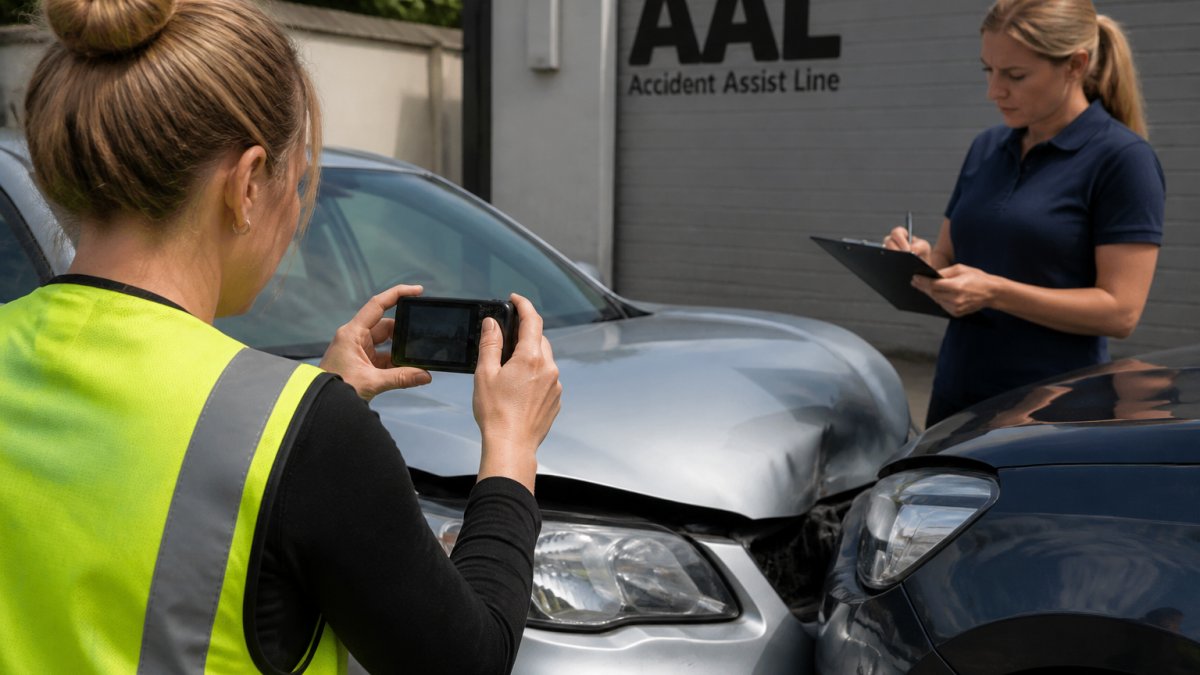
Photograph both vehicles from multiple angles showing damage clearly. Take wide shots of the accident location, road markings, and traffic signs. Photograph your odometer and dashboard, debris, skid marks, and the final resting position of both vehicles. If willing, photograph the other driver with their vehicle.
| Documentation | Why It Matters | Timing |
|---|---|---|
| Vehicle damage photos | Shows extent of impact and vehicle condition | At scene, immediately |
| Scene location photos | Proves where accident occurred | At scene, immediately |
| Driver and licence details | Identifies other party for claim | At scene, before leaving |
| Witness names and numbers | Supports your version of events | At scene, before witnesses leave |
Car Accident Towing: Getting Your Vehicle to Safety
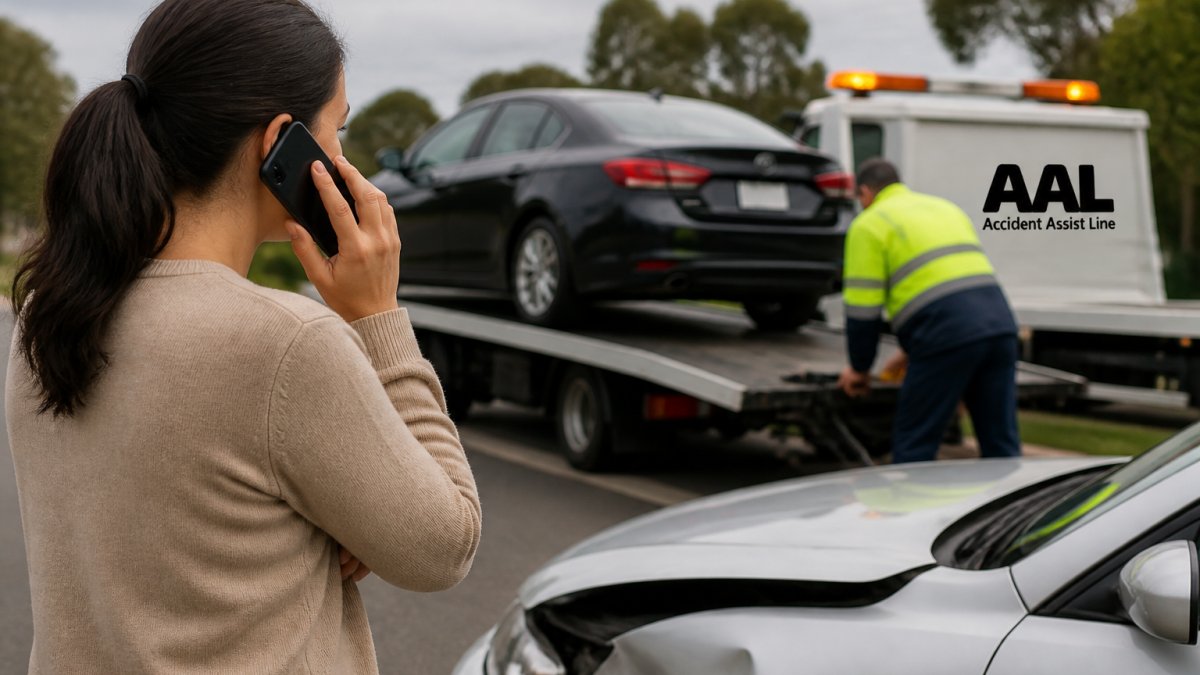
If your vehicle isn't drivable, call your insurer's roadside assistance or a local towing company. When you call, provide your location, vehicle details, whether anyone is injured, and whether the vehicle is leaking fuel or smoking. Ask for an estimated arrival time and confirm coverage. Stay in a safe location while you wait.
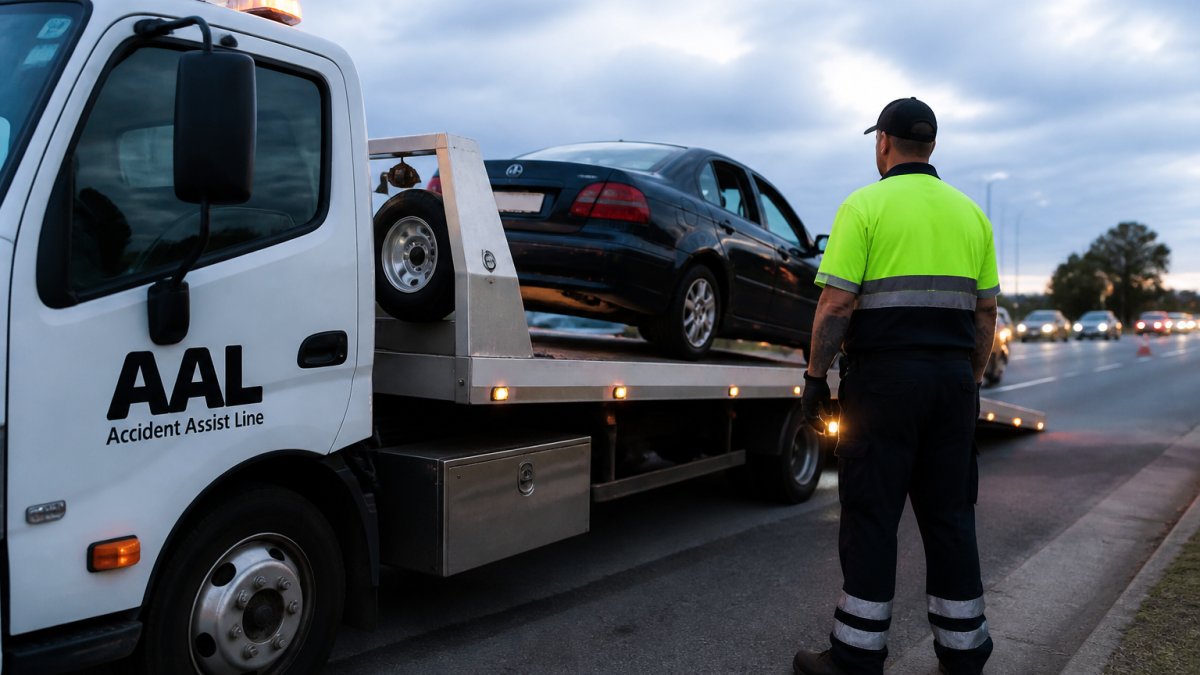
Ask the tow driver which method they're using (flatbed or tow-hook) and why. Document this in case your vehicle sustains additional damage during towing.
Choosing a Repair Shop
Before the tow driver leaves, decide where your vehicle is going. You have two paths:
Insurer-preferred repairers: These have agreements with your insurer, speeding approvals and reducing costs. Ask your insurer for the nearest preferred repairer.
Independent repairers: You have more control but may wait longer for approval and pay upfront. Get at least two quotes and compare timelines, warranties, and hire-car arrangements.
Storage and Temporary Vehicle Arrangements
Ask your repairer about hire-car arrangements and whether costs are covered by your insurer. If storage is needed, ask about secure options and clarify who pays.
Documentation and Follow-Up
Keep the tow receipt and note the tow company name, driver name, arrival time, and repair shop location. Within 24 hours, contact the repair shop to confirm receipt and ask for a preliminary damage assessment and repair timeline.
If you don't have roadside assistance or prefer not to coordinate multiple parties, Accident Assist Line arranges your tow through Victoria's official accident-towing allocation network. One call connects you to a real person, 24/7, no queues. We coordinate the tow to a qualified repairer and arrange repairs on your behalf, keeping you updated throughout.
Reporting Your Accident to Police and Your Insurer
Report the accident to police on 131 444 if there's injury, significant damage, or the other driver was uncooperative. Ask for the report number. Contact your insurer within 24 hours with details of what happened, the other driver's information, witness details, and photos. Your insurer will assign a claims assessor. Keep all receipts and invoices. Be honest and factual; provide all requested information promptly.
Car Accident Repairs: Coordinating the Recovery Process
Once your insurer approves repairs, you need to coordinate with a repair shop. Your insurer may have preferred repairers, or you can choose your own.
Get repair quotes from multiple shops if your insurer allows it. Compare the quotes and timelines. Ask about hire car arrangements, many repairers offer courtesy vehicles while yours is being fixed.
Provide the repair shop with your insurance details. They'll liaise with your insurer about the repair plan and cost. Ask for a detailed repair estimate before work starts.
Accident Assist Line liaises with your insurer and repair shop throughout the process. We coordinate the repair timeline and keep you updated on progress. This removes the stress of managing multiple parties yourself.
Ask the repair shop how long repairs will take. Get a completion date in writing. Ask about quality guarantees on the work. Most reputable shops offer a warranty on repairs.
Managing Car Accident Recovery in the Days After
The days and weeks after an accident involve more than vehicle repairs. You may be managing injuries, stress, logistics, and communication with your insurer and repair shop. A structured approach helps you stay organised.
Days 1-3: Medical Assessment and Initial Documentation
Seek medical assessment within 24 hours, even if you feel fine. Some injuries, whiplash, soft-tissue damage, concussion, appear hours or days later. A doctor's assessment creates a medical record that establishes a baseline for your condition.
When you see a doctor, describe all symptoms you're experiencing, no matter how minor: neck stiffness, headaches, dizziness, back pain, or emotional distress. Ask the doctor to document these in writing. Request a copy of the medical report for your records.
Start a symptom diary. Write down any pain, discomfort, or unusual sensations you experience each day, including the time of day and what triggered it (for example, "Woke with neck pain, worse after sitting at desk for 2 hours"). This diary is valuable if symptoms worsen over time.
Contact your insurer within 24 hours if you haven't already. Report the accident, provide the other driver's details, and mention any injuries you've sustained. Ask for the name and contact details of your claims assessor. This person will be your main point of contact throughout the claim process.
Days 3-7: Repair Coordination and Expense Tracking
Once your vehicle is at a repair shop, ask for a detailed repair estimate. This estimate should itemise all work, parts, and labour costs. Your insurer will review this estimate and either approve it, request a second opinion, or negotiate the cost.
If your insurer requests a second repair quote, ask the original repairer why they believe their estimate is accurate. Sometimes repairers disagree on the extent of hidden damage (damage not visible until the vehicle is dismantled). Document these conversations in writing, email is best, as it creates a record.
Start tracking all accident-related expenses: medical bills, prescription costs, hire-car fees, transport costs (taxis, rideshare), and any lost wages if you couldn't work. Keep receipts and invoices.
If you're using a hire car, confirm with your insurer whether the cost is covered. Some policies cover hire-car costs up to a daily limit; others don't cover them at all. Knowing this early prevents disputes later.
Week 2 Onwards: Monitoring Progress and Managing Delays
Contact your repair shop weekly for progress updates. Ask specific questions: Has the vehicle been fully assessed? Have parts been ordered? Is there any hidden damage that wasn't visible initially? When is the estimated completion date?
If repairs are taking longer than expected, ask why. Common reasons include waiting for parts (especially for imported vehicles), discovering hidden structural damage, or your insurer requesting additional quotes. Understanding the reason helps you plan your transport and budget.
If your insurer delays approving repairs, follow up in writing. Email your claims assessor and ask for a specific approval date. Document all delays.
Continue your symptom diary. If symptoms worsen or new symptoms appear, see your doctor again and ask them to document the change. This creates a medical record of your injury's progression.
Managing Disputes and Disagreements
If you disagree with your insurer's repair assessment or claim decision, ask for a written explanation of their reasoning.
If the dispute is about repair costs, ask your insurer whether they'll accept an independent assessment. Many insurers will commission a third-party assessor if the repair estimate is significantly higher than expected.
If the dispute is about liability (who was at fault), ask your insurer to explain how they determined fault. Review the police report, witness statements, and photos.
If you're injured and your insurer disputes the severity or causation of your injury, ask for their reasoning in writing. If you disagree, seek a second medical opinion from an independent doctor.
Staying Organised
Keep all documents in one folder, physical or digital: police report, insurance details, repair quotes and invoices, photos from the scene, medical records and symptom diary, receipts for all expenses, and email correspondence with your insurer and repair shop. Organise by date so you can quickly locate information if needed.
Set calendar reminders for key dates: when your repair shop says work will be complete, when your insurer's assessment is due, and when your next medical follow-up is scheduled. This prevents you from missing deadlines or losing track of progress.
Frequently Asked Questions
What should I do immediately after a car accident?
First, check for injuries and move to a safe location away from traffic if the vehicles are drivable. Turn on hazard lights, switch off engines, and call emergency services (000) if anyone is injured or the road is blocked. If safe to do so, exchange driver's licence, registration, and contact details with the other driver. Take photographs of vehicle damage, the accident scene, and road conditions. Call your insurer and, if required by law, report the accident to police. Stay calm and avoid admitting fault.
What information must I collect in a car accident checklist?
Collect the other driver's full name, phone number, address, driver's licence number, and vehicle registration plate. Record their insurer's name and policy number. Get names and contact details of any witnesses. Photograph all vehicle damage from multiple angles, the accident scene, traffic signs, road conditions, and any visible injuries. Note the date, time, location, weather conditions, and how the accident occurred.
How do I arrange car accident towing?
If your vehicle is unsafe to drive, call your insurer or a towing service immediately. Many insurers have preferred tow providers or can direct you to Victoria's official accident-towing allocation network. Provide your location, vehicle details, and injury status. Ensure the tow truck operator inspects your vehicle and documents damage. Keep the tow receipt and reference number for your insurer. Professional towing protects your vehicle from further damage during transport to a repairer.
What happens after I report my car accident to my insurer?
Your insurer will assign a claims assessor who will contact you to discuss the accident and arrange an inspection of your vehicle. They may direct you to an approved repairer or allow you to choose one. The assessor determines liability and coverage. Your insurer will then coordinate car accident repairs with the repairer. Keep records of all communications, repair quotes, and invoices. If you need support coordinating with your insurer throughout this process, professional assistance can help liaise on your behalf.