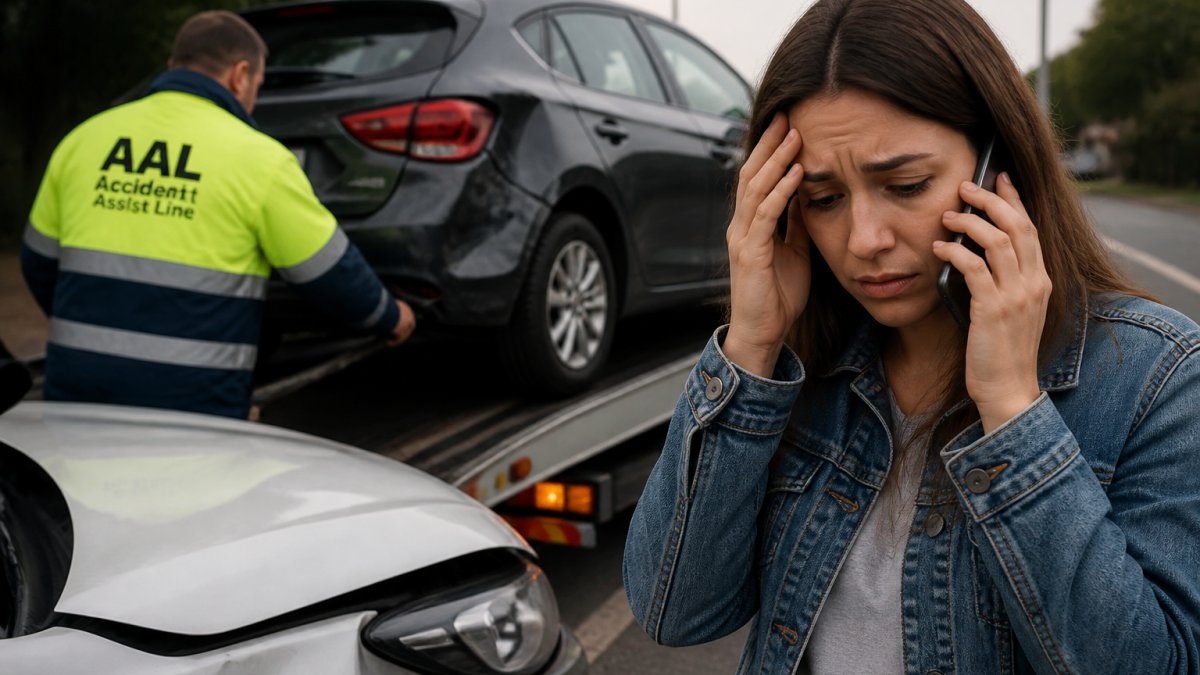
 How-to
No Car Insurance & Someone Hit You: Victoria Steps
Table of Contents
- What to Do After a Car Accident With No Insurance
- What Details to Exchange After a Car Accident
- Someone Hit My Parked Car and Left No Note: What Now?
- How to Get Car Repairs After a Not-at-Fault Accident
- Recovering Repair Costs When the At-Fault Driver Won't Pay
- CTP vs Vehicle Damage Cover: What No Car Insurance Actually Means in Victoria
- Getting Tow, Repair and Insurer Coordination Support
- Conclusion
- Frequently Asked Questions
Last Updated: October 16, 2026
What to Do After a Car Accident With No Insurance
If I have no car insurance and someone hit me in Victoria, I can still recover my repair costs from the at-fault driver. Your lack of cover does not erase their liability for the damage they caused. (Source: Victoria's Road Safety Road Rules)
That is the part most people miss. Being uninsured is a legal problem, not a barrier to claiming.
Start with safety. Then gather evidence. Then decide how you will pursue the repair bill.
This guide from Accident Assist Line walks through each step, from the crash scene to getting your car fixed.
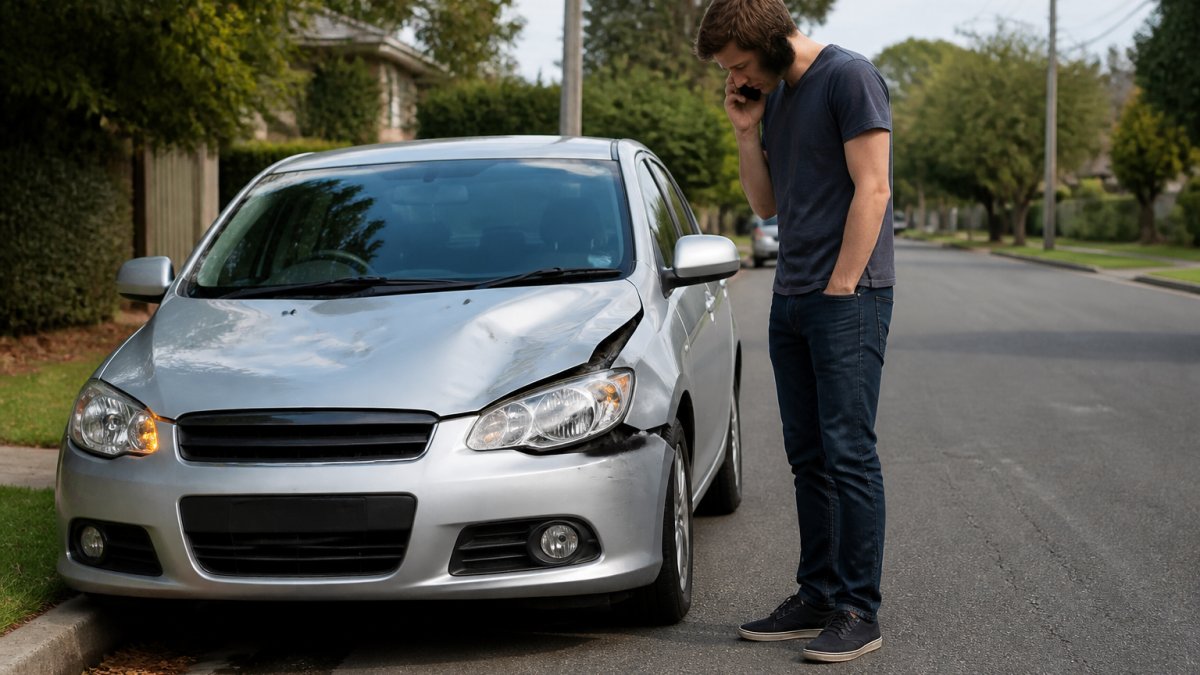
Immediate steps at the accident scene
Stop. Check that everyone is okay. Call Triple Zero (000) if anyone is hurt.
Then work through this list:
- Move to a safe spot if the cars can be driven
- Turn on hazard lights
- Call Victoria Police if anyone is injured or a driver leaves the scene
- Swap names, phone numbers, addresses and licence details
- Note the other car's registration number and make
- Take photos of both vehicles and the road position
- Ask bystanders for their contact details
Do not admit fault at the scene. Fault gets worked out later, and a rushed apology can be used against you.
How fault affects your options when you have no car insurance
Fault decides who pays. If the other driver caused the crash, they owe you the cost of repairing your car.
If you caused it, you owe them. With no insurance, that bill lands on you directly.
Victoria runs a no-fault scheme for injuries, but that is separate from vehicle damage. More on that below.
What Details to Exchange After a Car Accident
Collect the other driver's full name, address, phone number, licence number and registration. Also grab their insurer's name if they know it.
You are entitled to ask for these details. Most drivers hand them over without fuss.
Write everything down before you leave, even if you think you will remember it.
Documenting damage and preserving evidence
Photos win disputes. Take more than you think you need.
- Wide shots showing both cars and the road
- Close-ups of every scratch, dent and cracked light
- The other car's number plate
- Street signs, lane markings and traffic lights
- Any dashcam footage, saved straight away
Keep a folder with all of it. A repair quote means little without evidence of what happened.
Someone Hit My Parked Car and Left No Note: What Now?
A hit-and-run on a parked car is one of the most frustrating situations on the road. You did nothing wrong, yet you are left with the repair bill. Here is how to give yourself the best chance of recovery in Victoria.
Report it to Victoria Police
Report the damage as soon as you notice it. A police report creates an official record, which matters if the driver is later traced and is often required by insurers before they will consider a claim. You can report online for minor damage or attend a station. Note the report number, you will need it.
Hunt for evidence fast
Footage and witnesses disappear quickly. In the first 24-48 hours:
- Ask nearby shops, cafes, offices and homes whether their cameras face the street
- Note the exact time you believe the damage occurred, most systems record by timestamp
- Look for paint transfer, broken lens glass, or a note left on the windscreen
- Check your own dashcam if the car was parked with one running
- Ask neighbours whether they saw or heard anything
- Photograph the damage from multiple angles before you move the car
If the driver is never identified
This is the hard truth: without a registration, a witness, or footage, recovering your repair costs is often not possible. There is no general fund in Victoria that pays out for unidentified-driver property damage. Your options narrow to:
- Waiting in case the driver is later traced through the police report
- Covering the repair yourself
- Checking whether any part of your own policy (if you had one) responds, but with no cover, this is closed
If the driver is identified but unresponsive
Once you have a registration, you can ask Victoria Police to trace the owner. From there, the pathway is the same as any other not-at-fault dispute: a letter of demand with a repair quote, followed by a Victorian court or tribunal application if they refuse to pay. Be realistic, tracing an owner does not guarantee they will pay, and enforcement against someone with no assets can be slow.
Preserve everything
Keep a folder with the police report number, all photos, any footage, witness contact details, repair quotes, and a dated log of every call, message and letter. If the matter ever reaches a tribunal or court, that log is your evidence.
How to Get Car Repairs After a Not-at-Fault Accident
When the other driver is at fault, you have three practical paths in Victoria. Which one you take depends on whether they are insured, whether they cooperate, and how much the repair bill is.
Path 1: Lodge with the at-fault driver's insurer. You do not need your own policy to do this. Contact their insurer, give them the other driver's name, registration and policy number if known, and open a property-damage claim against their policy. They will typically ask for:
- Your written account of what happened
- Photos of both vehicles and the scene
- The other driver's details and registration
- At least one written repair quote (two is safer)
- A police report number, if one was made
Their assessor may inspect your car before authorising repairs. Do not start work until they confirm in writing.
Path 2: Claim on your own comprehensive cover. If you held comprehensive insurance, your insurer would repair the car and recover the cost from the other side. With no cover, this route is closed, which is why Paths 1 and 3 matter more.
Path 3: Recover the cost directly from the driver. If they are uninsured, unresponsive, or their insurer disputes fault, you can pursue the driver personally. This starts with a letter of demand and a repair quote, and can escalate to a Victorian court or tribunal if they refuse.
| Your situation | Best first move | What to expect |
|---|---|---|
| Other driver at fault, insured | Lodge with their insurer | Assessor inspects, then authorises repair |
| Other driver at fault, uninsured | Letter of demand with quote | Direct negotiation, then dispute pathway |
| Driver unidentified | Police report, then evidence hunt | Limited recovery unless driver is traced |
| You were at fault | Negotiate a payment plan | You cover their repair costs |
A note on injury versus vehicle damage
Victoria's compulsory third-party scheme covers injuries to people, not damage to cars. If you were hurt, that is a separate pathway with its own reporting steps and deadlines, do not fold it into your repair dispute. Seek medical attention early and follow the injury-claim guidance published by the relevant Victorian authority.
Do not authorise repairs before the at-fault insurer's assessor has seen the car. Once panels are replaced and paint is sprayed, the physical evidence is gone and the claim often stalls or is reduced.
Recovering Repair Costs When the At-Fault Driver Won't Pay
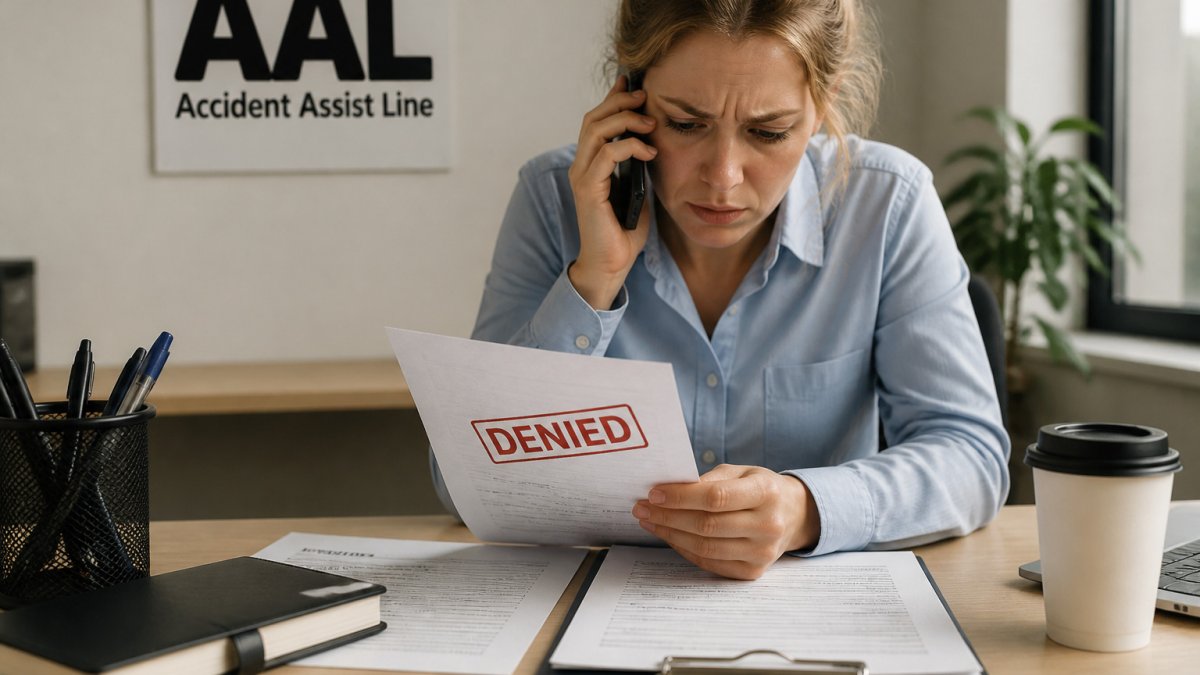
If the other driver stalls or refuses, put your request in writing. A letter of demand sets out what you are owed and gives a deadline to pay.
Keep copies of everything: quotes, photos, messages and receipts.
If they still will not pay, you can apply to a tribunal or court to recover the debt. The right venue depends on the amount you are chasing. Get legal advice if the figure is large or the facts are messy.
Financial counselling services can help if the crash has left you under pressure. Many people find that a clear, calm paper trail does more than a heated phone call.
CTP vs Vehicle Damage Cover: What No Car Insurance Actually Means in Victoria
Compulsory third-party insurance, or CTP, is built into your registration. It covers injuries to people, not damage to cars.
So even if I have no car insurance and someone hit me in Victoria, I may still have CTP cover for injuries. That is a key distinction.
What CTP does not do is pay to fix your vehicle. For that, you need comprehensive insurance or third-party property damage cover.
If you were injured, report it and seek medical attention early. Injury claims follow their own pathway and their own deadlines, so do not sit on it.
Getting Tow, Repair and Insurer Coordination Support
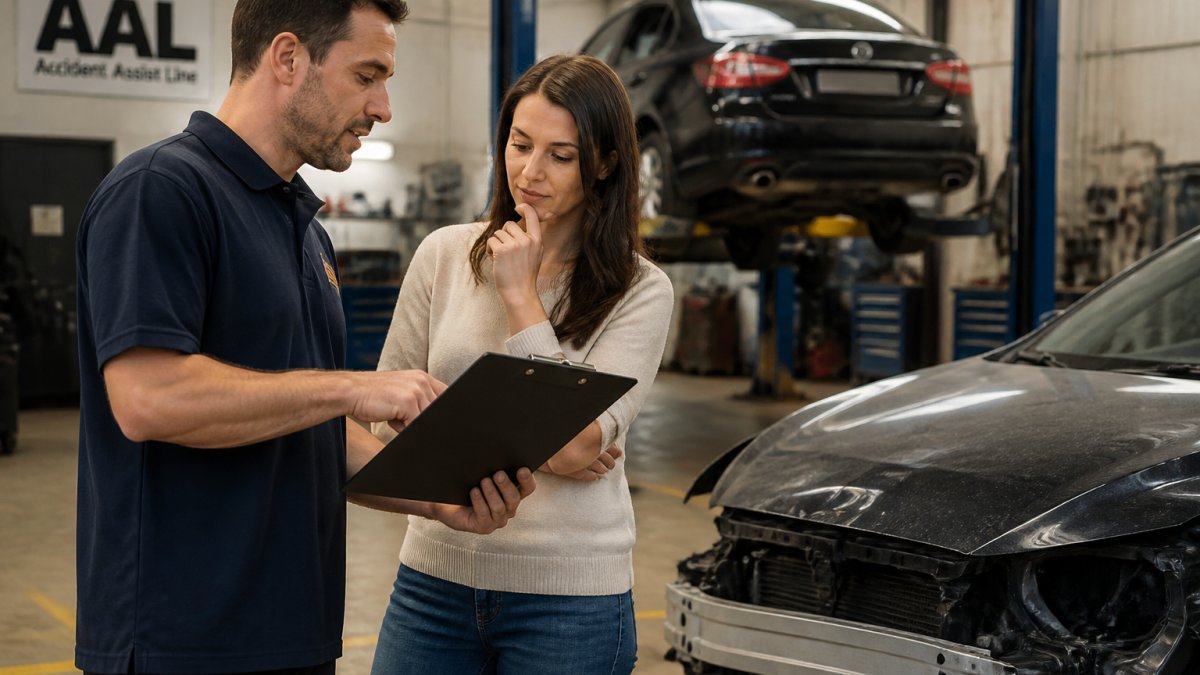
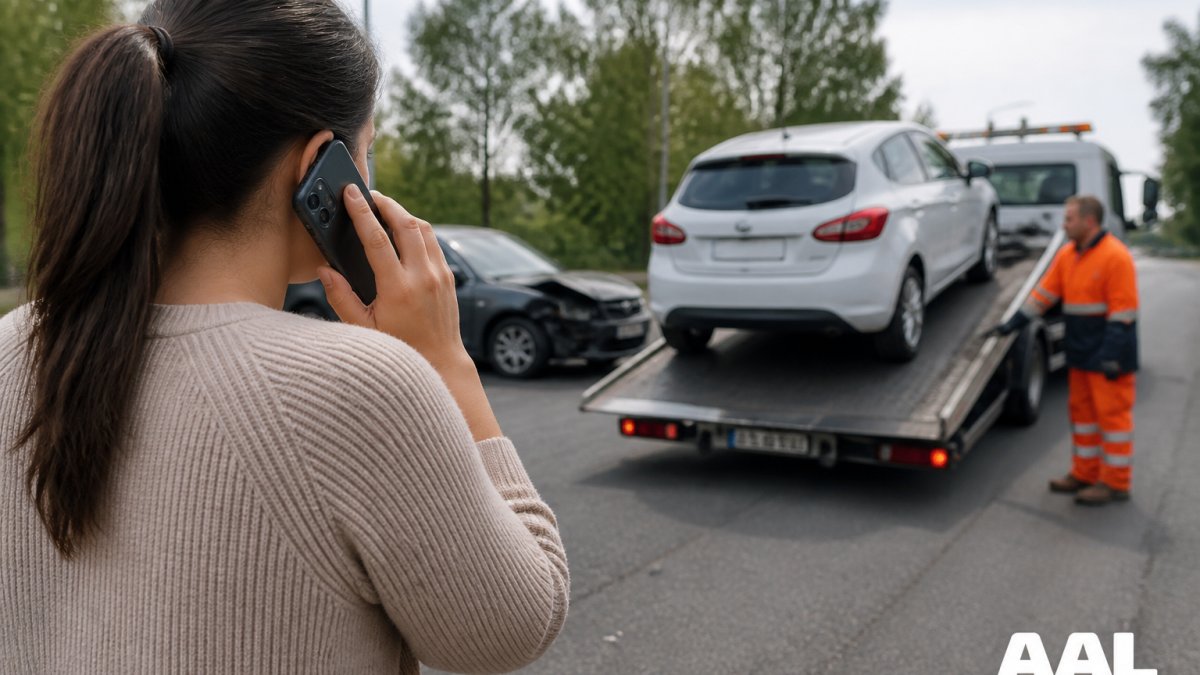
A crash with no cover leaves you juggling a tow, a repairer and an insurer all at once. That is where a coordination service helps.
Accident Assist Line is an independent accident tow, repair and insurer-coordination service covering Melbourne, Geelong and the Mornington Peninsula. One call connects you to a real person, 24/7, with no call queues.
We arrange your tow through Victoria's official accident-towing allocation network. We coordinate the repair and liaise with your insurer on your behalf through the process.
We do not handle, negotiate or settle insurance claims. We coordinate the moving parts so you are not doing it alone.
Conclusion
A crash with no insurance feels like the end of your options. It is not. Fault still decides who pays, and evidence still wins disputes.
If you are in Melbourne, Geelong or the Mornington Peninsula and need help getting back on the road, Accident Assist Line can arrange your tow, coordinate your repair and liaise with your insurer. One call, a real person, any hour.
Request my tow and let us take the coordination off your hands.
Frequently Asked Questions
What happens if someone hits me and I have no car insurance in Victoria?
You can still recover repair costs from the at-fault driver even with no car insurance. Fault is assessed based on negligence, not on whether you hold a policy. Gather evidence, exchange details, and request repair quotes. If the other driver is identified and insured, you can deal with their insurer directly or seek reimbursement. If they refuse or are uninsured, you may need to send a letter of demand or apply to the Victorian Civil and Administrative Tribunal (VCAT) for amounts within its jurisdiction.
Is it illegal to drive without car insurance in Victoria?
Driving without compulsory third-party insurance is illegal. In Victoria, CTP insurance is built into your vehicle registration, so if your car is registered you have CTP cover for injuries you cause to others. However, CTP does not cover vehicle damage. Driving unregistered means no CTP, which carries penalties. Third-party property damage insurance and comprehensive insurance are optional, so you can legally drive without them, but you bear the financial risk if you cause damage.
What should I do if I get hit by an uninsured driver?
If the at-fault driver is uninsured, your options depend on your own cover. With no car insurance, you must recover costs directly from the driver. Exchange details, photograph damage, collect witness information, and obtain repair quotes. Send a letter of demand. If they do not pay, you can apply to VCAT for amounts within its limit. For injury claims, Victoria's Transport Accident Commission (TAC) may assist regardless of fault. Seek legal advice if the driver is unresponsive.
Can I claim against the driver who hit my car if I have no insurance?
Yes. You can pursue the at-fault driver for property damage even without your own policy. The process involves gathering evidence, obtaining repair quotes, and sending a letter of demand. If the driver's insurer accepts liability, they may pay you directly. If not, you can apply to VCAT for amounts within its jurisdictional limit. For injuries, the TAC provides benefits regardless of fault. Legal advice can help if the driver disputes fault or cannot be located.