 How-to
Accident Towing Service Melbourne: 24/7 Availability Guide
Table of Contents
- What to Do After a Car Accident: First Steps Before You Call a Tow
- 24/7 Accident Towing Melbourne: How Availability Actually Works
- How to Arrange Accident Towing: A Step-by-Step Booking Process
- Accident Towing and Repair Coordination: What the Process Involves
- How to Choose a Safe, Legitimate Accident Tow Operator
- Realistic Response Times and What Affects Your Wait
- Conclusion: Getting Help When You Need It Most
- Frequently Asked Questions
Last Updated: October 15, 2026
What to Do After a Car Accident: First Steps Before You Call a Tow
The minutes after a crash matter. Before you think about an accident towing service in Melbourne, do four things in order: stop safely, check for injuries, secure the scene, and exchange details.
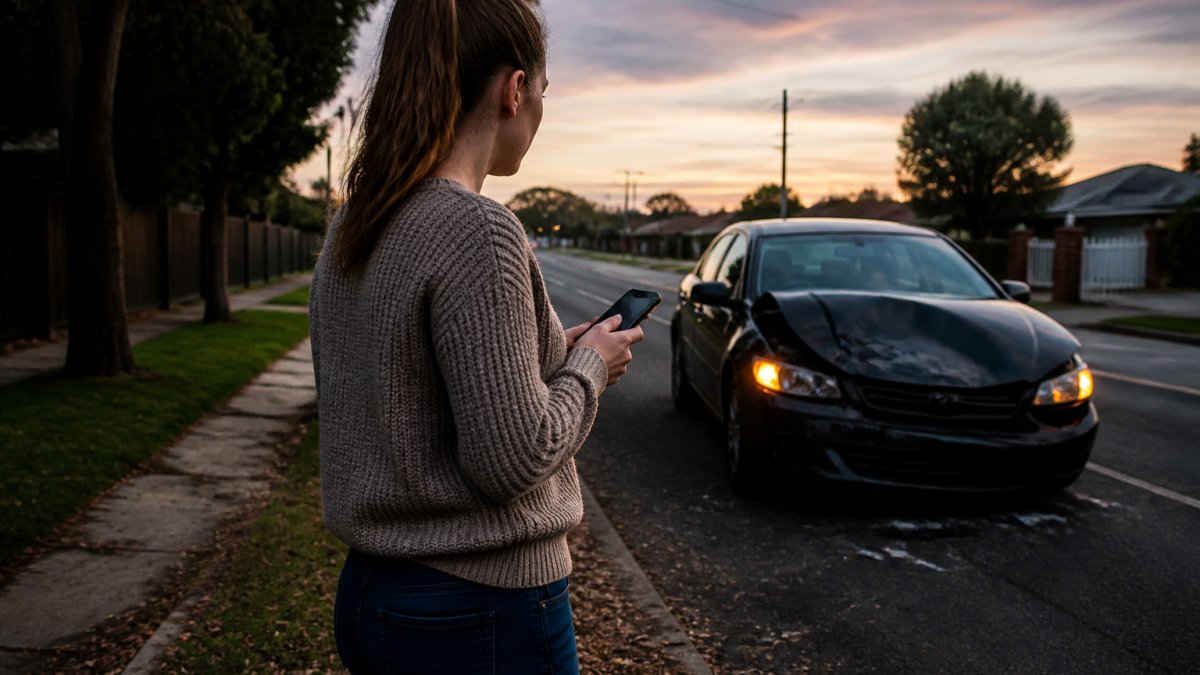
At Accident Assist Line, we take calls from Melbourne, Geelong and the Mornington Peninsula daily, and the pattern is consistent: drivers who secure the scene first have a far smoother run with repairs and insurer coordination than those who panic-call a tow truck immediately.
Safety First: Moving Off the Road and Checking for Injuries
Move your vehicle off the traffic lanes if it is drivable and safe. Switch on hazard lights, apply the handbrake, and set up warning triangles behind the car if you have them.
Check yourself and every passenger for injuries first. If anyone is hurt, call emergency services.
If the car cannot move, stay inside with your seatbelt on if it is safe, or wait well behind the barrier.
Exchanging Details and Documenting the Scene
Swap names, phone numbers, licence details, registration numbers and insurer names with the other driver. Keep it factual, and do not admit fault or argue about who caused the crash.
Then document everything:
- Photograph all vehicles from multiple angles, including number plates
- Capture the wider scene, including road markings, signs and traffic signals
- Note the time, date, weather and road conditions
This record becomes the backbone of your insurer coordination later. The Transport Accident Commission guidance on what to do after a crash sets out the reporting expectations that apply in Victoria, and it is worth reading before you ever need it.
24/7 Accident Towing Melbourne: How Availability Actually Works
Accident towing availability in Melbourne runs around the clock, but "24/7" means different things depending on who you call. A genuine 24-hour service connects you to a real person at 2am, not a voicemail box that calls back in the morning.
That distinction matters most at night, on weekends and during public holidays, when tow operators are stretched and demand spikes.
After-Hours and Weekend Coverage Explained
Overnight and weekend towing is where the gap between operators shows. Some dispatch desks thin out after hours, stretching arrival times; others keep full staffing because crashes do not follow business hours.
A few practical points for after-hours calls:
- Confirm you are speaking to a live dispatcher, not an answering service
- Ask for an estimated arrival window before you hang up
- Give the exact location, including the nearest intersection or landmark
Accident Assist Line answers with a real person 24 hours a day, 365 days a year, with no call queues. One call, at any hour, connects you to someone who can arrange the tow and start the repair coordination.
How to Arrange Accident Towing: A Step-by-Step Booking Process
Arranging accident towing takes one phone call or online enquiry if you have the right details ready: you provide your location and vehicle information, the operator dispatches a tow truck, and you agree on the destination before loading. What separates a smooth recovery from a stressful one is the order of your actions and the three checks you complete before the truck arrives.
Here is how the booking flows from start to finish:
- Call the 24/7 number or submit an online enquiry
- Confirm your exact pickup location and a safe waiting point
- Describe the vehicle, including make, model and condition
- State your preferred destination, such as a repairer or your home
- Confirm the tow distance and any access issues at either end
- Receive your estimated arrival window
- Meet the driver, confirm the destination again, and sign off
The Three Checks Before the Vehicle Is Loaded
Most disputes about accident towing come down to something never confirmed before the car left the scene. Complete these three checks every time:
- Identity check. Ask for the driver's name, the company name, and a printed or digital job docket. A legitimate operator will provide these without hesitation. If the driver cannot name the company they work for, do not release the vehicle.
- Destination check. State your preferred repairer or holding location out loud, and ask the driver to repeat it back and write it on the docket. If you have not chosen a repairer yet, ask for the vehicle to be taken to a secure holding yard and confirm the yard's name and address in writing.
- Charge check. Ask what the tow will cost before loading, and ask whether the figure includes the call-out, the distance travelled, and any after-hours loading. If the driver cannot give you a figure, ask them to call their dispatcher while you wait. Do not sign a blank docket.
What Information to Have Ready When You Call
Having these details on hand cuts the call time in half:
- Your location, with the nearest cross street or landmark
- Vehicle make, model, colour and registration
- Whether the car is drivable, locked, or blocking traffic
If you cannot remember your policy number, do not stall the call. The tow can be arranged first and the insurer coordination sorted afterwards.
Preparing the Vehicle and Your Belongings
Before the truck arrives, remove anything you will need in the next few days: garage remotes, toll tags, child seats, dashcams, sunglasses, and personal items in the cabin or boot. Once the vehicle is moved, retrieving these means a trip to the holding yard.
Also photograph any existing damage before loading, including scratches, dents and cracked glass; this protects you if the vehicle is damaged in transit or storage.
Online Enquiry Versus Phone Call
An online enquiry suits a non-urgent situation, such as a car safely off the road and not blocking traffic: upload photos, describe the damage, and receive a callback with a booking window. Call instead when the vehicle is in a live traffic lane, you are unsure of your location, or you need the tow within the hour. If in doubt about your safety, call rather than type.
Accident Towing and Repair Coordination: What the Process Involves
Repair coordination is the part most drivers underestimate. Getting the car towed is the easy half; the harder half is making sure the vehicle reaches a repairer, the repair is scheduled, and your insurer has what it needs, without you chasing three parties.
Accident Assist Line arranges your tow through Victoria's official accident-towing allocation network, coordinates the repair, and liaises with your insurer on your behalf throughout the process.
| Stage | What Happens | Who Coordinates It |
|---|---|---|
| Tow | Vehicle collected from the accident scene | Towing operator |
| Destination | Vehicle delivered to agreed repairer or holding yard | Towing operator |
| Repair booking | Repair scheduled and assessed | Repair coordination service |
| Insurer liaison | Information passed to your insurer | Repair coordination service |
| Vehicle return | Car released once repair is complete | Repairer |
How to Choose a Safe, Legitimate Accident Tow Operator
Choosing a legitimate tow operator comes down to three checks: they identify themselves and their company clearly, confirm the destination before loading, and do not pressure you into signing anything on the spot.
Red flags to watch for:
- A driver who arrives unrequested and pressures you to accept a tow
- No company name, licence details or printed paperwork
- A refusal to state where the vehicle is going
A legitimate operator will let you take your time, answer questions, and put the destination in writing. If something feels off, call your insurer or a service you trust before signing.
Realistic Response Times and What Affects Your Wait
Response times vary widely, and any operator promising a fixed number of minutes before knowing your location is guessing. Your wait depends most on where you are, the time of day, traffic, and how many other incidents are running. Understanding dispatch helps you set a realistic expectation.
How Dispatch Assigns a Truck
When you call, the dispatcher logs your location, vehicle type and condition, and destination, then matches the job to the nearest suitable truck.
Once a truck is assigned, the dispatcher should give an estimated arrival window rather than a single figure. A window of, say, 30 to 45 minutes reflects traffic uncertainty and the driver's position. Treat any single-number promise with caution, as it cannot account for changing conditions.
Factors That Shorten Your Wait
- A precise location, including cross streets or landmarks
- Calling from a safe, accessible spot the truck can reach easily
- Off-peak timing, though this is rarely in your control
Factors That Stretch It Out
- Peak-hour traffic on major arterials
- Remote or hard-to-access locations
- Multiple simultaneous incidents in the same area
What to Do While You Wait
Stay in a safe position, ideally behind a barrier or well off the roadway, with hazard lights on if you are near the vehicle. On a freeway, wait behind the safety barrier rather than in the car. Keep your phone charged and stay reachable, as the driver may call to confirm your position. If the arrival window passes without contact, call the dispatcher back; the driver may be stuck in traffic or diverted to a higher-priority incident.
When to Expect a Longer Wait
Waits typically stretch during the evening peak, on Friday and Saturday nights, and in severe weather. If your vehicle is safely off the road and no one is injured, you may leave the scene and arrange the tow for later, reducing your wait and traffic exposure. If the vehicle blocks a lane or poses a hazard, stay with it if safe and tell the dispatcher the urgency so the job is prioritised.
Conclusion: Getting Help When You Need It Most
A crash is disorienting, and the gap between a calm recovery and a chaotic one usually comes down to who you call. Accident Assist Line covers Melbourne, Geelong and the Mornington Peninsula with 24/7 accident towing, repair coordination, and insurer liaison, all through one number with no call queues. We arrange your tow through Victoria's official accident-towing allocation network and keep the repair process moving while you focus on what matters.
Frequently Asked Questions
How do I arrange a tow after a car accident?
Call a 24/7 accident towing service and provide your location, vehicle make and model, and a brief description of the damage. In Melbourne, towing is allocated through Victoria's official accident-towing network, so the operator you call will dispatch the next available truck. Have your licence, registration, and insurance details ready. If you are unsure where your car should go, ask about repair coordination options before the truck arrives.
Is accident towing available 24/7 in Melbourne?
Yes, most accident towing services in Melbourne operate 24 hours a day, 365 days a year, including public holidays. Availability can vary by suburb and demand, especially during peak periods or severe weather. When you call, ask for an estimated arrival time and confirm whether any after-hours surcharge applies. A reputable operator will give you a clear timeframe before dispatch.
Can I choose where my damaged car is towed?
In Victoria, you can generally nominate a preferred repairer or holding yard, but the tow operator must follow the state's accident-towing allocation rules. If your insurer has a preferred repair network, tell the operator when you call. Some policies require assessment before repairs begin. Confirm the destination with the tow driver before your vehicle is loaded to avoid extra transport charges.
What happens after my car is towed from an accident?
After towing, your vehicle is taken to a repairer or holding yard. You will need to notify your insurer and provide the tow docket and location details. If you use a coordination service, they can liaise with your insurer and the repairer on your behalf. Keep copies of all paperwork. Ask about storage fees if repairs are delayed, as these can add up quickly.