 how-to
What to Do After a Car Accident in Victoria
Table of Contents
- Step 1: Check for Injuries and Call 000
- Step 2: Move Vehicles and Secure the Scene
- Step 3: Exchanging Details After a Car Accident
- Step 4: Document the Scene and Collect Evidence
- Step 5: Reporting a Car Accident to Police
- TAC Claim Time Limits and What You Need to Know
- What to Do After a Car Accident in Victoria: Towing, Hire Cars, and Next Steps
- Contacting Your Insurer and Lodging a Claim
Last Updated: August 13, 2026
Step 1: Check for Injuries and Call 000
The first thing to do after a car accident in Victoria is check yourself and all passengers for injuries before anything else. Do not move anyone who may have a spinal or neck injury unless they are in immediate danger, such as from fire or oncoming traffic. If anyone is injured, unconscious, or unresponsive, call triple zero (000) immediately.
When you call 000, tell the operator your exact location, how many people are involved, and whether anyone is trapped or seriously hurt. Emergency services will dispatch police, ambulance, and fire crews as needed. Stay on the line until instructed otherwise.
Even if injuries appear minor, seek medical attention promptly. Some injuries, including whiplash, concussion, and internal trauma, do not present obvious symptoms at the scene. A medical assessment protects both your health and any future compensation claim or TAC claim you may need to lodge.
Road safety guidance from VicRoads road safety information is clear: your personal safety and the safety of others at the crash scene takes absolute priority over vehicle damage or fault considerations.
Step 2: Move Vehicles and Secure the Scene
Once you have confirmed everyone is safe and emergency services are on their way, your next priority is reducing the risk of a secondary crash. If the vehicles are driveable and it is safe to do so, move them to the side of the road or a nearby car park to clear the traffic lane.
Turn on your hazard lights immediately. If you have a warning triangle or high-visibility vest in the vehicle, use them. Never stand in the path of oncoming traffic while dealing with the aftermath of the accident.
If the vehicles cannot be moved, stay inside with your seatbelt on until help arrives, particularly on high-speed roads. Traffic obstruction on a freeway or arterial road is a genuine secondary hazard, and police will manage the scene when they attend.
Here is a quick reference for what to do at the scene:
| Situation | Action | Priority |
|---|---|---|
| Injuries present | Call 000, do not move injured persons | Immediate |
| Vehicles blocking traffic | Move to roadside if safe | High |
| Vehicles undriveable | Hazard lights on, stay inside | High |
| Fuel leak or fire | Exit vehicle, move well away, call 000 | Immediate |
| Night-time or poor visibility | Stay behind barriers, use phone torch | High |
Step 3: Exchanging Details After a Car Accident
Exchanging details after a car accident is a legal obligation under the Road Safety Act 1986 (Vic). Failing to exchange details is an offence, even if the accident appears minor or you believe the other driver is at fault.
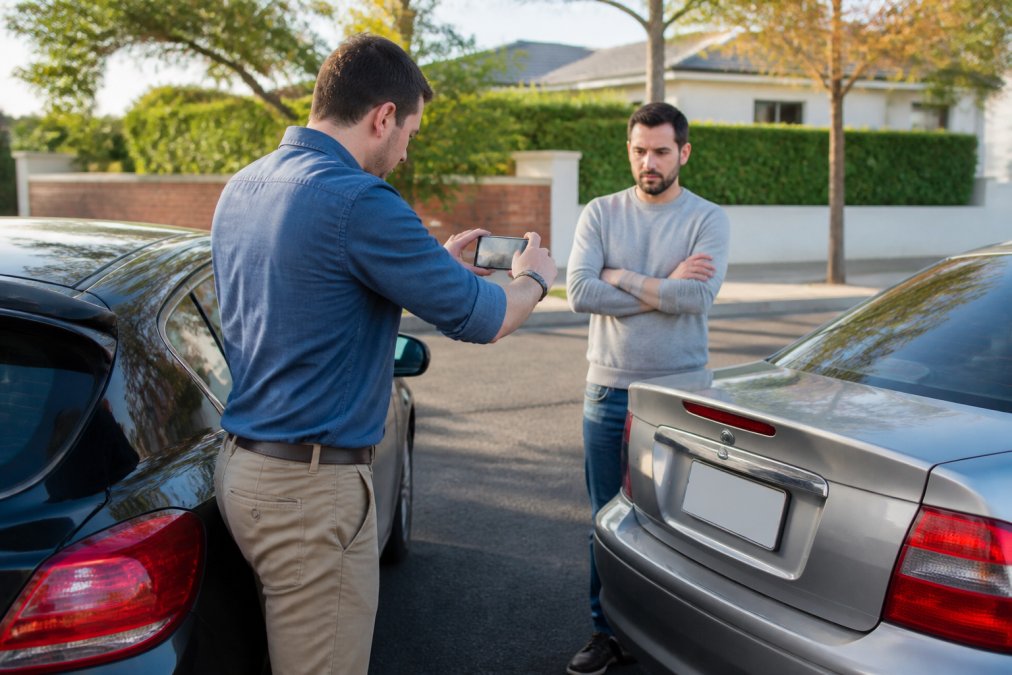
You must collect and provide the following information:
- Full name and contact number
- Residential address
- Driver licence number
- Vehicle registration number
- Insurance details (insurer name and policy number, if available)
- Vehicle make, model, and colour
Photograph the other driver's licence and registration label directly with your phone. This reduces transcription errors and gives you a timestamped record. If there are witnesses, ask for their name and contact number as well. Witness statements can be decisive when accounts of the accident differ.
Do not let the other driver leave without exchanging details. If they attempt to leave, note their registration number and call police immediately.
What to Do When the Other Driver Has No Insurance
This is more common than most drivers expect. If the other driver is uninsured or cannot provide insurance details, you still have options.
Document everything you can at the scene: their licence, registration, and photographs of their vehicle and the damage. Report the accident to police and obtain a police report number. Your own insurer will guide you through the claims process for third-party property damage in an uninsured scenario. If the other driver is at fault and uninsured, you may need to pursue them directly through the Victorian Civil and Administrative Tribunal for vehicle damage costs.
Step 4: Document the Scene and Collect Evidence
Scene documentation is where most drivers underinvest, and it is the single biggest factor in resolving a disputed insurance claim or compensation claim in your favour.
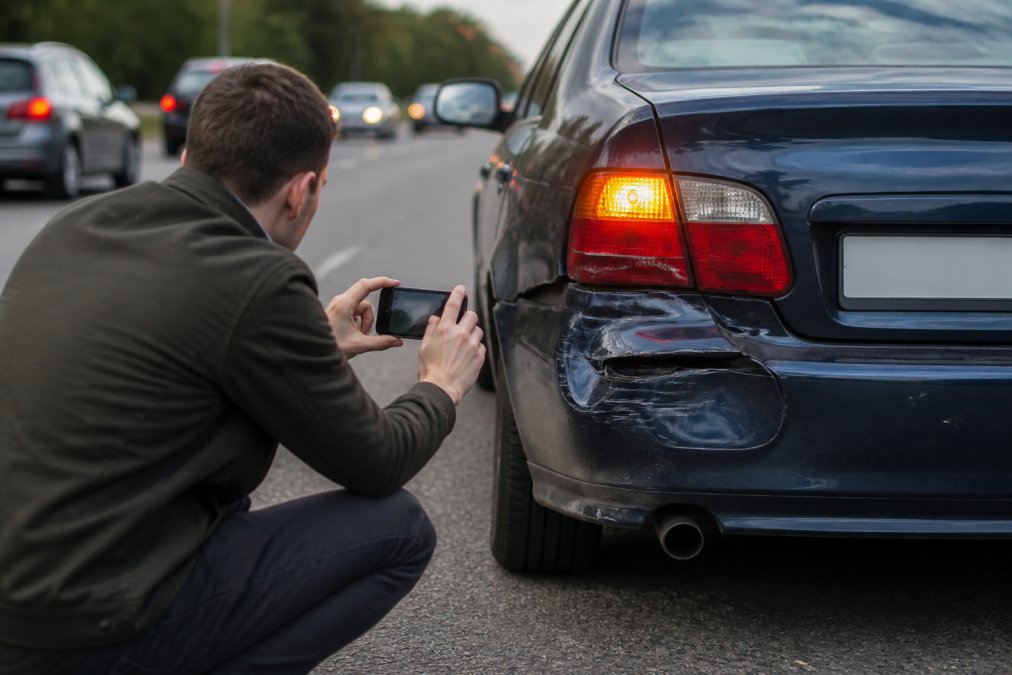
Photograph everything before vehicles are moved if it is safe to do so. Capture vehicle damage from multiple angles, the position of both vehicles, tyre marks, road conditions, traffic signs, and any debris. Wide shots establish context; close-ups capture specific damage.
Key things to document at the scene:
- Vehicle damage on both cars (all angles)
- The road layout, lane markings, and any obstructions
- Weather and lighting conditions
- Any traffic signals or speed signs visible
- Injuries, if the other party consents
- The accident date, time, and precise location
Managing Digital Evidence After the Crash
Dashcam footage is increasingly decisive in car accident claims. If your vehicle has a dashcam, secure the footage immediately by removing the SD card or saving it to a separate folder. Many dashcams overwrite footage on a loop, so act before it is lost.
Check whether nearby businesses or traffic cameras may have captured the incident. Note the locations and report them to police or your insurer promptly. Authorities can request that footage be preserved, but only within a short window before it is deleted.
Cloud backup your photos and video immediately after the accident. Do not rely solely on your phone, which could be damaged, lost, or seized. The Transport Accident Commission guidance on evidence collection notes that thorough documentation supports faster and more accurate claim resolution.
Step 5: Reporting a Car Accident to Police
Reporting a car accident to police is mandatory in some circumstances and strongly advisable in most others. Under Victorian road rules, you must report the accident to police if:
- Anyone has been injured
- The other driver fails to exchange details or leaves the scene
- There is a dispute about what happened
- A government-owned property has been damaged (e.g., a power pole or road barrier)
- The other driver appears to be under the influence of alcohol or drugs
If police do not attend the scene, you can report the accident at your nearest police station or online. Obtain your police report number; your insurer will ask for it when you lodge a claim. A police report also creates an official record of the accident date and circumstances, which protects you if the other party later disputes their involvement.
Many drivers assume a minor car accident in Victoria does not need a police report. That assumption can cost you significantly if the other party later changes their account or if a delayed injury claim emerges.
TAC Claim Time Limits and What You Need to Know
The Transport Accident Commission (TAC) covers personal injury claims arising from road accidents. Understanding TAC claim time limits is essential, because missing a deadline can extinguish your right to compensation entirely.
According to TAC claim lodgement information, you must lodge a TAC claim within 12 months of the accident date for most personal injury claims. If you are claiming for a serious injury or pursuing common law damages, different time limits and thresholds apply under the Transport Accident Act 1986 (Vic).
Key points about TAC claims:
- Lodge your claim as soon as possible after seeking medical attention
- You do not need to be at fault to make a TAC claim; it covers all road users injured in accidents involving a registered vehicle
- TAC covers medical expenses, lost income, and rehabilitation costs
- A statutory declaration may be required to support your claim if police did not attend
If you were injured as a pedestrian, cyclist, or passenger, you are also eligible to lodge a TAC claim. Do not assume the claim is only for drivers.
What to Do After a Car Accident in Victoria: Towing, Hire Cars, and Next Steps
After the immediate scene is managed, the practical recovery process begins. Towing, vehicle repair, and getting back on the road are where many drivers encounter unexpected stress, delays, and costs.
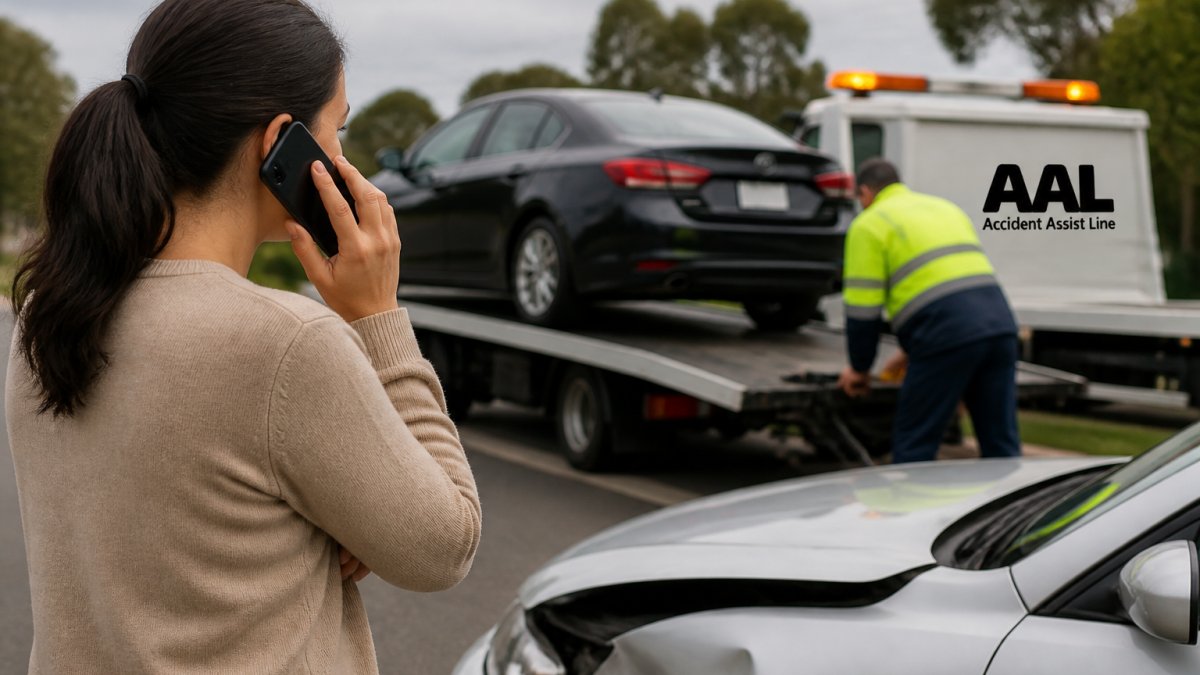
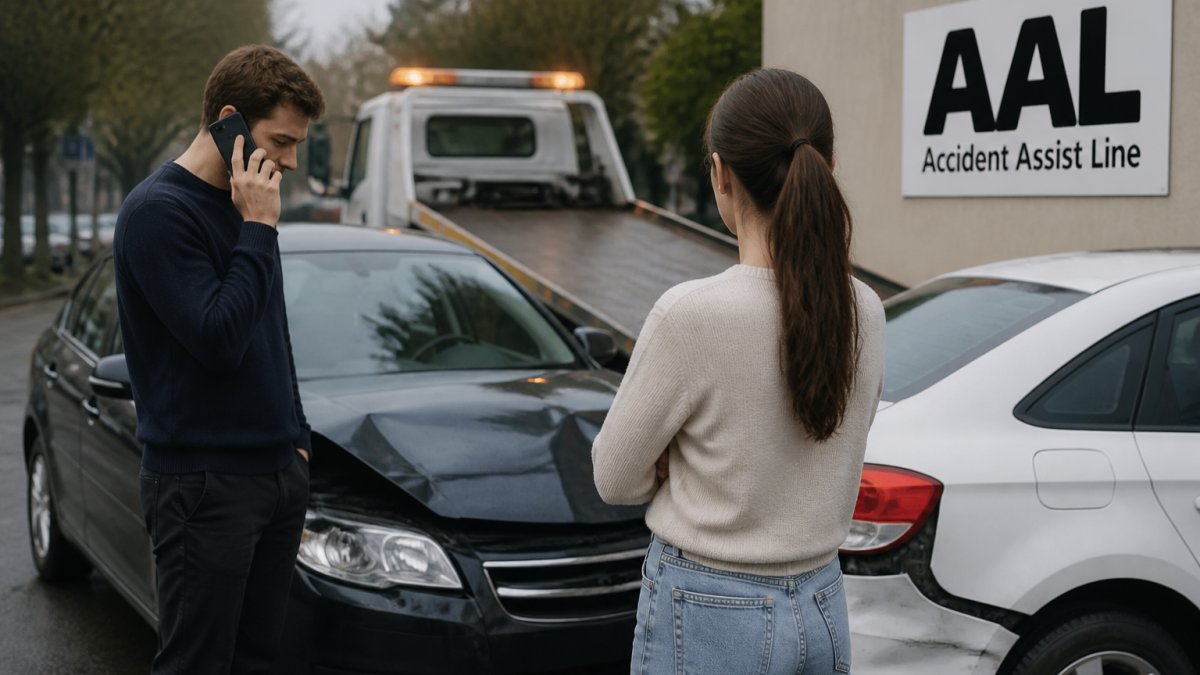
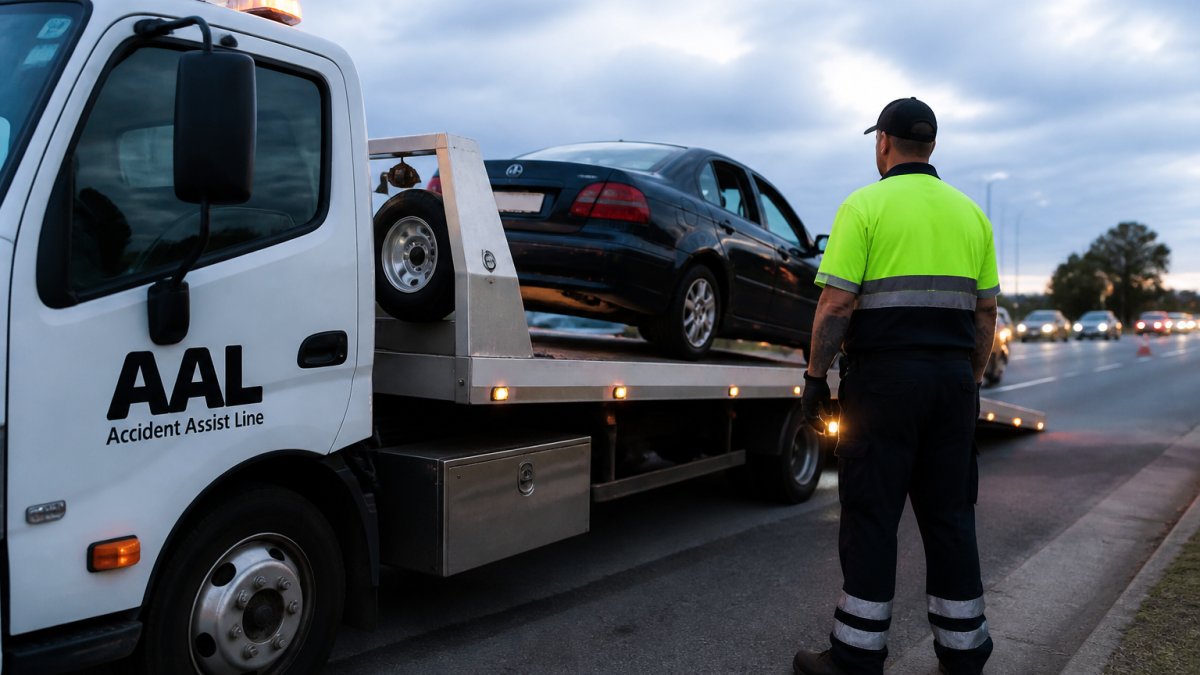
If your vehicle is undriveable, you will need a tow truck. You have the right to choose your own towing provider and your own repairer. Do not feel pressured to use a service that arrives uninvited at the scene. This is where Accident Assist Line provides real value: available 24/7 with a callback in under 30 seconds, coordinating towing, repairs, and hire car arrangements so you are not left managing it alone at the roadside.
Watch Out for Towing Scams at the Scene
Towing scams are a genuine problem at accident scenes. Unscrupulous operators monitor emergency radio frequencies or receive tips from informants, then arrive quickly and pressure distressed drivers into signing contracts on the spot. These contracts can include inflated storage fees, excessive towing rates, and terms that give the operator a lien over your vehicle.
Protect yourself with these steps:
- Never sign a towing contract without reading it fully
- Ask for a written quote before authorising the tow
- Confirm the storage location and daily fees
- Contact your insurer or a trusted service before agreeing to anything
- Know that you can refuse any towing operator and call one yourself
The Australian Competition and Consumer Commission guidance on towing scams has documented cases where drivers faced bills thousands of dollars above market rates after signing roadside contracts under pressure.
The Psychological Impact of a Car Accident
The physical aftermath of a car accident gets most of the attention. The psychological impact is often overlooked, and it can be just as disabling.
Acute stress reactions are common in the hours and days following a crash. Symptoms include replaying the accident involuntarily, difficulty sleeping, heightened anxiety while driving, and emotional numbness. These are normal responses to an abnormal event. For some people, particularly those involved in serious accidents or who witnessed injuries, these symptoms can develop into post-traumatic stress disorder.
Seek support early. Speak to your GP, and note that TAC covers psychological treatment costs for eligible claimants. Do not wait until symptoms become severe before asking for help. Returning to driving gradually, with support, reduces the risk of long-term driving avoidance.
Contacting Your Insurer and Lodging a Claim
Contact your insurer as soon as practicable after the accident, even if you are not sure whether you will lodge a claim. Most policies require prompt notification as a condition of cover. Delaying contact can complicate your claim or give the insurer grounds to reduce your entitlement.
When you call your insurer, have the following ready:
- The accident date, time, and location
- The police report number (if applicable)
- The other driver's details and insurance information
- Photos of the vehicle damage and scene
- Any witness contact details
Whether you hold comprehensive insurance or third-party property damage cover determines what your insurer will cover. Comprehensive insurance generally covers your vehicle's repair costs regardless of fault. Third-party property damage covers damage you cause to another person's vehicle or property, but not your own.
If the accident was not your fault, you may be entitled to a hire car at no cost to you while your vehicle is being repaired. This is an area where many drivers do not know their rights. An independent service like Accident Assist Line can guide you through these entitlements without the conflicts of interest that can arise when dealing directly through the at-fault driver's insurer.
Keep records of every communication with your insurer: dates, times, the name of the person you spoke with, and what was agreed. If a dispute arises about your claim, this paper trail is invaluable.
Frequently Asked Questions
How long after a car accident can you claim in Victoria?
The Transport Accident Commission (TAC) requires most injury claims to be lodged within 12 months of the accident date. If you miss this window, you may still apply, but you must provide a satisfactory reason for the delay. For property damage claims through your insurer, check your policy terms, many require notification as soon as reasonably practicable. Acting quickly protects both your TAC claim and your insurance claim.
Do I need to report a minor car accident to the police?
Under Victorian road rules, you must report an accident to police if someone is injured, if a driver fails to stop and exchange details, or if the other party is uncooperative. Minor crashes involving only vehicle damage do not always require a police report, but lodging one creates an official accident report that strengthens your insurance claim and protects you if a dispute arises later. When in doubt, report it.
What information must I exchange with the other driver?
You must exchange your full name, residential address, driver licence number, and vehicle registration number. If you are not the registered owner of the vehicle, provide the owner's details too. Collecting the other driver's insurer name and policy number is not legally required at the scene but is strongly recommended. Failing to exchange details is an offence under Victorian road rules and can complicate any subsequent compensation claim.
How does insurance work when the accident is not your fault?
If the other driver is at fault, their third-party property damage insurance should cover your vehicle repairs. If they are uninsured, your own comprehensive insurance policy typically covers you, though an excess may apply. You can then seek to recover that excess from the at-fault driver. Never admit fault at the scene, liability is determined after a full assessment of the accident report, witness statements, and any dashcam footage.
Dealing with the aftermath of a car accident in Victoria is stressful, time-sensitive, and full of decisions that carry real financial and legal consequences. Accident Assist Line offers 24/7 support with no forms, no hold times, and a callback in under 30 seconds, organising towing, repairs, and hire car arrangements so you can focus on your recovery rather than logistics. Call Accident Assist Line and get back on the road with the right support behind you.
This article was written using GrandRanker