 how-to
What Happens to Insurance Premiums After a Not-at-Fault Accident
Table of Contents
- How Insurers Decide Your Premium After a Not-at-Fault Accident
- No Claim Bonus Protection: Will You Keep Your Rating 1?
- Insurance Excess Not at Fault: Getting Your Money Back
- The Accident Towing Allocation Network Victoria and Your Insurance
- Claims History Reports vs. Premium Increases: What Really Matters
- Disputing Liability and Recovering Costs From the At-Fault Party
- Frequently Asked Questions
Last Updated: September 26, 2026
How Insurers Decide Your Premium After a Not-at-Fault Accident
Here's the short answer to what happens to insurance premiums after a not at fault accident: in most cases, your premium should not go up. Insurers price your policy on your risk profile, and when another driver caused the crash, that risk sits with them, not you. But "should not" and "will not" are different things. What happens to insurance premiums after a not at fault accident depends on your insurer, your no-claim bonus, and how the claim is recorded. (Source: Australian Bureau of Infrastructure, Transport and Regional Economics (BITRE) statistics)
That gap between the rule and the reality is where drivers get caught out.
What Counts as Not-at-Fault in a Motor Vehicle Accident
A not-at-fault accident is a collision where another driver's negligence caused the damage, not yours.
Common examples include:
- A rear-end collision where you were stationary
- A driver running a red light or stop sign
- Someone reversing into your parked car
- A lane-change collision where the other driver failed to give way
Fault is a legal and factual question. Insurers assess it using accident reports, witness statements, and physical evidence. If liability is disputed, the insurer may hold off finalising the claim until it's resolved.
One thing most guides miss: your insurer's view of fault and the other driver's insurer's view can differ.
No Claim Bonus Protection: Will You Keep Your Rating 1?
Your no claim bonus (NCB), sometimes called a no claim discount or driver rating, is the single biggest factor in whether a not-at-fault claim costs you money. Most insurers let you keep your rating when you're clearly not at fault, because the claim isn't counted against you. But the mechanics matter, and the detail is where most guides stop short.

How rating tiers actually work
Insurers typically express your NCB as a rating number or a percentage discount. A common structure runs from a top rating (often called Rating 1 or a maximum no claim bonus) down through several steps, with each at-fault claim moving you down a tier and each claim-free year moving you back up. The practical effect is that a maximum NCB can represent a substantial discount off your base premium, so losing a tier or two is felt at renewal.
NCB protection vs. NCB retention
These two terms get used interchangeably, but they are not the same thing:
- NCB retention is what happens automatically when a claim is coded as not-at-fault. You keep your rating because the claim isn't counted against you.
- NCB protection is an optional add-on you pay for. It typically lets you make a set number of at-fault claims over a policy period without losing your rating. It usually does not cover claims where you were at fault and the insurer decides not to protect the rating, and it often excludes claims involving unlisted drivers or certain policy conditions.
The 'claim recorded' rule
Some insurers apply a 'claim recorded' rule: even when you're not at fault, the claim is logged against your policy. Whether that affects your rating depends on how the claim is coded. A claim coded as 'not at fault, recovery pursued' is treated differently from one coded as 'not at fault, no recovery' or 'fault undetermined'.
What to check at renewal
When your renewal notice arrives, compare the rating shown against the rating on your previous schedule. If it has dropped and you believe the claim was not your fault, raise it with the insurer in writing and ask for the coding to be corrected. Keep the correspondence, it is your evidence if the same issue appears on a future quote.
Insurance Excess Not at Fault: Getting Your Money Back
Insurance excess not at fault is usually recoverable, but the path depends on which policy you claim through and whether the at-fault driver is insured. Understanding the mechanics upfront saves a lot of frustration later.
The two claim paths
Claim on your own comprehensive policy. You lodge the claim with your insurer. In most cases you pay your excess upfront while liability is confirmed, then your insurer refunds it once the at-fault party (or their insurer) accepts responsibility. Your insurer then pursues the at-fault party through a process called subrogation, the legal right to step into your shoes and recover the cost from the responsible party. (Source: Insurance Council of Australia (ICA) guidance)
When you may not pay the excess at all
Many insurers waive the excess upfront where:
- The other driver has admitted fault in writing
- There is independent evidence (police report, dashcam, witness statement) supporting your account
- The other driver is identified and insured
Ask your insurer whether they will waive the excess rather than requiring you to pay and claim it back. The answer depends on the policy wording and how confident the insurer is about recovery.
If the at-fault driver is uninsured or unidentified
This is where recovery gets harder. If the at-fault driver is uninsured, your insurer may still pursue them personally through subrogation, but recovery can be slow or partial. If the driver is unidentified, a hit-and-run, for example, recovery usually depends on whether your policy includes cover for damage caused by an unidentified driver, and on any relevant statutory scheme in your jurisdiction.
What to keep
Recovery is evidence-driven. Keep:
- The police report reference number, if one was filed
- Photos of all vehicles and the scene
- Dashcam footage, downloaded and backed up
- Witness names and contact details
- The other driver's name, licence details, registration and insurer
- Every receipt for related costs (towing, storage, hire car, taxi fares)
Recovering costs beyond the excess
You can also seek to recover uninsured losses from the at-fault party, for example, a hire car while yours is off the road, or lost income where the accident caused you to miss work. These are not always covered by insurance and may need to be pursued separately. Keep records of every cost and every attempt to recover it.
The Accident Towing Allocation Network Victoria and Your Insurance
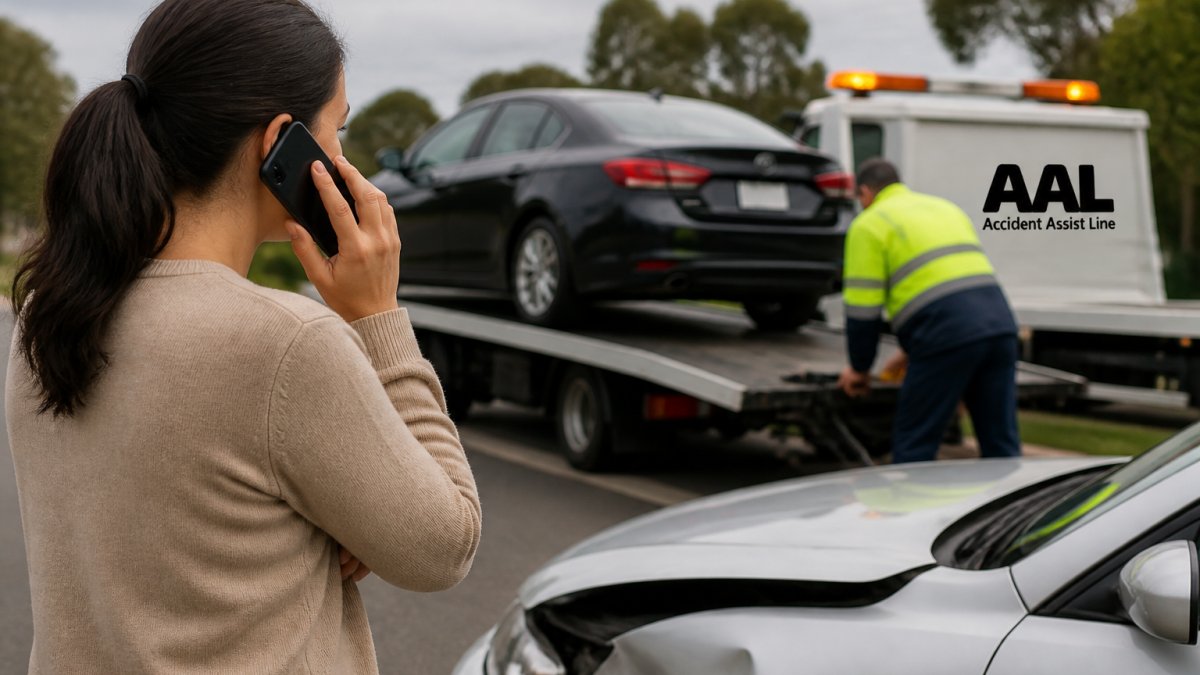
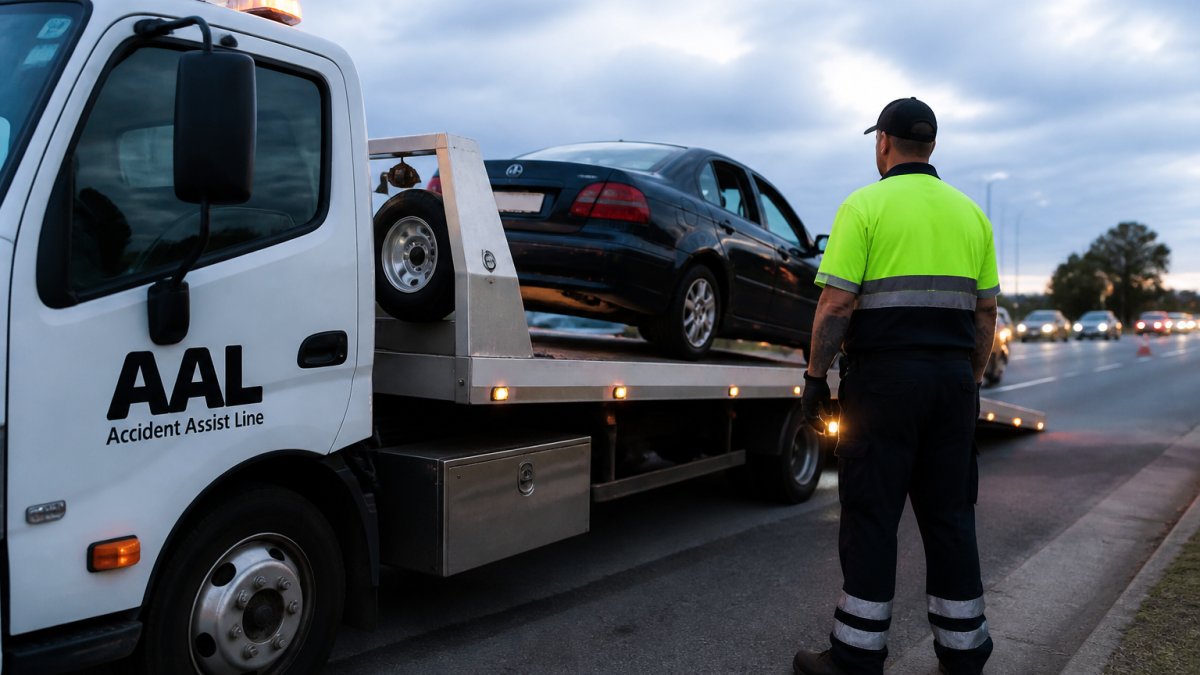
Victoria runs an official accident towing allocation network, which rotates tow trucks to incidents in turn. It exists to stop unsafe or predatory towing after a crash.
Claims History Reports vs. Premium Increases: What Really Matters
Here's the distinction most drivers miss. Your claims history report is a record of claims made. A premium increase is a pricing decision. They are not the same thing.
| Factor | Affects Claims History? | Affects Premium? |
|---|---|---|
| Not-at-fault claim, fault confirmed | Yes, logged | Usually no |
| Not-at-fault claim, fault disputed | Yes, logged | Possibly, until resolved |
| At-fault claim | Yes, logged | Yes |
| Claim withdrawn or not proceeded | No | No |
Disputing Liability and Recovering Costs From the At-Fault Party
If the other driver denies fault, you can dispute liability. Start by gathering evidence: photos, dashcam footage, witness details, and the police report if one was filed.
Then:
- Notify your insurer in writing and state why you dispute the fault finding.
- Provide all supporting evidence.
- Ask for the decision and reasoning in writing.
- Escalate to the insurer's internal dispute resolution team if needed.
- If unresolved, take it to the relevant external dispute resolution scheme.
Frequently Asked Questions
Will my premium go up if the accident was not my fault?
In most cases, a not-at-fault accident should not directly increase your premium if your insurer can recover costs from the at-fault party. However, some insurers treat any claim as a risk factor, which can affect your premium at renewal. The outcome depends on your policy terms, your claims history, and whether your no claim bonus is protected. Check your product disclosure statement or contact your insurer to understand how they assess not-at-fault claims.
Does a not-at-fault accident affect my no-claim bonus?
Your no claim bonus is usually preserved if you can identify the at-fault driver and your insurer recovers costs from them. If the at-fault party is unknown or uninsured, some policies may still protect your bonus, but others may reduce it. No claim bonus protection is an optional add-on with many insurers. Review your policy to see whether you have this cover and how it applies to not-at-fault incidents.
How do I prove I was not at fault after an accident?
Gather as much evidence as possible at the scene: photos of vehicle positions, damage, road conditions, and any dashcam footage. Collect contact details and insurance information from the other driver, plus names and numbers of witnesses. File a police report if required. Provide all this to your insurer promptly. Clear evidence helps your insurer determine fault quickly and recover costs from the at-fault party, which supports your case for keeping your no claim bonus.
What is the accident towing allocation network and does it affect my claim?
The accident towing allocation network in Victoria coordinates tow trucks for accident scenes to ensure safety and reduce congestion. Using an allocated tow operator does not affect your insurance claim or premium. Your insurer will still assess fault and handle the claim based on the circumstances. If you need a tow, calling a coordinated service ensures you are connected with an authorised operator who can transport your vehicle safely.
A not-at-fault accident shouldn't cost you your premium, but the paperwork decides the outcome. Accident Assist Line takes the pressure off: one call connects you to a real person, 24/7, with no call queues. We arrange your tow through Victoria's official allocation network, coordinate the repair, and liaise with your insurer throughout. Get started with Accident Assist Line and keep your focus on getting back on the road.