 how-to
Protect Your No Claim Bonus After an Accident: 2026 Guide
Table of Contents
- What Happens to Your No Claim Bonus After an Accident
- How to Report a Car Accident in Victoria
- The Not at Fault Accident Insurance Process and Your Bonus
- No Claim Bonus Protection Cost: Is It Worth Paying?
- How to Protect Your No Claim Bonus: Step-by-Step
- Switching Insurers, NCB Recovery and International Portability
- Common Mistakes That Cost You Your Discount
- Frequently Asked Questions
Last Updated: September 27, 2026
What Happens to Your No Claim Bonus After an Accident
Your no claim bonus is the discount you build on your car insurance premium for every year you don't make a claim. After an accident, what happens to it depends on one question: who was at fault? (Source: Victoria Police advice on reporting collisions)
A fault claim usually cuts your discount, at least until it rebuilds. A non-fault claim often leaves it untouched, but only if your insurer can recover the costs from the other driver. That distinction is where most drivers lose money without realising it.
This guide from Accident Assist Line covers how to protect your no claim bonus after an accident, step by step.
The stakes are simple. Lose the bonus and your next renewal costs more, even with a clean driving record.
How to Report a Car Accident in Victoria
Report a car accident in Victoria by stopping safely, calling Triple Zero if anyone is injured, and notifying your insurer as soon as you can. If police attend, you'll get an incident number you can pass to your insurer.
Here's the sequence that matters:
- Stop and check everyone is safe.
- Call emergency services if there are injuries.
- Exchange names, licence details, registration and insurer details.
- Photograph the scene, damage and road position.
- Note time, location and any witnesses.
- Report to your insurer.
Victoria Police can direct you on what must be reported, and their guidance is worth checking directly. The Victoria Police advice on reporting collisions sets out when police attendance is required.
A common mistake is leaving the scene before collecting witness details. Without them, a non-fault claim turns into a dispute.
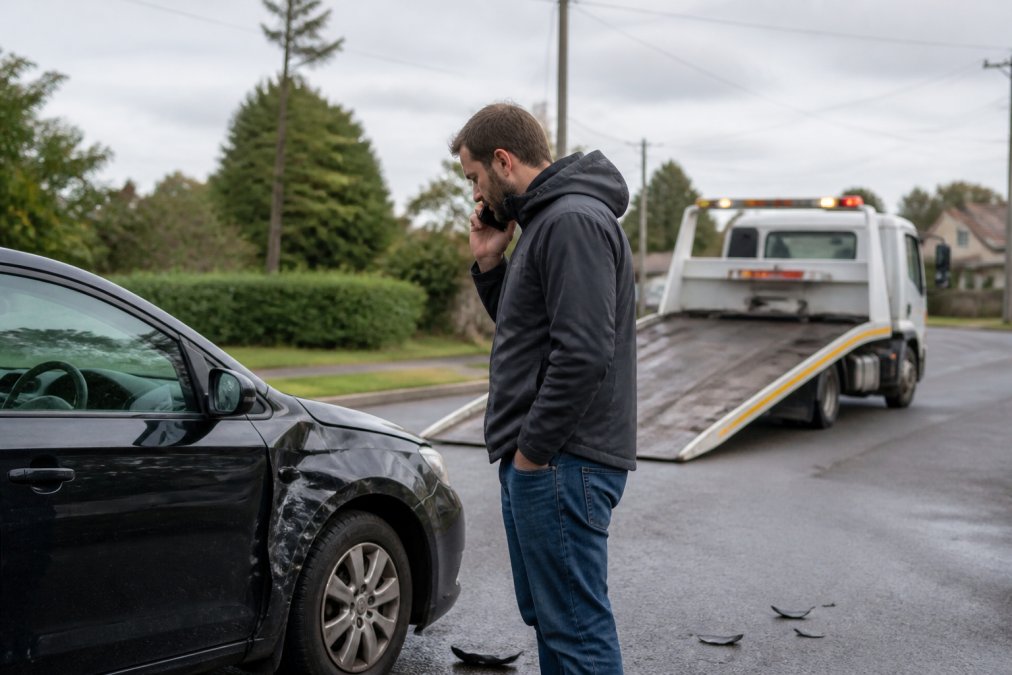
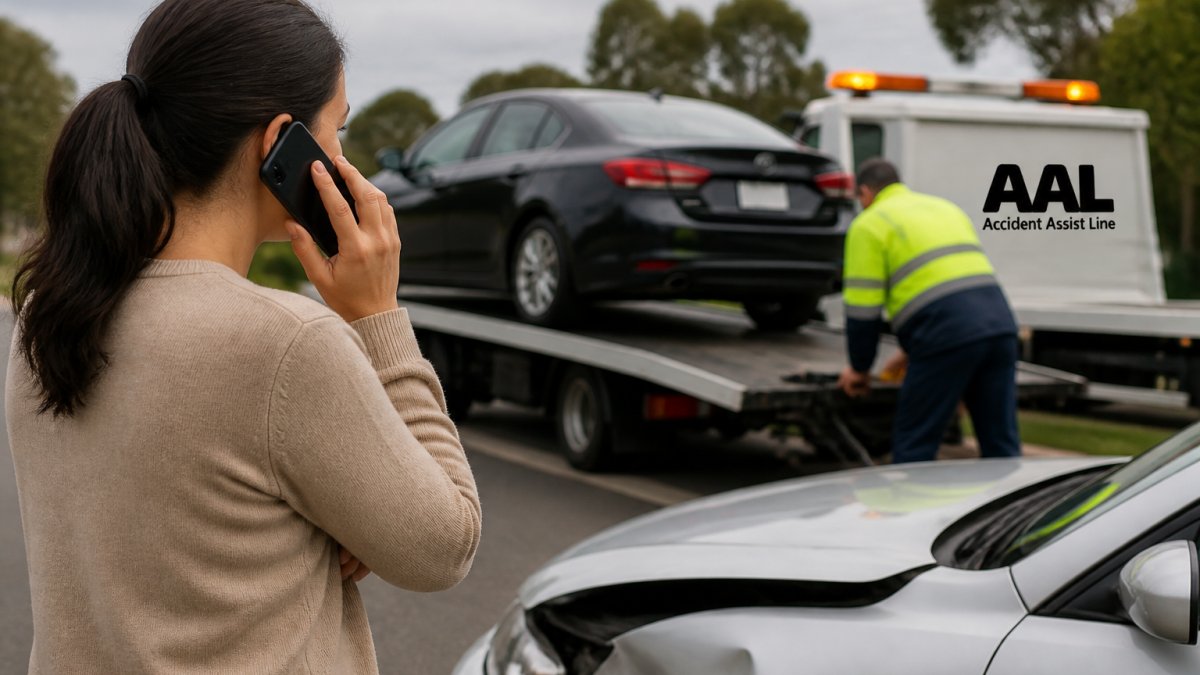
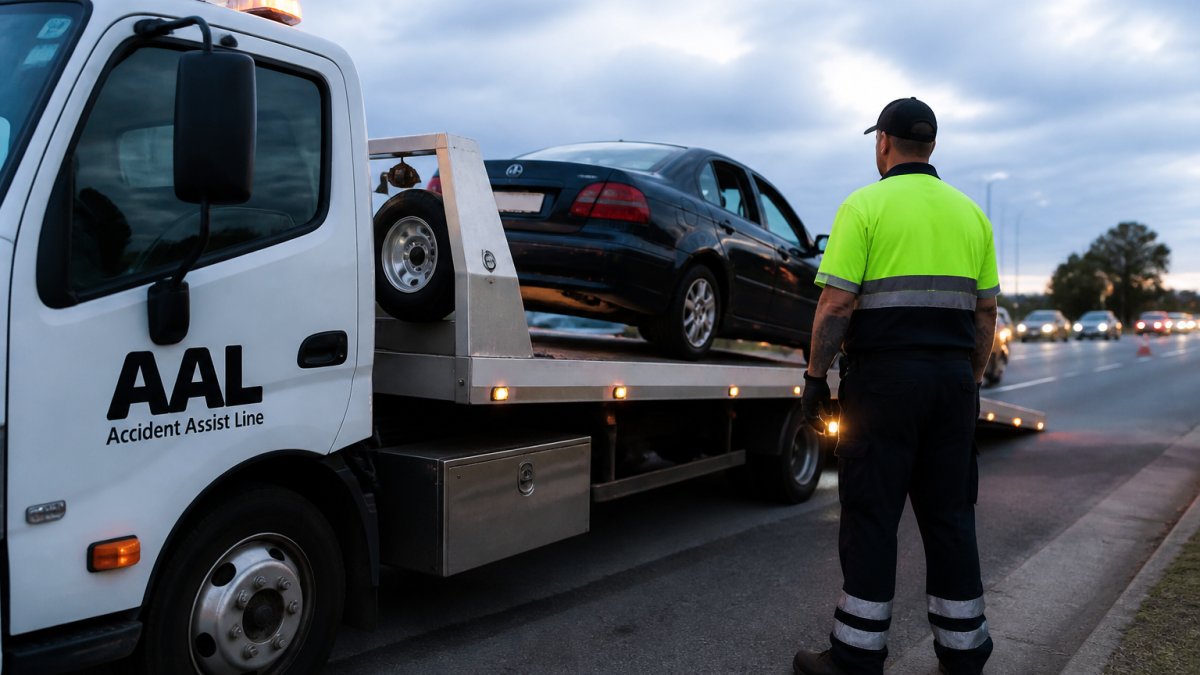
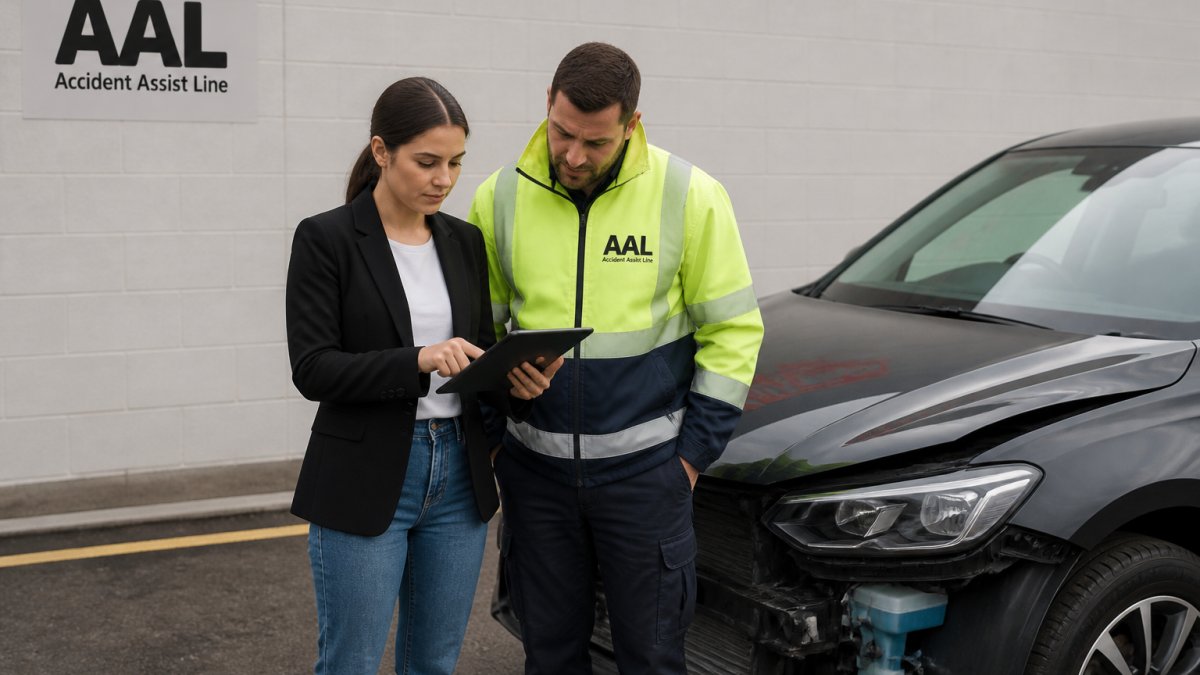
If your car isn't driveable, arrange a tow through Victoria's official accident-towing allocation network. Accident Assist Line coordinates that tow and the repair, so you're not juggling calls while standing on a roadside.
The Not at Fault Accident Insurance Process and Your Bonus
The not at fault accident insurance process is the strongest protection for your no claim bonus. When another driver caused the crash, your insurer can pursue their insurer for the costs, and your discount usually stays intact.
What most guides miss is that "not at fault" isn't automatic, and it isn't permanent. Your insurer decides based on evidence, not on what you tell them at the scene, and that decision can be revisited if recovery later fails.
How your insurer actually decides fault. The assessor weighs the physical evidence (impact points, road position, dashcam or CCTV), the police incident report if one exists, witness statements, and the other driver's version of events. If the two accounts conflict and there's no independent evidence, the claim can be logged as fault or as an unresolved matter, either of which can affect your discount. This is why the evidence you gather in the first hour matters more than anything you say afterwards.
When a non-fault claim can still cost you your bonus. The protection is conditional on your insurer recovering the costs from the at-fault party.
- Hit and run. If the other driver can't be identified, there's no insurer to recover from. Some policies treat this as non-fault and preserve the bonus; others don't. Check your product disclosure statement (PDS) for how unidentified-driver claims are rated.
- Uninsured at-fault driver. Your insurer can still pursue the driver personally, but recovery is slow and often partial. Some insurers will still rate the claim as non-fault; others won't.
- Disputed liability. If the other driver denies fault and the evidence is evenly balanced, your insurer may not be able to establish recovery. The claim can then be recorded in a way that reduces your bonus.
- Partial fault. If you contributed to the crash, even slightly, the claim can be apportioned, and your bonus may be affected proportionally.
What to gather so recovery succeeds.
- Photos of both vehicles, the impact points, and the road position before anything is moved
- The other driver's name, licence number, registration, and insurer
- Witness names and contact numbers, not just their recollection at the scene
- A police incident number, if one was issued
- Dashcam footage, downloaded and backed up the same day
The step most drivers skip. After the claim is finalised, ask your insurer in writing how it was rated, fault, non-fault, or apportioned, and confirm your no claim bonus tier. If the rating is wrong, you have a written record to dispute it at renewal, before the discount is actually applied to your premium.
No Claim Bonus Protection Cost: Is It Worth Paying?
No claim bonus protection cost is an extra amount added to your premium at each renewal. In return, your discount stays in place after one at-fault claim, instead of resetting. Most guides stop there. The useful question is how to decide whether the extra premium is worth it for your situation, and that comes down to a simple comparison.
The decision logic. Work through these three numbers:
- What your discount is worth now. If you're on a high tier, the annual dollar value of your discount is large. If you're on a low tier, it's small.
- What protection costs per year. This is the loading your insurer quotes.
- How many years it takes to rebuild. After a fault claim, your discount typically rebuilds one tier per claim-free year. If you were on a high tier, that's several years of paying more before you're back where you started.
When protection is more likely to pay off:
- You're on a high discount tier with a long claim-free run
- Multiple drivers share the policy, raising the chance of a claim
- You drive frequently in high-traffic conditions
- You'd struggle to absorb a premium rise at renewal
When it's less likely to pay off:
- You're a new driver on a low tier with little discount to protect
- The car is rarely driven
- The protection premium is high relative to the discount at risk
How to Protect Your No Claim Bonus: Step-by-Step
Protecting your no claim bonus comes down to evidence, timing and the choices you make in the first 48 hours.
- Secure the scene and gather evidence. Photos, witness details and road position.
- Report promptly. Delays weaken your position with your insurer.
- Be clear about fault. State facts, not opinions.
- Ask how the claim will be recorded. Fault or non-fault changes everything.
- Check whether you hold protection. Read your policy schedule.
- Keep every document. Quotes, reports, receipts, correspondence.
- Review your renewal closely. Confirm your discount tier is correct.
Switching Insurers, NCB Recovery and International Portability
Switching insurers doesn't have to cost you your discount. Most insurers will recognise your no claim bonus if you can prove it with a no claims certificate or a letter from your previous insurer.
Common Mistakes That Cost You Your Discount
Most lost discounts trace back to a handful of avoidable errors.
- Admitting fault at the scene
- Failing to collect witness details
- Reporting late to your insurer
- Assuming a non-fault claim is automatically safe
- Not checking your policy for protection cover
- Throwing away the no claims certificate when switching
- Letting a repair proceed without insurer approval
Frequently Asked Questions
How does protected no-claims bonus work after an accident?
When you add no claim bonus protection to your comprehensive cover, your insurer agrees not to reduce your discount tier after a set number of at-fault claims within the policy period. The cover does not stop a claim from being recorded, and it does not freeze your base premium, which can still rise with broader market or risk factors. Check your product disclosure statement for how many protected claims apply and any conditions, such as the accident being reported and the driver being listed.
What happens to my no claim bonus if I am involved in a not-at-fault accident?
In most cases your no claim bonus is not reduced when you are not at fault, because the discount reflects claims where you were responsible. The not at fault accident insurance process usually involves giving your insurer the other driver's details, the accident report and any witness information so it can recover costs from the at-fault party. If the other driver cannot be identified, some insurers treat the claim differently, so confirm your policy wording before assuming your bonus is safe.
Is it worth paying extra for no claim bonus protection?
It depends on your discount tier and how much a lost rating would cost at renewal. No claim bonus protection cost is usually a percentage added to your premium, so compare that amount with the increase you would face if you dropped a tier after one at-fault claim. Drivers with a high bonus accumulation and a long claims history often find protection worthwhile, while those on a low tier may not recover the added cost. Ask your insurer for both figures in writing.
How can I maintain my no claim bonus rating if my car is written off?
A write-off is still a claim, so whether your rating is affected depends on fault and whether you hold protected status. If another driver caused the collision, your insurer can usually pursue recovery and your discount stays intact. If you were at fault, protection may preserve your tier, but the claim still forms part of your accident history. Keep your no claims certificate, photos and the accident report, and confirm the outcome with your insurer in writing.