 how-to
Immediate support after a car accident: a step-by-step guide
Table of Contents
- What to do at the accident scene
- Car accident reporting requirements you must follow
- Organising towing, repairs, and a hire car
- How to lodge a CTP claim after your accident
- Crisis counselling and mental health support for road trauma
- What to do after a car accident checklist
- Staying safe during your recovery
Last Updated: August 21, 2026
What to do at the accident scene
The first minutes after a collision determine your safety, the accuracy of your report, and your ability to claim later. Move to safety first. If you're able to exit your vehicle and it's safe to do so, get yourself and your passengers away from traffic. Turn on hazard lights, set up warning triangles if you have them, and stand well clear of the roadway.

Call emergency services immediately if anyone is injured or if there's a risk to other road users. Even minor injuries can develop into serious conditions hours later, so don't assume you're fine. Once you've confirmed everyone's safety, document the scene. Take photos of vehicle damage, road conditions, traffic signs, and the overall accident location from multiple angles. Get the names, phone numbers, addresses, and insurance details of other drivers involved. Note the registration plates of all vehicles.
Write down what happened while it's fresh. Include the time, weather conditions, road surface, and your speed. If there are witnesses, get their contact information before they leave. Don't admit fault or apologize for the accident, stick to factual descriptions. Keep all documentation together: photos, witness statements, and contact details. This information will be essential when you lodge your claim.
Many drivers delay calling for help because they're unsure whether their injuries warrant it. When in doubt, call. Medical professionals can assess you properly, and having a medical report creates a record that supports your claim later. If you need immediate support coordinating towing and next steps, services like Accident Assist Line offer 24/7 callbacks to guide you through the immediate aftermath without the stress of managing insurance calls yourself.
Car accident reporting requirements you must follow
Every motor vehicle accident in Australia must be reported to police if there's injury, death, or significant property damage. The reporting timeframe varies by state, but generally you must report within 24 hours. In Victoria and New South Wales, you're required to exchange details with other parties at the scene. If the other driver leaves without providing details, you must report it to police as a hit-and-run.
Your insurer must be notified as soon as possible, most policies require notification within a set timeframe, often 7 days. Delaying notification can affect your claim. When you call your insurer, have your policy number ready and describe the accident factually. Don't speculate about fault or injuries. Provide the other driver's details, witness information, and photos if you have them.
If you're injured, you may be entitled to claim under the Compulsory Third Party (CTP) insurance scheme, which covers medical expenses and loss of income for accident-related injuries. CTP claims have specific lodgement deadlines and requirements that vary by state. In New South Wales, you typically have 12 months from the accident date to lodge a claim, though this can be extended in certain circumstances (nsw.gov.au). Understanding these timelines is crucial, missing a deadline can mean losing your entitlement.
Keep copies of all correspondence with your insurer and any police reports. Document every conversation, including dates and names of people you speak with. If you're unsure about your obligations or the reporting process, independent services can clarify your requirements without bias toward insurance company processes. Accident Assist Line, for example, guides drivers through reporting requirements specific to their state, ensuring nothing falls through the cracks.
Organising towing, repairs, and a hire car
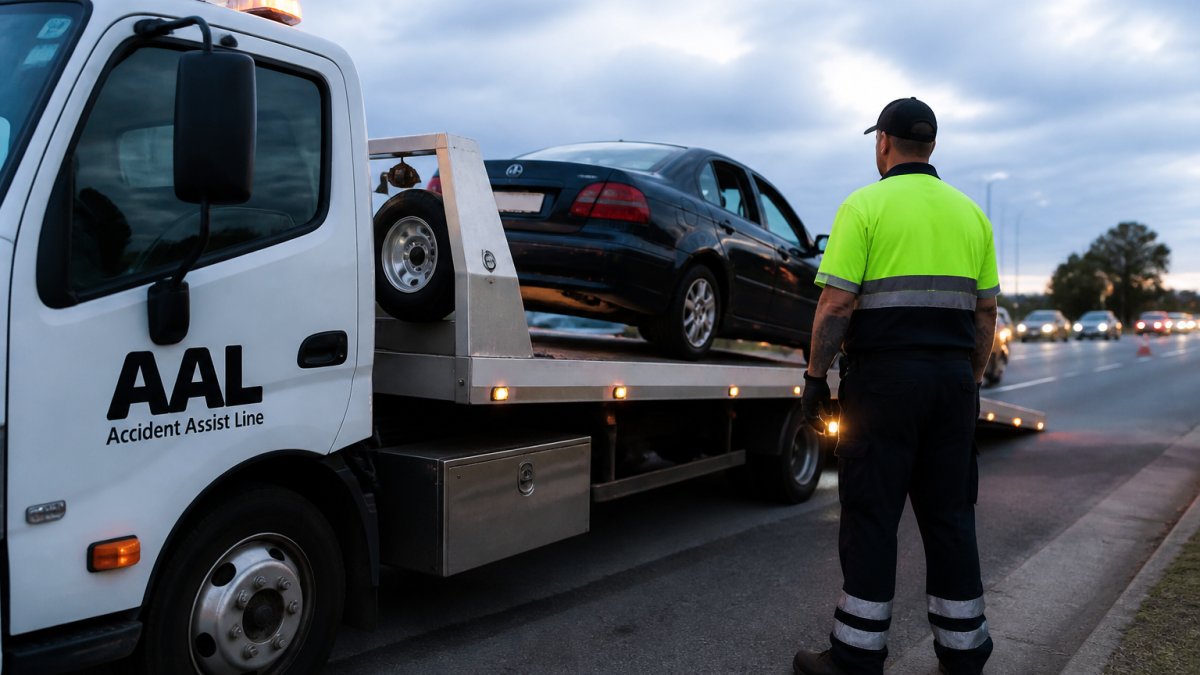
Your first priority after immediate support after car accident steps is getting your vehicle to a safe location. If it's blocking traffic or unsafe where it sits, you'll need a tow truck. Contact your insurer's preferred repairer or towing service, most policies specify which providers they work with. However, you have the right to choose your own repairer, even if your insurer has preferred providers.
When arranging a tow, confirm the destination with your repairer before the truck arrives. Ask about repair timelines upfront. Major repairs can take weeks, so understanding the likely duration helps you plan for a hire car or alternative transport. Get a written quote before work begins. Your insurer will assess the quote and approve repairs up to the agreed limit.
A hire car is often essential while yours is being repaired. Some insurers include hire car cover in their policies; others charge a premium for it. Check your policy documents or ask your insurer directly. If hire car isn't covered, you'll pay for it out of pocket, which can become expensive quickly. Some repairers arrange hire cars as part of their service, which can simplify the process.
The challenge many drivers face is coordinating all of this while injured, stressed, or in shock. You're expected to manage phone calls to your insurer, arrange towing, liaise with repairers, and sort a hire car, often within hours. This is where independent support makes a real difference. Accident Assist Line coordinates towing, repairs, and hire cars in one callback, removing the burden of managing multiple providers and insurance processes yourself. The service operates 24/7 across Victoria, New South Wales, Queensland, and the ACT, so you get help regardless of the time or location.
How to lodge a CTP claim after your accident
A CTP claim covers medical treatment, rehabilitation, and lost wages resulting from your accident injuries. The process begins with notification to the CTP insurer, either your own insurer or the at-fault driver's insurer, depending on your state's scheme. In New South Wales, you notify the Nominal Defendant if the at-fault driver is unidentified or uninsured.
Gather medical evidence to support your claim. This includes medical reports, physiotherapy records, prescription receipts, and any specialist assessments. The more detailed your medical documentation, the stronger your claim. Your doctor or medical practitioner can provide a report outlining your injuries, treatment, and prognosis. Keep receipts for all accident-related expenses: medications, transport to medical appointments, and any aids or equipment you've needed.
Complete the claim form accurately and thoroughly. Provide a detailed account of the accident, your injuries, and how they've affected your daily life and work. Be honest about your symptoms and limitations, exaggerating weakens your claim, but downplaying injuries also reduces your entitlement. Include copies of all supporting documents: medical reports, receipts, payslips showing lost income, and proof of treatment costs.
Submit your claim within the required timeframe. Missing the deadline can mean losing your entitlement entirely. In New South Wales, you generally have 12 months from the accident date, but some circumstances allow extensions. Once submitted, the insurer will assess your claim and either approve it, request more information, or dispute it. If disputed, you may need legal assistance to pursue your claim further.
Many drivers find the CTP process confusing because requirements differ between states and because insurers sometimes request additional information that delays assessment. Having someone familiar with your state's specific requirements can prevent costly mistakes. Services that specialise in post-accident recovery guide drivers through claim lodgement, ensuring documentation is complete and deadlines are met.
Crisis counselling and mental health support for road trauma
Road trauma affects more than your body. The psychological impact of a serious accident can last months or years if left unaddressed. Shock, anxiety, and post-traumatic stress are normal reactions to a frightening event. Recognising these responses early and seeking support prevents them from becoming chronic conditions.

Immediate crisis counselling is available through your state's accident support services. In Victoria, the Transport Accident Commission (TAC) provides free counselling to accident victims (tac.vic.gov.au). In New South Wales, the Lifetime Care and Support scheme offers psychological support for seriously injured people. Queensland and the ACT have similar services. These are not optional extras, they're part of your entitlement to recovery support after a serious accident.
Counselling helps you process the trauma, manage anxiety about driving again, and develop coping strategies. A counsellor trained in trauma can identify post-traumatic stress symptoms and provide evidence-based treatment. Don't wait until symptoms become severe. Early intervention is more effective and prevents the development of longer-term mental health conditions.
Beyond crisis counselling, peer support groups connect you with others who've experienced road trauma. Sharing your experience with people who understand what you're going through reduces isolation and validates your reactions. Many support groups meet regularly and operate both in-person and online, so you can participate in ways that suit your recovery.
If you're struggling with anxiety about returning to driving, gradual exposure therapy with a psychologist can help. This involves slowly rebuilding confidence in controlled situations, eventually returning to normal driving. This is not a weakness, it's a practical recovery strategy that many accident survivors use successfully.
Your GP can refer you to a psychologist or counsellor if you're struggling. Most people are entitled to subsidised psychology sessions through the Medicare rebate system. If you're severely injured, your injury scheme may cover more sessions. Ask your insurer or injury scheme administrator about mental health support entitlements specific to your situation.
What to do after a car accident checklist
Immediate actions at the scene:
- Check for injuries and call emergency services if needed
- Move to safety away from traffic
- Turn on hazard lights and set up warning triangles
- Take photos of vehicle damage, road conditions, and scene
- Exchange details with other drivers (name, phone, address, insurance)
- Get witness contact information
- Write down what happened while it's fresh
- Do not admit fault or apologize
Within 24 hours:
- Report the accident to police if required (injury, death, or significant damage)
- Notify your insurer of the accident
- Provide your insurer with photos, witness details, and police report number
- Seek medical assessment even if you feel fine
- Document any visible injuries with photos
- Keep all receipts and documentation
Within 7 days:
- Arrange vehicle towing and repairs
- Organise a hire car if needed
- Collect medical reports from your doctor
- Start gathering receipts for accident-related expenses
- If injured, begin gathering documentation for a CTP claim
Within 12 months (varies by state):
- Lodge your CTP claim with all supporting medical and financial documentation
- Keep copies of all correspondence with insurers and medical providers
- Attend counselling or mental health support if you're struggling with trauma
- Follow up on claim assessment and provide additional information if requested
Ongoing:
- Continue medical treatment as recommended
- Keep all medical records and receipts
- Attend rehabilitation or therapy appointments
- Document how injuries affect your daily life and work
- Seek legal advice if your claim is disputed
Staying safe during your recovery
Physical recovery from a serious accident takes time. Follow your medical practitioner's advice on activity restrictions, rehabilitation, and return-to-work timelines. Pushing too hard too soon can delay healing and create chronic problems. If your doctor says you need six weeks off work, that's not a suggestion, it's a medical requirement for proper recovery.
Return to driving only when you're physically and psychologically ready. Many accident survivors experience anxiety about driving again. This is normal and doesn't mean you're weak. Gradual exposure, starting with quiet roads, short distances, and familiar routes, helps rebuild confidence. If anxiety is severe, work with a psychologist before returning to driving.
Watch for delayed symptoms. Some injuries don't show up immediately. Neck pain, headaches, and back pain can develop days or weeks after an accident. If new symptoms appear, see your doctor and report them to your insurer. These are part of your accident-related injuries and should be documented for your claim.
Manage stress during recovery. Accidents are traumatic events, and your body needs time to recover psychologically as well as physically. Sleep disturbances, irritability, and difficulty concentrating are common. These usually improve with time and support, but if they persist, seek help from a counsellor or your GP.
Stay connected with your support network. Family and friends can help with practical tasks while you recover, and emotional support matters during a difficult period. Don't isolate yourself or try to "tough it out" alone. Recovery is faster and more complete when you have people around you.
Keep all documentation throughout your recovery. Medical records, receipts, payslips, and communication with insurers create the evidence base for your claim. Organised documentation also helps if you need to provide information to your doctor or counsellor. Use a folder or digital system to keep everything in one place.
Frequently Asked Questions
What is the first thing you should do immediately after a car accident?
Stop your vehicle safely, turn on hazard lights, and check for injuries. Move to a safe location away from traffic if possible. Call emergency services (000) if anyone is hurt or the road is blocked. Once safe, exchange details with other drivers involved, take photos of vehicle damage and the scene, and note witness contact information. Immediate support after a car accident begins with your safety first.
What are the mandatory car accident reporting requirements in my state?
You must report the accident to police if anyone is injured or there is significant property damage. In Victoria, NSW, Queensland, and the ACT, you're required to provide your name, address, vehicle registration, and insurance details to other drivers involved. Report to your insurer within the timeframe specified in your policy (typically within 30 days). Keep all documentation including photos, witness statements, and police reports for your claim.
How do I lodge a CTP claim after my accident?
Contact your CTP insurer as soon as possible with details of the accident, the other vehicle's registration, and any injuries sustained. Complete a claim form and provide supporting documents: police report, medical assessments, repair quotes, and witness statements. Your insurer will assess liability and approve treatment or repairs. If you're unsure about the process, support services can guide you through each step to ensure you lodge your claim correctly and on time.
What emotional support is available after a car accident?
Road trauma can cause lasting psychological effects. Crisis counselling services like Lifeline (13 11 14) and Beyond Blue (1300 224 636) offer immediate support. Many insurers cover psychology sessions through your health insurance. Peer support groups connect you with others recovering from similar incidents. Family support services help loved ones understand road trauma and grief. Trauma-informed care focuses on your wellbeing alongside physical recovery, addressing shock, anxiety, and long-term adjustment.
If you've been in a car accident and the immediate aftermath feels overwhelming, you don't have to manage it alone. Accident Assist Line provides 24/7 support to guide you through towing, repairs, hire cars, and the next steps of your recovery. With a callback in under 30 seconds, you get real help when you need it most, no forms, no delays, just straightforward support from people who understand what you're going through.
This article was written using GrandRanker