 how-to
How to Handle Post-Accident Stress: A Recovery Guide
Table of Contents
- Understanding Post-Accident Stress and Its Physical Impact
- Immediate Steps to Take in the First Hours After a Crash
- Managing Driving Anxiety After an Accident
- Self-Care Strategies and Grounding Techniques
- When to See a GP for Mental Health After an Accident
- How Long Does Emotional Recovery Take After a Crash
- Navigating Legal and Insurance Stress During Recovery
- Building Resilience and Moving Forward
- Frequently Asked Questions
Last Updated: September 1, 2026
Understanding Post-Accident Stress and Its Physical Impact
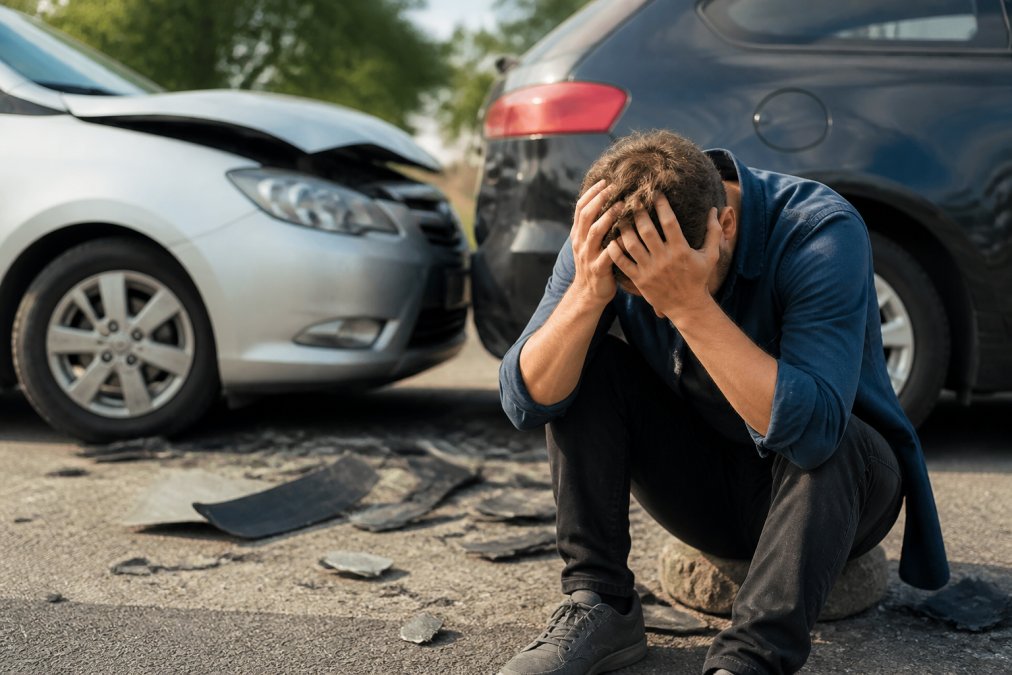
Post-accident stress floods your nervous system with stress hormones, triggering fight-or-flight whether facing a predator or a car crash. Your body doesn't distinguish between the two.
Physical symptoms often arrive first: chest tightness, fragmented sleep, trembling, nausea, or dissociation. These aren't signs of permanent damage; they're signs your nervous system is processing a genuine threat. What makes post-accident stress disorienting is its unpredictability, a car horn or sudden movement can trigger panic hours or days later as your amygdala relearns that roads signal danger.
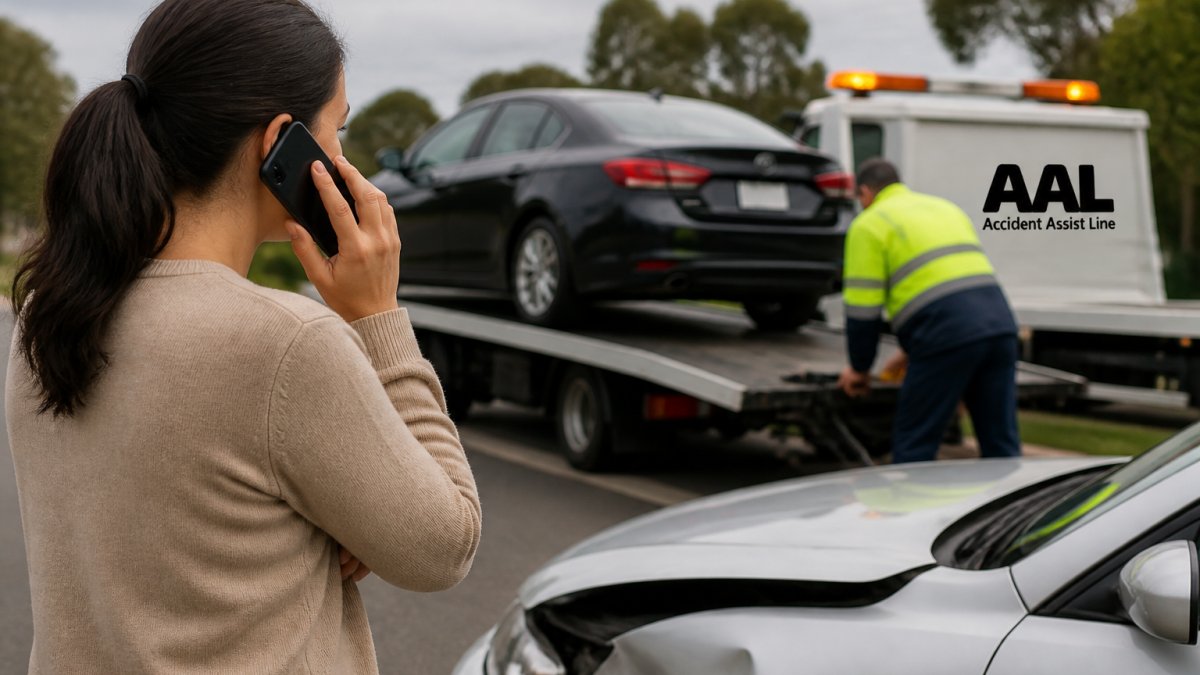
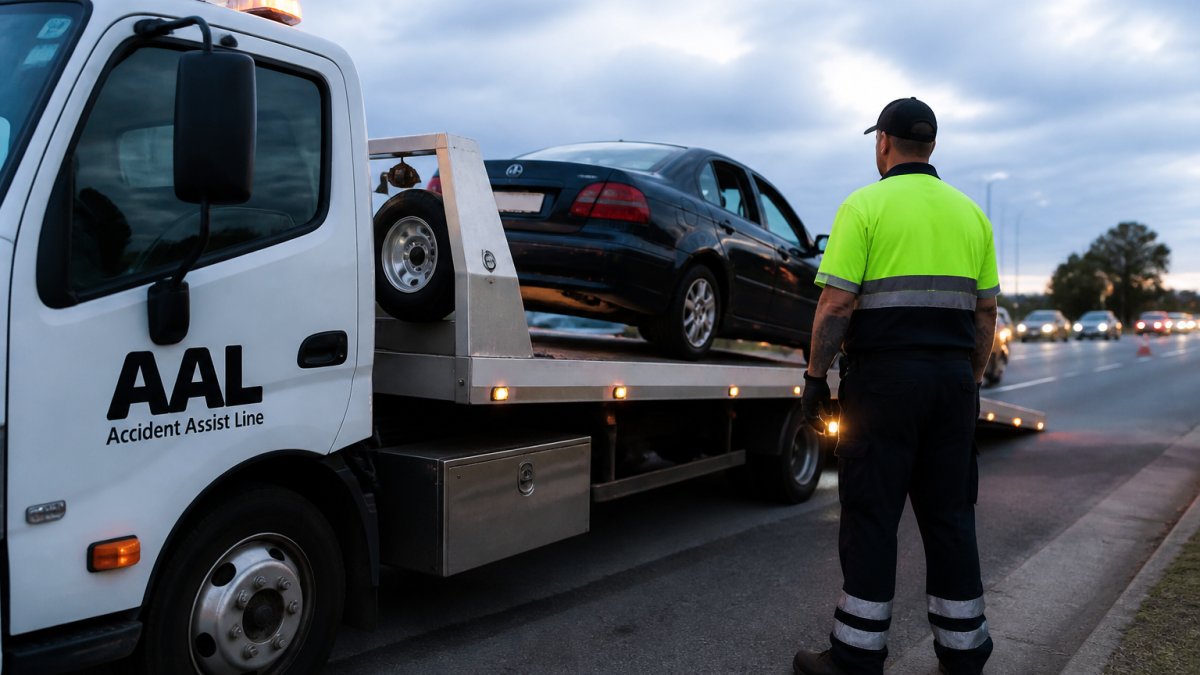
At Accident Assist Line, we understand that stress doesn't end when the tow truck arrives. The logistics of towing, repairs, and insurance pile on top of emotional weight. Our 24/7 support removes this major source of stress so you can focus on stabilising yourself.
Immediate Steps to Take in the First Hours After a Crash
The first few hours after a crash define how well you'll manage the stress that follows. Shock masks pain, so your immediate priority is assessing safety, not vehicle damage.
Step 1: Move to Safety If safe, move your vehicle to the shoulder or away from traffic. If you cannot move it, stay inside with seatbelts fastened and hazard lights on.
Step 2: Check for Injuries Adrenaline masks pain. Run a quick mental inventory: can you move all limbs? Any sharp pain in your chest, abdomen, or neck? Any vision changes or difficulty breathing? If there's any doubt, call an ambulance.
Step 3: Call Emergency Services if Needed If anyone is injured, there's significant damage, or the other driver appears unwell, call 000. Provide your location clearly and describe injuries or hazards.
Step 4: Document the Scene Take photos of vehicle damage, the accident scene, road conditions, and traffic signals. Get the other driver's name, phone number, address, insurance details, and vehicle registration. If there are witnesses, ask for their contact information. Keep conversation factual and brief; do not admit fault.
Step 5: Contact Your Insurance Provider or Accident Assist Line Insurance claim processes involve forms and delays when you're already overwhelmed. Accident Assist Line provides a callback in under 30 seconds from a real person who coordinates towing, repairs, and hire car arrangements without paperwork friction. We're independent, so we guide your next steps based on what's best for you.
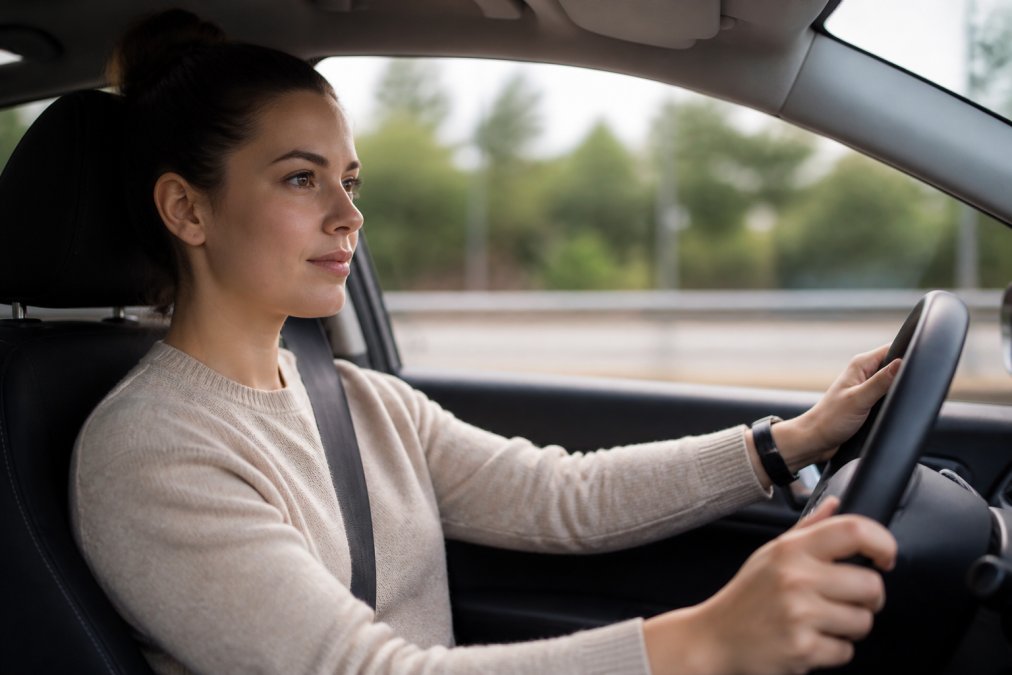
Managing Driving Anxiety After an Accident
Driving anxiety after an accident is one of the most common forms of post-accident stress. Your brain has learned that roads are dangerous, and that learning is stubborn. Every intersection feels like a threat.
The anxiety isn't irrational, you experienced genuine danger. But it becomes problematic when it persists long after the statistical risk has returned to normal. The goal is to recalibrate your threat detection so ordinary driving feels manageable again.
Gradual Exposure Works Better Than Avoidance Avoidance reinforces anxiety. Each time you skip driving, your brain interprets that choice as confirmation that driving is dangerous. Instead, gradual exposure teaches your nervous system that driving can be safe. Start small: drive to a nearby location during quiet hours on familiar roads. Gradually extend the distance and complexity. The process is slow, but it works because your own experience rewires your threat detection.
Breathing and Grounding Techniques When anxiety spikes, shallow breathing amplifies panic. Before driving, practise box breathing: inhale for four counts, hold for four, exhale for four, hold for four. Repeat five times. This activates your parasympathetic nervous system and signals safety to your amygdala. While driving, feel the texture of the seat or door with one hand to anchor your attention to the present moment.
Cognitive Reframing Your brain generates catastrophic predictions: "I'll have another crash." These feel like facts but are predictions based on past trauma, not present reality. When the thought arises, acknowledge it: "That's my anxious brain talking. That's not what's happening now." Then redirect attention to concrete sensory details: the feel of the wheel, the sound of the engine, the road ahead.
Self-Care Strategies and Grounding Techniques
Self-care after a crash is nervous system regulation. Your body is running on stress hormones, and deliberate practices help bring those levels down so your mind can process what happened.

Sleep Hygiene Trauma disrupts sleep. Establish a consistent bedtime routine: no screens one hour before bed, dim lighting, a cool room (around 16-18°C), and a fixed wake time (peer-reviewed research). If racing thoughts keep you awake, write them down and commit to addressing them tomorrow.
Movement and Somatic Release Trauma is stored in the body as frozen energy. Gentle movement helps discharge it. Walking, swimming, or yoga helps metabolise stress hormones. Progressive muscle relaxation, systematically tensing and releasing each muscle group, teaches your nervous system the difference between tension and relaxation.
Routine and Structure Maintain your normal waking and eating times even if you don't feel hungry. Go to work if able. See friends. These ordinary activities signal to your nervous system that the world is still functioning normally.
Mindfulness and Grounding When intrusive thoughts arise, the 5-4-3-2-1 technique works well: identify five things you can see, four you can touch, three you can hear, two you can smell, one you can taste. This engages your sensory system and pulls your mind away from the trauma narrative.
Social Connection Isolation amplifies trauma. Spending time with people you trust helps regulate your nervous system. If you're not ready for social engagement, a phone call with a trusted friend helps.
When to See a GP for Mental Health After an Accident
Many people experience post-accident stress symptoms that resolve within weeks. Others find symptoms persist or intensify, interfering with work, relationships, and daily functioning.
See your GP if:
- Anxiety or intrusive thoughts persist beyond four weeks
- You're unable to drive or avoid driving despite wanting to resume
- Sleep disruption continues despite consistent sleep hygiene efforts
- You experience panic attacks or severe anxiety that feels unmanageable
- You're using alcohol or other substances to manage stress
- You feel emotionally numb or detached from people and activities you normally enjoy
- Flashbacks or nightmares are frequent and distressing
Your GP can assess whether you're experiencing post-traumatic stress disorder (PTSD) or acute stress disorder, both of which respond well to evidence-based treatment.
Treatment Options Trauma-focused cognitive behavioural therapy (TF-CBT) and eye movement desensitisation and reprocessing (EMDR) are gold-standard treatments for post-accident trauma. Both help your brain process the traumatic memory so it loses its emotional charge. Treatment typically runs 12-20 sessions and is far more effective than time alone for many people. Your GP can refer you to a psychologist or psychiatrist who specialises in trauma.
Access to Mental Health Services In Australia, you can access mental health support through your GP, who can provide a Mental Health Treatment Plan for subsidised psychology sessions under Medicare. The Beyond Blue helpline offers free counselling. The Lifeline service provides 24/7 crisis support.
How Long Does Emotional Recovery Take After a Crash
There's no universal timeline. Some people stabilise within weeks; others take months. The variability depends on crash severity, personal trauma history, your support network, and how quickly you address symptoms.
The First Two Weeks Expect acute stress responses: hyperarousal, intrusive thoughts, sleep disruption, and emotional numbness. Physical symptoms like trembling, nausea, and muscle tension are normal. Most people see improvement as the initial shock wears off.
Weeks Three to Eight This is often the hardest phase. The acute crisis has passed, so people may expect you to be "back to normal." You're not. Anxiety and intrusive thoughts often intensify as your brain processes the trauma. This is the window where professional support makes the biggest difference.
Two to Six Months With consistent self-care and professional support, most people see significant improvement. Anxiety becomes less frequent and intense. Sleep normalises. You can think about the crash without your nervous system launching into fight-or-flight.
Beyond Six Months If symptoms persist significantly beyond six months despite self-care efforts, this suggests PTSD rather than normal post-accident stress. Professional treatment becomes essential; PTSD doesn't resolve on its own.
Factors That Speed Recovery
- Rapid resolution of practical logistics (towing, repairs, hire car)
- Strong social support
- Early professional intervention when symptoms are severe
- Consistent self-care and grounding practices
- Gradual return to normal activities, including driving
Factors That Slow Recovery
- Ongoing practical stress (insurance disputes, repair delays)
- Isolation and avoidance
- Previous trauma history
- Lack of social support
- Untreated anxiety or depression
Navigating Legal and Insurance Stress During Recovery
The legal and insurance machinery that kicks in after a crash adds a second layer of stress on top of emotional trauma. Forms, deadlines, phone calls, and claim outcome uncertainty create anxiety that can rival the accident itself.
Understanding Your Rights In Australia, you're entitled to claim through your own insurance or, in some circumstances, through the at-fault driver's insurer. The specifics depend on your state's motor accident insurance scheme. Getting clear guidance early prevents costly mistakes.
The Paperwork Burden Insurance claims require detailed documentation: medical reports, repair quotes, photos, and witness statements. This bureaucratic friction compounds post-accident stress significantly. Independent support makes a tangible difference. Accident Assist Line coordinates logistics, towing, repairs, hire car, without the paperwork friction that comes with traditional insurance-led processes.
Managing Disputes and Delays If the insurer disputes liability or delays payment, document everything: dates, times, names, what was said. Keep copies of all correspondence. If disputes become protracted, consider consulting a lawyer who specialises in motor accident claims.
Returning to Work Talk to your manager or HR about temporary adjustments: working from home, modified hours, or phased return. Many workplaces have employee assistance programs offering free counselling.
Financial Stress If your vehicle is being repaired and you're paying for a hire car out of pocket, costs add up. Accident Assist Line arranges hire cars as part of our coordination, removing one major expense from your shoulders.
Building Resilience and Moving Forward
Recovery from post-accident stress involves rebuilding confidence in yourself and the world. Resilience is built through small, deliberate choices in the weeks and months after trauma.
Reclaiming Driving Driving again after an accident is terrifying, but you drove safely before the crash. The crash was an event, not a permanent change to your abilities. Gradual exposure rewires your brain's threat detection. Each successful drive builds evidence that you can do this.
Redefining Your Relationship with Risk Before the crash, you probably didn't think much about driving risk. After the crash, risk feels omnipresent. The goal is to develop realistic risk awareness. You're more cautious now, which is appropriate. These aren't signs of weakness; they're signs of learning.
Processing the Narrative Trauma creates a fractured narrative: "I was safe, then suddenly I wasn't." Healing involves integrating that experience into a larger story where you survived something difficult and are now rebuilding. This isn't about "moving on"; it's about incorporating the experience without letting it define you entirely.
Seeking Meaning Some people find meaning in helping others who've experienced similar trauma. Others find it in renewed appreciation for people and activities they'd taken for granted. Intentionally reflecting on what the experience has taught you can transform it from pure suffering into something with purpose.
Post-accident stress is one of the most underestimated challenges people face after a crash. The vehicle can be repaired in weeks; your nervous system takes longer. With deliberate self-care, social support, and professional help when needed, most people emerge with their capacity for resilience intact.
If you're in the immediate aftermath of an accident, your first priority is safety and stabilisation. The logistics of towing, repairs, and hire car arrangements don't have to add to your stress. Accident Assist Line provides 24/7 support across Victoria, New South Wales, Queensland, and the ACT, coordinating everything so you can focus on recovery. A callback arrives in under 30 seconds, a real person ready to guide your next steps without forms or delays. EXTERNAL_LINK: Call Accident Assist Line now for [immediate support | accidentassistline.com.au] and let us handle the coordination while you heal.
Frequently Asked Questions
What are the common symptoms of post-accident stress?
Post-accident stress can manifest as anxiety, flashbacks, sleep disturbances, hyperarousal, and avoidance behaviour. You might experience intrusive thoughts about the crash, difficulty concentrating, or physical symptoms like rapid heartbeat and muscle tension. Some people develop emotional numbness or feel detached from daily activities. These reactions are normal responses to traumatic events. If symptoms persist beyond a few weeks or intensify, professional support becomes important.
How can I manage driving anxiety after an accident?
Start by rebuilding confidence gradually: practise driving in quiet, familiar areas before returning to busier roads. Use grounding techniques when anxiety rises, such as focusing on your five senses or deep breathing. Consider cognitive behavioural strategies like challenging catastrophic thoughts. Many people benefit from speaking with a psychologist who specialises in trauma. Some find it helpful to have a trusted passenger initially. Professional counselling can provide tailored trigger management strategies suited to your specific concerns.
When should I seek professional help for post-accident stress?
Contact your GP if symptoms persist beyond two to three weeks, significantly interfere with daily functioning, or worsen over time. Seek immediate support if you experience severe anxiety, depression, suicidal thoughts, or inability to work or care for yourself. A mental health professional can provide clinical assessment and therapeutic intervention. Your GP can refer you to a psychologist or counsellor. Early intervention often leads to faster psychological support and better recovery outcomes.
How long does emotional recovery typically take after a crash?
Recovery timelines vary significantly depending on accident severity, your support network, and personal resilience. Many people show substantial improvement within four to twelve weeks with proper self-care and support. More severe trauma may require six months to two years for full recovery. Some individuals experience ongoing challenges that benefit from long-term therapeutic intervention. There is no fixed timeline, and progress is not always linear. Professional counselling can help establish realistic expectations for your specific situation and accelerate nervous system regulation.
This article was written using GrandRanker