 how-to
How to Claim for Not at Fault Car Damage
Table of Contents
- What to Do Immediately After the Accident
- Information to Collect from the Other Driver
- How to Prove You're Not at Fault in a Car Accident
- Understanding Your Insurance Excess and Waiver Options
- Steps to Take If the Other Driver Has No Insurance
- How to Lodge Your Claim for Not at Fault Damage
- Using Victoria's Accident Towing Allocation Network
- Conclusion
- Frequently Asked Questions
Last Updated: September 23, 2026
What to Do Immediately After the Accident
The first few minutes after a car accident are critical. Your priority is safety, then documentation. Move to a safe location if possible. Turn on hazard lights. Check for injuries and call emergency services if anyone is hurt.
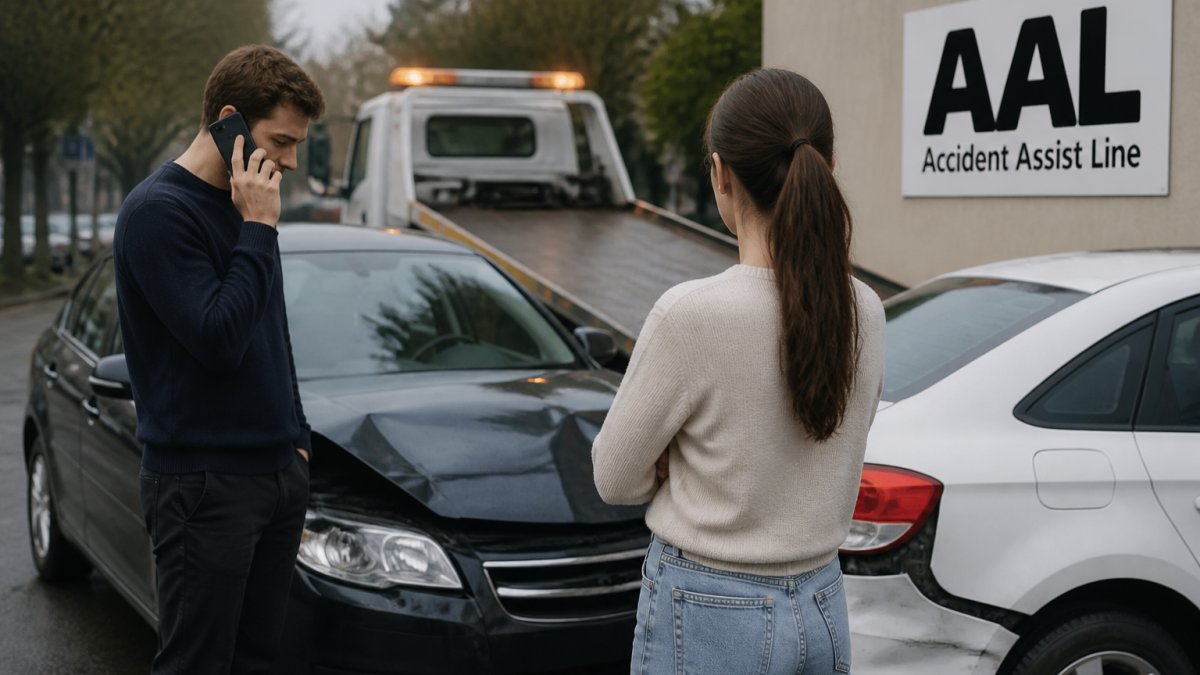
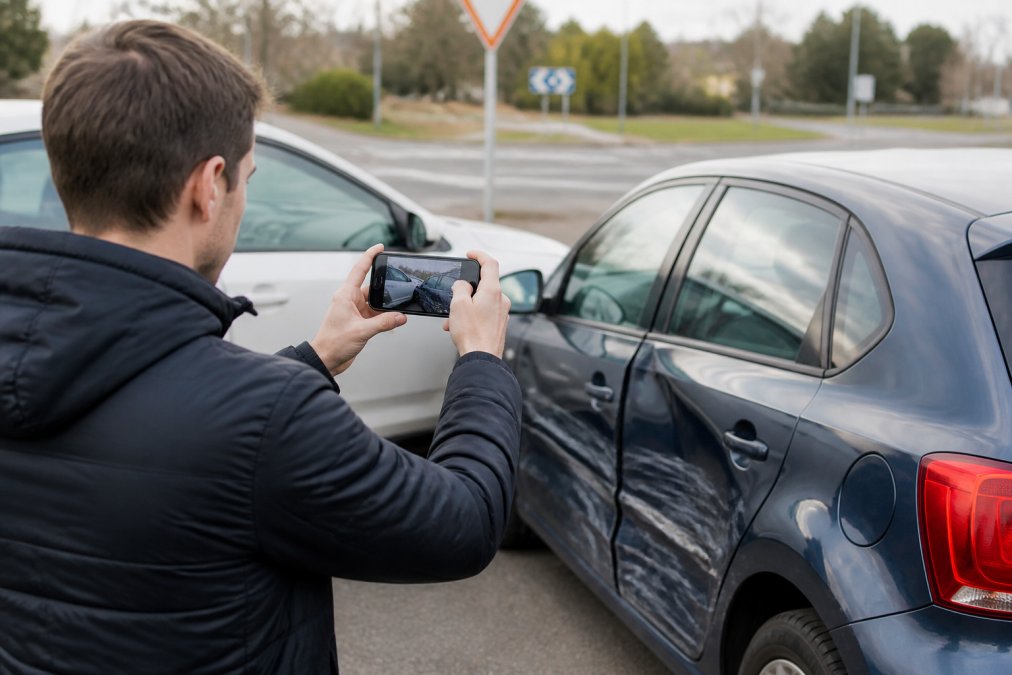
Once it's safe, start gathering information on how to claim for not at fault car damage. Take photos of the accident scene from multiple angles. Capture vehicle damage, road conditions, traffic signs, and the position of both cars. These images will support your claim for not at fault car damage.
Exchange details with the other driver. Get their name, phone number, address, and email. Write down their vehicle registration, make, model, and colour. Note their insurance company and policy number if they provide it.
Call the police and ask for an incident report number. In Victoria, police attend serious accidents. For minor collisions, you can lodge a report online through Victoria Police. This official record strengthens your position when you claim for not at fault car damage.
Don't admit fault, even if you think the accident was your mistake. Stick to facts: "The other car hit my vehicle on the driver's side." Avoid phrases like "I'm sorry" or "This is my fault." These statements can be used against you later.
Contact your insurer as soon as possible. Most insurers have 24-hour claims lines. Report the accident and provide basic details. Ask about your policy excess and whether a waiver applies for not-at-fault claims.
Information to Collect from the Other Driver
Accurate driver details are essential for your claim for not at fault car damage. Ask for full name, date of birth, and current address. Verify their phone number and email address by asking them to repeat it.
Request their vehicle registration number. Check the registration plate matches the vehicle details they've given you. Write down the make, model, year, and colour of their car. Ask for the registration expiry date.
Get their insurance information. Note the insurer's name, the policy number, and the expiry date. Ask whether their cover is comprehensive or third-party only. This tells you whether they can pay for damage to your vehicle.
Ask for their driver's licence number and state of issue. Verify the licence hasn't expired. If they refuse to provide details, note this and report it to police and your insurer.
Collect witness contact information. Ask anyone who saw the accident for their name, phone number, and address. Witnesses strengthen your claim significantly. Get their account of how the accident happened while it's fresh.
Take a photo of the other driver's licence, registration, and insurance documents if they allow it. This reduces errors when you lodge your claim for not at fault car damage. Confirm all details are legible before you leave the scene.
How to Prove You're Not at Fault in a Car Accident
Proving you're not at fault requires solid evidence. Start with the accident scene. Photos showing the position of both vehicles, road markings, traffic lights, and damage patterns tell the story of what happened.
Dashcam Footage: Submission and Strength
Dashcam footage is the most powerful evidence you can provide. If your vehicle has a dashcam, preserve the recording immediately, do not overwrite it. Most dashcams record on a loop and will erase old footage after 24-48 hours, so act fast.
Export the file to cloud storage (Google Drive, Dropbox, OneDrive) or email it to yourself as a backup. This protects against loss if your dashcam is damaged or stolen. Note the exact date, time, and duration of the footage.
When submitting to your insurer, provide the footage in its original format (MP4, MOV, or AVI). Do not edit, crop, or add commentary, insurers and courts prefer unaltered recordings. Include a written summary: date, time, location, weather conditions, and a brief description of what the footage shows (e.g., "Other vehicle ran red light at 2:15 pm, 15 January 2026").
If the footage is large, ask your insurer how they prefer to receive it. Some accept cloud links; others request USB drives or external hard drives. Confirm receipt in writing.
Dashcam footage often settles liability questions within days. Insurers rarely dispute clear video evidence. If the other driver's insurer sees dashcam footage showing they caused the accident, they typically accept liability and authorise repairs without lengthy investigation. This speeds up your claim significantly.
If you don't have dashcam footage, don't assume your claim is weak. Move to the next forms of evidence.
Police Reports and Official Records
Police reports carry significant weight. The incident report documents the officer's assessment of how the accident occurred. Request a copy from Victoria Police using their online portal or by visiting your local station. Include this in your claim submission. Even if police don't assign blame explicitly, their observations, road conditions, vehicle positions, witness accounts they recorded, support your version of events.
Witness Statements
Witness statements are crucial. Get written statements from anyone who saw the accident. Include their name, contact details, occupation, and account of what happened. Witnesses who have no connection to either driver are most credible. Ask them to sign and date their statement, and include the date and time they witnessed the accident.
If a witness is reluctant to write a statement, ask permission to record their account on your phone (with their consent). Transcribe it later and send it to them for verification and signature.
Traffic Camera and CCTV Footage
Traffic camera footage may exist. If the accident happened near a shop, petrol station, service station, traffic light, or council intersection, ask whether CCTV captured the collision. Request footage from the business or local council. This visual evidence often proves liability conclusively. Provide the business name, address, and approximate time of the accident when you request footage. Councils and businesses typically respond within 5-10 business days.
Medical Records and Injury Documentation
Medical records support your claim if you were injured. Document any injuries with photos (taken within 24 hours if possible) and medical reports from your GP or hospital. Keep receipts for treatment costs, physiotherapy, or ongoing care. These records prove the accident caused real harm, strengthening your position and supporting claims for personal injury compensation if applicable.
Repair Quotes and Damage Assessment
Repair quotes demonstrate the cost of damage. Get quotes from at least two independent repair shops. These quotes show the extent of damage and the cost to fix it. Include them when you lodge your claim. If quotes vary significantly, ask the repairer why, this information helps your insurer assess the damage accurately.
Understanding Your Insurance Excess and Waiver Options
Your insurance excess is the amount you pay toward a claim. If your excess is $500 and repairs cost $3,000, you pay $500 and your insurer pays $2,500. Understanding excess is vital to know how to claim for not at fault car damage.
Many insurers offer an excess waiver for not-at-fault claims. This means you don't pay any excess if the other driver is found at fault. Check your policy documents or call your insurer to confirm whether this applies to you.
The process works like this: you lodge your claim and provide evidence you're not at fault. Your insurer investigates. If they accept liability rests with the other driver, they waive your excess. You get repairs without paying anything upfront.
Some policies have a standard excess and an optional extra excess.
Steps to Take If the Other Driver Has No Insurance
Uninsured drivers create complications. If the other driver has no insurance, you cannot recover costs from their insurer. Your options depend on your own cover.
How to Lodge Your Claim for Not at Fault Damage
Lodging your claim promptly protects your rights. Contact your insurer within 24 hours of the accident. Provide the incident report number, the other driver's details, and a brief description of what happened.
Using Victoria's Accident Towing Allocation Network
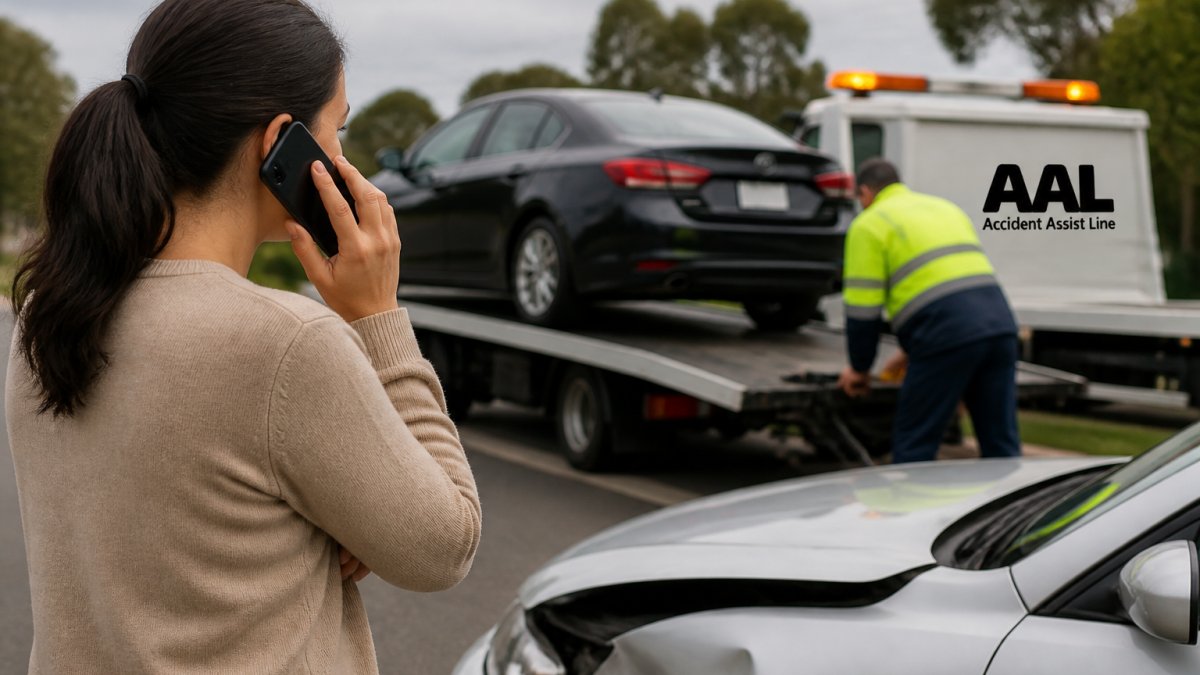
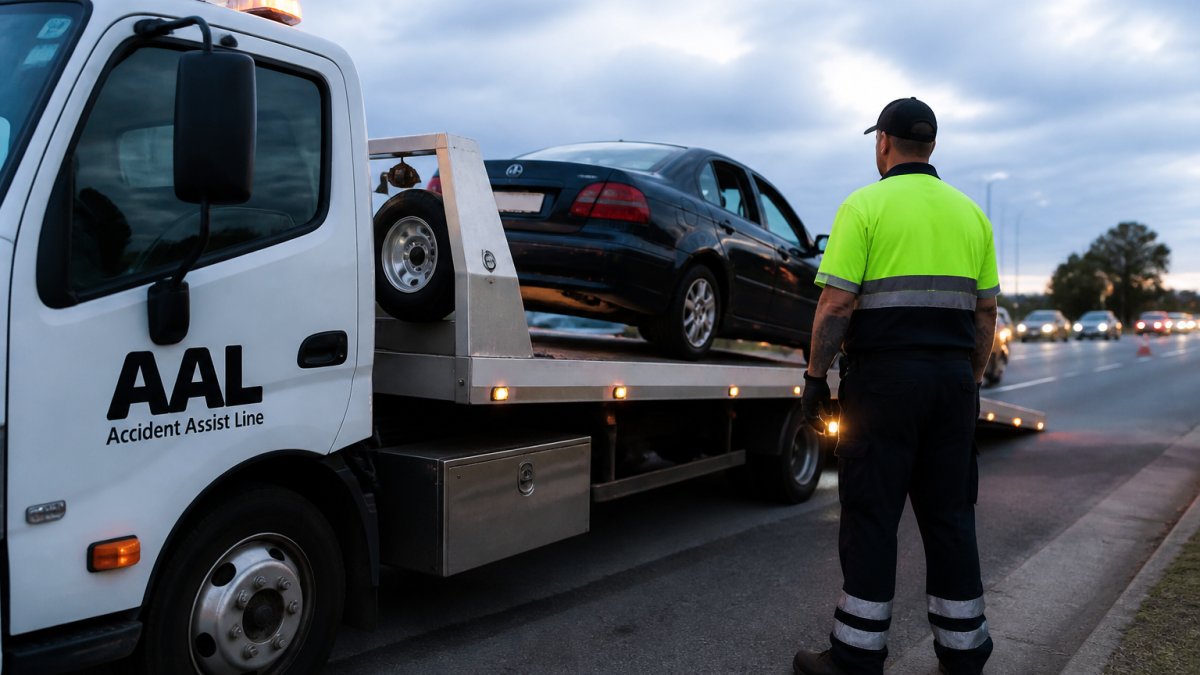
Victoria's accident towing allocation network ensures fair access to towing services after a collision. When you need a tow, you can request a service through this official network rather than choosing a specific company.
Conclusion
Claiming for not at fault car damage requires clear evidence and prompt action. Gather information at the scene, preserve evidence, and report the accident to police and your insurer immediately. Follow the steps outlined above to strengthen your position.
Frequently Asked Questions
Do I have to pay my insurance excess if I'm not at fault?
Not necessarily. If you're found not at fault and the other driver's insurer accepts liability, you may be entitled to an excess waiver. Many insurers will waive your excess in these circumstances, though some require the at-fault driver's insurer to reimburse it first. Check your policy terms or contact your insurer to confirm whether an excess waiver applies to your claim.
What should I do if the other driver has no insurance?
Report the uninsured driver to your insurer immediately when lodging your claim. Your own comprehensive or third-party property damage cover may still protect you, depending on your policy. You can also report the uninsured driver to the police. If you have uninsured motorist cover, this may help cover your costs. Contact your insurer to understand what options are available under your specific policy.
How do I prove the other driver was at fault in a car accident?
Collect evidence at the scene: driver and registration details, witness contact information, photos of vehicle damage and the accident scene, and dashcam footage if available. File a police report if required by your insurer. Submit all evidence to your insurer when you lodge your claim. Third-party insurance details also help establish liability. The more documentation you gather, the stronger your case for proving fault.
What is Victoria's accident towing allocation network and how does it help?
Victoria's accident towing allocation network is the official system that coordinates emergency towing services after motor vehicle accidents. It ensures fair allocation of tow trucks to accident scenes across the state. Using the network means your vehicle is towed by an accredited operator, which supports your insurance claim process. Many accident management services, including those in your area, arrange tows through this network to ensure your vehicle reaches an appropriate repairer quickly.
Managing an accident claim is stressful enough without juggling tow trucks, repair shops, and insurance companies. Accident Assist Line coordinates everything for you. We arrange your tow through Victoria's official network, manage repair coordination, and liaise with your insurer throughout the process, so your claim for not at fault car damage moves forward smoothly. Call us 24/7 for immediate support.