 how-to
Handle a Car Accident Without Insurance: 7 Steps
Table of Contents
- What to Do Immediately After a Car Accident Without Insurance
- Exchange Details and Collect Evidence at the Accident Scene
- Report the Accident to Police and Your Local Authority
- Determining Fault and Your Legal Position if Not-at-Fault
- How to Send a Letter of Demand for Repair Costs
- Negotiating Repair Costs and Settlement Without Insurance
- Legal Aid and Dispute Resolution Options for Car Accidents
- What Happens if You're At-Fault and Uninsured
Last Updated: August 29, 2026
What to Do Immediately After a Car Accident Without Insurance
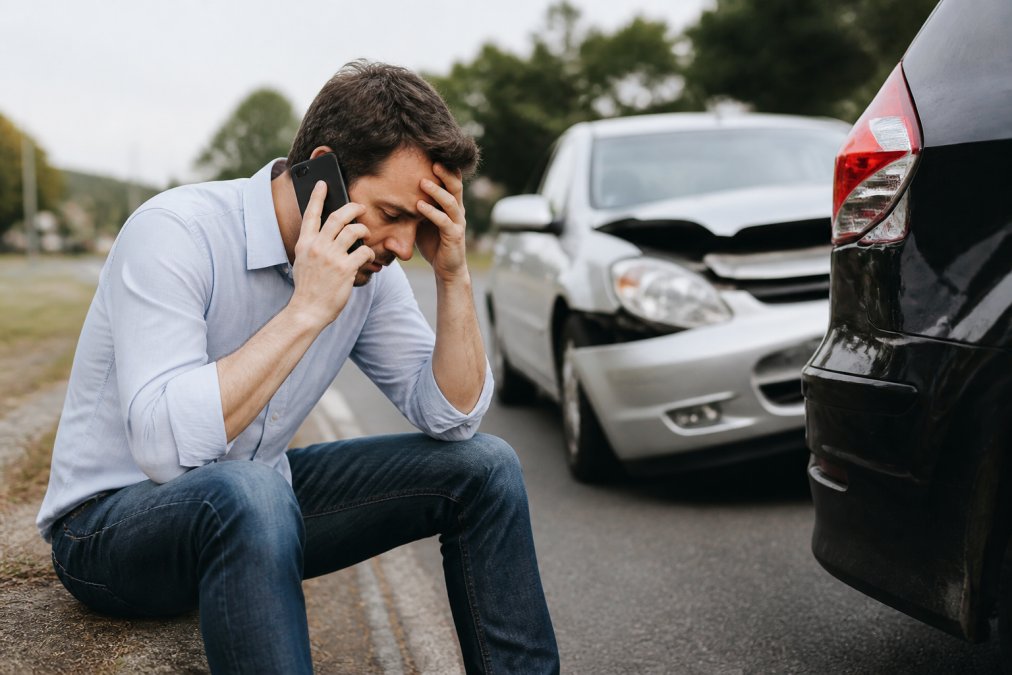
The moments after a car accident are chaotic. Your heart's racing, adrenaline's flooding your system, and if you're uninsured, panic might be setting in too. But here's what matters: your immediate actions determine everything that follows, whether you can recover costs, establish fault, and move forward without catastrophic financial consequences.
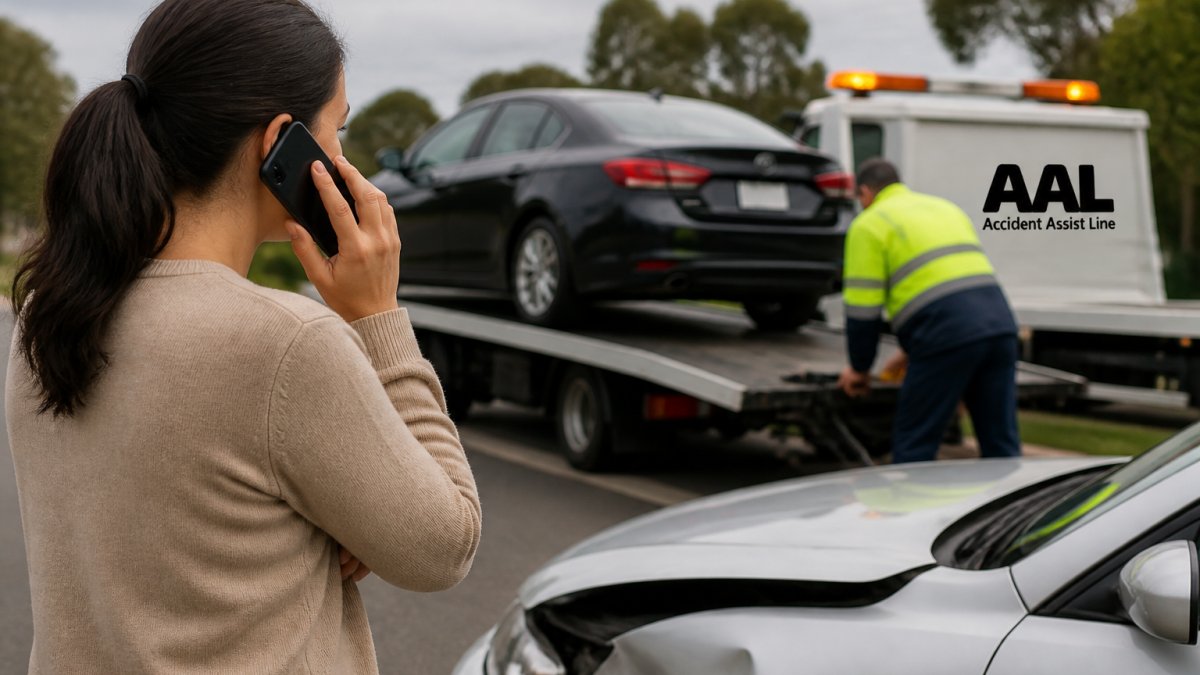
When you're involved in a car accident without insurance, the first priority isn't paperwork or blame. It's safety. Get yourself, your passengers, and anyone else involved away from traffic and to a safe location if possible. Turn on hazard lights, set up warning triangles if you have them, and assess injuries. If anyone's hurt, call emergency services immediately, this is non-negotiable, regardless of insurance status.
Stay at the scene. Leaving is illegal and makes everything worse. Instead, take a moment to breathe, then focus on the practical steps that will protect your position.
Stay safe and move to safety
Move vehicles out of traffic if they're driveable and it's safe to do so. If not, turn on hazards and stay inside with seatbelts fastened until help arrives. Do not stand in traffic or between vehicles, you're vulnerable to other drivers who may not see you.
Check yourself and passengers for injuries. Even minor impacts can cause delayed injuries, so don't assume you're fine just because you feel okay in the moment. If anyone has neck, back, or head pain, do not move them, wait for paramedics.
If you feel unsafe at the scene (aggressive other driver, dangerous location), stay in your vehicle with doors locked and call police. Your safety always comes first.
Call emergency services if needed
Ring 000 if anyone's injured, if there's a fuel leak, if vehicles are blocking traffic dangerously, or if the other driver is aggressive or driving under the influence (police.vic.gov.au). Police will attend, document the scene, and create an official report, this is critical evidence when you're uninsured and need to prove you're not at fault.
Even if injuries seem minor, consider calling an ambulance. Medical records create a documented timeline of harm, which matters later if you need to claim compensation.
Exchange Details and Collect Evidence at the Accident Scene
This is where your uninsured status becomes relevant. You cannot rely on insurance companies to handle the paperwork, so you must gather everything yourself. The other driver's details, witness information, and photographic evidence are your only use later when negotiating repair costs or pursuing a letter of demand.
Get the other driver's name, phone number, email address, residential address, and date of birth. Ask for their driver's license number and vehicle registration number. Write these down immediately, don't rely on memory. If they refuse to provide details, note that and call police.
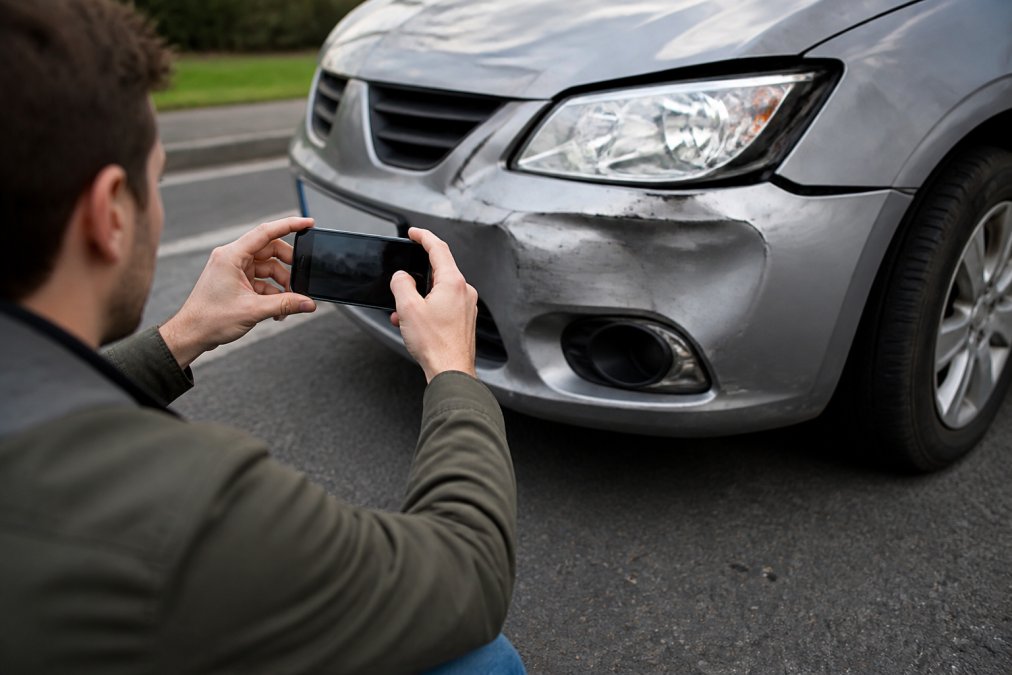
Take their vehicle registration documents and photograph them. Get their insurance details too, even though you're uninsured, this matters if they're also uninsured or if their insurer later becomes involved. Note the make, model, colour, and registration plate of their vehicle. Photograph the damage to both vehicles from multiple angles: close-ups of dents, scratches, and broken parts, plus wide shots showing the overall damage and the accident location.
Get the other driver's information
Do this calmly and clearly. Say, "I need to exchange details for the accident report." Most drivers will cooperate. If the other driver is hostile or refuses to provide information, don't escalate, call police and let them handle it. Police can compel the exchange of details.
Write everything down on paper or in your phone's notes app immediately. Include the time and date of the accident, the exact location (street names, landmarks, nearby businesses), weather conditions, and road conditions. These details matter when determining fault.
Document the scene with photos and witness statements
Take photos of everything: vehicle damage, the accident location, road markings, traffic lights, skid marks, debris, and the overall scene. Use your phone, quality doesn't matter as much as having comprehensive coverage. Photograph the other vehicle's registration plate clearly. These images are your evidence if the other driver later claims the damage was different or blames you for something you didn't do.
If there are witnesses, get their names, phone numbers, and email addresses. Ask them what they saw and write it down. A witness statement carries weight later, especially if the other driver disputes what happened. Witnesses often leave before police arrive, so capture their details while you can.
If police attend, get the officer's name, badge number, and the incident report number. This report is crucial, it's an independent record of the accident created by someone without bias.
Report the Accident to Police and Your Local Authority
Whether you're insured or not, reporting an accident to police creates an official record. This is your protection when you're uninsured and need to prove your version of events.
Call police if there's injury, significant property damage, dangerous road conditions, or if the other driver is aggressive or uncooperative. Police will attend, interview both drivers, and create an incident report. This report is admissible as evidence if you later pursue a letter of demand or small claims action.
Get the report number and the attending officer's details. Request a copy of the report, you'll need it later. In most jurisdictions, you can request reports online or by phone once they're finalised, usually within a few days.
If the accident involves a council road (local street) or state highway, you might also notify the relevant road authority, though police reporting is usually sufficient.
Determining Fault and Your Legal Position if Not-at-Fault
This is critical: if you're not-at-fault, you have a legal right to recover repair costs from the at-fault driver. Being uninsured doesn't change this. The other driver's negligence created the damage, and they're liable to pay for it, with or without insurance.
Fault is determined by who breached their duty of care. Did the other driver fail to give way? Run a red light? Fail to keep a safe distance? Reverse into you without looking? These are breaches of the road rules, and they establish fault.
Gather evidence supporting your version: witness statements, photos of the scene, police report, your own account of what happened. If the other driver was clearly at fault (they ran a red light, they failed to give way, they reversed into you), you have a strong position to recover costs.
If fault is disputed, you may need to pursue the matter through small claims court or mediation. But don't assume you're stuck paying for damage you didn't cause. Many uninsured drivers recover costs by being persistent and presenting clear evidence.
How to Send a Letter of Demand for Repair Costs
A letter of demand is a formal written request for payment. It's not a legal proceeding, it's a chance to resolve the matter directly before escalating to court. Many drivers will pay once they receive a formal demand, especially if you've presented clear evidence of their fault and the repair costs.
When to send a letter of demand
Send it after you've obtained repair quotes and have evidence of the other driver's fault. Don't send it immediately after the accident, give yourself a few days to gather all documentation. Most people respond within 14 days of receiving a letter of demand, though some take longer.
Send it before pursuing legal action. Courts prefer that disputes are resolved outside court when possible, and a letter of demand shows you've attempted to resolve it reasonably.
What to include in your letter
Start with the date, the other driver's name and address, and a clear subject line: "Letter of Demand for Repair Costs, [Your Name] vs [Their Name]."
State the date and location of the accident. Briefly describe what happened and why the other driver was at fault. Include a reference to the police report number if one exists.
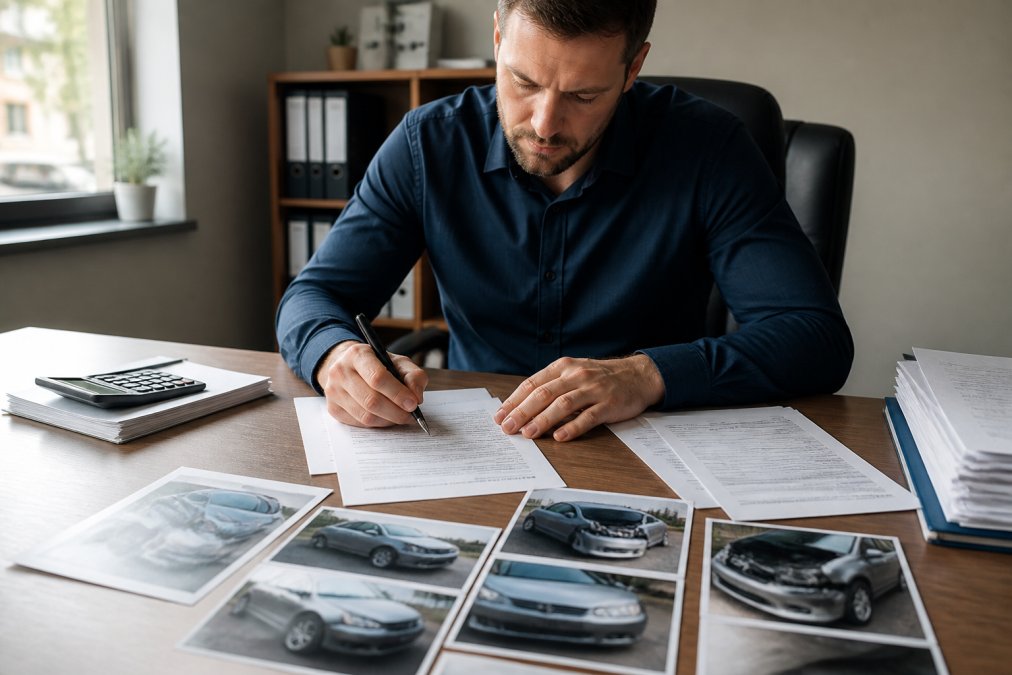
Attach copies of repair quotations from qualified mechanics. Include photos of the damage. State the total amount you're claiming and give them a deadline to pay, typically 14 days from the date of the letter.
Include your contact details and state how you'd like to be paid (bank transfer is clearest). Keep the tone professional and factual. Avoid accusations or emotional language, stick to facts and figures.
Send the letter by registered mail so you have proof of delivery. Keep a copy for your records. If they don't respond within the deadline, you can escalate to small claims court or pursue mediation.
Negotiating Repair Costs and Settlement Without Insurance
Many at-fault drivers will negotiate rather than face court proceedings. If the other driver contacts you or responds to your letter of demand, be prepared to discuss settlement.
Start by presenting your repair quotations. If they dispute the cost, ask them to provide their own quotes. If quotes differ significantly, suggest getting a third independent quote and splitting the difference. This is reasonable and shows good faith.
If they can't pay the full amount immediately, discuss a payment plan. Getting 80% of your claim over three months is better than getting nothing and having to pursue court action. Document any payment plan agreement in writing, email works fine. State the amount, the payment dates, and what happens if they default.
Be clear about your deadline for settlement. Say something like: "If I don't receive payment by [date], I'll pursue this through small claims court." Most people take this seriously.
If negotiation stalls, you have two options: pursue small claims court or accept a partial settlement and move on. Small claims court costs money and time, so weigh whether it's worth it. If the claim is under a few thousand dollars and you have strong evidence, small claims is often viable.
Legal Aid and Dispute Resolution Options for Car Accidents
If you can't negotiate a settlement, you have formal dispute resolution options. Legal aid services can advise you, and small claims court is accessible without a lawyer.
Many state legal aid commissions offer free advice on accident claims. They can review your evidence, advise on your chances of success, and explain the court process. Contact your state's legal aid service, they have phone lines and online chat services.
Mediation is another option. A neutral mediator helps both parties discuss the dispute and find common ground. It's faster and cheaper than court, and many mediators specialise in motor accident disputes. Some community legal centres offer mediation services free or at low cost.
Small claims court is the formal route. You file a claim, pay a filing fee (usually a few hundred dollars, depending on your state), and present your case before a magistrate. You don't need a lawyer, many people represent themselves. If you win, the magistrate orders the other driver to pay. If they don't pay, you can pursue debt recovery.
The process takes weeks or months, so it's not fast. But if the other driver is clearly at fault and refuses to pay, it's your option.
What Happens if You're At-Fault and Uninsured
If you caused the accident, your position is harder but not hopeless. You're liable for the other driver's repairs and any injuries they sustained. Without insurance, you're personally responsible for paying these costs.
The other driver can pursue you through small claims court to recover repair costs. They can also pursue a personal injury claim if they were injured. These can be significant, medical treatment, lost wages, and pain and suffering can add up quickly.
Your best option is to negotiate directly with them. Contact them, acknowledge your fault, and offer to settle. Many people appreciate honesty and will negotiate a payment plan rather than go to court. If you can't pay the full amount immediately, propose installments.
If you ignore their demands and they take you to court, the magistrate will likely order you to pay. If you then don't pay, they can pursue debt recovery, which can affect your credit score and lead to wage garnishment or asset seizure.
Being uninsured and at-fault is serious. If you can't pay the claim, discuss payment plans with the other driver or seek advice from a community legal centre about your options.
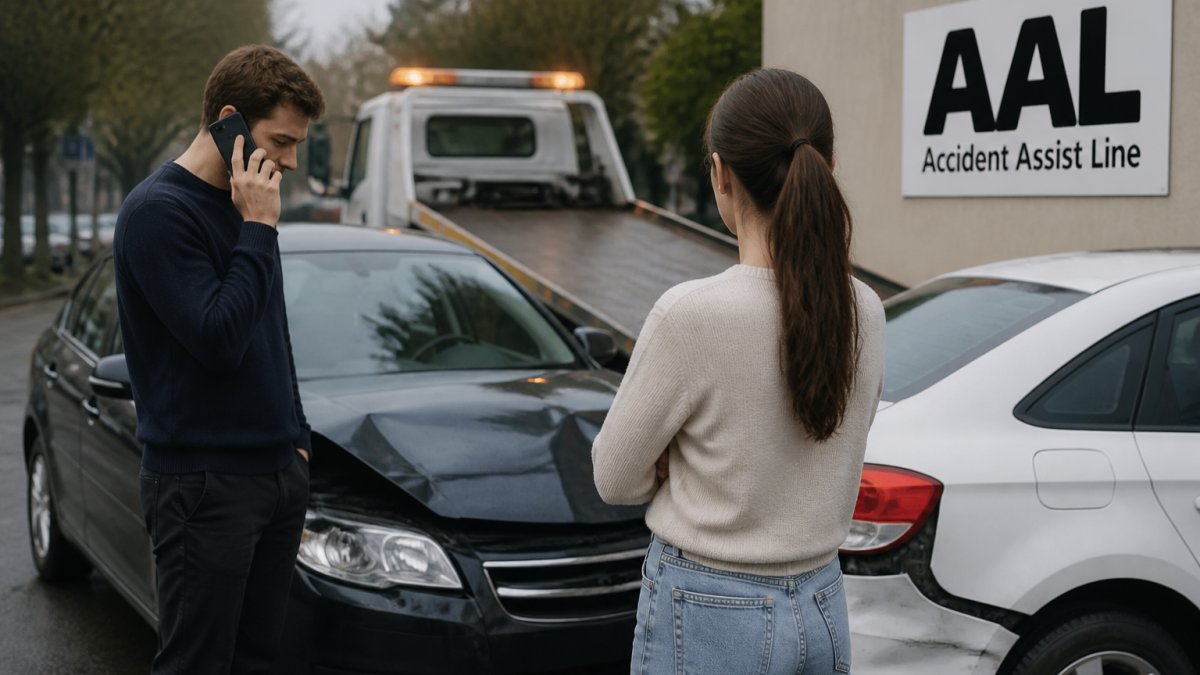
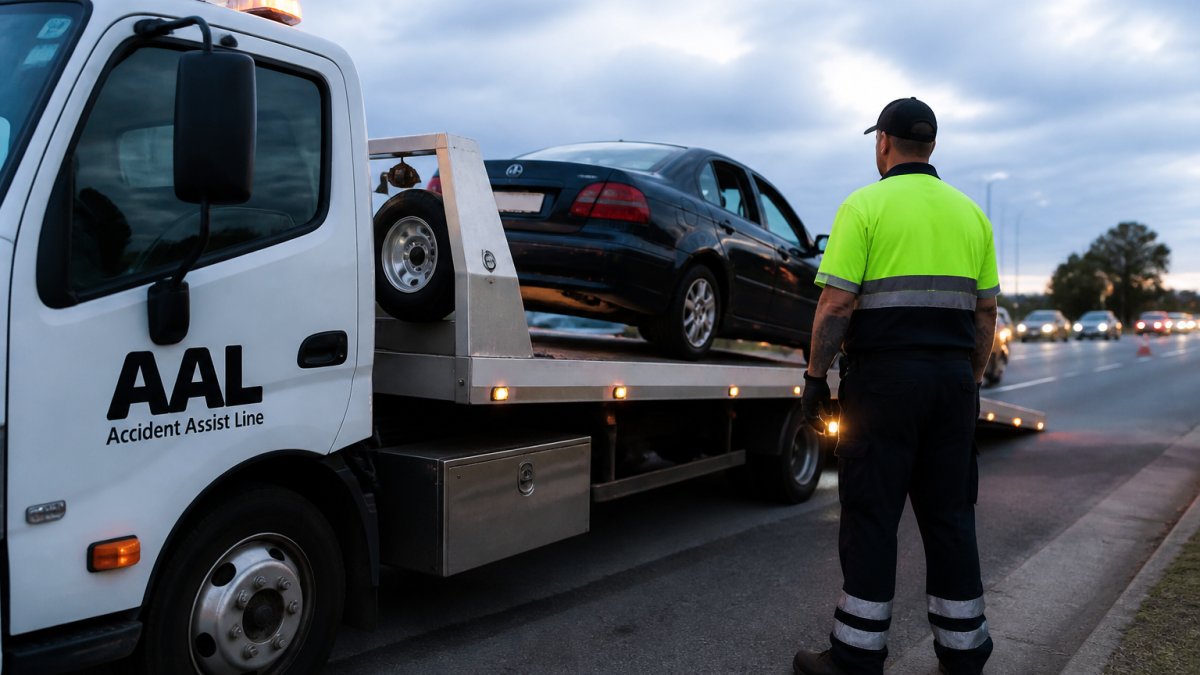
Accident Assist Line understands that uninsured accidents create stress and uncertainty. Our 24/7 support team can guide you through the immediate steps, organising towing, coordinating repairs, and helping you understand your legal position. We're independent, so we'll give you honest advice about whether you have a strong claim or where you need to take responsibility. Call us immediately after an accident, and we'll provide a callback in under 30 seconds to start sorting the practical side while you focus on the legal strategy.
Being involved in a car accident without insurance is stressful, but it doesn't mean you're powerless. If you're not-at-fault, you have a legal right to recover repair costs. If you are at-fault, negotiating a settlement is often faster than court. The key is gathering evidence immediately, documenting everything, and taking action within days, not weeks. Accident Assist Line provides the immediate practical support you need: towing, repairs coordination, and hire car arrangements. Call us 24/7 to get started, and we'll handle the logistics while you manage the legal side with confidence.
Frequently Asked Questions
What happens if I have a car accident without insurance in Australia?
If you're not-at-fault, you can pursue the other driver for damages through small claims court or a letter of demand. If you're at-fault, you're personally liable for all repair costs and third-party property damage. You may face legal proceedings and cannot claim against another party's insurance. Report the accident to police and collect evidence to support your position.
Can I claim damages if I am not-at-fault but have no insurance?
Yes. If you're not-at-fault, you have the right to pursue compensation from the at-fault driver directly, even without insurance. Send a letter of demand with repair quotations and evidence. If the driver refuses to pay, you can take the matter to small claims court or pursue legal aid services to help recover your costs.
What should I include in a letter of demand for car accident repair costs?
Your letter of demand should include: the date and location of the accident, the other driver's details, a clear statement of liability, itemised repair costs with quotations, photos of damage, witness statements if available, and a deadline for payment (typically 14-28 days). Keep the tone professional and factual. Send it via registered mail for proof of delivery.
What legal aid and dispute resolution options are available for car accidents?
Contact your state's legal aid office for free or subsidised advice. Community legal centres offer guidance on accident claims. Small claims courts handle disputes up to a set amount without needing a lawyer. Mediation services can help resolve disputes before court. Many services are free or low-cost for those experiencing financial hardship.
This article was written using GrandRanker