 how-to
Fast Vehicle Recovery for Busy Professionals
Table of Contents
- Why Fast Vehicle Recovery Matters for Professionals
- The First 30 Seconds: What Happens Immediately After an Accident
- Understanding Your Accident Hire Car Entitlement
- Vehicle Repair Logistics for Professionals: Minimising Downtime
- How to Avoid Repair Shop Kickbacks and Choose Ethically
- 24/7 Emergency Roadside Assistance: What's Included
- Getting Back on the Road: From Recovery to Repair Completion
Why Fast Vehicle Recovery Matters for Professionals
When your vehicle is damaged in an accident, time becomes your most valuable asset. For busy professionals, every hour without transport disrupts workflows and derails schedules. Fast vehicle recovery isn't a luxury, it's a necessity that separates managed crises from operational chaos.
The first few hours after an accident define your entire recovery experience. Delays compound: a delayed tow truck means delayed repair assessment, which means delayed hire car arrangement, which means scrambling for alternative transport while your business suffers. The difference isn't luck, it's having a dedicated support system that understands urgency.
The First 30 Seconds: What Happens Immediately After an Accident
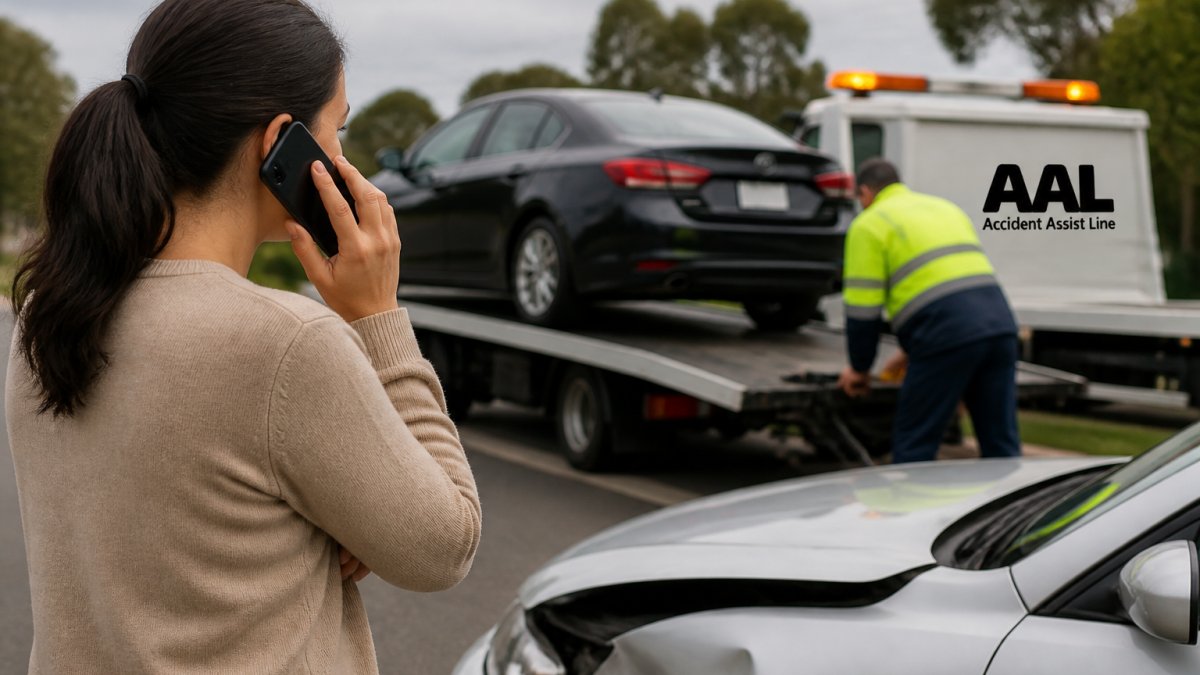
Your first action after an accident should be ensuring safety and calling for immediate assistance. In a professional fast vehicle recovery scenario, you call a dedicated support line that answers within seconds. A trained operator assesses your safety, confirms location, and determines whether emergency services are needed, not a voicemail system, but a real person immediately available.
Within 30 seconds of your call, help is being dispatched. Within minutes, a tow truck is en route. This speed eliminates the uncertainty of standing roadside unsure where your vehicle will go or how you'll get home. The operator also gathers critical information, vehicle details, accident circumstances, insurance provider, immediate needs, transmitted to the recovery team in real time so the tow truck arrives fully informed.

Understanding Your Accident Hire Car Entitlement
Many professionals don't realise they have a legal entitlement to a hire car following an accident. Your entitlement depends on whether the accident was your fault, your insurance policy terms, and the repair timeline. If the other party was at fault, their insurance typically covers hire car costs. If you were at fault, your comprehensive or third-party property damage coverage may include hire car benefits.
The critical detail most professionals miss is timing: your hire car entitlement begins immediately after the accident, not after insurance claim approval. You shouldn't wait days for claim processing to secure transport. Professional recovery services arrange hire cars simultaneously with towing and repair coordination, so you have transport while everything else is organised.
You're entitled to a vehicle of equivalent value and functionality to your own, not necessarily identical, but comparable (asic.gov.au). A professional in a luxury sedan shouldn't receive an economy hatchback. Professional services ensure the hire vehicle matches your actual needs and vehicle class.
Vehicle Repair Logistics for Professionals: Minimising Downtime
The repair phase is where most professionals experience the longest delays. Professional fast vehicle recovery requires coordination across multiple parties: repair shop, insurance company, hire car provider, and your schedule. When these parties don't communicate effectively, delays multiply.
Centralised coordination eliminates this fragmentation. When a single service manages towing, repair shop liaison, insurance communication, and hire car logistics, everything moves in parallel rather than sequence. The repair shop begins work as soon as your vehicle arrives. Insurance approval is sought proactively while assessment occurs. The hire car is already arranged. By the time the repair estimate is finalised, half the work may be complete.
Repair shop selection matters significantly. Professional services use repair partners who prioritise accident vehicles, understanding that delays cascade into hire car costs and customer frustration. The difference in timeline can be substantial, days versus weeks.
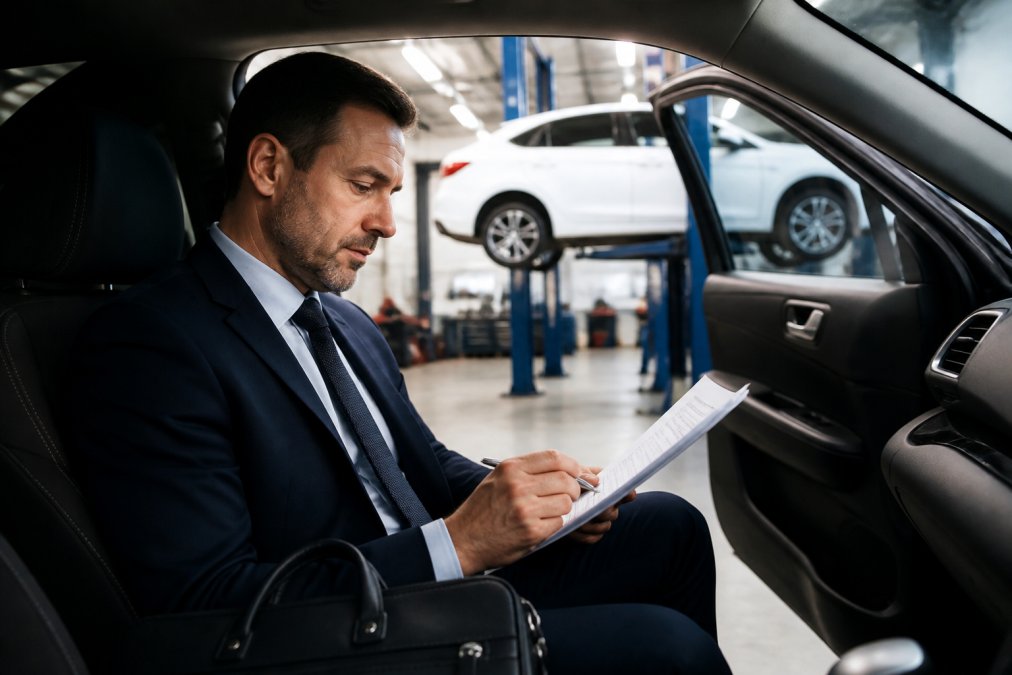
Your repair timeline also depends on parts availability. Professional services identify parts issues early and source components proactively, rather than discovering delays mid-repair.
How to Avoid Repair Shop Kickbacks and Choose Ethically
Some accident recovery services receive financial incentives from repair shops, creating perverse incentives where the recovery service profits by directing you to specific shops regardless of suitability. Ask directly: does the service receive any financial benefit from directing you to specific repair shops? A transparent service will confirm they don't.
Independent services like Accident Assist Line operate differently. We don't receive kickbacks from repair shops. Our incentive is your satisfaction and rapid recovery, which means recommending shops that will actually get your vehicle repaired quickly and correctly. We recommend a shop because it's genuinely the best option for your situation, not because we profit from the recommendation.
Repair shop quality varies dramatically. A cheap shop might quote lower prices but deliver slower timelines and lower-quality work. A premium shop might cost more but delivers faster turnaround and higher quality, reducing your total downtime. When evaluating repair shops, ask about their accident recovery experience: How many accident vehicles do they process monthly? What's their average repair timeline? Do they have relationships with hire car companies? Can they provide references?
The repair shop should be transparent about costs. You should receive a detailed estimate before work begins, with itemised parts and labour. Any variations discovered during disassembly should be communicated immediately, not discovered at the end.
24/7 Emergency Roadside Assistance: What's Included
Professional fast vehicle recovery requires support available at any hour. True 24/7 emergency roadside assistance means real people answering your call, not automated systems. When you're shaken after an accident at midnight, you need a human voice that can assess your situation and immediately dispatch help.
Emergency roadside assistance includes rapid response, on-the-spot assessment, transport logistics, and communication. The geographic scope matters significantly. Professional services should have coverage across their service areas with realistic response times. Urban areas typically see 30-45 minute response times (nrma.com.au). Regional areas might be 60-90 minutes. The service should be transparent about these differences.
Getting Back on the Road: From Recovery to Repair Completion
The final phase of fast vehicle recovery is the transition from repair completion back to normal vehicle use. When your repair is complete, several things need to happen simultaneously: hire car return, vehicle collection from repair shop, and resumption of normal operations. If these handovers aren't coordinated, you end up with gaps or delays.
Professional services coordinate this final transition carefully. Your vehicle is collected from the repair shop at a time that suits your schedule. The hire car handover happens simultaneously, so you transition directly from one vehicle to the other without gaps. You're provided with a final invoice detailing all costs and confirming everything has been settled with your insurance.
Before taking possession of your vehicle, conduct a thorough inspection with the repair shop operator and confirm all agreed repairs have been completed to your satisfaction. If any issues remain, flag them immediately. Keep copies of all repair invoices, parts lists, and work authorisations for at least 12 months (accc.gov.au).
Throughout this period, your hire car keeps you mobile and your business functioning.
When you're involved in an accident, the immediate hours determine your entire recovery experience. Accident Assist Line eliminates delays by providing immediate, 24/7 support across Victoria, New South Wales, Queensland, and the ACT. We coordinate towing, repairs, and hire car arrangements without the delays and forms that characterise traditional insurance-led processes. Our callback arrives in under 30 seconds, and our independent status means we recommend repair shops based on your actual needs, not financial incentives. If you're involved in an accident and need rapid, professional support, call Accident Assist Line for immediate assistance and get back on the road fast.
Frequently Asked Questions
What should I do immediately after a vehicle accident?
First, ensure everyone is safe and move to a secure location if possible. Contact emergency services if there are injuries. Document the scene with photos, exchange details with other parties, and report the incident to your insurer. Then call a professional vehicle recovery service for rapid towing and guidance on next steps. Having a callback within 30 seconds means you're not left managing the crisis alone while dealing with paperwork.
How do I know if I'm entitled to a hire car after an accident?
Most comprehensive insurance policies include hire car cover, but entitlements vary. Check your policy documents or contact your insurer directly. An independent recovery service can clarify your accident hire car entitlement and help arrange one immediately, even while your insurer processes the claim. This is especially valuable for professionals who can't afford downtime, you get a replacement vehicle while repairs happen, keeping your work and commitments on track.
How can I avoid repair shop kickbacks when my vehicle needs repairs?
Work with an independent recovery service that has no financial ties to repair workshops. Ask direct questions about how repair shops are selected, ethical providers prioritise your interests, not commissions. Verify the repair quote independently, request itemised invoices, and ensure you approve work before it begins. An unbiased service guides you toward fair pricing and quality repairs rather than inflated jobs that benefit the workshop.
What makes professional vehicle recovery different from standard towing?
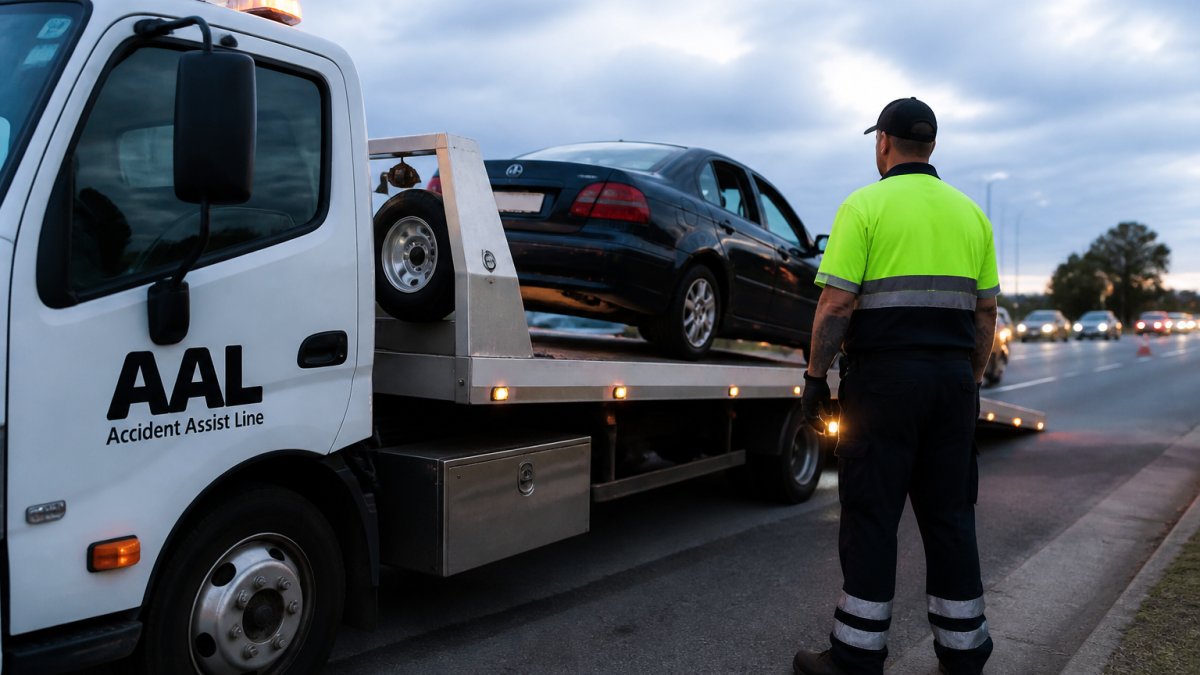
Professional vehicle recovery includes rapid response coordination, safe transport using specialist equipment like tilt trays, and incident management support. For busy professionals, this means your vehicle is handled with care, your downtime is minimised, and you receive guidance through the entire process, not just a tow to a yard and a goodbye.
This article was written using GrandRanker