 how-to
Avoid Accident Delays: 7 Steps to Fast Recovery
Table of Contents
- Act Immediately After the Accident
- Secure Professional Towing Without Delays
- How to Avoid Repair Shop Kickbacks
- Understanding Average Car Repair Time After Accident
- Managing Hire Car Entitlements Effectively
- Use Technology to Prevent Future Accident Delays
- Best Ways to Avoid Accident Delays: Your Recovery Checklist
- Frequently Asked Questions
Last Updated: August 31, 2026
Act Immediately After the Accident
The first 30 minutes after a collision determine how quickly you'll recover (the CDC). Most drivers waste this critical window by panicking, arguing with the other party, or sitting idle waiting for help. The difference between a two-week repair cycle and a six-week nightmare often comes down to what you do right now.
Document everything before anyone moves the vehicles. Take photos of the damage from multiple angles, the accident scene, road conditions, and the other vehicle's registration and insurance details. If there are witnesses, get their names and phone numbers. Call your insurer immediately, not to file a claim yet, but to notify them of the incident. This triggers their accident response protocols and ensures you're covered if you need emergency towing.
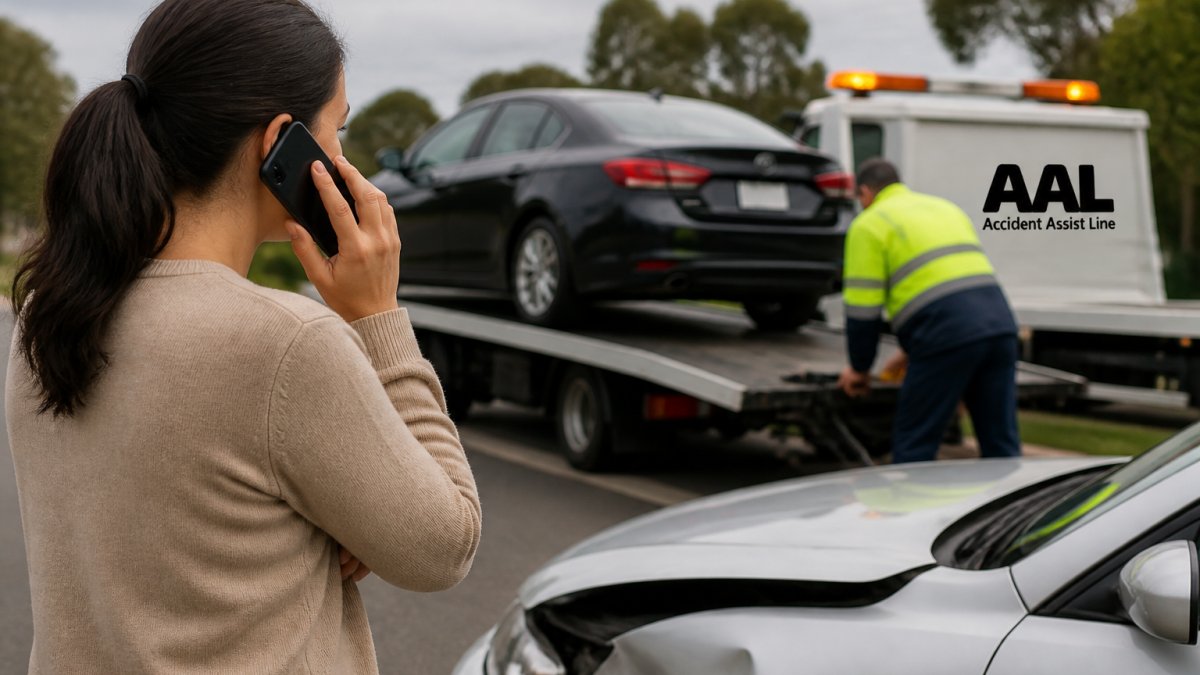
Here's the part most people get wrong: don't wait for your insurer to arrange towing. Every minute your vehicle sits at the roadside increases the risk of further damage, theft, or a second impact. Call a towing service directly and get your car off the road. If you're in Victoria, New South Wales, Queensland, or the ACT, services like Accident Assist Line can coordinate towing within minutes of your call, bypassing the insurance company's slower processes entirely.

Your emotional state matters more than you think. Shock and adrenaline cloud judgment. Before making any major decisions about repairs or hire cars, take a breath. If you're injured or distressed, don't negotiate with anyone. Let the professionals handle logistics. This is where independent accident assistance becomes valuable, you get someone on your side who isn't pushing you toward their preferred repair shop or trying to minimize their liability.
Secure Professional Towing Without Delays
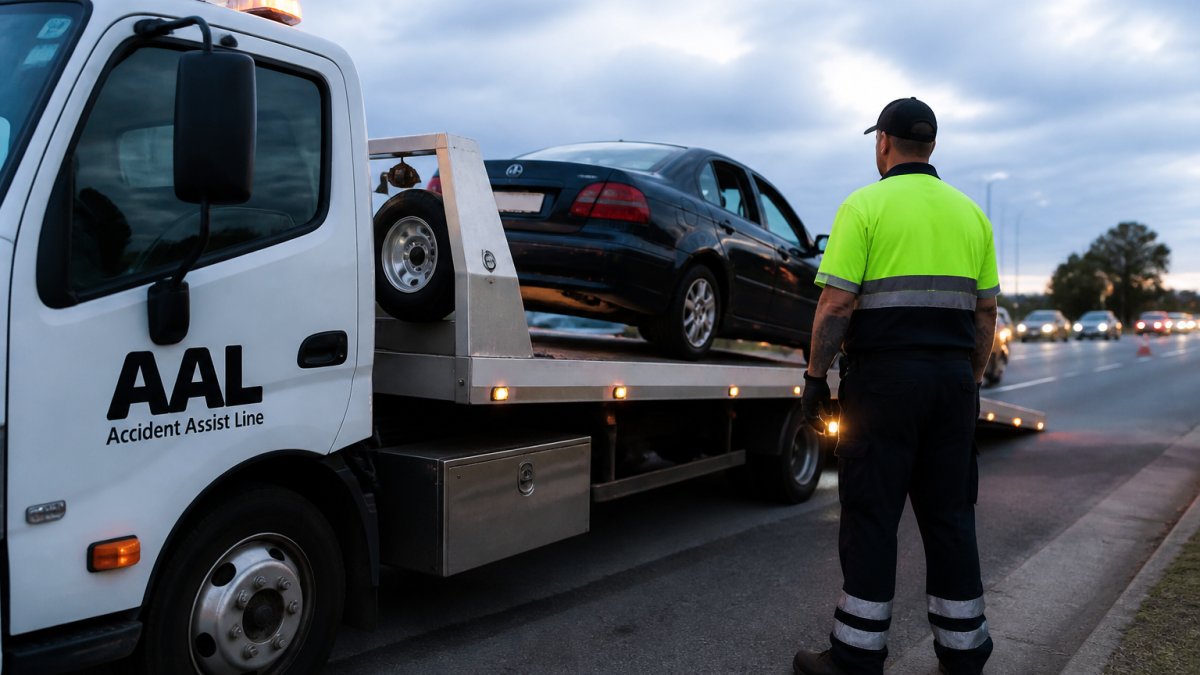
Towing speed directly impacts repair timelines. A vehicle left at the roadside for hours before pickup can accumulate additional damage from weather, traffic, or theft. Professional towing services understand this urgency and prioritize rapid response.
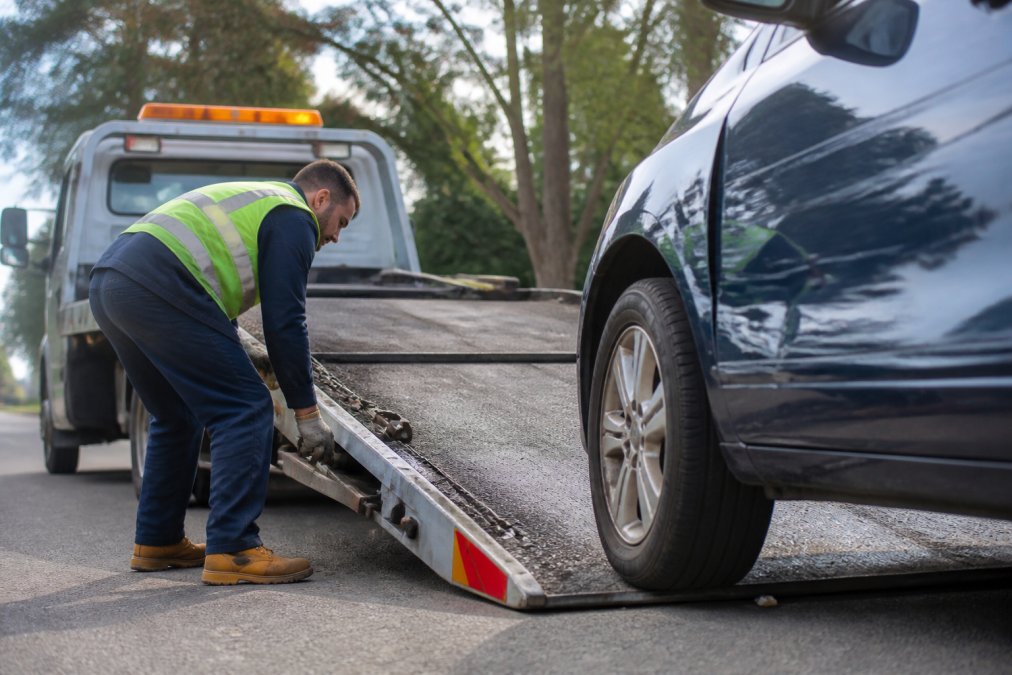
When you call for towing, specify the vehicle's condition clearly: is it drivable, partially damaged, or a total write-off? This determines which tow truck is dispatched. A standard sedan needs different equipment than a heavily damaged vehicle that requires a flatbed. The right truck type arrives faster and handles your car more safely.
Ask the towing operator for an estimated arrival time and a direct contact number. Many towing services offer GPS tracking so you can monitor the truck's progress in real time. This transparency eliminates the anxiety of not knowing where your vehicle is or when it will arrive at the repair shop.
Choose a tow truck operator who can deliver directly to your chosen repair facility, not to an impound lot or the insurer's preferred location. This saves another transfer step and keeps your vehicle's recovery timeline tight. Some operators charge extra for direct delivery, but the time saved justifies the cost when you're trying to minimize downtime.
Insurance companies often have preferred towing partners, but you're not obligated to use them. You have the right to choose your own tow operator. If your insurer's preferred service has long wait times, use an independent operator instead and submit the invoice to your insurer for reimbursement. Most insurers will cover reasonable towing costs regardless of which operator you use.
How to Avoid Repair Shop Kickbacks
Repair shop kickbacks are real, and they cost you time and money. Here's how they work: an accident assistance company directs you to a specific repair shop in exchange for a commission or referral fee. The shop isn't necessarily the best option for your situation, it's the best option for the middleman's profit margin.
Independent accident assistance services like Accident Assist Line don't operate on kickback models. They're paid by you or through a transparent service fee, not by repair shops. This removes the financial incentive to steer you toward a particular repairer. You get honest guidance about which shop can handle your vehicle type, meet your timeline, and deliver quality work.
Before committing to any repair shop, ask three direct questions: What's your turnaround time for this type of damage? What's your warranty on repairs? Can you provide a written quote before you start work?
Legitimate repair shops welcome these questions. They'll give you a specific timeline, not vague language like "a few weeks." They'll explain their warranty terms in writing. They'll provide a detailed quote that breaks down labour, parts, and paint work separately.
Get quotes from at least two repair shops before deciding. This takes time you might not think you have, but it prevents costly mistakes. A shop that quotes three weeks might be fully booked; another might have capacity to finish in ten days. The difference between these two shops could be the difference between missing a week of work or missing three weeks.
Watch for shops that pressure you to start work immediately without a quote. This is a red flag. Legitimate repairers understand you need to verify the scope of work and cost before authorising repairs. If a shop won't provide a written quote, find another one.
Understanding Average Car Repair Time After Accident
Repair timelines depend on damage severity, parts availability, and shop capacity. Minor damage, a bumper replacement or panel respray, typically takes five to ten working days (peer-reviewed research). Structural damage that requires frame straightening or suspension work extends this to two to four weeks (nhtsa.gov). Major collisions involving engine or transmission damage can exceed eight weeks.
The real variable isn't the repair itself; it's parts availability. If your vehicle needs a specific panel or component that's in stock, the job moves fast. If the part is on backorder from the manufacturer, you're waiting. Some repairers have relationships with parts suppliers that speed up delivery. Others rely on standard distribution channels and face longer delays.
Ask your repair shop specifically about parts sourcing when you get your quote. Do they have the parts in stock, or will they need to order them? How long is the typical wait? Some shops can source parts within 48 hours; others might need two weeks. This information directly affects your repair timeline and your hire car needs.
Shop capacity also matters. A busy repair facility might have a two-week backlog before they even start your vehicle. A quieter shop might begin work immediately. Neither is necessarily better, a busy shop often has high turnover and quality control because they're handling volume efficiently. A quiet shop might lack the expertise or equipment for your specific damage type.
Managing Hire Car Entitlements Effectively
Your insurance policy includes hire car coverage, but the entitlement is limited. Most policies cover 21 to 28 days of hire car costs, capped at a daily rate of around $60 to $100 depending on your policy. If your repairs exceed this timeframe, you're paying the difference out of pocket.
Understand your specific entitlement before you arrange a hire car. Check your policy documents or call your insurer directly. Know the daily cap, the maximum number of days covered, and whether the insurer has preferred rental companies. Some insurers require you to use their partner rental agencies; others let you choose any provider as long as you stay within the daily rate cap.

Book a hire car immediately after your vehicle is towed. Don't wait for your insurer to arrange one. You can select your own rental company, arrange a car that suits your needs, and submit the invoice to your insurer for reimbursement. This gives you control over the vehicle you're driving while yours is being repaired, rather than accepting whatever your insurer's preferred partner has available.
Choose a hire car based on your actual needs, not the cheapest option. If you need to transport children or heavy equipment, a compact economy car creates stress. A mid-size sedan or small SUV costs slightly more per day but keeps your life functioning normally during repairs. The extra cost is worth the reduced friction.
Keep all hire car receipts and documentation. Your insurer will ask for proof of dates, daily rate, and total cost before reimbursing you. Missing paperwork delays reimbursement and leaves you paying out of pocket. Photograph your rental agreement, the odometer readings at pickup and return, and the final invoice.
If your repairs extend beyond your hire car entitlement, negotiate with your insurer before the coverage expires. Explain the repair timeline and ask if they'll extend coverage. Many insurers will approve additional days if the delay is due to parts availability or structural complexity, not shop inefficiency. A quick conversation can save hundreds of dollars.
Use Technology to Prevent Future Accident Delays
Dash cameras provide irrefutable evidence of how an accident occurred. This eliminates disputes about fault, speeds up insurance claims, and protects you from dishonest third parties. When liability is clear from video footage, your insurer processes the claim faster and moves directly to repairs without extended investigation.
Install a dash camera with front and rear recording capability. Models like Thinkware offer 4K front recording and 2K rear recording, capturing clear footage even in low light. The video is automatically saved with GPS location and timestamp data, which strengthens your claim if there's ever a dispute about what happened.
Telematics systems like Geotrac monitor driver behaviour in real time, recording speed, braking patterns, and seatbelt usage. For fleet operators and businesses with multiple drivers, this data reduces accident frequency by identifying risky driving patterns before they cause collisions. Fewer accidents means fewer repair delays and lower insurance costs overall.
Real-time GPS tracking on your vehicle provides another layer of protection. If your car is stolen after an accident, GPS data helps recovery services locate it quickly. This prevents the nightmare scenario where your damaged vehicle disappears from a repair facility, extending your downtime indefinitely.
Route planning technology helps you avoid accident-prone areas. Apps that show real-time traffic, accident locations, and road hazards let you choose safer routes. This is especially valuable during adverse weather when accident risk spikes. Taking an extra ten minutes on a safer route beats being stuck in a repair cycle for weeks.
Best Ways to Avoid Accident Delays: Your Recovery Checklist
| Step | Action | Timeline |
|---|---|---|
| 1. Document the scene | Take photos of damage, road conditions, and other vehicle details | Immediately |
| 2. Notify your insurer | Call to report the accident and trigger their protocols | Within 1 hour |
| 3. Arrange towing | Call a professional towing service directly, don't wait for insurer | Within 30 minutes |
| 4. Choose a repair shop | Get quotes from at least two repairers before committing | Within 2 hours |
| 5. Arrange hire car | Book immediately; don't wait for insurer's partner company | Within 2 hours |
| 6. Confirm repair timeline | Ask about parts availability and shop capacity | Before work starts |
| 7. Monitor progress | Stay in contact with the repair shop weekly | Throughout repair |
| 8. Verify your entitlements | Check hire car coverage limits and daily caps | Before booking |
The best way to avoid accident delays is to take control of the recovery process from the moment the accident happens. Don't wait for your insurer's slow processes. Don't accept the first repair shop that answers the phone. Don't assume your insurer's preferred hire car company has the vehicle you need.
Call Accident Assist Line immediately after an accident. You'll get a callback in under 30 seconds from someone who understands the recovery process and can coordinate towing, repairs, and hire cars without the forms and delays that bog down insurance-led processes. As an independent service, we're not pushing you toward any particular repair shop or rental company, we're focused on getting you back on the road as fast as possible. With 24/7 availability across Victoria, New South Wales, Queensland, and the ACT, we're there when you need us most.
Frequently Asked Questions
What causes the longest delays in vehicle accident repairs?
Delays typically stem from three sources: insurance assessment backlogs, parts availability, and repair shop capacity. Using an independent accident assistance service can eliminate administrative delays by coordinating directly with repairers and insurers. Choosing a repairer with stock parts and availability upfront reduces waiting time significantly. Dash cam footage also speeds claims assessment, avoiding lengthy investigations.
How can I speed up the insurance claim process after a collision?
Document everything immediately: photos of damage, scene conditions, other vehicles involved, and witness details. Notify your insurer within 24 hours and provide complete information upfront. An independent accident assistance service can liaise with your insurer on your behalf, eliminating back-and-forth delays. Avoid admitting fault at the scene; let professionals assess liability. Having a dash cam recording available accelerates claim validation.
What should I know about managing hire car entitlements after an accident?
Check your insurance policy for hire car coverage limits, daily allowance caps, and duration. Most policies cover reasonable hire car costs during repairs, but you must arrange it promptly. Some insurers have preferred providers; using these avoids reimbursement disputes. Keep all receipts and hire agreements. An independent service can coordinate hire cars that match your entitlements, ensuring you're not out of pocket and minimising downtime while your vehicle is repaired.
Why does choosing the right repairer impact accident delay times?
Repairers with established relationships with insurers, stock parts availability, and current capacity complete work faster. Avoid shops that prioritise kickbacks over efficiency. Independent accident assistance services vet repairers for reliability and speed, not commission. Ask about repair timelines upfront and confirm parts availability before committing. A repairer experienced with your vehicle type and damage severity will provide realistic timelines and stick to them, avoiding extended delays.
The accident recovery process doesn't have to be a bureaucratic nightmare. The drivers who recover fastest are those who act decisively in the first hour, take control of towing and repair decisions, and use independent guidance to avoid kickbacks and delays. Technology like dash cameras and GPS tracking prevents future accidents and speeds up claims when incidents do occur. Your recovery timeline is determined by the decisions you make right now, make them count.
This article was written using GrandRanker