 how-to
Accident Support for Regional Drivers: Your Recovery Guide
Table of Contents
- Why Accident Support for Regional Drivers Matters
- Immediate Steps After a Motor Vehicle Accident
- How to Lodge a CTP Claim After a Crash
- Emergency Towing and Hire Car Services
- Post-Accident Vehicle Recovery Process
- Accessing Counselling and Mental Health Support
- Navigating Insurance Gaps and Your Rights
- Frequently Asked Questions
Why Accident Support for Regional Drivers Matters
Road trauma affects drivers across every region, but those living and working outside major metropolitan areas face unique challenges when an accident happens. Regional drivers often deal with longer emergency response times, limited access to nearby repair facilities, and isolation from immediate support networks. When a motor vehicle accident occurs hundreds of kilometres from the nearest city, the standard insurance claim process, filled with forms, waiting periods, and back-and-forth communication, becomes far more burdensome than it should be.
Accident support for regional drivers isn't just about getting your vehicle fixed. It's about having someone in your corner immediately after the crash, someone who understands the logistics of regional recovery and can coordinate towing, repairs, and a hire car without forcing you to navigate insurance paperwork while you're still processing what happened. At Accident Assist Line, we recognise that regional drivers need faster, more direct assistance, the kind that arrives within seconds, not days.
The difference between adequate support and exceptional support often comes down to speed and accessibility. A callback in under 30 seconds, a tow truck dispatched without delay, and a hire car arranged before you've even finished your insurance claim, these aren't luxuries. They're necessities when you're stranded on a regional road with nowhere to go.

Immediate Steps After a Motor Vehicle Accident
The first minutes after a crash determine how smoothly your recovery will unfold. Your immediate priorities are safety, documentation, and getting professional help on the way.
Step 1: Move to Safety If your vehicle is still on the road and it's safe to do so, move it out of traffic. Turn on hazard lights and set up warning triangles or flares if you have them. If you're injured or the vehicle is unsafe to move, stay inside with seatbelts fastened and call emergency services.
Step 2: Call Emergency Services if Needed If anyone is injured, call triple zero (000) immediately. Even minor injuries should be checked by paramedics, some injuries only become apparent hours after an accident. Request police attendance if there's significant damage or if another driver is at fault.
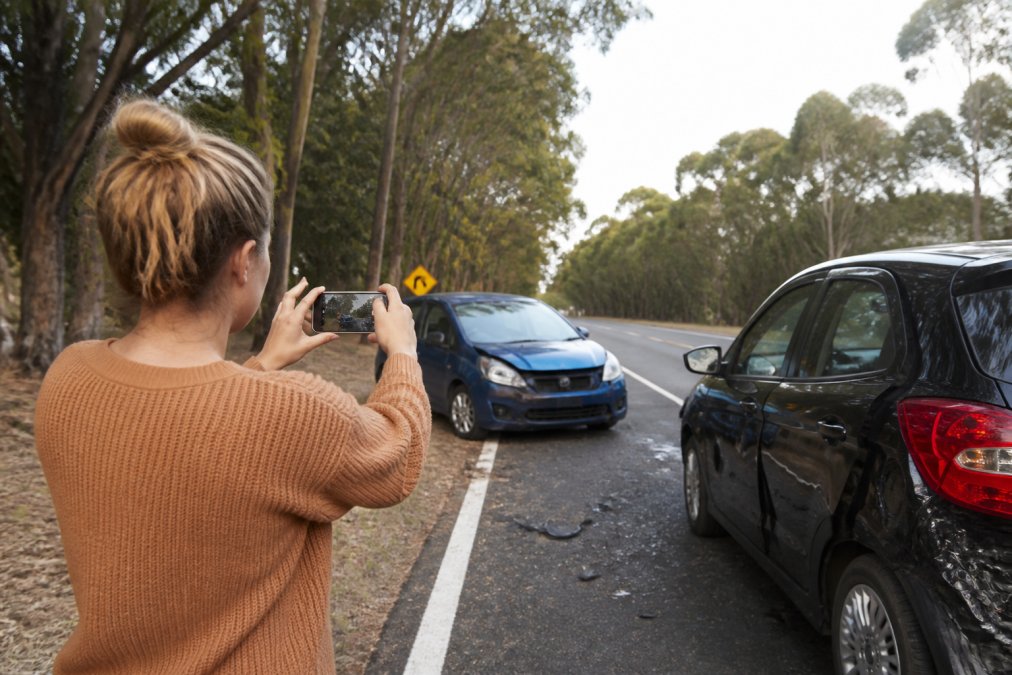
Step 3: Document the Scene Take photos of vehicle damage, the accident location, road conditions, traffic signs, and the other vehicle's registration plate. Get the names, phone numbers, and insurance details of other drivers involved. Write down the names and contact information of any witnesses. This documentation becomes critical when you lodge your CTP claim.
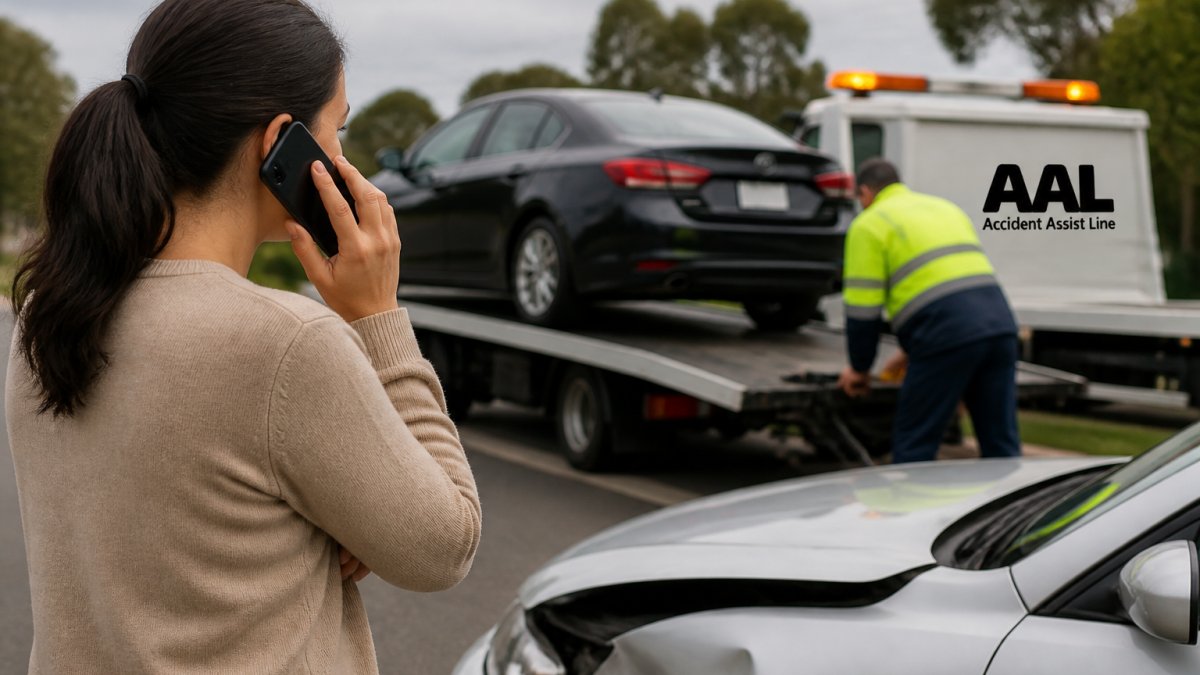
Step 4: Contact Your Insurer and Accident Support Service Rather than waiting for your insurer to coordinate recovery, contact Accident Assist Line immediately. We organise towing and repairs without the delays typical of insurance-led processes. Your insurer still handles the claim, we just eliminate the waiting.
How to Lodge a CTP Claim After a Crash
Compulsory third party (CTP) insurance covers injuries to other people caused by your vehicle. If you're injured by another driver's vehicle, their CTP insurance covers your medical costs and lost wages. Understanding how to lodge a claim properly ensures you receive the compensation you're entitled to.
Who Can Claim Any person injured by a motor vehicle can claim under the at-fault driver's CTP insurance, regardless of whether they were a driver, passenger, or pedestrian. You don't need to prove fault to lodge a claim, the insurer investigates liability.
Timeline for Lodging a Claim Most CTP insurers require claims to be lodged within a specific timeframe. Generally, you have up to six years from the date of the accident, but lodging early protects your position and ensures medical evidence is fresh. Regional drivers should lodge claims as soon as practical, especially if injuries develop over time.
Required Documentation Gather your accident report, police attendance details, medical records, wage loss documentation, and receipts for accident-related expenses. If you've already contacted Accident Assist Line, we'll guide you on what your insurer needs. Having this organised before you contact the insurer speeds up the claims process significantly.
Navigating the Claims Process Your CTP insurer will assign a claims manager who investigates liability and assesses your injuries. Be honest and detailed in your statement. If the insurer disputes your claim or offers inadequate compensation, you have the right to seek legal advice. Many personal injury lawyers work on a no win no fee basis, meaning you only pay if your claim succeeds.
Emergency Towing and Hire Car Services
When your vehicle is undriveable, emergency towing and a hire car become essential. For regional drivers, the logistics are more complex, tow trucks may need to travel further, and hire car availability in smaller towns is limited.
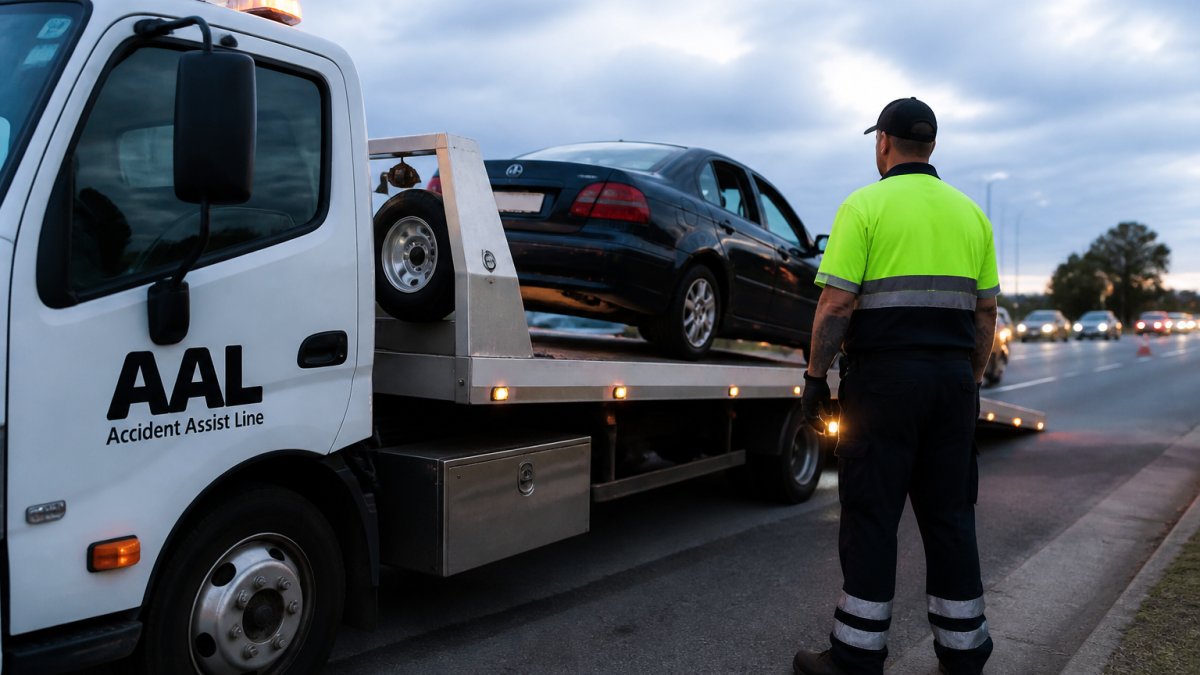
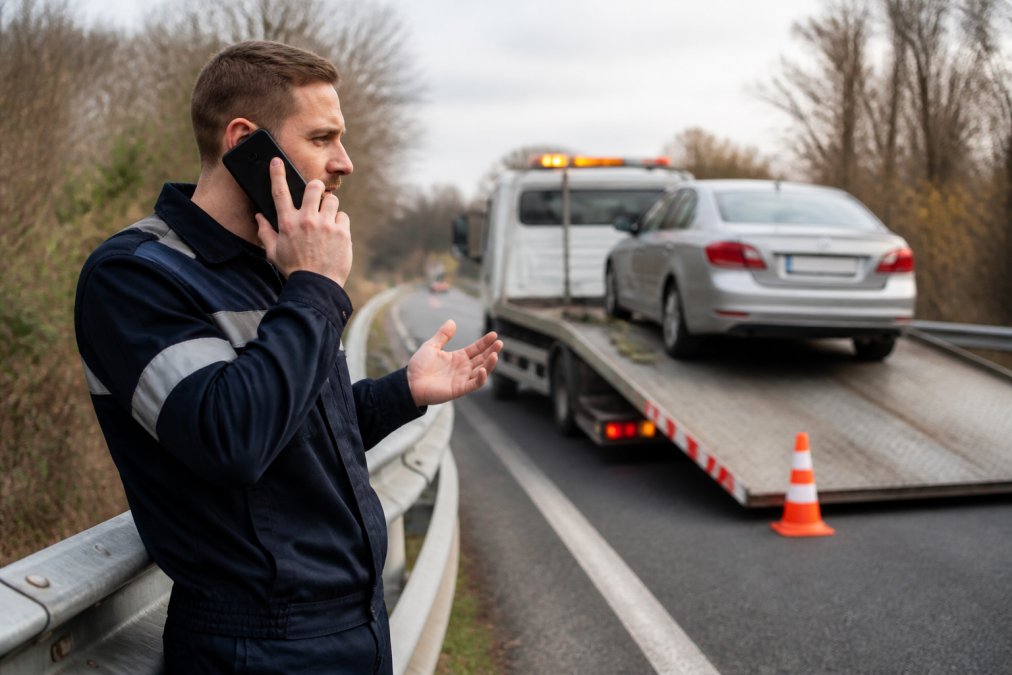
Arranging Emergency Towing Contact your insurer or roadside assistance provider (RACV, NRMA, etc.) to arrange towing. However, many regional drivers find that waiting for their insurer to coordinate towing creates unnecessary delays. Accident Assist Line organises towing immediately, cutting hours off the typical timeline. We work with approved towing operators across Victoria, New South Wales, Queensland, and the ACT, ensuring your vehicle reaches a repair facility quickly.
Hire Car Availability Your insurance policy may include hire car cover, but availability in regional areas is unpredictable. A major city might have dozens of hire car companies; a regional town might have one or two, and they're often fully booked after accidents. Accident Assist Line secures hire car arrangements as part of our immediate support, ensuring you have transport while your vehicle is being repaired.
Cost Considerations Most comprehensive car insurance policies include towing and hire car cover, meaning these services are covered at no extra cost to you. If you're at fault, your policy excess applies. If the other driver is at fault, their CTP insurance covers your hire car costs. Accident Assist Line clarifies your coverage and ensures you're not out of pocket for emergency recovery services.
Post-Accident Vehicle Recovery Process
The vehicle recovery process, from the moment your car is damaged to the moment it's roadworthy again, involves multiple steps. Understanding each phase helps you anticipate timelines and avoid unexpected delays.
Phase 1: Assessment and Authorization Your insurer or Accident Assist Line arranges for a vehicle assessor to inspect the damage. The assessor determines whether repair is economical or if the vehicle will be written off. This assessment typically takes 2-5 days (aami.com.au). For regional drivers, assessors may need to travel further, potentially extending this timeline.
Phase 2: Repair Authorisation Once the assessor approves the repair, the insurer authorises the repair facility to proceed. This is where delays often occur, insurers may require competitive quotes, or the repair facility may have a backlog. Accident Assist Line works with approved repairers, reducing wait times.
Phase 3: Repairs and Quality Control Repairs typically take 2-4 weeks, depending on damage severity and parts availability (racv.com.au). Regional repair facilities may have longer lead times for specialist parts. Once repairs are complete, the insurer conducts a quality inspection before releasing the vehicle.
Phase 4: Vehicle Collection You collect your vehicle once repairs are approved and you've settled any excess with your insurer. If you're using a hire car, you return it at the same time. For regional drivers, collection logistics can be complicated if you're far from the repair facility, Accident Assist Line can arrange transport if needed.
Accessing Counselling and Mental Health Support
Road trauma leaves psychological scars alongside physical injuries. Many accident survivors experience anxiety, post-traumatic stress, or depression after a crash. Regional drivers often lack easy access to mental health services, making professional counselling harder to arrange.
Recognising Psychological Impact Common post-accident symptoms include flashbacks, anxiety when driving, difficulty sleeping, and intrusive thoughts about the crash (peer-reviewed research). These are normal responses to trauma, not signs of weakness. The sooner you seek support, the better your recovery.
Counselling Services Your health insurance may cover psychology sessions. Medicare provides rebates for mental health treatment through a GP referral, allowing you to access subsidised counselling. For regional drivers, telehealth psychology services eliminate travel barriers, you can access a psychologist from home.
Crisis Support and Helplines If you're in crisis or having thoughts of self-harm, contact Lifeline (13 11 14) or the Suicide Call Back Service (1300 659 467). These services are free, confidential, and available 24/7. Many regional areas also have local mental health crisis teams that can provide immediate support.
Workplace Support If your accident affects your ability to work, your employer's employee assistance program (EAP) often provides free counselling sessions. Check with your HR department about what's available. Some employers also offer flexible work arrangements during your recovery period.
Navigating Insurance Gaps and Your Rights
Insurance coverage isn't always straightforward, and regional drivers often encounter gaps that leave them partially out of pocket. Understanding your rights and the limits of your coverage protects you from unexpected costs.
Common Insurance Gaps Your comprehensive car insurance covers collision damage, but it may not cover certain accident-related costs: rental car excess, transport costs if you're far from repair facilities, or medical expenses not covered by CTP. Underinsurance, where your vehicle's insured value is less than its actual value, is common among older vehicles, leaving you short if your car is written off.
CTP Insurance Limitations CTP covers injuries caused by another vehicle, but only if the at-fault driver is insured. If a hit-and-run driver causes your accident, or if the at-fault driver is uninsured, you may need to claim under your own policy's uninsured motorist cover (if you have it). Some regional areas have higher rates of uninsured driving, making this a real concern.
Your Rights as an Injured Person If you're injured in an accident caused by another driver, you have the right to claim compensation for medical expenses, lost wages, and pain and suffering. You're not obligated to accept your insurer's first offer. If you believe compensation is inadequate, you can seek legal advice. Many personal injury lawyers work on a no win no fee basis, so there's no financial risk in getting a second opinion.
Independent Advice Accident Assist Line provides unbiased guidance on your rights and recovery options. Because we're independent, not affiliated with insurance companies, our advice prioritises your interests, not the insurer's. We help you understand what you're entitled to and ensure you're not accepting unfair settlements.
Road trauma recovery is rarely straightforward, especially for regional drivers facing geographic isolation and limited local services. The path from accident to full recovery involves coordinating towing, managing repairs, navigating insurance claims, and addressing both physical and psychological injuries.
Accident Assist Line eliminates the coordination burden. With a callback in under 30 seconds, we organise towing, arrange hire cars, guide your insurance claim, and connect you with support services, all without the delays and frustration of managing these services individually. For regional drivers across Victoria, New South Wales, Queensland, and the ACT, professional accident support transforms a crisis into a manageable recovery process.
Call Accident Assist Line today for immediate support after your accident. Our 24/7 team handles the logistics so you can focus on healing.
Frequently Asked Questions
What should I do immediately after a motor vehicle accident in a remote area?
First, check for injuries and move to safety if possible. Turn on hazard lights and contact emergency services (000) if anyone is hurt. Take photos of the accident scene, vehicle damage, and road conditions. Exchange contact details with other drivers involved. If you're far from a city, contact an accident support service immediately, they can arrange towing and coordinate with emergency services. Document the accident details while fresh in your mind, including time, location, and weather conditions.
How do I lodge a CTP claim after a crash, and what documents do I need?
Contact your compulsory third party (CTP) insurer or the relevant claims authority in your state. You'll need the accident report, photos of damage, witness details, medical reports if injured, and repair quotes. CTP claims cover injury compensation and vehicle damage caused by another vehicle. If you're unsure about your coverage or the process, an independent accident support service can guide you through lodging the claim and help avoid delays. Each state has different CTP schemes, so check your state's motor accident authority for specific requirements.
Can I actually get emergency towing and a hire car arranged quickly if I'm in a regional area?
Yes, but response times depend on your location and distance from service centres. A 24/7 accident support service with regional coverage can arrange towing and coordinate a hire car while your vehicle is repaired. Regional drivers face longer wait times than city residents, which is why having a dedicated support service matters, they know local tow operators and repair shops. Always confirm towing and hire car availability when you call for help, especially late at night or in remote locations.
Will using an independent accident support service affect my insurance claim or future premiums?
No. An independent accident support service is separate from your insurer and doesn't influence your claim or premiums. They coordinate towing, repairs, and hire cars on your behalf, but your claim still goes through your insurance company. In fact, independent support can speed up the process and reduce stress. Your insurer will still handle the claim assessment and compensation. Using these services actually strengthens your claim by ensuring proper documentation and professional coordination from the start.
This article was written using GrandRanker