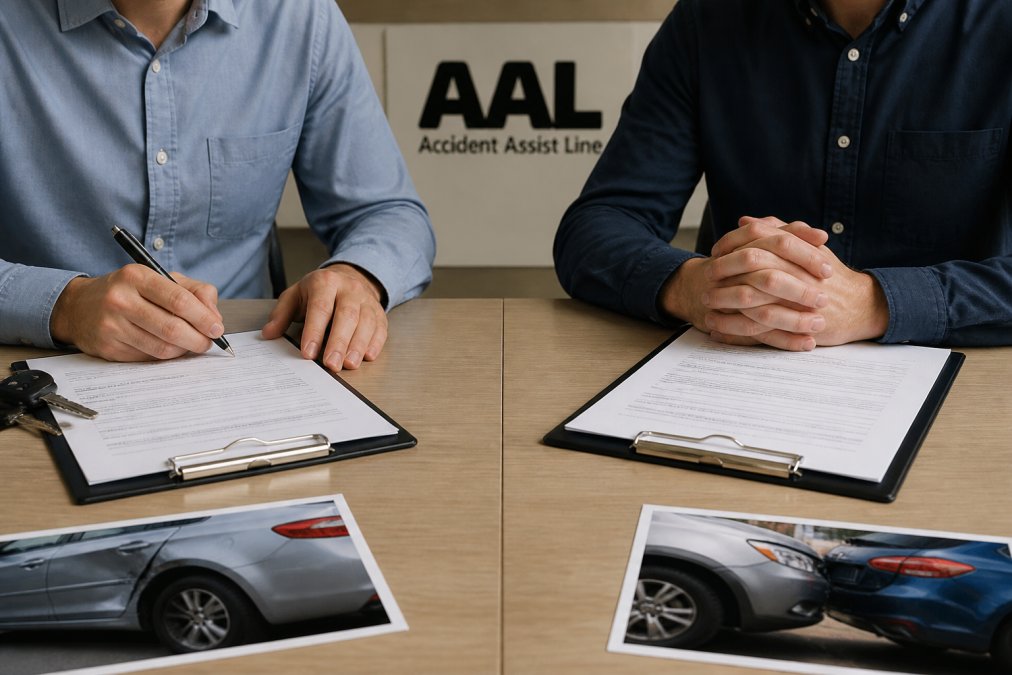
 comparison
CrashClaim alternatives: Your options after a car accident
Table of Contents
- What CrashClaim alternatives exist for Australian drivers
- Understanding the not at fault car accident process
- Insurance company claims: handling it yourself
- Independent accident management services
- Getting car accident legal advice when liability is disputed
- Motor vehicle accident claim timeline: what to expect
- Comparison: which option suits your situation
- Conclusion
Last Updated: August 14, 2026
What CrashClaim alternatives exist for Australian drivers
When you're involved in a motor vehicle accident, the immediate aftermath is chaotic. Your car is damaged, you're shaken, and suddenly you're facing decisions about towing, repairs, hire cars, and insurance claims. The question isn't whether you need help, it's which option makes the most sense for your situation. CrashClaim alternatives for Australian drivers range from handling the claim yourself through your insurer to engaging independent accident management services that coordinate everything on your behalf.
The landscape has shifted significantly. Five years ago, your main choice was simple: call your insurance company and wait. Today, you have multiple pathways. You can manage the claim directly with your insurer, use an independent accident management service like Accident Assist Line, engage legal advice for disputed liability, or work through a combination of these approaches depending on whether you were at fault and how complex your situation is.
At Accident Assist Line, we've seen firsthand how different approaches work (or don't) for drivers across Victoria, New South Wales, Queensland, and the ACT. The right choice depends on three factors: whether you're at fault, how quickly you need to get back on the road, and how much hassle you're willing to tolerate. This guide walks you through each crashclaim alternative, what each one involves, and which suits your circumstances.
Understanding the not at fault car accident process
A not at fault car accident process operates under a straightforward principle: the at-fault driver's insurer covers your costs, including repairs, hire car, and associated expenses. You shouldn't pay a cent upfront. This is where independent accident management services become valuable, because they handle the entire coordination without you fronting money.
When you're not at fault, your options expand considerably. You can lodge a claim with your own insurer (who then pursues the other party's insurer for recovery), or you can engage a third-party accident management service that specialises in recovering costs from the at-fault insurer. The key difference is coordination and speed. Your insurer will handle the claim, but they're managing hundreds of cases. An independent service focuses entirely on your recovery.
The not at fault distinction matters legally and practically. Insurance law in Australia recognises that innocent parties shouldn't bear costs for accidents caused by someone else. This principle underpins everything from statutory requirements around liability assessment to how accident replacement vehicles are provided. When you're clearly not at fault, services like Accident Support Group step in to provide a hire car immediately, coordinate repairs with their network, and manage the claim against the at-fault insurer, all at no cost to you.
What most drivers miss is that being "not at fault" requires documentation. You'll need the police report, photos of the accident scene, witness statements, and clear evidence that the other driver caused the collision. Without solid evidence, even an obvious accident can become disputed, which shifts your options entirely.
Insurance company claims: handling it yourself
Managing your claim directly through your insurance company is the traditional approach, and it works when you have time and patience. You call your insurer, lodge a claim, provide documentation, and they assign a claims manager to your case. They arrange towing, direct you to repairer network, handle communication with the other party's insurer, and eventually settle the claim.

The advantage is simplicity in structure. You have one point of contact, your claims manager, and your insurer has a vested interest in resolving the claim fairly (they're either paying out or recovering costs). The disadvantage is speed and convenience. Most insurers operate during business hours for detailed support. If you're injured, your car is undriveable, and you need a hire car sorted immediately, you'll spend hours on hold explaining your situation repeatedly.
Insurance companies also manage claims efficiently for themselves, not necessarily for you. They'll direct you to their preferred repairer network, which may not be your preferred shop. They'll assess your claim according to their processes, which can take weeks. And if there's any dispute about liability, they'll investigate thoroughly, which is appropriate, but it delays your recovery.
The cost structure is straightforward: you pay your excess (typically $500-$1,500 depending on your policy), and your insurer covers the rest. For not-at-fault accidents, your excess should be recovered from the at-fault insurer, though this can take months.
This approach works best if you're not in a hurry, you don't mind the administrative process, and your accident is straightforward. It's also your only option if you're at fault and your insurer is covering the claim.
Independent accident management services
Independent accident management services handle the entire recovery process on your behalf, towing, repairs, hire car, and claim management. They're typically engaged after you've had an accident, and they coordinate everything without you managing multiple phone calls and appointments. Services like Accident Assist Line operate 24/7, provide a callback in under 30 seconds, and handle towing, repair coordination, and hire car arrangements immediately.
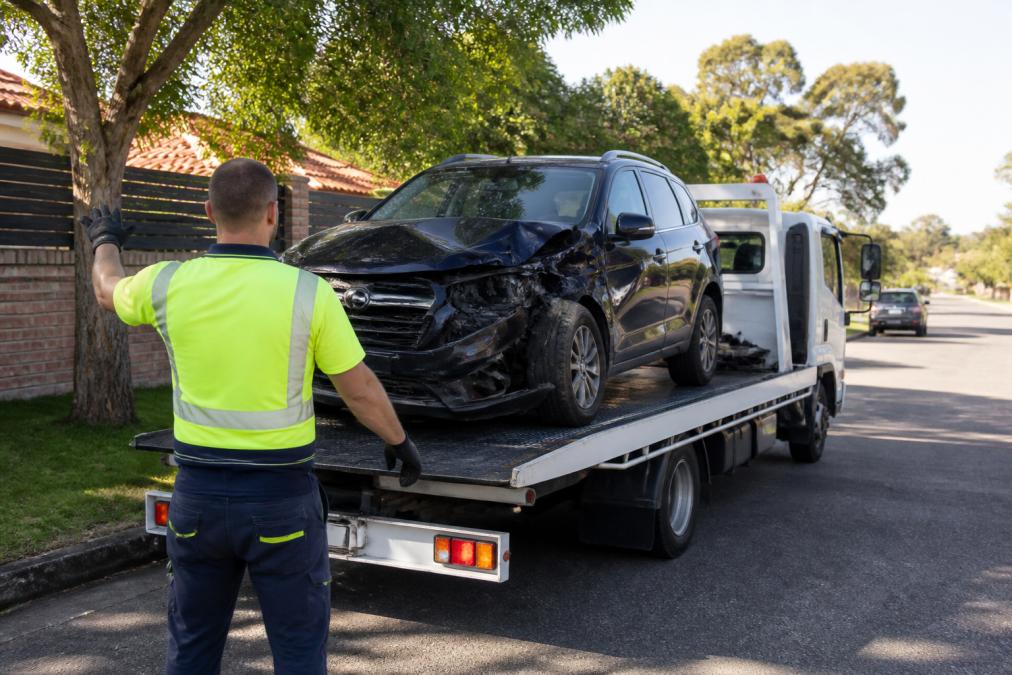
The appeal is obvious: you've just had an accident, you're stressed, and someone else manages the logistics. Accident Assist Line's model is built around this. You call, explain what happened, and within minutes you have a tow truck on the way, a hire car being arranged, and a dedicated contact managing your recovery. No forms to fill, no waiting on hold, no chasing repair shops.
For not-at-fault accidents, many independent services operate on a "no upfront cost" model. They recover their costs from the at-fault insurer once the claim is settled. This means you get immediate support, towing, repairs, hire car, without paying anything until the claim is resolved. It's a significant advantage if you're out of pocket and need immediate assistance.
The trade-off is that you're paying for convenience and speed. Independent services charge for their coordination and claim management. For at-fault accidents, these costs come out of your pocket. For not-at-fault accidents, they're typically recovered from the at-fault insurer, so you don't see the bill directly, but the cost is reflected in the overall claim settlement.
Independent services also tend to have established networks of repairers and hire car providers. This can be good (fast, efficient, quality-assured) or limiting (you can't choose your preferred shop). Accident Assist Line works with established networks across Victoria, NSW, Queensland, and the ACT, ensuring you get fast service without compromise on quality.
Getting car accident legal advice when liability is disputed
When the other driver denies fault, or when liability isn't clear, car accident legal advice becomes essential. This is where the process shifts from straightforward claims management to potential legal action. You'll need advice on whether you have a strong case, what evidence matters, and whether pursuing the claim through insurance or via legal action makes sense.
Legal advice typically comes from two sources: your insurer's legal team (included in many comprehensive policies) or an independent accident lawyer. Your insurer will provide legal support as part of your claim, but their priority is managing their exposure, not maximising your recovery. An independent lawyer represents you alone.
Dispute resolution in Australia operates through a tiered system. First, you attempt to settle with the other party's insurer. If that fails, you can escalate to the Financial Ombudsman Service (for insurance disputes) or pursue legal action through the courts. For motor vehicle accident claims, most disputes are resolved at the insurer level without reaching court.
What matters in a disputed liability case is evidence. Police reports carry significant weight. Photos of the accident scene, vehicle damage patterns, and witness statements are crucial. CCTV footage is gold. Without strong evidence, even if you believe you're not at fault, proving it becomes difficult and expensive.
Legal advice also covers your rights under insurance law. Many drivers don't realise that their policy includes legal representation, or that they can claim for additional losses beyond vehicle repair, lost wages if you're injured, rental car costs, even diminished value of your vehicle if it's been repaired.
Motor vehicle accident claim timeline: what to expect
A motor vehicle accident claim timeline varies dramatically depending on whether you're at fault, whether liability is disputed, and how complex your injuries or damage are. Understanding the typical timeline helps you plan and avoid frustration when things take longer than expected.
For straightforward not-at-fault claims with clear liability, the process typically unfolds like this: immediate reporting and towing (same day), initial claim assessment (1-3 days), repair approval and commencement (3-7 days), repairs completed (7-21 days depending on damage severity), and final claim settlement (14-30 days after repairs). Total: 4-8 weeks for a simple case.
For at-fault claims, the timeline is similar for your own claim, but your insurer will investigate more thoroughly before approving repairs, which can add 1-2 weeks.
Disputed liability claims take significantly longer. The at-fault insurer will investigate thoroughly, possibly requesting independent assessments, witness statements, and expert reports. This can stretch the timeline to 8-12 weeks or longer. If the dispute escalates to legal action, you're looking at 6-12 months minimum.
The key variables affecting timeline are: severity of damage (minor scratches resolve faster than structural damage), availability of parts (if your car needs imported components, add 2-4 weeks), insurer workload (during peak accident seasons, processing slows), and whether liability is clear or disputed.
Independent accident management services can accelerate the timeline for not-at-fault claims. Because they manage the claim directly with the at-fault insurer and coordinate repairs through their network, they often resolve claims faster than if you manage it yourself. Accident Assist Line's 24/7 coordination means repairs can commence immediately, rather than waiting for business hours.
Comparison: which option suits your situation
The right crashclaim alternative depends on your specific circumstances. Here's how to think through your options:
| Situation | Best Option | Why |
|---|---|---|
| Not at fault, need immediate help | Independent service (e.g., Accident Assist Line) | Immediate towing, hire car, no upfront cost |
| Not at fault, no urgency | Your insurance company | Simpler process, single point of contact |
| At fault, straightforward damage | Your insurance company | Standard claim process, no liability complications |
| At fault, need hire car urgently | Independent service | Faster hire car arrangement, faster repairs |
| Liability disputed | Legal advice + insurer | Professional support for negotiation and evidence |
| Serious injury involved | Lawyer + insurer | Legal protection, potential compensation claim |
| Regional area, limited local options | Independent service with national network | Ensures service reaches you quickly |
If you're not at fault and need to get back on the road fast, an independent accident management service is hard to beat. You get immediate support, no upfront costs (recovered from the at-fault insurer), and coordination that's faster than managing it yourself. Accident Assist Line's model is built for this: 24/7 availability, callback in under 30 seconds, immediate towing and hire car arrangement, and dedicated claim management.
If you're at fault, your insurer is your primary option. You'll pay your excess and coordinate through their claims process. If you need faster service or want to avoid the administrative burden, an independent service can still help, you'll pay their fees upfront, but you get faster resolution.
If liability is disputed, legal advice is non-negotiable. Your insurer provides this as part of your policy, but consider independent legal counsel if the claim is substantial or the dispute is complex.
If you're in a regional area where local repair shops and towing services are limited, an independent service with a national network ensures you get fast support regardless of location. This is particularly relevant in regional Queensland and NSW, where distance can make coordination difficult.
The timeline also matters. If you need your car back within days, independent accident management services typically deliver faster results. If you can wait 4-8 weeks, managing it yourself through your insurer is perfectly adequate.
Conclusion
After a car accident, you're facing stress, uncertainty, and multiple decisions about recovery. The good news is that you have genuine alternatives. You're not locked into a single path, you can choose based on whether you're at fault, how quickly you need to move, and how much coordination you want to handle yourself.
Accident Assist Line removes the coordination burden entirely. Available 24/7 across Victoria, New South Wales, Queensland, and the ACT, we provide immediate support with a callback in under 30 seconds. We organise towing and repairs through established networks, arrange hire cars for not-at-fault claims at no upfront cost, and guide you through the entire recovery process. No forms, no delays, no waiting on hold. Call for help and let us handle the logistics while you focus on recovery.
Frequently Asked Questions
What are the main CrashClaim alternatives for accident claims in Australia?
Your main options are handling the claim directly through your insurer (NRMA, RACV, Allianz), using an independent accident management service like Accident Support Group, seeking legal representation for disputed liability, or using a dedicated support service for immediate towing and coordination. Each has different strengths depending on whether you're at fault, need immediate assistance, or face a liability dispute. The right choice depends on your accident circumstances and how much support you need.
How does the not at fault car accident process work in Australia?
When you're not at fault, the at-fault driver's insurer is responsible for your vehicle repair and associated costs. You'll lodge a claim with your own insurer or directly with the other party's insurer, provide evidence (photos, police report, witness details), and the insurer will assess liability. If liability is accepted, the other insurer covers repair costs, hire vehicle expenses, and other losses. The process typically takes 4-8 weeks, though complex cases may take longer. An independent service can coordinate towing and repairs while this happens.
Should I wait for my insurance company or use a third-party accident service instead?
Insurance companies handle claims, but response times vary and you may face delays during peak periods. A third-party service like Accident Assist Line provides immediate 24/7 support, faster towing coordination, and hire vehicle arrangement without waiting for insurance processes. For not-at-fault claims, costs are recovered from the other party's insurer, so there's no extra expense. If you need rapid assistance and minimal hassle, a dedicated service works alongside your insurance claim rather than replacing it.
What should I do immediately after a motor vehicle accident?
First, check for injuries and call emergency services if needed. Move vehicles to a safe location if possible, turn on hazard lights, and call police (they'll provide an accident report number). Exchange details with the other driver: name, phone, address, vehicle registration, and insurance details. Take photos of damage, accident scene, and road conditions. Document witness names and contact details. Then contact your insurer or a dedicated accident support service. Avoid admitting fault or discussing the accident with anyone except police and your insurer.
How long does a motor vehicle accident claim timeline typically take in Australia?
A straightforward not-at-fault claim usually takes 4-8 weeks from lodgement to settlement. This includes liability assessment (1-2 weeks), repair approval and completion (2-4 weeks), and final settlement (1-2 weeks). At-fault claims may take longer if you're disputing the assessment or if repairs are extensive. Complex cases involving multiple parties or serious injury can extend to 3-6 months. Using an independent accident management service doesn't speed up the insurance timeline, but it does eliminate delays in towing, repairs, and hire vehicle coordination.
This article was written using GrandRanker