 ultimate-guide
Car Accident Paperwork: A 2026 Guide
Table of Contents
- What to Do Immediately After a Car Accident
- What to Do After a Car Accident Checklist
- Exchanging Information Using a Car Accident Information Exchange Form
- Documenting Evidence and Gathering Scene Information
- How to Report a Traffic Crash Online
- Managing Your Car Accident Paperwork Effectively
- When to Seek Professional Support
- Conclusion
Last Updated: August 17, 2026
What to Do Immediately After a Car Accident
The first minutes after a collision determine how smoothly your recovery unfolds. Your immediate priorities are safety, documentation, and communication, in that order.
Move to safety first. If vehicles are drivable and traffic permits, move them away from oncoming traffic to a safe location and switch on hazard lights. If anyone is injured, call emergency services immediately. Once safe, turn off your engine and stay in your vehicle with seatbelts fastened.
Check for injuries and ask passengers if they're hurt. Some injuries don't appear immediately as shock can mask pain. Document any physical symptoms you notice, even minor ones, as these become important later when managing your car accident paperwork.
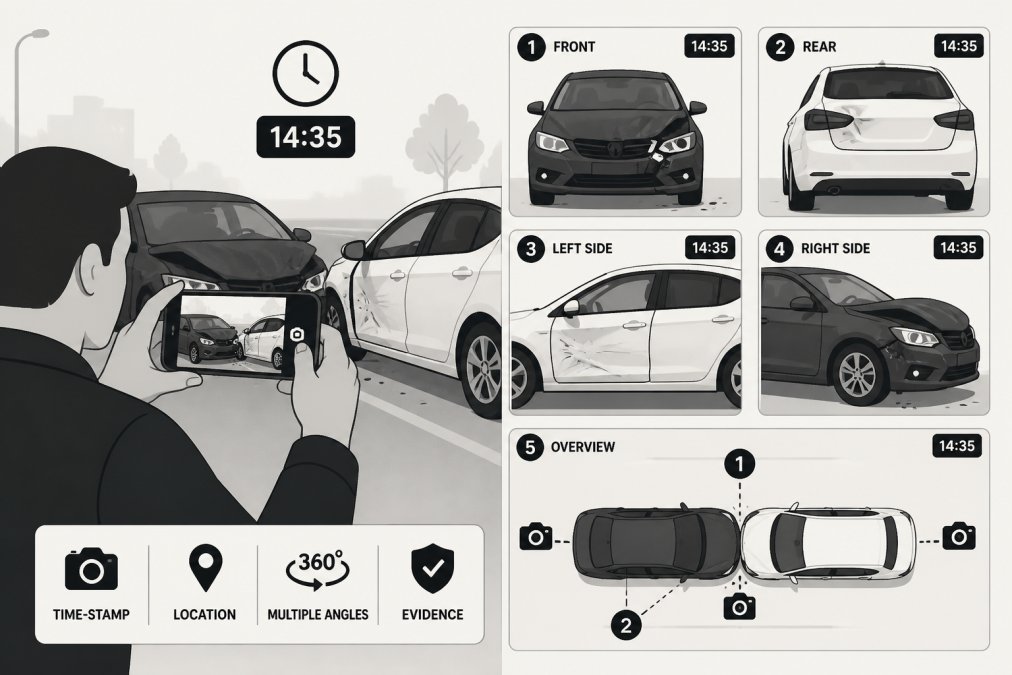
Take photographs of the scene before anything moves. Capture vehicle positions, damage on all vehicles, road conditions, traffic signs, and the overall accident location. Time-stamp them if your phone allows.
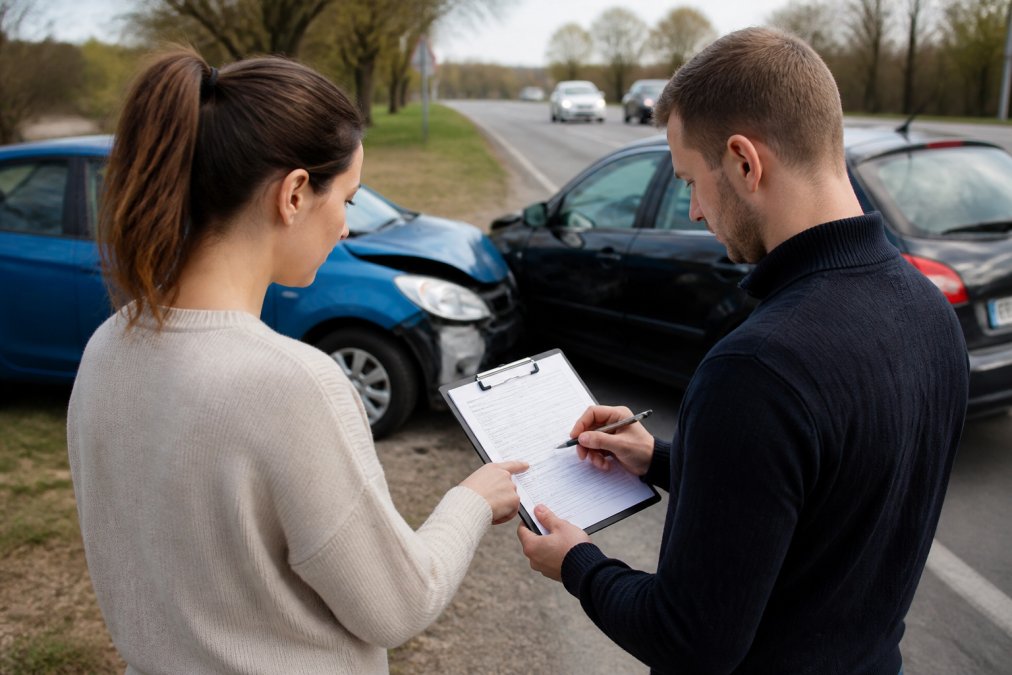
Exchange information with the other driver. Get their name, phone number, address, driver's license number, vehicle registration number, and insurance details. Don't admit fault or apologize for the accident, stick to facts.
Call the police if there's significant damage, injury, or if the other driver leaves the scene. A police report becomes essential documentation for your car accident paperwork. Ask the attending officer for their name, badge number, and the incident report number.
At Accident Assist Line, we've guided drivers through this moment. The stress is real, but the process is manageable when you know what comes next.
What to Do After a Car Accident Checklist
Use this checklist immediately after the incident to ensure you capture everything needed for your claim and recovery process.
Immediate Actions (First 30 Minutes):
- Move vehicles to safe location if possible
- Switch on hazard lights
- Call emergency services if anyone is injured
- Turn off engines and remain in vehicles
- Take photographs of accident scene from multiple angles
- Photograph all vehicle damage (wide shots and close-ups)
- Photograph road conditions, traffic signs, and surrounding area
- Photograph time and date stamp on photos if available
Information Exchange (At Scene):
- Get other driver's full name and phone number
- Record other driver's address
- Note other driver's driver's license number
- Record vehicle registration number
- Note insurance company name and policy number
- Collect passenger contact details if applicable
- Note witness names and contact information
- Take photos of other driver's licence and registration documents
Police and Documentation:
- Call police if significant damage or injury occurred
- Request police report number and officer details
- Note time and location of incident
- Document weather and lighting conditions
- Record road name and nearest intersections
- Note any traffic violations or unusual circumstances
Medical and Personal:
- Note any pain or injuries immediately
- Keep records of any medical visits
- Photograph visible injuries if safe to do so
- Note names of anyone who witnessed your injury
Follow-Up Actions (Within 24 Hours):
- Contact your insurance company
- Report the incident to police if not done at scene
- Gather repair quotes from mechanics
- Organize all photographs and documents
- Write a detailed account of the accident while fresh
- Notify Accident Assist Line for independent support and guidance
Exchanging Information Using a Car Accident Information Exchange Form
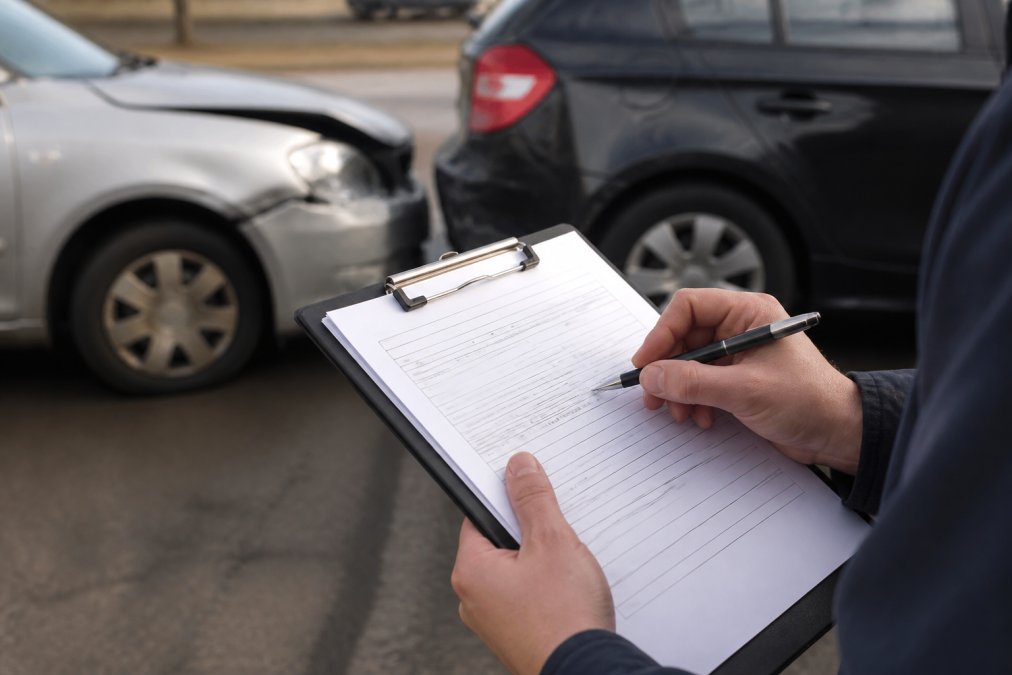
A car accident information exchange form is a standardized document that captures critical details from both drivers at the scene. This form becomes the foundation of your car accident paperwork and prevents important information from being forgotten or misremembered later.
Essential Details to Collect
Capture complete information from the other driver: full legal name, residential address, phone number, email address, driver's license number, and issuing state or territory. Record the vehicle's registration number, make, model, year, and colour. Ask for their insurance company name, policy number, and contact details.
Don't rely on memory. Write everything down or photograph their documents directly. Insurance details are critical; without the correct policy number, your claim can be delayed by weeks.
Note the time, date, and exact location of the accident, including street name, suburb, and nearby landmarks. Record a brief factual description of how the accident happened: "I was stationary at a red light when the other vehicle struck my rear bumper." Avoid opinions or admissions that can be used against you later.
Witness Information and Scene Documentation
Witnesses are invaluable for your car accident paperwork. Ask any witnesses for their name, phone number, address, and driver's license number if applicable. Note what they saw and from where they observed it.
Photograph the accident scene comprehensively. Wide shots show the overall location and road layout; close-ups document specific damage, road markings, and hazards. Capture the positions of both vehicles, skid marks if present, debris, and traffic control devices. Photograph both vehicles from multiple angles, showing full vehicle views and zoomed-in damage. Include licence plates in some photos for verification.
Documenting Evidence and Gathering Scene Information
Evidence collection at the accident scene is non-negotiable. Once you leave the location, gathering additional evidence becomes difficult and expensive.
Create a detailed written account of the accident within 24 hours while the memory is sharp. Include the date, time, location, weather, road conditions, traffic volume, and what led to the collision. Write in first person and stick to what you observed directly.
Dashcam footage is invaluable for accident claims. If your vehicle has a dashcam, secure the footage immediately and back it up, as most dashcams loop over old footage after a set period.
Collect contact details from anyone at the scene and ask whether any nearby shops or homes have security cameras that might have captured the accident. Follow up within days to request footage before it's automatically deleted.
Visit a doctor or hospital within 48 hours of the accident if injured, even for minor symptoms. Medical records create an official record linking your injuries to the accident, which is essential for personal injury claims.
Keep all receipts related to the accident: towing costs, rental car fees, medical expenses, repair estimates, and accommodation if displaced. These documents support claims for consequential damages.
How to Report a Traffic Crash Online
Reporting your traffic crash online simplifies the documentation process and creates an official record. Many insurers and government agencies now accept online reports, reducing paperwork and processing time.
Visit your state or territory's transport authority website. In Victoria, use the Victoria Police online reporting portal. In New South Wales, report through the NSW Police Force website. Queensland drivers use the Queensland Police Service portal. ACT residents report through the ACT Policing website.
Online reporting typically requires your details, vehicle information, the other driver's details, accident location, date and time, and a description of what happened. Upload photographs and supporting documents directly through the portal.
Not all accidents qualify for online reporting. If anyone was injured, if the other driver left the scene, or if there's significant property damage, you may need to report in person or by phone. Keep the reference number or confirmation provided after submission and forward it to your insurance company as proof of police notification.
Managing Your Car Accident Paperwork Effectively
Disorganised paperwork turns a manageable situation into a frustrating ordeal. Create a system immediately after the accident that keeps all documents accessible and chronologically ordered.
Use a dedicated folder, physical or digital, for all accident-related documents. Include the police report, insurance claim forms, medical records, repair quotes, photographs, witness statements, and correspondence with the insurer. Label each document with the date received.
Digital Evidence Management
Create a folder structure on your computer or cloud storage service with subfolders for photographs, medical documents, repair estimates, insurance correspondence, and police reports. Use consistent naming conventions: "2026-08-15-accident-scene-01.jpg" is far more useful than "IMG_1234.jpg".
Back up all digital evidence to at least two locations. Cloud storage services like Google Drive or Dropbox provide automatic backup and access from any device. Take screenshots of important online interactions with your insurer and save these as PDFs.
Keep a timeline document that records every action you've taken related to the accident, including dates and times of phone calls, emails sent, documents submitted, and responses received. This timeline demonstrates your diligence and helps identify delays or missing information.
Insurance Claim Denial Prevention
Insurance claim denials often stem from incomplete documentation or missed deadlines. Read your insurance policy carefully to understand the claims process, required documentation, and deadlines. Most policies require notification within 30 days.
Provide complete information in your initial claim. Include the police report number, all photographs, witness contact information, medical records if injured, and repair quotes. Communicate in writing via email or your insurer's online portal so there's a documented trail.
Don't exaggerate or fabricate claims. Insurers investigate suspicious claims, and padding costs or inventing injuries undermines your credibility and can result in total claim rejection. If your claim is denied, request a detailed written explanation and understand the specific reason for denial.
When to Seek Professional Support
Managing car accident paperwork alone is possible, but professional support can prevent costly mistakes and accelerate your recovery.
Seek legal advice if you're injured and the other driver was clearly at fault. A personal injury lawyer can advise whether your injuries warrant a claim and help quantify fair compensation. Many work on no-win-no-fee arrangements.
Contact your insurer's claims department immediately after the accident. Early notification demonstrates good faith and gives your insurer time to investigate while evidence is fresh.
Consider independent accident support services if you find the insurance claims process overwhelming. Services like Accident Assist Line provide 24/7 support, organise towing and repairs, arrange hire cars, and guide you through paperwork without the delays typical of insurance-led processes.
If the other driver's insurer denies liability, mediation can resolve disagreements without court proceedings. If mediation fails, legal action becomes necessary, which is when you'll definitely need professional representation.
Managing car accident paperwork doesn't have to consume your time and energy. The process becomes straightforward when you document thoroughly at the scene, organise your files systematically, and know when to ask for help. Accident Assist Line is available 24/7 across Victoria, New South Wales, Queensland, and the ACT to guide your next steps, arrange immediate towing and repairs, and coordinate a hire car so you're back on the road fast. When the stress of accident recovery feels overwhelming, professional support transforms a frustrating experience into a manageable one. Call Accident Assist Line for help.
Frequently Asked Questions
What is the first thing I should do after a car accident?
Check for injuries and move to safety if possible. Turn on hazard lights, set up warning triangles if you have them, and call emergency services if anyone is hurt. Once safe, exchange driver details with the other party, take photos of the scene and vehicle damage, and collect witness contact information. Document everything thoroughly, this becomes critical for your insurance claim and any personal injury claim later.
What information must I exchange after a car accident?
You must exchange driver name, phone number, address, driver licence number, vehicle registration number, vehicle make and model, insurance company name and policy number. Also collect the other driver's CTP insurer details. If there are witnesses, obtain their names, contact details, and written statements about what they saw. Keep a car accident information exchange form handy to ensure you capture everything, missing details can delay your claim significantly.
How do I report a traffic crash online, and is it required?
Report requirements vary by state. Most states allow online reporting through their transport authority website for minor incidents with no injuries. You'll typically need the incident description, vehicle details, driver information, and police report number if police attended. Check your state's specific requirements, some accidents must be reported to police within 24 hours, particularly if there are injuries or significant property damage. Online reporting speeds up the process and creates an official traffic crash report.
What should I include in a written statement about a car accident?
Write a clear, factual account of what happened: date, time, location, weather conditions, vehicle positions, how the collision occurred, and any contributing factors. Include vehicle damage description and injury details. Be honest and avoid admitting fault or speculating about the other driver's intentions. Keep it concise and chronological. This statement protects you in disputes and supports your insurance claim. Consider having it witnessed or signed as a statutory declaration for added legal weight.
How long do I have to lodge an insurance claim after a car accident?
Most insurers require notification within 24 hours of the accident, though some allow up to 30 days. Delays can affect your claim outcome. For personal injury claims, you typically have three years from the accident date, but evidence deteriorates over time. Report promptly to preserve your rights and ensure your insurer can investigate while details are fresh. The sooner you lodge, the faster your claim can be processed and you can arrange repairs and a hire car.
What documents do I need to keep for my car accident claim?
Keep your insurance policy, the traffic crash report, police report number, photos and videos of the accident scene and damage, written statements from witnesses, medical certificates if injured, repair quotes, and all correspondence with your insurer. Store digital copies separately from physical documents. Organise these chronologically, insurers and personal injury claim assessors need a clear paper trail. Missing or poorly organised documentation is a common reason claims are delayed or denied.
Should I call the police after a minor car accident?
If there are injuries, significant damage, or the other driver leaves the scene, you must report to police. For minor accidents with no injuries and both parties present, police attendance is often optional, though your insurer may recommend it. A police report number strengthens your claim and provides an independent record. If you're unsure about injury severity or liability, calling police creates an official incident diagram and witness statements, which protect you later.
This article was written using GrandRanker