 ultimate-guide
Australian Car Insurance Guide: How to Compare & Choose
Table of Contents
- Why Australian Car Insurance Feels So Confusing
- The Three Main Types of Car Insurance Cover in Australia
- Car Insurance Excess Explained: What You Pay at Claim Time
- How to Compare Car Insurance Quotes Without the Headache
- What to Do After a Car Accident: A Step-by-Step Guide
- When Your Insurer Lets You Down: The Claims Dispute Process
- How Premiums Are Calculated: The Factors That Move Your Price
- Getting Back on the Road Fast: Your Options After an Accident
- Frequently Asked Questions
Last Updated: September 8, 2026
Why Australian Car Insurance Feels So Confusing
Australian car insurance is one of the few purchases where the fine print decides whether you recover thousands of dollars or face financial loss alone. Between CTP, comprehensive cover, third party property damage, and fire and theft policies, the terminology sends most drivers in circles. At Accident Assist Line, we speak daily with drivers across Victoria, New South Wales, Queensland, and the ACT who are staring at policy documents they do not fully understand, often right after a collision.
The confusion is not your fault. The market runs on complex product disclosure statements, layered exclusions, and pricing variables that insurers rarely explain in plain language. This guide cuts through that noise, covering what each type of cover does, how excess works, what moves your premium, and the step-by-step process for handling an accident and a claim.
The Three Main Types of Car Insurance Cover in Australia
Australian car insurance falls into three broad categories, each covering a different risk. Comprehensive cover protects your own vehicle plus damage you cause to others. Third party property damage covers only the other party's vehicle and property. Fire and theft sits between them, covering your car against those two risks but not collision damage to your own vehicle.
Most drivers choose comprehensive cover for its widest protection, but the right choice depends on your car's value, financial situation, and tolerance for risk. An older vehicle worth less than the annual premium difference might not justify it.
Compulsory Third Party (CTP) vs Third Party Property Damage
Compulsory Third Party (CTP) insurance is the legally required cover that pays for injuries you cause to other people in a car accident. It is included in your vehicle registration in most states and does not cover damage to vehicles or property at all. Third Party Property Damage is optional cover that pays for damage your car causes to someone else's vehicle, fence, building, or other property.
The distinction matters enormously. CTP covers personal injury only; third party property damage covers physical damage only. If you have CTP but no third party property damage cover, you are personally liable for the full cost of repairing the other driver's car. A common mistake is assuming registration includes property cover, which it does not.
Comprehensive Cover: What It Actually Pays For
Comprehensive cover is the most complete protection available, paying for damage to your own vehicle and the other party's vehicle, regardless of who is at fault. It typically includes damage from collision, fire, theft, storm, hail, and vandalism. This is the cover that lets you claim for repairs to your own car after an accident, even when you caused it.
Comprehensive cover still has limits. Policies exclude certain events, cap the insured amount at agreed or market value, and require an excess at claim time. You also lose your no claim bonus after an at-fault claim, raising your premium for several years. Read the exclusions carefully.
Car Insurance Excess Explained: What You Pay at Claim Time
Car insurance excess is the amount you agree to pay toward a claim before your insurer covers the rest. If repairs cost $3,000 and your excess is $700, you pay the first $700 and the insurer pays the remaining $2,300. A higher excess lowers your annual premium; a lower excess increases it.
Most policies include a basic excess applying to every claim and an additional age excess for drivers under 25. Some insurers apply a reduced excess if you choose their preferred repairer. The critical detail: your excess applies per claim, not per year, so two accidents in one year mean paying it twice.
How to Compare Car Insurance Quotes Without the Headache
Comparing Australian car insurance quotes is about finding the best cover for your situation, not the cheapest number. Start by listing the features you need: comprehensive or third party cover, roadside assistance, hire car after an accident, and windscreen cover. The cheapest policy lacking these features is false economy.
When comparing quotes, look beyond the annual premium. Check the excess amount, the claim settlement process, and the provider's reputation for handling disputes. A policy that costs slightly more but pays claims quickly and fairly is worth the difference.
| Policy Feature | What to Check | Why It Matters |
|---|---|---|
| Annual premium | Total cost per year | The headline number, but not the whole story |
| Excess amount | Basic and age excess | Your out-of-pocket cost per claim |
| Hire car cover | Included or optional | Keeps you mobile while your car is repaired |
| Agreed value | Fixed payout amount | Certainty about your insured amount |
| Claim process | Online, phone, or app | Determines how fast you get back on the road |
Agreed Value vs Market Value
Agreed value is a fixed amount you and the insurer agree on when taking out the policy, which is what you receive if your car is written off. Market value is what your car would sell for at claim time, which can be significantly less than you expect. Agreed value policies typically cost more but offer certainty.
Market value sounds reasonable until you realise insurers calculate it using depreciation and current market conditions. A car bought for $25,000 three years ago might be valued at $12,000 when written off, leaving a shortfall you must cover. If you owe money on a car loan, that gap can be substantial.
Reading the Product Disclosure Statement (PDS)
The Product Disclosure Statement (PDS) is the legal document defining exactly what your policy covers and excludes. Most drivers never read it, which is precisely why they are surprised at claim time. It contains the full list of exclusions, conditions, and limits applying to your cover.
When reviewing a PDS, focus on three sections: what is covered, what is excluded, and what your obligations are after an accident. Pay particular attention to time limits for notifying your insurer, requirements for obtaining repair quotes, and any conditions around driver history or vehicle modifications. The Australian Securities and Investments Commission guidance on insurance explains what you should look for in a PDS before you buy.
What to Do After a Car Accident: A Step-by-Step Guide
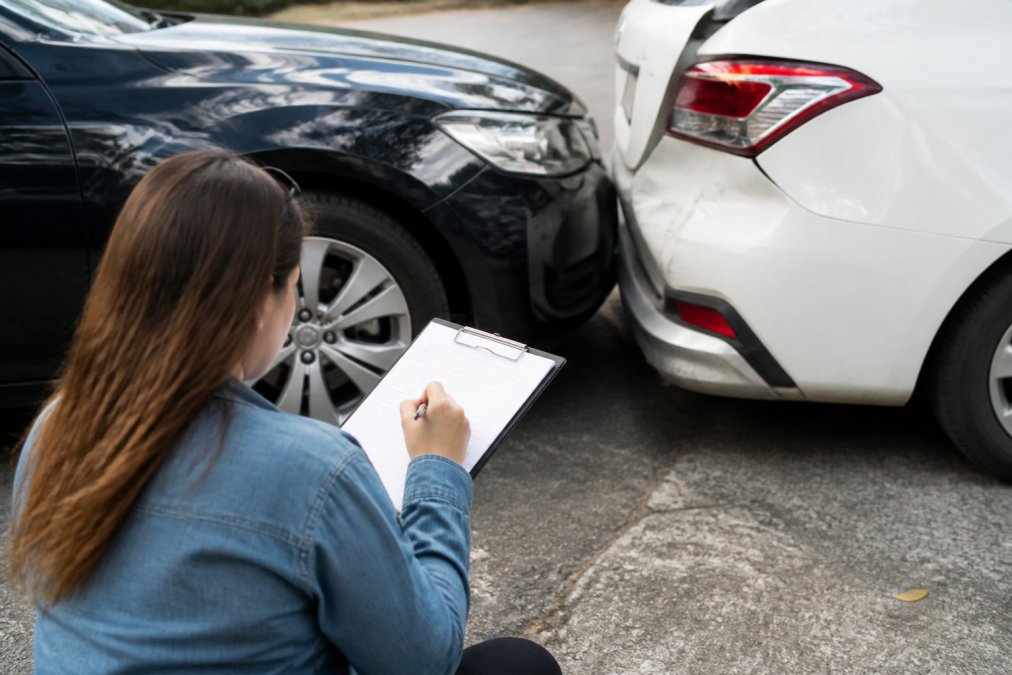
The moments after a collision are stressful, but your actions determine how smoothly your claim and recovery go. Stop safely, check everyone for injuries, and call emergency services if anyone is hurt or the road is blocked. Do not admit fault or discuss blame at the scene.

Exchange details with the other driver, including names, contact information, licence numbers, and registration plates. Take photos of both vehicles, the damage, and the surrounding area, and collect witness contact details. This evidence protects you if the other party disputes what happened.
Report the accident to your insurer as soon as possible. Most policies require notification within 24 to 48 hours, even if you do not intend to claim. Failing to notify your insurer can void your cover entirely.
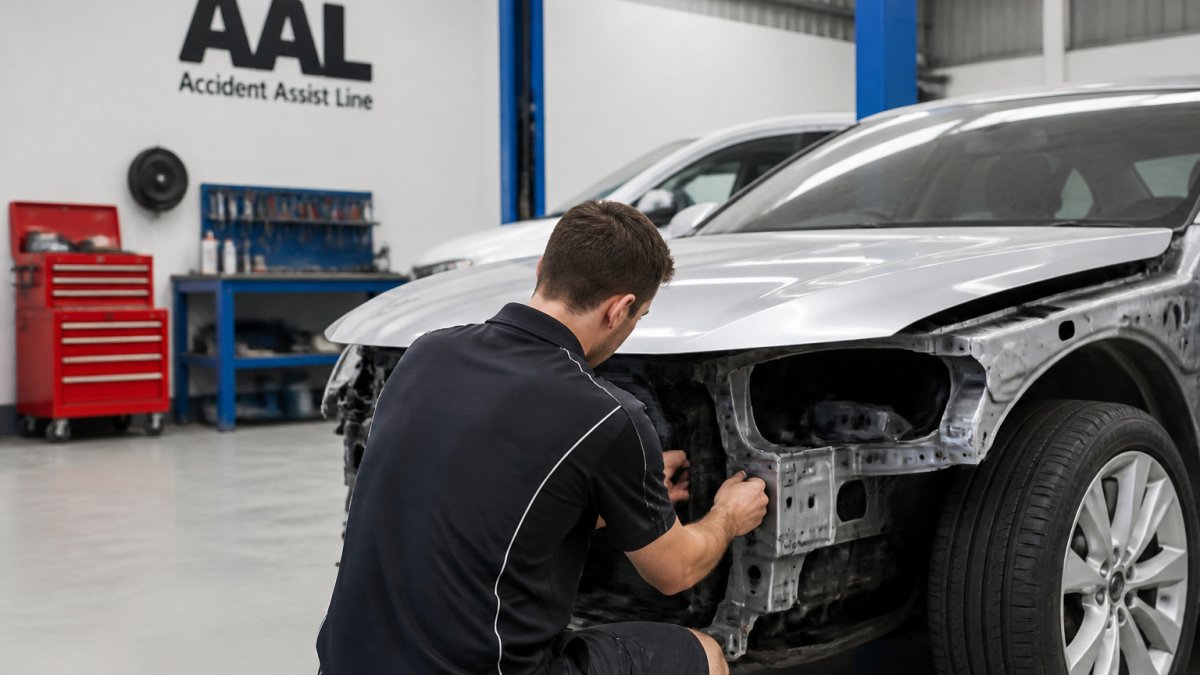
The most practical step is arranging for your car to be towed to a repairer and getting a hire car so you can continue your daily routine. Services like Accident Assist Line organise towing, repairs, and hire cars with a single phone call, eliminating the paperwork and waiting that typically follows an accident. A callback in under 30 seconds means you are not left stranded.
When Your Insurer Lets You Down: The Claims Dispute Process
Insurance disputes are more common than most drivers realise. Your insurer may reject a claim, offer a settlement far below expectations, delay payment without explanation, or argue that an exclusion applies. When this happens, you have formal options beyond accepting the decision.
The first step is an internal dispute resolution process with your insurer. You must lodge a complaint directly with them, and they are legally required to respond within set timeframes. If they reject it or you are unsatisfied, you can escalate to the Australian Financial Complaints Authority.
Using the AFCA Dispute Resolution Service
The Australian Financial Complaints Authority (AFCA) is the independent ombudsman service resolving disputes between consumers and financial firms, including insurers. AFCA can review your claim, assess whether your insurer acted correctly under the policy, and make binding decisions the insurer must follow.
To lodge a dispute with AFCA, you must first give your insurer the chance to resolve the matter internally. You generally have two years from the date you became aware of the problem to lodge a complaint with AFCA. The service is free for consumers, and its decisions are binding on the insurer but not on you, meaning you can still pursue legal action if you are unhappy with the outcome. The Australian Financial Complaints Authority dispute resolution process outlines the steps and timeframes in detail.
How Premiums Are Calculated: The Factors That Move Your Price
Australian car insurance premiums are calculated using underwriting factors that assess your risk as a driver. Insurers look at your age, driving history, claims history, and no claim bonus. Younger drivers and those with at-fault accidents consistently pay more because the data shows they are more likely to claim.
Your vehicle also plays a major role. The make and model, safety rating, age, and likelihood of theft all affect your premium. Performance and luxury vehicles cost more because repairs are more expensive. Even your garaging address matters, as insurers assess theft and damage risk based on where you park at night.
Usage patterns influence pricing too. Annual kilometres, commuting or business use, and a clean driving record all feed into the calculation. Telematics policies that track your driving behaviour are becoming more common, offering lower premiums for safe drivers but requiring you to share your driving data.
Non-Standard Vehicles and Usage-Based Insurance
Non-standard vehicles, including modified cars, imported vehicles, classic cars, and vehicles with custom parts, often require specialist policies. Standard insurers may refuse cover or apply significant premium loadings because they cannot easily assess repair costs or risk.
Usage-based insurance, also known as telematics, uses a device or smartphone app to monitor how you drive. Factors such as speed, braking, cornering, and time of day are tracked and used to calculate your premium. Safe drivers can save money, but the trade-off is a loss of privacy and the risk that a few harsh braking events raise your premium unexpectedly. The Insurance Council of Australia resources on how car insurance works provides guidance on the factors insurers consider when setting premiums.
Getting Back on the Road Fast: Your Options After an Accident
After a collision, your priority shifts from paperwork to getting your life back on track. If your car is not drivable, you need it towed to a repairer and transport in the meantime. Many drivers assume their insurer handles this automatically, but you often have to arrange recovery yourself and wait for approval before a hire car is organised.
Your options depend on your policy. Comprehensive cover typically includes towing and may offer hire car cover as an optional extra. With third party property damage only, your own vehicle is not covered at all, and you are responsible for arranging and paying for its recovery and repairs.
For drivers who want to avoid the delays of insurance-led recovery, an independent accident assistance service provides a faster path. Accident Assist Line operates 24/7 across Victoria, New South Wales, Queensland, and the ACT, organising towing to a repairer and arranging a hire car so you can keep working. As an independent service not tied to any insurance company, the guidance you receive is focused on your needs, not on minimising an insurer's claim costs. Using an independent service does not prevent you from claiming on your insurance, but it means your recovery is not held up while your insurer processes paperwork.
Navigating Australian car insurance does not have to mean wrestling with confusing policies and slow claim processes. The key is understanding what each type of cover provides, knowing what moves your premium, and having a clear plan for the moment an accident happens. When you need immediate help after a collision, Accident Assist Line provides 24/7 support with no forms and no wait times, organising towing, repairs, and a hire car with a callback in under 30 seconds.
Frequently Asked Questions
Which company is best for car insurance in Australia?
There is no single best insurer. The right provider depends on your driving history, vehicle type, and budget. Compare policies using the same excess level and agreed value across providers. Look beyond the premium: check the PDS for exclusions, claim settlement times, and whether you can choose your own repairer. The cheapest quote is rarely the best value when you need to claim.
Is comprehensive car insurance worth the extra cost?
Comprehensive cover costs more than third party property damage, but it protects your own vehicle too. If your car is less than 10 years old, is financed, or you cannot afford to replace it, comprehensive cover is usually worth the premium. For older cars worth under $5,000, third party fire and theft may be a more cost-effective choice. Compare the annual premium against your car's current market value.
What is the difference between market value and agreed value?
Agreed value is a fixed amount you and the insurer set when you buy the policy. This is what you receive if your car is written off. Market value is what the insurer determines your car was worth just before the accident, accounting for age, condition, and kilometres. Agreed value gives certainty but usually costs more in premiums. Market value can leave you with less than you owe on a car loan.
What should I do immediately after a car accident?
Stop, check for injuries, and move to a safe location. Exchange details with the other driver: name, phone number, registration, and insurer. Take photos of both vehicles and the surrounding area. Report the accident to the police if anyone is injured or the other driver leaves. Contact your insurer as soon as possible, but do not admit fault at the scene. If you need immediate towing or a hire car, independent accident support services can assist without involving your insurer.
Does my car insurance cover me if I am at fault?
It depends on your cover type. Comprehensive insurance covers damage to your own vehicle and the other party's car when you are at fault. Third party property damage only covers the other driver's vehicle, not yours. CTP (Compulsory Third Party) covers personal injury to others, never vehicle damage. Always check your policy's liability limits and exclusions in the PDS before assuming you are covered.